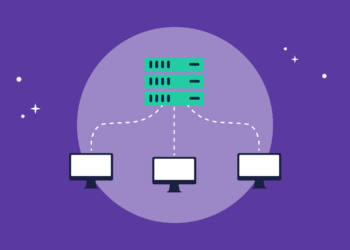
To work as one revenue team, sales and marketing teams need a connected stack across six layers.
What software do revenue teams need to align sales and marketing?
- Sales intelligence and a CDP to research accounts (Apollo.io, ZoomInfo, Insider)
- ABM and email tools to reach them (6sense, Demandbase One, Brevo)
- Sales engagement platforms to qualify them (Tidio, Gong, Apollo.io)
- A CRM and CPQ to close them (HubSpot Sales Hub, Pipedrive, DealHub.io)
- Conversation intelligence and sales training tools to coach reps (Gong, Fathom, Mindtickle)
- Sales analytics and RevOps platforms to measure it all (Clari, Google Analytics, 6sense)
The tools matter less than the connections between them.
I’ve spent most of my career on the marketing side of that question, close enough to sales to understand what they need, far enough away to spot the patterns they can’t. And what I’ve learned is that teams often go wrong because the tools don’t talk to each other: sales intelligence that never reaches the CRM, campaigns aimed at accounts sales already wrote off, and each dashboard telling a different story.
So instead of ranking software, I’ve mapped the stack the way one revenue team would actually use it, layer by layer, from the data foundation through to the analytics. At each layer I’ve pulled in real G2 community discussions, because the most useful answer to ‘which sales and marketing tool should we pick’ almost always comes from a practitioner who already picked wrong and was honest about it.
What tools do B2B sales teams use to research accounts before cold outreach?
Sales intelligence tools like ZoomInfo, Apollo.io, and LinkedIn Sales Navigator are the starting point here.
Community discussion
What are G2 users saying about sales intelligence tools for startups?
Join the discussion
★★★★★★★★★★ 4.7/5 based on 9,672 reviews
Combines contact data with email outreach sequencing, making it the go-to for startup SDRs and founders running sales themselves.
★★★★★★★★★★ 4.5/5 based on 9,106 reviews
Offers deep contact and company data with major CRM integrations. Best suited to funded startups looking to scale outbound quickly.
★★★★★★★★★★ 4.4/5 based on 2,207 reviews
Taps LinkedIn’s network for warm leads and account signals. Especially valuable for founder-led or relationship-first sales motions.
★★★★★★★★★★ 4.4/5 based on 5,346 reviews
Real-time, AI-sourced contact data. Built for teams focused on high-volume prospecting with fast access to decision-makers.
Knowing who to call is only half the data foundation. The other half is making sure that signal reaches the right rep, and that marketing and sales are working from the same record rather than two disconnected views of the same account. That’s where lead-to-account matching and a CDP come in.
Community discussion
What’s the most cost-effective tool to route and unify account data?
Join the discussion
★★★★★★★★★★ 4.6/5 based on 1,022 reviews
Matches leads to the right account and routes them with full context. Best for teams that need precision matching.
★★★★★★★★★★ 4.7/5 based on 9,672 reviews
Combines lead enrichment and routing in one platform, so smaller teams avoid stitching separate tools together.
★★★★★★★★★★★ 4.8/5 based on 2,207 reviews
Calendar-based routing that books qualified leads instantly. A budget-friendly fit for SMBs improving conversion speed.
★★★★★★★★★★ 4.5/5 based on 63 reviews
Offers budget-friendly lead routing automation for lean sales orgs looking to unify account data.
And a CDP is what unifies all of it at the account level, giving marketing and sales the same view of what an account has done and where it is in the journey.
★★★★★★★★★★ 4.8/5 based on 1,376 reviews
Combines marketing automation and CDP. Lightweight for small teams and powerful on real-time segmentation.
★★★★★★★★★★ 4.5/5 based on 1,050 reviews
Product-analytics-led CDP, a fit for early-stage teams where usage data matters as much as campaign data.
★★★★★★★★★★ 4.6/5 based on 766 reviews
Known for personalization at scale, though heavier than some startups need early on.
★★★★★★★★★★ 4.5/5 based on 761 reviews
Focuses on retention and engagement. Suits startups prioritizing lifecycle marketing.
Most teams buy these layers separately and in the wrong order. The more useful question isn’t which individual tool wins, it’s how they connect.
What tools do B2B teams use to run account-based marketing campaigns?
Start with ABM platforms like 6sense Revenue Marketing, Hubspot Marketing Hub, AdRoll ABM, or Demandbase One.
Account-based execution runs on three connected pieces: an ABM orchestration platform to coordinate which accounts get which message, account-based advertising to reach decision-makers before reps make contact, and email marketing tool to nurture accounts that are aware but not yet ready to talk.
Community discussion
Which account-based platforms run coordinated campaigns?
Join the discussion
★★★★★★★★★★ 4.3/5 based on 1,438 reviews
Predictive intent data surfaces in-market accounts, then orchestrates campaigns across LinkedIn, display, and email.
★★★★★★★★★★ 4.4/5 based on 14,808 reviews
Strong email workflows and CRM integration, useful when account campaigns need to run alongside broader nurture.
★★★★★★★★★★ 4.3/5 based on 649 reviews
Integrates with LinkedIn Campaign Manager for account-targeted ads and retargeting. A cost-effective entry point for growing teams.
★★★★★★★★★★ 4.4/5 based on 1,991 reviews
Connects ad engagement back to pipeline and integrates with LinkedIn for account-targeted advertising.
Advertising is how you reach decision-makers at those accounts before a rep ever makes contact, and LinkedIn is the channel that matters most in B2B.
Community discussion
Which account-based advertising platforms integrate with LinkedIn?
Join the discussion
★★★★★★★★★★ 4.3/5 based on 649 reviews
Integrates with LinkedIn Campaign Manager for account-targeted ads and retargeting. A cost-effective entry point.
★★★★★★★★★★ 4.4/5 based on 1,991 reviews
Serves account-targeted LinkedIn ads with intent signals and ties ad engagement to pipeline.
★★★★★★★★★★ 4.3/5 based on 1,438 reviews
Delivers LinkedIn ads within a broader AI revenue platform combining intent and predictive analytics.
★★★★★★★★★★ 4.2/5 based on 206 reviews
LinkedIn ad integration, personalization, and orchestration features, which let you launch campaigns on LinkedIn, display, and web.
Email remains the highest-ROI nurture channel, especially when it’s triggered by account behavior rather than a fixed time-based sequence.
Community discussion
What’s the best email marketing software for sales teams?
Join the discussion
★★★★★★★★★★ 4.5/5 based on 2,571 reviews
Offers a strong multi-channel option by combining email, SMS, and marketing automation.
★★★★★★★★★★ 4.3/5 based on 12,976 reviews
Popular with SMBs for easy-to-use templates, basic automations, and helpful analytics.
★★★★★★★★★★ 4.1/5 based on 7,399 reviews
Pairs pre-built templates with contact list management.
★★★★★★★★★★ 4.7/5 based on 9,672 reviews
Built for outbound, with cold-email automation suited to lead-gen and outreach teams.
The failure mode is running all three against different account lists. The technology isn’t the problem, the missing shared data layer underneath it is.
What software do sales teams use to engage and qualify leads?
Sales team use AI chatbots like Tidio, Kore.AI, and Podium for AI-powered B2B lead qualification, and AI sales assistants like Gong, Apollo.ai, and Agentforce Sales to prioritize who to work and what to say.
Community discussion
What are the best AI-powered chatbots for B2B lead qualification?
Join the discussion
Tidio All-in-one customer support
★★★★★★★★★★ 4.6/5 based on 1,907 reviews
Captures and qualifies inbound leads with lead scoring and CRM integration.
★★★★★★★★★★ 4.6/5 based on 474 reviews
Advanced enterprise platform for automating qualification with custom flows.
★★★★★★★★★★ 4.6/5 based on 2,632 reviews
Used as the AI engine behind custom qualification flows that connect to the CRM.
Podium AI native communications
★★★★★★★★★★ 4.6/5 based on 2,109 reviews
Messaging and reviews platform adaptable to capturing and qualifying inbound leads.
Once an account shows interest, a sales engagement platform keeps the rep in control of a structured cadence across email, phone, and social. And increasingly an AI layer sits across the whole motion, turning signals into the next best action rather than leaving it to rep intuition.
★★★★★★★★★★ 4.7/5 based on 6,670 reviews
Analyzes meetings and calls to improve deal outcomes, widely used for coaching and pipeline visibility.
★★★★★★★★★★ 4.7/5 based on 9,672 reviews
Offers AI tools for outbound strategy, prospecting, and campaign analytics for growing teams.
★★★★★★★★★★ 4.4/5 based on 25,831 reviews
AI for opportunity scoring, forecasting, and guided selling inside the Salesforce stack.
★★★★★★★★★★ 4.4/5 based on 13,847 reviews
AI-powered deal management and rep productivity tools that work well in SMB environments.
The question worth asking here: what happens the moment an account is qualified? If it just goes into the CRM and waits, you have a handoff problem no engagement tool will fix on its own.
What tools make up the sales execution stack?
The sales execution stack runs on three layers: a CRM (Pipedrive, HubSpot Sales Hub, Freshsales, Copper), CPQ to handle quoting (DealHub.io, Agentforce Revenue Management, PandaDoc), and sales enablement to arm reps with content (HubSpot Sales Hub, Dock, Consensus, Agentforce Sales).
★★★★★★★★★★ 4.3/5 based on 3,072 reviews
Built around the sales pipeline, visual and customizable without overwhelming reps.
★★★★★★★★★★ 4.4/5 based on 13,847 reviews
Balances power and ease with logging, pipeline tracking, and a built-in scheduler.
★★★★★★★★★★ 4.5/5 based on 1,234 reviews
Clean layout with built-in phone, email, and AI lead scoring to prioritize fast.
Copper Client and project management
★★★★★★★★★★ 4.5/5 based on 1,156 reviews
Integrates seamlessly with Gmail and Calendar, ideal for Google Workspace teams.
For anything with pricing complexity, CPQ is where deals speed up or stall.
★★★★★★★★★★ 4.2/5 based on 1,502 reviews
Strong configuration and guided selling for teams already on Salesforce CRM.
★★★★★★★★★★ 4.7/5 based on 851 reviews
Deal acceleration and CPQ in one platform, easy to use and integrates with Salesforce and HubSpot.
★★★★★★★★★★ 4.4/5 based on 13,847 reviews
Lightweight CPQ features with strong CRM and marketing integration for HubSpot users.
★★★★★★★★★★ 4.7/5 based on 3,577 reviews
Simple quote creation and e-signature workflows for fast document turnaround.
And enablement ties it together, surfacing what’s working in live deals rather than what was approved months ago.
Community discussion
What are the top sales enablement tools to use for your team?
Join the discussion
★★★★★★★★★★ 4.4/5 based on 13,847 reviews
Centralize deals, contacts, tasks, reporting, and automation, with users noting easy adoption and strong support.
★★★★★★★★★★ 4.6/5 based on 478 reviews
Offers digital sales rooms, AI enablement agent to guide reps, and integrates with Hubspot and Salesforce CRM.
★★★★★★★★★★ 4.7/5 based on 1761 reviews
Lets you create tailored demo experiences, track buyer engagement, and reduce repetitive live demos.
★★★★★★★★★★ 4.4/5 based on 25,831 reviews
Offers pipeline visibility, forecasting, lead and opportunity management, and integrations for complex sales processes.
These tools work best when connected. A CRM reps won’t adopt, or a CPQ that doesn’t write back to it, creates exactly the coordination gap that slows teams down.
What software do teams use to coach sales reps and improve win rates?
Sales teams pair conversation intelligence platforms like Gong, Fathom, Fireflies.ai, HubSpot Sales Hub, and sales training tools like Mindtickle, Allego, Trainual, SalesHood to close the gaps.
The strongest setups connect the two, using call data from tools like Gong to drive coaching in platforms like Mindtickle, so reps practice real scenarios from their own pipeline rather than generic role-plays.
★★★★★★★★★★ 4.7/5 based on 6,670 reviews
Deal tracking and AI-powered insights, popular for team-wide coaching at scale.
★★★★★★★★★★ 5/5 based on 6,884 reviews
Turns conversations into outcomes with its lightweight, call-focused functionalities.
★★★★★★★★★★ 4.7/5 based on 750 reviews
Transcribes live meetings, provides summaries, and offers insights around trends and sentiment.
★★★★★★★★★★ 4.4/5 based on 13,847 reviews
Blends CRM with conversation tracking for surfacing relevant customer insights in one place.
Training then turns those insights into a coaching loop, ideally built on real scenarios from your own pipeline rather than generic role-plays.
Community discussion
What’s the best sales training software for tech startups?
Join the discussion
★★★★★★★★★★ 4.7/5 based on 2,391 reviews
Offers personalized training and AI-powered role-plays to improve rep skills and performance.
★★★★★★★★★★ 4.6/5 based on 694 reviews
Lets your reps do video practice and offers automated coaching to improve reps’ confidence with instant feedback.
★★★★★★★★★★ 4.7/5 based on 1,034 reviews
Lightweight and startup-friendly, covering role-based training paths plus ongoing process training.
★★★★★★★★★★ 4.6/5 based on 828 reviews
Built for sales training and real-time coaching to enhance sales conversations and improve success rates.
The compounding effect is underrated. A 10% lift in win rate from coaching moves revenue more than a 10% increase in pipeline volume, at a fraction of the cost.
What analytics tools do sales teams use to measure performance?
Sales teams use four types of analytics tools to measure performane:
- Marketing analytics tools like Google Analytics, HubSpot Marketing Hub, Tableau, and Adobe Analytics
- ABM analytics platforms, including 6sense Revenue Marketing, Demandbase One, AdRoll ABM and Dreamdata
- Sales analytics solutions like Clari, Gong, Hubspot Sales Hub, and Backstory
- RevOps platforms like Gong, Clari, Revenue.io, and Nektar.ai to unify all of it
Community discussion
What are the leading marketing analytics software solutions?
Join the discussion
★★★★★★★★★★ 4.5/5 based on 6,849 reviews
Tracks site and app performance with event-based reporting and Google Ads and BigQuery integration.
★★★★★★★★★★ 4.4/5 based on 14,808 reviews
Analytics tied to CRM data, helping sales teams track leads from first touch through closed deals.
★★★★★★★★★★ 4.4/5 based on 3,693 reviews
BI platform for connecting multiple sources into interactive campaign dashboards.
★★★★★★★★★★ 4.2/5 based on 1,217 reviews
Advanced segmentation, cross-channel attribution, and predictive modeling for enterprise teams.
ABM analytics narrows that view to your target accounts, showing whether they’re engaging and converting at the rates your model assumes.
Community discussion
Which ABM analytics solution is best for revenue growth tracking?
Join the discussion
★★★★★★★★★★ 4.3/5 based on 1,438 reviews
Predictive insights and intent data to forecast revenue and see how marketing converts to deals.
★★★★★★★★★★ 4.4/5 based on 1,991 reviews
Combines engagement, firmographic, and opportunity data to show which accounts drive revenue.
★★★★★★★★★★ 4.7/5 based on 264 reviews
Connects CRM, ad, and web data to map the buyer journey and pinpoint revenue-driving channels.
★★★★★★★★★★ 4.3/5 based on 649 reviews
Account progression and ROI dashboards connecting marketing programs to sales performance.
Sales analytics turns to the pipeline itself, surfacing where deals stall and which segments close fastest.
Community discussion
What’s the best sales analytics platform for tracking pipeline performance?
Join the discussion
Clari Pipeline inspection
★★★★★★★★★★ 4.6/5 based on 5,607 reviews
Pipeline inspection, real-time opportunity status, and forecast visibility quarter by quarter.
★★★★★★★★★★ 4.7/5 based on 6,670 reviews
Connects pipeline inspection to what reps and buyers actually say, helping sales teams flag at-risk deals.
★★★★★★★★★★ 4.5/5 based on 630 reviews
Fills missing CRM activity so pipeline reporting reflects real engagement and effort.
★★★★★★★★★★ 4.4/5 based on 13,847 reviews
Pipeline visibility without a heavy RevOps layer, easy to adopt across a growing team.
And RevOps platforms unify all of it into a single view of the revenue machine, so leadership isn’t reconciling three dashboards before every board meeting.
Community discussion
What are the best revenue operations platforms for startups?
Join the discussion
★★★★★★★★★★ 4.7/5 based on 6,670 reviews
Analyzes conversations to surface deal risk and build a repeatable process on real buyer behavior.
★★★★★★★★★★ 4.6/5 based on 5,607 reviews
Captures deal data signals to offer revenue visibility for pipeline health, gaps, and confident forecasting.
★★★★★★★★★★ 4.7/5 based on 575 reviews
AI-powered engagement, coaching, and RevOps automation that integrates with Agentforce 360 and Agentforce Sales.
★★★★★★★★★★ 4.7/5 based on 46 reviews
Lets you optimize GTM processes by capturing and turning interaction data into revenue signals and sales intelligence.
The prerequisite for all of it is alignment on definitions. The tooling won’t create that. But once you have it, the right analytics stack is the difference between a team that reacts to missed numbers and one that sees them coming.
How to build a revenue stack that works as one team
If you’re reading this with an existing stack, start with the CRM and work outward. Everything else should either feed data into it or pull signal out of it. If a tool does neither, it’s probably running in isolation and costing more in coordination overhead than it saves.
Then map the handoffs: the moments where one tool’s output becomes another’s input. Lead-to-account matching feeding the CRM, conversation intelligence informing training, ABM analytics feeding back into targeting. Those seams are where revenue teams win or lose, and the best individual tools won’t fix a broken one.
Once you know where your handoffs are, the next step is automating them so they don’t depend on someone remembering to move data between systems, G2’s AI Blueprint on automating GTM workflows is a practical, practitioner-built walkthrough for doing exactly that.