[ad_1]
📌 THE GIST
- Joy in customer experience only works once the basics are solid. Skip that order and “fun” reads as a distraction from what’s broken.
- A small Italian restaurant in Marion, Ohio sells out a Saturday brunch every week, with people driving in from other states, by adding one repeatable moment of joy on top of a kitchen that already runs clean.
- You’ll get a simple three-step ladder (basics, frictionless, joy) small businesses apply to build loyalty without hiring anyone or spending real money.
How to create joy in customer experience starts with a rule most businesses skip: deliver exactly what you promised, quickly and without friction, before you add anything fun. Add a repeatable joy moment on top of that reliable foundation, and customers remember you. Skip the foundation and add “fun” anyway, and customers notice the gap between the show and the service.
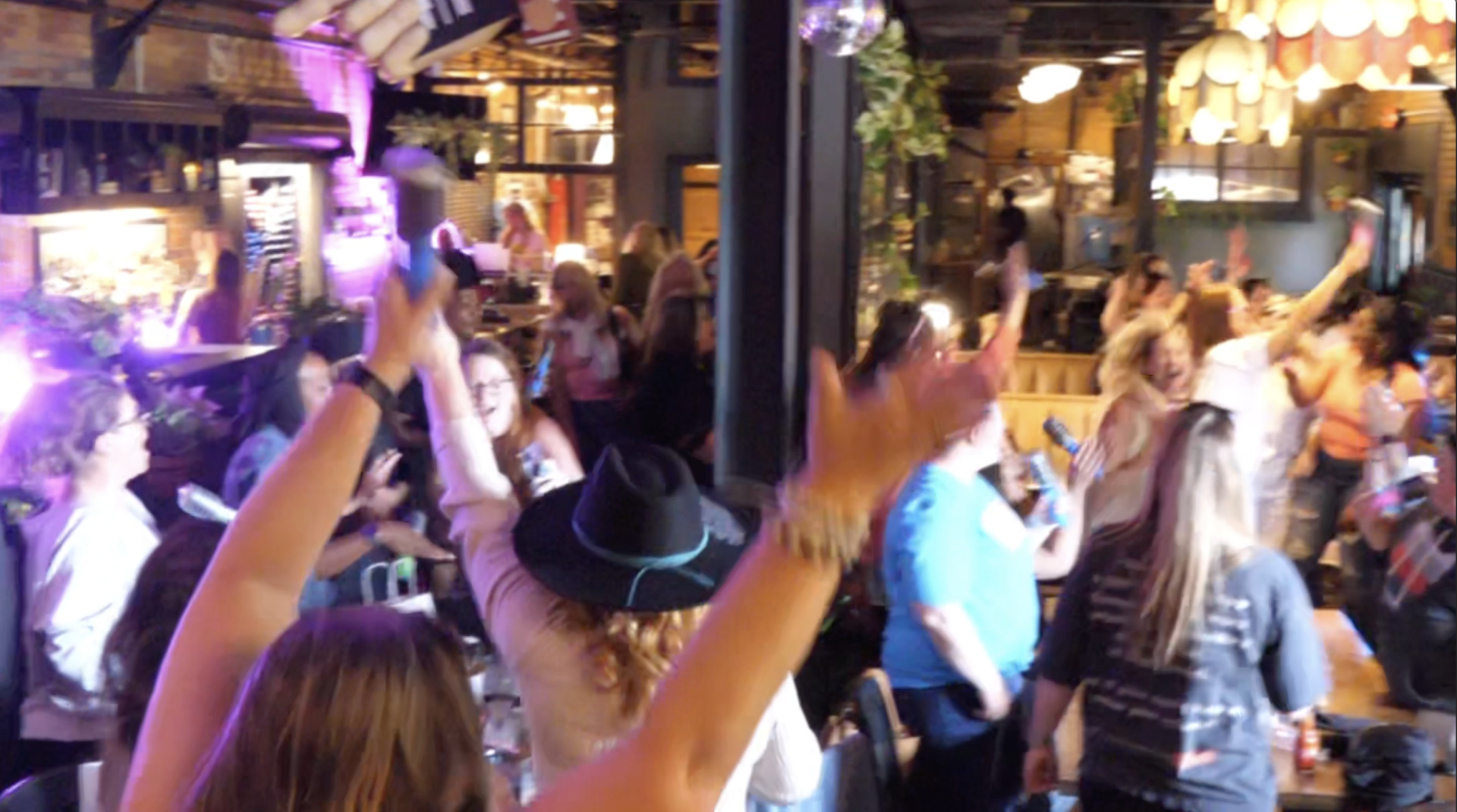
A restaurant in Marion, Ohio figured this out without a consultant or a strategy deck. Bucci’s Italian Scratch Kitchen runs a normal Italian menu most nights. Then on select Saturdays, it turns brunch into “a full-blown sing-along party”: a mimosa bar, a live piano and drums set, and a room full of strangers belting out Beyoncé and Blink-182 together. The events sell out weekly, and people travel from other states to attend. Nobody shows up for the eggs. They show up for the two hours of joy stacked on top of a kitchen that already works.
Why do customers need the basics before they’ll respond to joy
Customers judge a business on whether it did what it said it would do before they judge anything else. That’s not a cynical read. It’s simply how trust works. A weekly sing-along means nothing if the kitchen gets your order wrong or makes you wait forty-five minutes for a table you booked.
Delight only lands once satisfaction is already met. Satisfaction is “you gave me what I paid for.” Delight is “you gave me more than I expected.” You cannot skip to delight. A joyful overlay cannot make up for a business customers don’t trust to deliver.
⚠️ REALITY CHECK
If your basics are shaky right now, don’t read this article as permission to plan a sing-along brunch of your own. Read it as permission to skip the gimmicks entirely and fix what’s broken first. Joy is rung three. You don’t get there by climbing past rungs one and two.
What does frictionless customer experience mean
Friction is anything that slows a customer down or makes them work harder than they should to buy from you, use what they bought, or get a problem solved. A confusing booking page is friction. A form that asks for information you already have is friction. A hold-music loop before anyone answers the phone is friction.
Friction removal turns a business from “fine” into “easy.” Easy is the new baseline customers expect, and easy is what makes room for joy to register at all. If a customer is annoyed or confused, a fun moment on top of that annoyance reads as tone-deaf rather than delightful.
How do you find where the friction is
Walk your own customer journey the way a stranger would. Book your own appointment. Call your own business line. Read your own confirmation email. Count every step a customer takes between deciding to buy and getting what they paid for. Every unnecessary step is friction worth removing this week, without spending anything.
How to create joy in customer experience once the basics and friction are handled
Joy is the emotional peak that sits on top of a smooth experience: the moment where the customer feels glad they showed up, not merely satisfied. Research on customer memory shows people don’t remember every step of an experience evenly. They remember the emotional high point and how it ended. That means every touchpoint doesn’t need to be fun. One or two moments, chosen on purpose, become the thing customers talk about afterward.
Bucci’s found theirs in a single weekly ritual: same format, same time slot, same songs people already know. Tickets include an inflatable mic and sunglasses, which signals to guests before they even walk in that participation, not passive dining, is the point. The formula stays simple and repeatable on purpose. Complexity kills a joy moment. Consistency turns it into a destination.
💡 STRATEGY ALERT
Ask yourself: would a customer drive an hour for this moment? If the honest answer is no, you haven’t found your joy moment yet. Keep it simple, keep it repeatable, and don’t try to make every interaction a party. One well-chosen moment beats ten scattered attempts at fun.
What are simple, low-cost ways to add joy to any small business
The Bucci’s model translates well beyond restaurants. Here’s how the same basics-to-joy ladder applies across different kinds of small businesses, without adding staff or a real budget.
Professional services and consulting
Basics: proposals that arrive on time, deliverables that match what was promised, communication that doesn’t leave clients guessing. Frictionless: one point of contact, simple scheduling, no repeated intake forms. Joy: a short kickoff call with a small ritual attached, or a recurring “win wall” where you publicly celebrate a client milestone. Costs nothing but attention.
Local retail and salons
Basics: predictable hours, stocked shelves, a clean space. Frictionless: simple booking, visible pricing, a checkout that doesn’t drag. Joy: a themed hour once a month, a throwback playlist, a “customer picks the music” slot, a small tasting or demo. If you want more low-cost ideas built for exactly this kind of business, low-cost marketing ideas for small business under $50 covers a full set of them.
Online and service-based businesses
Basics: the product works as described, shipping arrives on time, support resolves the problem without a fight. Frictionless: a site that’s easy to navigate, self-service answers that answer the actual question, fast issue resolution. Joy: a genuinely thoughtful unboxing note, a short welcome video that isn’t corporate, or a live session for customers that feels like a gathering instead of a webinar.
Why does joy matter for retention and pricing power, not vibes alone
This isn’t a soft argument. Bain & Company’s research, cited widely across retention studies, found a five percent increase in customer retention rates increases profits by 25 percent to 95 percent. Retention is cheaper to buy than acquisition, and a well-placed joy moment is one of the lowest-cost retention levers a small business has.
Pricing power follows the same logic. Zendesk’s CX research has repeatedly found that a large majority of buyers say they’ll pay more for a company that provides a better customer experience. Barclays’ 2024 consumer research found roughly one in four UK adults planned to spend more on memorable experiences that year than the year before, with only 15% planning to spend less, a sign that willingness to pay for a good experience isn’t a niche preference. It’s broad and growing.
The emotional part isn’t a soft add-on either. Gallup’s long-running customer engagement research has found that emotional factors, not rational ones, drive roughly 70% of purchasing decisions. A joy moment isn’t decoration on top of a rational transaction. For most customers, it’s the thing doing the deciding.
If you’re already thinking about how to hold your price instead of discounting your way to loyalty, that conversation connects directly to how to set value-based pricing for services.
| Rung on the Ladder | The Question to Ask | Your Next Move |
|---|---|---|
| 1. Basics | Do customers reliably get what they paid for, on time, without surprises? | Fix broken delivery before adding anything fun |
| 2. Frictionless | Where do customers wait, repeat themselves, or get confused? | Walk your own customer journey and cut one unnecessary step this week |
| 3. Joy | Would a customer drive an hour for this moment? | Pick one repeatable ritual and run it consistently, not constantly |
🛑 DON’T COPY BLINDLY
Don’t try to turn every touchpoint into a party. A purely frictionless experience without a single memorable peak feels bland. A business trying to make every interaction “fun” feels exhausting and, worse, insincere. Pick one moment. Do it well. Do it consistently.
How do you find your one joy moment without overcomplicating it
Look at your own customer journey for the point where people are already emotionally engaged: arrival, first bite, first success, the goodbye. Bucci’s chose brunch, a moment people already associate with relaxation and company, and amplified it. Your version doesn’t need music or mimosas. It needs one honest answer to “what’s the moment our customers are already primed to enjoy, and how do we make it slightly more memorable?” Start there. If you want more ideas on turning ordinary moments into ones customers remember and talk about, how to show your customers some love and customer appreciation ideas based on research both cover ground worth reading.
Frequently Asked Questions
What is the basics-to-joy ladder in customer experience
The basics-to-joy ladder is a three-step framework for building customer experiences that create loyalty instead of feeling forced. The first rung is basics: reliably delivering exactly what a customer paid for, on time, without surprises or hidden steps. The second rung is frictionless service: removing anything that slows a customer down, confuses them, or makes them repeat themselves. Only after both of those are solid does the third rung, joy, take hold. Joy is one deliberate, repeatable moment that turns a routine interaction into something memorable, the kind of thing a customer tells a friend about. A business that jumps straight to joy while the basics are shaky backfires, because customers notice the gap between a fun gesture and an unreliable business, and the gesture reads as a distraction rather than a delight. Order matters more than budget here.
How did Bucci’s Italian Scratch Kitchen build a sold-out customer experience
Bucci’s Italian Scratch Kitchen, a restaurant in Marion, Ohio, runs a normal Italian dinner menu most nights and layers a weekly “Brunch, Please!” sing-along event on top of that reliable foundation. The event includes a build-your-own mimosa bar, live throwback piano and drums, and full-volume group sing-alongs to songs spanning generations, with tickets including props like an inflatable mic and sunglasses. The events sell out on a regular basis, and people travel from other states specifically to attend. What makes it work isn’t novelty alone. The restaurant’s basic operations (correct orders, managed seating, a functioning kitchen) are already solid, so the sing-along adds a genuine emotional peak instead of covering for operational problems. The format stays simple and repeatable: same venue, same rough structure, familiar songs, which explains why it has become a destination rather than a one-time stunt.
Do customers pay more for a better experience
Yes, and multiple independent studies back this up with real numbers. Zendesk’s customer experience research has repeatedly found that a large majority of buyers say they’re willing to pay a premium for companies that provide a better overall experience. Separately, Barclays’ 2024 consumer research in the UK found that a meaningful share of adults planned to increase their spending on memorable experiences, with far fewer planning to cut back, suggesting this isn’t a fringe preference but a broad and growing one. For a small business, this means investment in experience isn’t a soft, feel-good expense. It’s a direct lever on pricing power: customers who feel genuinely cared for and entertained are less likely to comparison-shop purely on price, because the relationship itself has value they don’t want to lose by switching to a cheaper competitor.
How do you find the one moment worth turning into a joy experience
Start by mapping your customer’s full journey and identifying the point where they’re already emotionally engaged, rather than trying to invent excitement from scratch. Common candidates include the moment of arrival, the first bite or first use of a product, the point where a customer achieves a first success, or the goodbye at the end of an interaction. The test for whether you’ve found the right moment is simple: would a customer drive an hour, or go out of their way, specifically for this? Bucci’s found theirs in brunch, a time slot people already associate with leisure and company, and amplified it with a sing-along ritual rather than inventing an unrelated gimmick. Once you’ve identified the moment, keep the execution simple and repeatable rather than constantly reinventing it. Consistency is what turns a single fun experience into a reason customers keep coming back and telling others.
Why shouldn’t a small business add fun before fixing the basics
Adding fun before the basics are solid backfires because it highlights the gap between what a business promises and what it delivers. A customer who waits too long for a table, gets the wrong order, or struggles through a confusing booking process won’t be charmed by a fun gesture layered on top of that frustration. If anything, the mismatch between the effort spent on entertainment and the effort missing from basic service reads as tone-deaf and leaves customers more annoyed rather than less. The basics-to-joy ladder exists precisely because delight works as an addition to trust, not a substitute for it. A business with shaky fundamentals is better served fixing delivery, timing, and communication first. Joy becomes an effective differentiator only once customers already trust that a business will reliably deliver what it promised.
Additional Reading
[ad_2]
Source_link