Summary
Effective email personalization requires unified customer data, real-time segmentation, dynamic content, and cross-channel orchestration. Platforms that combine these capabilities in one solution can deliver faster personalization while reducing integration complexity and costs.
There is a specific moment every customer relationship management (CRM) or marketing operations leader recognizes: you have set up your email personalization stack carefully, connected the tools, briefed the team, and the campaigns still take weeks to launch because the data is not where the email tool expects it to be.
A behavioral signal fired on your website, but by the time it synced to your email platform, the purchase window had already closed. That latency gap is not a configuration problem. It is a structural one.
The email personalization software market contains many capable point solutions that solve one part of this problem exceptionally well and paper over the rest with integration promises.
Choosing the right platform requires understanding what “full-stack” email personalization actually means in functional terms, where today’s most recognized vendors have structural limitations, and what to demand from any tool before you sign a contract.
What email personalization software actually needs to do
The four layers every credible platform must cover
True email personalization is not about inserting a first name or pulling in a recently viewed product. It is an end-to-end capability that rests on four interdependent functional layers.
- Data unification is where everything starts. Without a single, continuously updated profile that stitches together behavioral, transactional, and demographic data across touchpoints, every personalization decision downstream is working from an incomplete picture. A platform that relies on external data feeds introduces latency and error at the very foundation.
- Real-time segmentation turns unified data into actionable audiences. The distinction that matters here is between batch segmentation, where audiences refresh once or twice a day, and real-time segmentation, where a user’s segment membership updates the moment their behavior changes. For time-sensitive categories like travel, fashion, or flash sales, that difference frequently determines whether an email is relevant or ignored.
- Dynamic content rendering is the layer most vendors demonstrate in sales calls because it is the most visible. It covers AI-powered product recommendations, personalized subject lines, behavioral trigger logic, and layout adaptation by device or segment. A platform’s sophistication here is only as good as the data and segmentation layers feeding it.
- Cross-channel orchestration is where many ostensibly full-stack tools quietly stop. Coordinating an email trigger with a simultaneous push notification, an onsite banner, and a retargeting ad requires a single decision engine that can read a customer’s real-time state and suppress, accelerate, or redirect messaging accordingly. Without this layer, channels run independently and customers receive contradictory experiences.
Why buyer confusion is so common
Vendors that excel at one or two of these layers routinely market themselves as full-stack personalization solutions.
A platform with outstanding dynamic content capabilities but no native customer data platform (CDP) can still claim to personalize at scale, provided you supply it with clean, pre-segmented data from somewhere else.
Buyers typically discover that gap after purchase, when the engineering bill arrives and the campaign timelines begin to slip. Understanding the four-layer framework before entering any vendor conversation is the most reliable way to avoid that outcome.
Where category leaders fall short
Braze
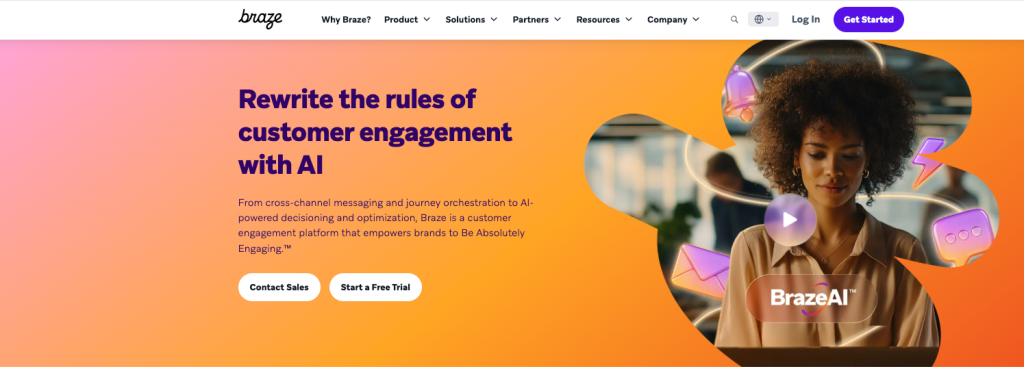
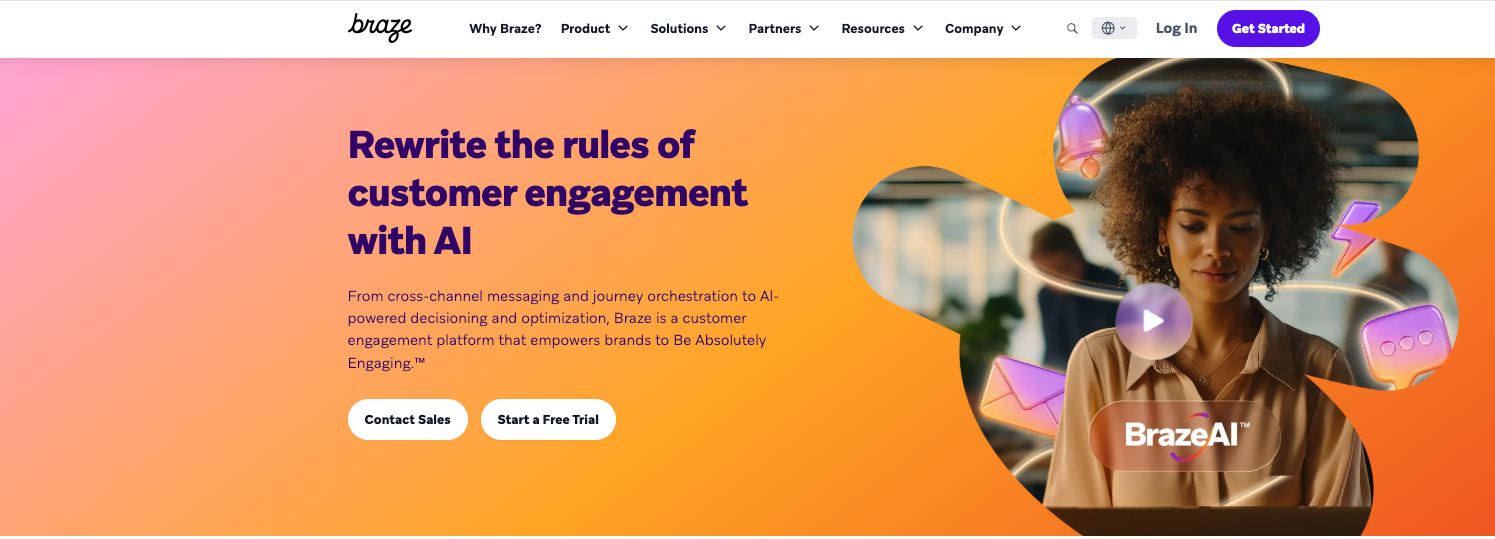
Braze is a strong cross-channel engagement platform, particularly for mobile-first use cases. Its documented gap is the absence of a native CDP. Braze relies on your team to deliver pre-unified, properly attributed customer data through its API or a connected data warehouse. That dependency adds engineering overhead, increases time-to-first-campaign, and means any delay in your data pipeline directly delays personalization firing. For teams without a mature data engineering function, that gap carries real cost.
Adobe Experience Cloud
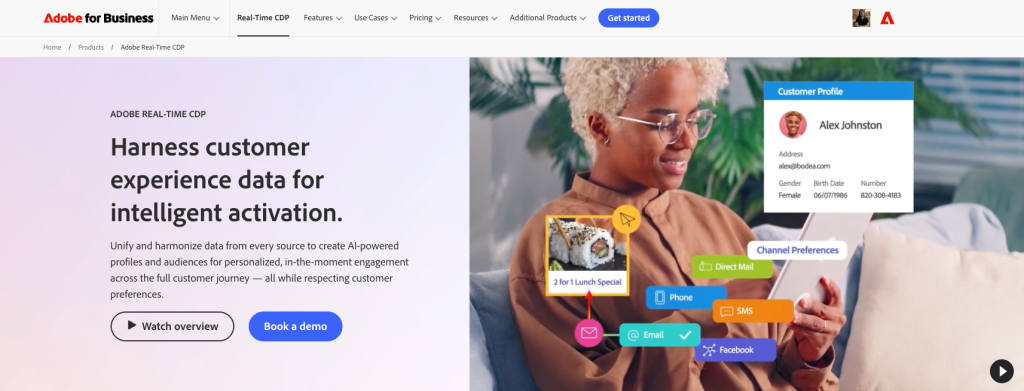
Adobe Experience Cloud offers broad capabilities across data, content, and analytics, but its depth comes with significant implementation complexity. Time-to-value is commonly measured in months rather than weeks, and realizing its personalization capabilities often requires certified partners or dedicated technical resources. For mid-market teams that need campaign velocity, that overhead is a meaningful constraint.
Salesforce Marketing Cloud
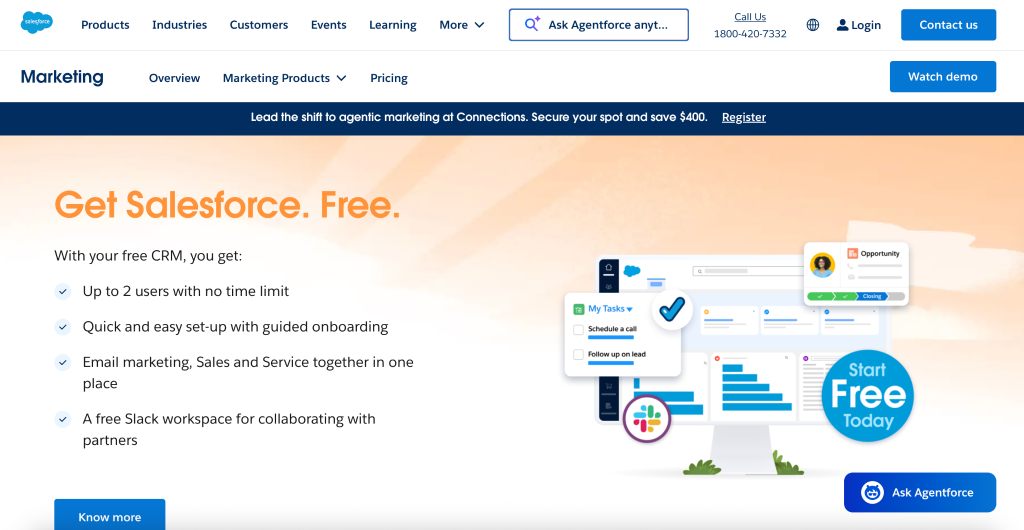
Salesforce Marketing Cloud is deeply embedded in many enterprise stacks and offers strong CRM integration, but its journey-building and personalization capabilities require substantial configuration investment. Teams frequently report that building and updating behavioral journeys demands technical resources that marketing cannot control independently.
Klaviyo
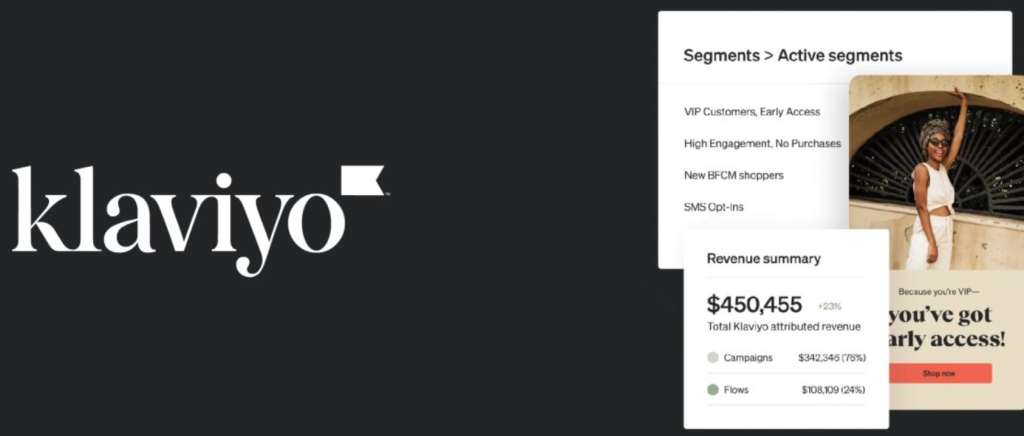
Klaviyo offers genuinely strong email segmentation and automation for their respective markets, and Klaviyo in particular has built a loyal base in ecommerce. The structural limitation for both, based on their current publicly documented feature sets, is scope: personalization stays largely within the inbox.
Neither platform natively extends personalization logic to onsite experiences, app interactions, or paid media audiences in a way that gives a marketer a single decisioning view of the customer.
If your strategy requires the same behavioral signal to trigger an email, an onsite overlay, and a suppressed social ad simultaneously, you are building that coordination outside both platforms.
The hidden cost of gap-filling
The real risk in choosing a point solution is not the license fee; it is the compounding cost of filling the gaps. A separate CDP license, a data integration layer, an additional journey orchestration tool, and the engineering time to keep them synchronized add up quickly.
More critically, every seam between tools is a potential point of data latency, sync failure, or attribution error. Teams running stitched stacks often find that campaign velocity slows as audience scale increases, precisely when they need personalization to move fastest.
Capabilities that consistently correlate with higher conversion
When evaluating email personalization software on revenue impact rather than feature count, four capabilities consistently separate high-performing platforms from the field.
- Built-in predictive segmentation identifies users who are likely to purchase, likely to churn, or likely to respond to a specific offer, without requiring a data scientist to build those models. Platforms that offer this as a native, marketer-accessible feature allow teams to act on predictive signals within campaigns without routing requests through analytics teams.
- AI-powered product recommendations go beyond “customers also viewed.” A mature recommendation engine reads affinity signals, price sensitivity, inventory levels, and seasonal context to surface the specific product most likely to convert for each individual. Insider One’s Smart Recommender operates at this level, drawing on unified behavioral data to drive relevance across email and onsite surfaces simultaneously.
- Behavioral trigger automation is only as fast as the underlying data layer. Platforms with native data collection can fire a cart abandonment sequence within seconds of a session ending. Platforms dependent on external data feeds may fire the same trigger hours later, after the customer has already purchased elsewhere or lost interest entirely.
- Anonymous visitor personalization is an often-overlooked capability with meaningful top-of-funnel impact. A platform that can serve personalized email capture experiences, recommend content, and build behavioral profiles for visitors before they identify themselves expands the addressable audience significantly. Many point solutions begin personalization only after a user is known and cookied.
Why real-time activation outperforms batch segmentation
Batch segmentation is a legacy architecture that made sense when processing power was expensive and data volumes were lower.
A platform that refreshes audiences once a day is building personalization on yesterday’s behavior, which is particularly damaging for high-velocity signals like price-drop interest, browse abandonment, and promotional urgency.
Real-time data activation, where a behavioral event updates a user’s profile and can trigger a personalized communication within milliseconds, is the standard that revenue-driving platforms now need to meet.
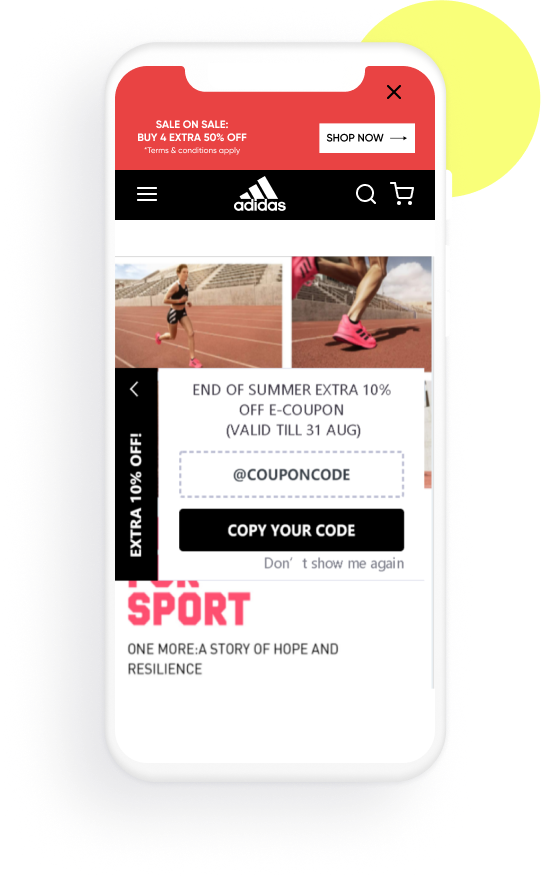
Adidas achieved a 259% increase in average order value and a 13% increase in conversion rate in a single month working with Insider One, driven substantially by personalized onsite and email experiences that responded to real-time behavioral signals rather than static segment membership.
How to evaluate and compare platforms before you buy
A practical evaluation checklist
Before committing to a platform, walk every vendor through these specific questions rather than accepting a pre-built demo.
- CDP nativity: Does the platform maintain unified customer profiles internally, or does it require an external data source to function? If external, what is the typical latency between a behavioral event and a personalization trigger
- Implementation timeline: What is the median time from contract signing to first live personalized campaign for a team of your size and technical maturity? Ask for references from comparable customers, not showcase accounts
- Channel breadth: Can the same behavioral signal trigger personalized experiences across email, push notifications, onsite, SMS, and paid media from a single workflow, or does each channel require a separate configuration
- Non-technical marketer access: Can a marketer without SQL or developer support create and update behavioral segments, personalized templates, and automated journeys independently
- Peer review signals: Check ratings on Gartner Peer Insights and G2 from customers in your industry and at your scale. Aggregate scores are useful; the specifics of negative reviews are more useful still
- Total cost of ownership: Request a full architecture diagram of what the vendor’s platform replaces versus what it still requires you to bring. License cost alone is not a useful comparison metric
Evaluation traps to avoid
Brand recognition is not a capability proxy. Several of the most recognized names in email and marketing automation have well-documented architectural constraints that create friction at scale. Evaluate capability depth against your four-layer framework, not against market share or category placement.
Integration complexity is consistently underestimated. A vendor that requires several months of implementation before you can run your first personalized campaign is not a fast path to revenue, regardless of what the platform can ultimately do. Ask specifically about realistic implementation timelines rather than theoretical capability ceilings.
Total cost of ownership deserves scrutiny at the architecture level, not just the license level. A platform that appears affordable upfront but requires a separate CDP, a data warehouse connection, and ongoing engineering support may be materially more expensive than a unified solution with a higher headline price.
Why a unified platform outperforms a stitched stack
The compounding advantage of keeping data, decisioning, and delivery together
Every additional tool in a personalization stack introduces a potential failure point. Data syncs break, segment definitions drift between systems, and attribution becomes difficult to reconcile.
Beyond reliability, a stitched stack slows campaign velocity: a marketer who needs to update a behavioral segment must touch multiple systems, wait for syncs, and hope the logic translates correctly across every seam.
A unified platform, where the CDP, AI engine, segmentation, dynamic content, and cross-channel orchestration share the same data layer, eliminates most of that friction.
Campaigns can be built, updated, and launched faster. Personalization logic is consistent across channels because it runs from a single customer profile, and attribution is clean because every touchpoint is recorded in the same system.
MadeiraMadeira achieved a 52X return on investment using Insider One’s Architect for cross-channel journey orchestration, a result that reflects what becomes possible when data, decisioning, and delivery operate from the same foundation rather than being coordinated across separate tools.
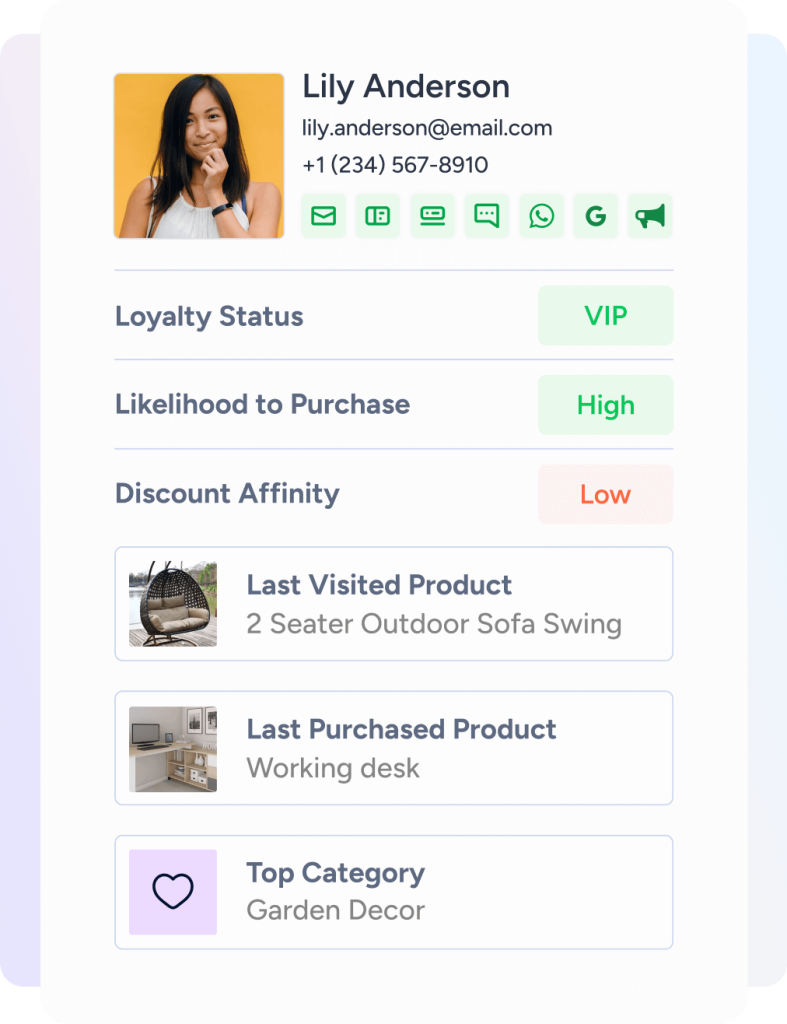
Insider One’s platform brings together Customer Data Management, Insider One AI™ for predictive intelligence, Smart Recommender, and Architect for cross-channel journey orchestration across 12-plus channels.
For teams evaluating a consolidation move, it offers a meaningful alternative to maintaining separate tools for data, email, and journey orchestration.
If you want to see how Insider One’s Smart Recommender, Architect, and Customer Data Management turn live customer data into coordinated, revenue-driving experiences, book a personalized demo to see the exact use cases, decision logic, and growth levers most relevant to your team.
Frequently asked questions
Email personalization software specifically focuses on tailoring email content, timing, and targeting to individual recipients based on behavioral, demographic, and transactional data. A marketing automation platform is broader, covering campaign scheduling, lead management, and workflow automation across multiple channels.
Many platforms claim to do both; the practical distinction is whether personalization logic is driven by real-time behavioral data or by static rules and scheduled triggers. Insider One’s Customer Data Management layer is what makes the former possible without relying on a separately licensed CDP.
It depends on your existing data infrastructure. If your team already operates a mature, real-time customer data platform (CDP) that feeds clean, unified profiles to downstream tools, a platform without a native CDP can still function well. For teams without that infrastructure, or where engineering resource is constrained, a platform with built-in customer data management removes a significant dependency and compresses time-to-first-campaign considerably.
Prioritize data latency, segmentation flexibility, and cross-channel reach over headline AI features. An AI recommendation engine is only as valuable as the behavioral data feeding it and the channels it can act across. Ask vendors to demonstrate how quickly a behavioral event translates into a live personalization decision, and whether that decision can simultaneously influence email, onsite, and paid media without a separate workflow for each channel.