Looking for the best PRM software for your team? Honestly, it wasn’t a question I expected to be answering as a marketer until I started working closely with our partnerships team and heard their struggles firsthand. Tracking leads and partner performance? A mess. Communicating across teams? Chaos. Scaling without the right systems in place? Nearly impossible.
So I dug into the world of partner relationship management (PRM) software and spent weeks reading through G2 reviews to find out what’s actually working for teams in 2026. Here are the 5 best PRM software for 2026 I recommend: impact.com, Salesforce Partner Cloud, PartnerStack, ZINFI Unified Partner Management, and Impartner PRM. If you’re a channel manager, partner ops lead, or reseller program owner, this guide is for you.
TL;DR
- Top products: After reading tons of G2 reviews, I narrowed it down to impact.com, Salesforce Partner Cloud, PartnerStack, ZINFI Unified Partner Management, and Impartner PRM, easily some of the most reliable partner relationship management tools out there, especially if you’re trying to figure out which PRM software actually has the best reviews.
- Key features: What made these stand out for me were things like easy deal registration, incentive and MDF management, real-time reporting, and strong partner portals, basically everything you’d expect from platforms that help boost revenue and improve partner collaboration without all the usual chaos.
- Use cases: Whether you’re running a SaaS company, managing a remote team, or just need something simple for a small business starting out with partnerships, I found solid options for every stage: from the best app for partner relationship management to systems that can handle global teams.
After seeing how many teams struggle with partner management, I wanted to actually figure out what’s the most recommended partner relationship management software out there, and that’s what this guide is all about.
5 best PRM software for 2026: My top picks
- impact.com: Best for affiliate, influencer, and referral programs
Manages partner discovery, commissioning, and tracking across affiliate and referral channels in one platform. (Pricing on request) - Salesforce Partner Cloud (formerly Salesforce PRM): Best for enterprises already in the Salesforce ecosystem
AI-powered partner scoring, channel management console, and deep CRM integration for multi-tiered programs. (Pricing on request) - PartnerStack: Best for SaaS companies scaling partner programs
B2B SaaS-focused platform with a large partner marketplace, gamification, and automated commissioning. (Pricing on request) - ZINFI Unified Partner Management (UPM): Best for end-to-end partner lifecycle management
Full-suite PRM with onboarding, deal registration, through-channel marketing, and AI-driven analytics. (Pricing on request) - Impartner PRM: Best for scaling structured, customizable partner programs
Deep segmentation, lifecycle workflow automation, and strong CRM sync for mid-market and enterprise teams. (Pricing on request)
*These are the top-rated software solutions in the PRM software category, according to the G2 Summer 2026 Grid Report, and have more than 100 verified G2 reviews. Pricing for all products listed is available upon request from each vendor.
5 best PRM software that made my shortlist
In my understanding, PRM software is to partnerships what a CRM is to sales. It helps manage relationships with partners, whether you’re working with resellers, distributors, affiliates, or any type of channel partner. And honestly, while a lot of big companies lean on these tools, I also found plenty of options that work great if you’re just looking for the best partner relationship management software for small businesses that need to stay organized early.
From what I understood, it’s not just about managing partner data. It’s about solving real challenges I’ve seen our partnerships team face. Like automating deal registration so there’s no risk of duplicate entries, providing real-time analytics to track partner performance across channels, sharing lead opportunities automatically, centralizing enablement materials like playbooks or co-branded assets, and even managing MDF (Market Development Funds) distribution without the usual back-and-forth chaos.
A good PRM tool doesn’t just simplify life for the partnerships team. It also makes things easier for marketing. I’ve seen users highlight how easy it becomes to upload and manage marketing collateral, especially for campaigns involving channel partners. Everything lives in one centralized hub, keeping both internal teams and external partners aligned.
Adopting a PRM solution often means saying goodbye to scattered spreadsheets, long email threads, and disconnected tools. And since my own partnerships team works across time zones, I saw firsthand how important it is to pick the best PRM software for remote teams that keeps everyone on the same page no matter where they’re working from.
How did I find and evaluate the best PRM software?
First, I started with the G2 Grid Reports to build a shortlist of the PRM software with the best reviews, because honestly, if hundreds of people are raving about something, it’s usually a good place to start.
Then, I used AI to summarize reviews of users of these tools on G2. This helped me spot trends: common praises, recurring frustrations, and how each tool stacked up from the perspective of other users. By the end, I had a clear picture of what works and what doesn’t.
I also looked up demos of these tools and found that they provided enough functionality to help me really understand their value.
All the insights I got from my team were verified against trusted G2 reviews. The screenshots in this article include a mix of those sourced from G2 vendor pages and publicly available material.
What makes the best PRM software: My checklist
After spending weeks evaluating PRM tools, I realized these are the things that really separated the top PRM platforms to improve partner collaboration from the rest when I dug into the reviews and demoed the platforms.
- Ease of partner onboarding: To me, a good PRM tool should make onboarding new partners as smooth as possible. I looked for features like automated workflows, customizable onboarding templates, and clear progress tracking. It’s not just about getting partners signed up; it’s about equipping them with the tools, training, and resources they need to hit the ground running.
- Centralized partner portal: A partner portal is non-negotiable. This is where partners access resources, training materials, certificate courses, deal registrations, and communication channels. I read up reviews on how intuitive these portals were. Could partners find what they needed without constant back-and-forth? And was it easy for the internal team to upload and manage materials? I also explored if they have single sign-on (SSO) capabilities and role-based access controls, which ensure partners only see the information relevant to their role.
- Robust reporting and analytics: For me, visibility is key. I prioritized PRM tools that offered detailed performance metrics, both at the individual partner level and across the entire channel. I focused on platforms that let users see real-time insights on deal registrations, sales performance, MDF utilization, and partner engagement so the partnerships team could make data-driven decisions. Customizable dashboards, real-time reporting, and advanced analytics with filters for region, partner tier, or product category were other important features. APIs for data export and integration with BI tools like Tableau or Power BI were also high on my list.
- Incentive and MDF management: One thing I kept hearing from the partnerships team was how tricky it is to manage channel incentives and MDF. The best PRM software simplifies this by automating the approval processes, tracking usage, and providing transparency for both the team and partners.
- AI-driven partner insights: This one became impossible to ignore in 2026. The best PRM platforms now go beyond static dashboards, using AI to score partner performance, recommend next-best actions for channel managers, surface high-intent opportunities, and flag partners who may be disengaging before it becomes a problem. I looked for tools where AI wasn’t just a buzzword but was actively embedded into deal management, lead routing, and partner enablement workflows.
- Scalability: The ability to scale was a major factor. Whether you’re managing a handful of partners or hundreds across multiple regions, the best PRM software should handle growth without any hiccups. I evaluated how these tools supported multi-language capabilities, multiple time zones, and customizable workflows for different partner tiers. The system should also handle partner segmentation by tiers, regions, or verticals without breaking a sweat.
- Integration with other tools: No software operates in a vacuum. I looked into how well each PRM tool integrated with CRMs (Salesforce, HubSpot), marketing automation tools, and even communication platforms like Slack. Having open APIs or pre-built connectors for platforms like Slack, Teams, or Google Workspace gets extra points. The goal was to avoid creating silos and build a cohesive tech stack that works together.
- Security and compliance: I checked the tools’ compliance reviews with various standards like GDPR, SOC 2, and ISO 27001. Other must-haves include encryption for data at rest and in transit, secure authentication options (like MFA), and preferably a detailed audit trail for tracking activity.
These technical specifications helped me identify the 5 best PRM software that truly deliver after evaluating more than 10 solutions. Now, they may not check all the boxes on my list, but they’re built to address the real needs of partnership teams, in my opinion.
The list below contains genuine user reviews from the PRM Software category. To be included in this category, a solution must:
- Offer portals to communicate and exchange information and content between a company and its partners, and optionally with prospects or customers.
- Provide onboarding, training, and certification of partners.
- Manage who has access to what information and decide which access rights are available for each user, group, role, etc.
- Include workflows, notifications, and alerts defined based on business rules for major business processes that involve the company and its partners.
- Track and measure the effectiveness of MDF, co-op, and co-branded partner activities.
*This data was pulled from G2 in 2026. Some reviews may have been edited for clarity.
1. impact.com: Best for affiliate, influencer, and referral programs
impact.com immediately caught my eye because it’s designed for affiliate and influencer marketing and referral programs, which feels super aligned with where a lot of partner programs are headed. But honestly, what really impressed me is how many users called it the most user-friendly PRM software they’ve tried. The interface just makes sense.
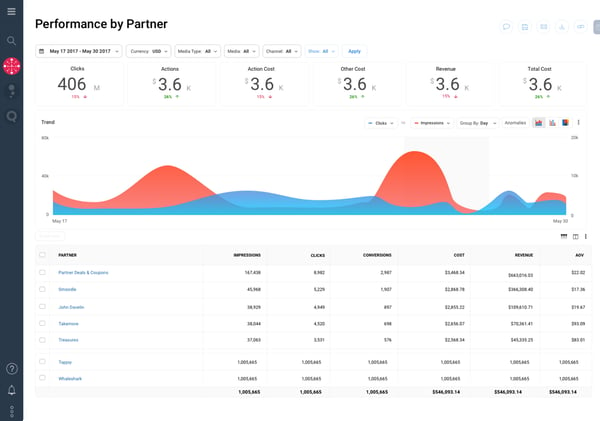
The core strength of impact.com comes from its simple-to-use interface. Users say it is one of the best they’ve seen across different platforms. It simplifies everything from automating partner screening and bulk approval or rejection of applications to detailed referral URL reports and configuring brand portals. G2 Data shows impact.com holds a 86% satisfaction rating for ease of use in the PRM category, which tracks with just how consistently users call out ease of use as a reason they stay on the platform.
G2 reviewers consistently highlight the dynamic commissioning feature. It’s not just flat-rate payouts; users mention the ability to build flexible reward structures based on partner performance, customer journey stages, specific SKUs, or even hybrid models with exclusions. According to feedback, the platform rarely feels limiting when it comes to setting up complex commission logic.
Transaction tracking also earns strong praise. Many reviewers say it offers clear visibility into every step of the purchase journey: clicks, conversions, and which partner was involved, across channels like referral, social, and content publishing. It’s often called essential for understanding channel performance at a deeper level.
Where impact.com doesn’t always meet expectations is in its reporting flexibility. Some reviewers noted limitations around customizing reports to extract more specific insights, particularly when trying to break data into granular segments or build reports tailored to specific campaign needs. It’s not a dealbreaker for most, but for teams that rely heavily on detailed reporting to drive channel strategy, it’s worth knowing going in. The platform does integrate well with external BI tools for teams that need to go deeper.
Still, even with that gap, impact.com is a powerful platform for managing affiliates, influencers, and referral partners all in one place. It keeps everything organized and gives you the flexibility to scale, which is exactly what a growing partner program needs.
What I like about impact.com:
- I find the interface genuinely one of the cleanest in this space. Everything from partner screening to referral URL reports just flows without you having to fight the platform to get things done.
- The dynamic commissioning is a real standout. Being able to build reward structures around partner performance, journey stages, or specific SKUs gives teams flexibility that flat-rate payout tools simply can’t match.
What G2 users like about impact.com:
“impact.com stands out for its ability to efficiently manage and scale multiple affiliate and partnership campaigns from a single platform. The reporting and tracking are highly accurate and transparent, giving us clear visibility into performance and ROI. We also appreciate the responsive and knowledgeable support team, which has consistently provided quick and effective assistance.”
– impact.com review, Shweta R.
What I dislike about impact.com:
- The reporting tools work, but they’re not as customizable as I’d expect at this level. G2 users sometimes have trouble getting the granular insights they need, especially when trying to segment data beyond the standard views. That said, the platform connects well with external BI tools for teams that need more depth.
- A few reviewers also pointed out that users without a technical background, particularly those unfamiliar with tools like Google Tag Manager, may need extra support during initial setup. Once past that ramp-up, though, most describe day-to-day use as straightforward.
What G2 users dislike about impact.com:
“While impact.com is generally excellent, onboarding with certain brands can sometimes take longer than expected, and not all merchants are quick to approve partnerships.”
– impact.com review, Olaleye P.
Managing affiliates and influencers alongside your channel partners? Take a look at the best affiliate marketing software to see what tools complement your PRM setup.
2. Salesforce Partner Cloud: Best for enterprises already in the Salesforce ecosystem
When it comes to Salesforce Partner Cloud (formerly Salesforce PRM), it’s impossible to ignore the reputation that comes with the Salesforce name. I mean, if you’re in sales or marketing, you probably know Salesforce is practically the gold standard for CRMs, but their Partner Cloud offering was a new find for me. I took the time (with my partnership team’s input and G2 reviews) to check out how it stacks up.
Salesforce Partner Cloud slots right into the Salesforce ecosystem if you’re already using their CRM. If you’re trying to find the best partner management system for increasing revenue, this one makes a strong case, especially for bigger, multi-tiered partner programs.
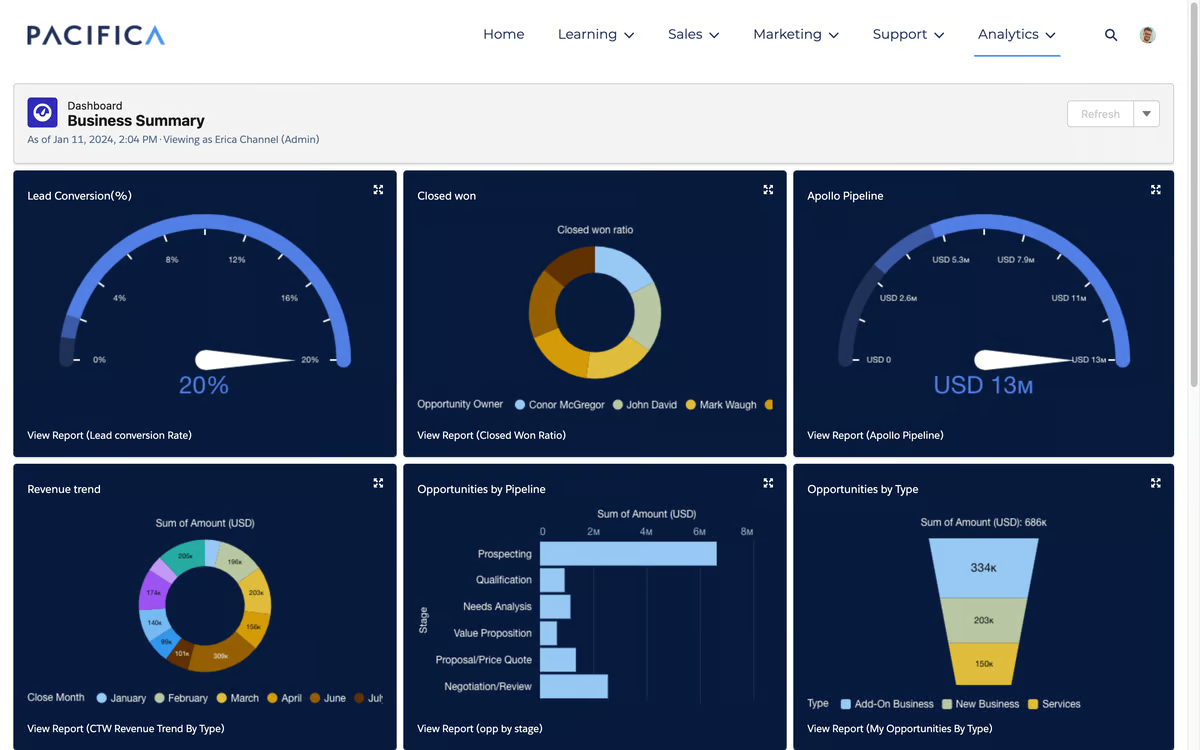
Based on my research, what really sets Salesforce Partner Cloud apart is how easily it integrates with the rest of the Salesforce ecosystem. For teams already working within Salesforce CRM, the Partner Cloud feels like a natural extension. It fits right in, making data sharing, deal tracking, and analytics incredibly smooth while cutting out any unnecessary duplication.
The channel management console also stood out to me. Users mentioned that it offers pre-built reports and dashboards that give channel managers a clear, real-time view of partner activities and performance. This allows them to track deal progress, partner engagement, and key metrics without having to dig through scattered data.
Salesforce also brings its AI expertise into the mix in a meaningful way. I read several reviews that mentioned features like AI-generated lead and opportunity scoring, paired with Agentforce capabilities for automated partner emails and deal summaries, that helped teams connect partners with the best opportunities and gave channel managers actionable guidance on where to focus. In 2026, this is no longer just a nice-to-have; it’s genuinely reshaping how enterprise partner programs operate.
The one consistent challenge G2 users flag is the steep setup curve, especially for organizations not already embedded in the Salesforce ecosystem. The initial configuration of partner roles, permissions, and integrations takes real time and often requires admin or developer expertise to get right. If your team isn’t already comfortable with Salesforce, plan for that investment upfront, because the platform rewards those who go in prepared.
Despite that, Salesforce Partner Cloud is one of the best tools in the market for a comprehensive, scalable solution for managing complex multichannel partnerships. For enterprise-level businesses or organizations already invested in the Salesforce ecosystem, especially those managing multi-tiered, global partner programs, it’s hard to argue against it.
What I like about Salesforce Partner Cloud:
- I consistently see users highlight how seamlessly it fits into existing Salesforce workflows. Data sharing, deal tracking, and reporting all feel connected rather than bolted on.
- The AI-driven features, particularly lead scoring and Agentforce-powered deal summaries, stand out. They help partners prioritize the right opportunities and keep channel managers working from better information.
What G2 users like about Salesforce Partner Cloud:
“Salesforce Partner Cloud offers a single partner portal where everything needed by partners, like deal registration, training resources, and updates, is available in one place. This centralized access means partners can just log in once and have access to everything they need, which is really convenient and efficient.”
– Salesforce Partner Cloud review, Ajay R.
What I dislike about Salesforce Partner Cloud:
- Getting set up for the first time is genuinely demanding. G2 users echo this consistently: it takes significant time, effort, and often external admin or developer support to get everything configured properly. For teams already running on Salesforce, though, that investment pays off quickly.
- Performance can feel slow with large data volumes, and building custom reports takes more effort than expected. Teams that rely on Salesforce’s native BI ecosystem tend to work around this more easily.
What G2 users dislike about Salesforce Partner Cloud:
“One downside is that initial setup and customization can feel a bit complex, especially when defining partner roles and access levels. Some features also depend heavily on Salesforce configuration, so small changes often require admin support.”
– Salesforce Partner Cloud review, Adarsh D.
New to selling through partners? Get up to speed on channel sales — how it works, when it makes sense, and what it takes to scale it effectively.
3. PartnerStack: Best for SaaS companies scaling partner programs
PartnerStack stood out to me because it’s so clearly built for SaaS companies trying to scale fast. In fact, I’d say it’s easily one of the best apps for partner relationship management if you want something that feels like it was made for SaaS from the start.
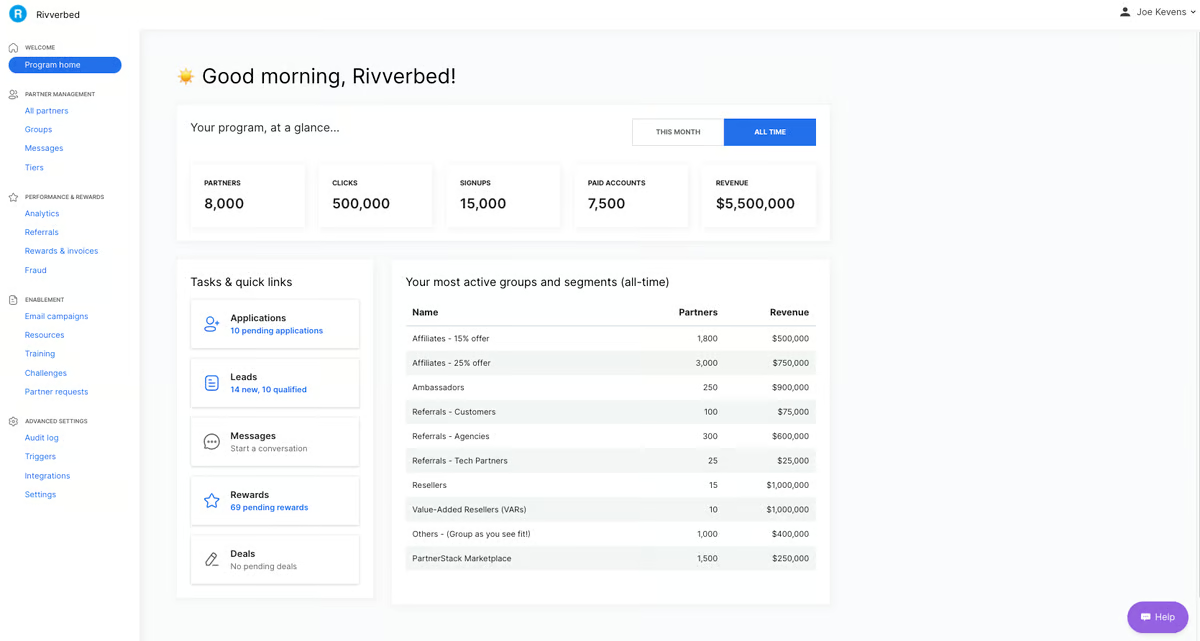
What really sets it apart is its network of B2B-ready partners that users can tap into right away. It’s not just a tool; it’s an ecosystem that connects people with affiliates, resellers, and other channel members ready to collaborate and drive results. I can imagine this feature alone saving so much time and effort when you’re looking to scale your program quickly.
The automated payout system is another aspect reviewers consistently bring up. Once a partner earns a commission, the platform handles the calculation, approval, and payment without any manual back-and-forth. G2 reviewers describe this as one of the biggest time-savers on the platform, especially for teams managing a high volume of partner transactions every month.
The centralized dashboard also gets consistent love. Instead of managing multiple logins across different programs, users can track every partner’s performance, commissions, and activity in one place. G2 reviewers managing upwards of nine or ten affiliate partnerships at once describe it as a genuine time-saver, the kind of efficiency gain that compounds as a program scales.
Where PartnerStack gets more nuanced feedback is around its reporting depth. Users appreciate that the data is there, but wish it could be broken into more detailed segments to provide deeper, more actionable insights for channel managers. It’s functional, and for most growing SaaS programs it covers the bases, though teams with complex analytics needs may eventually want more granularity than the current toolset offers.
Honestly, if you’re in SaaS and you’ve been wondering which is the leading PRM tool for software companies, PartnerStack comes up again and again in conversations, and I can see why.
What I like about PartnerStack:
- I love how PartnerStack drops you into a network of B2B-ready partners from day one. It removes so much of the early-stage friction of building a program from scratch.
- The automated payout system is a genuine relief for anyone who has managed commissions manually before. Partners get paid accurately and on time, and the whole process runs without anyone having to chase it.
What G2 users like about PartnerStack:
“PartnerStack’s most valuable feature is its centralized dashboard, which streamlines the entire partnership lifecycle. Unlike manual tracking, it offers a ‘one-stop shop’ for managing multiple programs, tracking performance in real-time, and accessing marketing assets instantly.”
– PartnerStack review, MD N.
What I dislike about PartnerStack:
- The reporting and analytics could go deeper. G2 users wish the data could be broken into more granular segments, though for most growing SaaS programs the current view covers what you need day to day.
- Payout clearance timelines vary by brand policy, which can feel slow for high-volume programs. Once a program’s terms are set, the process itself is reliable and consistent.
What G2 users dislike about PartnerStack:
“What I don’t like about PartnerStack is that some features can feel a bit limited and, at times, finding certain options within the dashboard can take time. It would also be helpful to have more customization options for reports and partner management. Overall, it works well, but there is still room for improvement.”
– PartnerStack review, Verified User
4. ZINFI Unified Partner Management (UPM): Best for end-to-end partner lifecycle management
ZINFI Unified Partner Management (UPM) is one of the recognized solutions in the PRM space. After spending time exploring reviews and opinions about it, I can see why it’s a strong choice. ZINFI is absolutely feature-packed, and that’s something users truly appreciate. From marketing automation and campaign development to deal management and enablement, it feels like they’ve thought of everything.
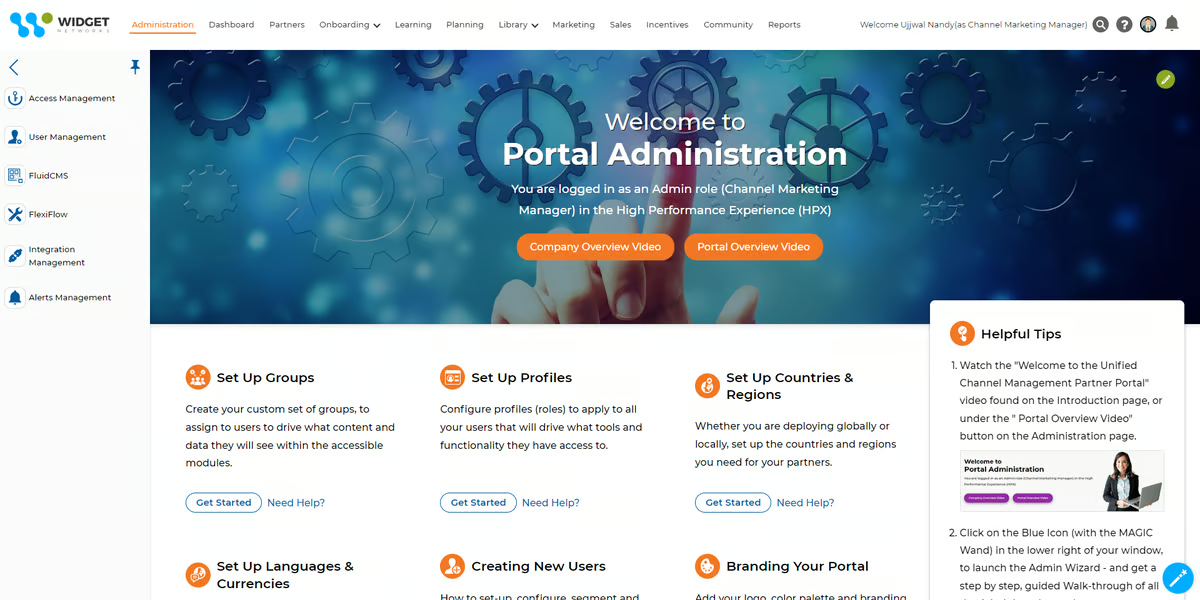
One thing I really appreciated reading the user feedback was how ZINFI makes creating and managing partner campaigns straightforward. Its templates are incredibly helpful; they save time and ensure everything looks polished without needing extra design or technical work.
ZINFI’s partner portal is another remarkable feature that allows channel partners to access all materials for enablement, deal management, and marketing campaigns for their products in one place, based on what I heard from some of the channel partners using ZINFI-powered portals.
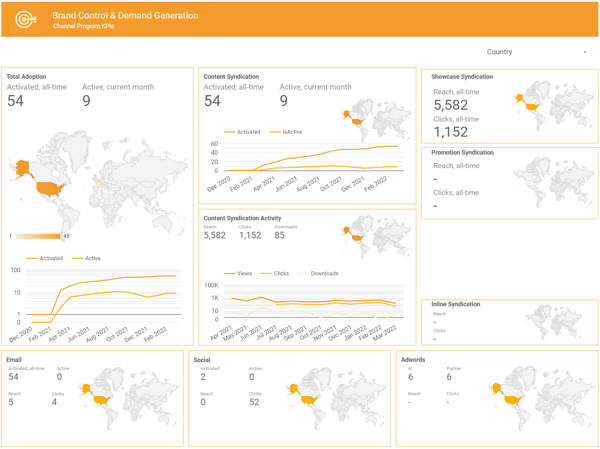
The marketing automation capabilities also receive real praise. They give marketing teams the ability to centralize everything from developing campaigns to launching and monitoring them, all in one place. Whether it’s web-syndicated landing pages, email marketing, or social media campaigns, ZINFI lets marketers launch integrated campaigns in just a few clicks.
One area where ZINFI draws fairly consistent feedback is navigation. Several G2 reviewers noted that completing tasks often requires more clicks than expected, and moving between sections or reports can feel less intuitive than modern platforms. For teams that invest time in learning the layout, this quickly becomes manageable, and ZINFI’s support team is responsive when users need guidance getting oriented.
All that considered, ZINFI is an excellent choice for mid-sized to enterprise-level businesses, especially tech companies like IT resellers, service providers, or channel-driven industries where the breadth of the platform actually gets put to use.
What I like about ZINFI Unified Partner Management (UPM):
- I appreciate how ZINFI brings every part of the partner lifecycle into one platform. From marketing automation to deal management, it’s like having a Swiss Army knife for channel management, genuinely versatile and efficient.
- The campaign templates make a real difference for teams that need to move fast. Running integrated campaigns without needing extra design or technical support is a significant time-saver.
What G2 users like about ZINFI Unified Partner Management (UPM):
“ZINFI UPM brings all partner-related activities into a single platform, making management far more organized and efficient. It streamlines critical processes such as onboarding, training, lead management, and performance tracking, which saves significant time for both internal teams and partners.”
– ZINFI Unified Partner Management (UPM) review, Vijay M.
What I dislike about ZINFI Unified Partner Management (UPM):
- Navigating between sections and reports can feel clunkier than expected early on, and some workflows involve more steps than necessary. Regular use smooths most of this out, and the underlying capability makes the extra navigation worthwhile.
- Certain modules, particularly reporting and loading large datasets, can feel slow during peak usage. For most day-to-day workflows, it’s reliable, and ZINFI continues to ship performance improvements regularly.
What G2 users dislike about ZINFI Unified Partner Management (UPM):
“Because of its rich feature set and wide range of capabilities, new users may experience a brief learning curve. That said, this feels more like a reflection of the platform’s depth and flexibility than a functional limitation, and it becomes easier to navigate with regular use.”
– ZINFI Unified Partner Management (UPM) review, Ashish C.
5. Impartner PRM: Best for scaling structured, customizable partner programs
Impartner PRM caught my attention because it’s one of the few platforms that genuinely scales alongside complex, multi-model partner programs without forcing you to compromise on the partner experience. From reseller and referral programs to technology and distribution partnerships, it handles the full range, and G2 reviewers who run large programs notice the difference.
The standout quality I kept seeing in 2026 reviews is deep customization and segmentation. Impartner lets teams build custom audiences based on virtually any parameter, then show or hide specific content, portal sections, and resources based on partner type, tier, or region. For organizations that need partners to feel like the portal was built specifically for them rather than a generic one-size-fits-all experience, this level of control is genuinely valuable.
The workflow automation across the partner lifecycle is another major strength. Users consistently highlight how Impartner automates actions like data updates, email sending, and certification processes from onboarding through sales management, reducing the manual overhead that bogs down most channel operations teams. The fact that these setups are described as “simple” by admins who have run complex programs is telling.
What also comes through strongly in recent reviews is the CRM sync and deal visibility. Impartner makes it straightforward for partners to register referrals, and those leads flow cleanly into CRM platforms without the usual friction. Partners can see opportunities move through pipeline stages in real time, which builds trust and encourages them to keep using the portal rather than reverting to email.
The area where Impartner asks for the most patience is its on-demand learning resources. Several G2 users noted that without a dedicated technical resource involved from the start, the initial setup can stretch out considerably. The platform is powerful, but it rewards teams who invest in a proper implementation. Organizations that plan ahead for a structured rollout consistently report a much smoother experience.
For mid-market and enterprise organizations building serious, structured partner programs that are meant to scale, Impartner PRM is one of the stronger options in this category. The support team earns consistent praise, and that responsiveness makes a real difference during setup and beyond.
What I like about Impartner PRM:
- I appreciate the segmentation depth. Being able to build custom portal experiences based on partner type, tier, or region and control exactly what each audience sees is a level of personalization most PRM platforms don’t come close to matching.
- The workflow automation across onboarding, certification, and sales management genuinely reduces the manual overhead that bogs down channel operations. Simple setup, meaningful time savings.
What G2 users like about Impartner PRM:
“I use Impartner PRM to manage relationships with our Reseller, Referral, and Technology partners for onboarding, training, communication, and to give them a tool to track their sales. I love the workflows because they allow us to automate actions such as data updates and email sending, making it easy to manage all phases of partner relationships from onboarding to sales management to certification processes with simple setups.”
– Impartner PRM review, Alessandra C.
What I dislike about Impartner PRM:
- On-demand learning resources are limited, and without a technical contact involved early, setup can stretch out longer than expected. Impartner’s support team is genuinely responsive, so teams that lean on them tend to move through it much faster.
- Some portal sections are fixed and require a support ticket to adjust, which can slow things down for teams with specific localization or branding needs. For most standard program setups, the out-of-the-box configuration is flexible enough to cover the bases.
What G2 users dislike about Impartner PRM:
“There are not really great e-learning or on-demand support resources in Impartner PRM. Without a technical resource you’re working with, it makes it really hard to learn the tool and figure out what exactly you need to do for your specific need or want. On-demand guided learning options could be a lot better.”
– Impartner PRM review, Joseph S.
While I’ve shared my top picks with you, there are a few tools that didn’t make the final list but still deserve a mention for their unique strengths. Based on my evaluation, here’s what I think they excel at:
- Introw is worth a look for smaller teams that need a focused, no-frills approach to managing reseller and referral relationships without the overhead of a full enterprise PRM.
- EULER is a newer entrant in the space, from what I noticed, with a lean feature set that suits early-stage programs still figuring out their partner motion.
- Mindmatrix PRM combines partner enablement with advanced marketing automation, making it a strong contender for businesses prioritizing both.
- Kiflo PRM is lightweight and effective, and I’d say is perfectly suited for startups and small businesses managing partnerships and deals.
- Channeltivity stands out for channel-focused teams that want solid deal registration, MDF management, and partner portal capabilities in a mid-market-friendly package.
Frequently asked questions (FAQs) on PRM software
Got more questions? We have the answers.
1. What features should I look for in the best PRM software?
Personally, I looked for tools that made onboarding smooth, handled deal registration, managed incentives and MDF, offered strong analytics, and integrated easily with CRMs. In 2026, I’d also add AI-driven partner insights to that list. The best PRM software now uses AI to surface high-intent opportunities, score partner performance, and recommend next actions, which makes a real difference at scale.
2. What is the most trusted PRM software by large software vendors based on user reviews?
Based on G2 reviews from large software vendors and channel-focused teams, Salesforce Partner Cloud and ZINFI Unified Partner Management consistently come up as the most trusted options. Impartner PRM is also well-regarded among large vendors running structured, multi-tier reseller programs.
3. How do I choose the right PRM software for my business?
It really depends on your setup. If you’re a SaaS company, there are options built for that. If you’re a small business looking for your first PRM tool or managing remote partners across time zones, other platforms shine there. I tried to include options that cover all of those situations.
4. Which PRM software enables partners to access training and co-marketing assets independently?
ZINFI Unified Partner Management and Impartner PRM are the strongest options here. Both give partners self-serve access to training modules, certifications, co-branded campaign templates, and marketing assets directly from the partner portal, enabling partners to access training and co-marketing assets independently and effectively. PartnerStack also does this well for SaaS-focused programs, with a clean partner-facing dashboard where affiliates and resellers can find everything they need independently.
5. What types of businesses benefit most from PRM software?
I saw SaaS companies, small businesses, fast-scaling remote teams, and global enterprises all using PRM software in slightly different ways. But honestly, anyone running a partner program can benefit from having a proper system in place instead of spreadsheets.
6. How does PRM software differ from CRM software?
CRM tools manage direct customer relationships. PRM software is more about managing partners, resellers, distributors, affiliates, and helping channel managers better support them. Think of it as a CRM, but built around the partner relationship rather than the end customer.
7. Is there a best partner relationship management software for small businesses?
Yes. Not every small business needs something super complex. When I looked at the options, tools like Kiflo or Channeltivity stood out as some of the best partner relationship management software for small businesses. They’re focused, easier to get started with, and don’t overwhelm you with features you don’t need yet.
8. What’s the best PRM software for remote teams?
Since my partnerships team works across different time zones, I really paid attention to this one. Tools that offered strong centralized partner portals and easy collaboration, like ZINFI and Salesforce Partner Cloud, felt like the best PRM software for remote teams trying to stay synced across locations.
9. Which is the best app for partner relationship management if I’m in SaaS?
For SaaS companies, I kept seeing PartnerStack come up again and again. It’s not just a tool; it connects you to a network of B2B partners out of the gate. Honestly, if you’re looking for the best app for partner relationship management that’s made for SaaS growth, PartnerStack is tough to beat.
10. Which is the highest-rated PRM software for scaling partner productivity at enterprise scale?
For enterprise-scale partner productivity, Salesforce Partner Cloud and ZINFI UPM stand out most consistently on G2. Both handle complex, multi-tier programs well, with the depth of automation and analytics that large channel teams actually need.
11. What is the most reliable PRM software based on reviews from channel directors?
Based on G2 reviews from channel directors, impact.com and ZINFI Unified Partner Management come up most consistently for reliability. Impartner PRM also earns consistent praise from channel directors running large, structured reseller programs.
12. Which PRM software simplifies partner onboarding across distributed reseller channels?
Impartner PRM and ZINFI UPM are one of the best PRM Software that simplifies partner onboarding across distributed reseller channels for your specific needs. Both automate onboarding tasks, certifications, and portal access across partner types and regions, which makes a real difference when you’re managing a distributed reseller network at scale.
13. What is the top PRM software for companies with 100+ resellers across multiple regions?
For companies managing 100+ resellers across regions, Salesforce Partner Cloud and ZINFI UPM are the most capable options. Impartner PRM is also worth evaluating for its segmentation depth and ability to deliver personalized portal experiences by region and partner type.
14. What are the best PRM software platforms for managing technology reseller networks?
For technology reseller networks, ZINFI UPM and Impartner PRM consistently stand out. ZINFI covers deal registration, MDF, enablement, and through-channel marketing in one platform, while Impartner excels at building structured, tiered programs with segmented content and workflows.
15. Which PRM software avoids delays in partner portal provisioning and maintenance across your organization?
PartnerStack and impact.com are generally cited for fast portal setup and low maintenance overhead, particularly for SaaS and affiliate programs. For more complex programs, Impartner PRM’s automated provisioning workflows reduce the admin burden significantly.
16. Which PRM software integrates with leading CRM platforms for unified pipeline visibility?
Salesforce Partner Cloud is the most native option for teams already on Salesforce, syncing deal registration and partner activity directly into the CRM. ZINFI UPM integrates with Salesforce, Microsoft Dynamics, SAP, and Oracle, making it a strong choice for teams not locked into one CRM.
17. Which PRM software provides transparent deal registration and commission tracking?
PartnerStack is frequently highlighted for transparent commission tracking, with partners able to see earnings, pending amounts, and payout timelines clearly. impact.com is equally strong for affiliate and referral commission visibility, with detailed transaction-level tracking across channels.
Partner up, level up!
After spending weeks evaluating these PRM tools, I’ve learned that the real magic of a great platform isn’t just about fancy features. It’s about how it empowers your partners and simplifies your life. Each platform I reviewed has its own unique strengths, and choosing the right one depends on what your business really needs.
For me, this wasn’t just an exercise in ticking boxes. I worked with my partnerships team and dug into G2 user sentiment to explore what truly works, and what doesn’t, when managing a complex partner ecosystem. From intuitive dashboards to customizable commission structures, these tools made me understand how much easier channel management can be when you have the right systems in place.
The truth is, PRM software isn’t just a tool. It’s the backbone of a successful partner strategy. It’s the difference between a scattered, chaotic program and one that drives growth, engagement, and loyalty. So, whether you’re managing resellers, affiliates, influencers, or distributors, there’s a PRM out there that can help you take your program to the next level.
At the end of the day, your partners deserve a flawless experience, and you deserve a solution that gives you clarity, scalability, and control. My advice? Don’t settle. Find the PRM that feels like a true extension of your team. Because when your partners succeed, so do you.
Want specialized tools for just tracking and managing channel incentives? Take a look at the best channel incentive management software.
“`html