Summary
- Omnichannel marketing automation only works when one unified customer profile feeds every channel decision, not five separate campaign tools guessing independently
- Generic cart-abandonment flows waste margin when they ignore behavioral, transactional, and profile-attribute differences, sending the same offer to customers with very different needs
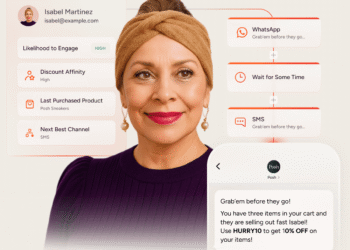
- Configured journey rules can sequence email, WhatsApp, web push, or SMS using engagement, consent, eligibility, and customer data
- Shared journey governance and send-history review help teams reduce channel fatigue and protect deliverability across their stack
- Configure tracking and measurement from day one so teams can evaluate journey performance using their attribution setup
You’ve got email, SMS, WhatsApp, and web push running in parallel, but separate workflows can make it difficult to coordinate what each channel sends. A customer can receive a discount email after abandoning their cart, followed by a push notification with a different offer and a WhatsApp message that contradicts both. Omnichannel marketing automation is the practice of orchestrating channel experiences from unified customer data so messages can be consistent, timely, and governed by configured journey rules.
This guide is for lifecycle, customer relationship management (CRM), and growth marketers at mid-market and enterprise B2C brands who own retention and need a workflow, not another platform comparison. You’ll get a five-step operational playbook: unify data, map triggers, let channel logic decide delivery, run industry-specific workflows, and tie every touch back to revenue.
What omnichannel marketing automation looks like when it actually works
Real omnichannel automation uses a single trigger event, such as a completed purchase or an abandoned browse session, to begin a coordinated journey across relevant channels. Teams configure eligibility, sequencing, and timing rules using customer and engagement data so the journey can respond appropriately to recent activity.
The execution standard is simple to state and hard to hit: channel experiences draw on a unified customer profile, teams define how recent activity affects eligibility, and campaigns are measured through their configured tracking and analytics setup.
Brands that get this right treat channels as delivery mechanisms for one strategy, not as separate departments competing for the same customer’s attention. Journey Orchestration in Insider One Architect helps teams build cross-channel customer journeys across web, app, email, SMS, push notifications, WhatsApp, and more using a unified customer profile.
Leroy Merlin used this coordinated approach to increase ecommerce revenue by 8.8%, building journeys where channels responded to real customer behavior instead of firing on a fixed schedule regardless of what the customer had already seen or done.
Where execution breaks down for omnichannel marketing automation
Most cart-abandonment workflows stop at “send an email after 30 minutes,” and that single-scenario thinking can waste margin. A workflow that ignores behavioral events, purchase history, and profile attributes can treat customers with different needs the same way and send the same offer to both.
That structural blind spot compounds fast once you add channels. A brand running email, SMS, and web push without shared segmentation logic ends up sending three overlapping discount offers to the same low-value segment while high-intent, full-price customers get ignored entirely. The result is margin erosion on customers who would have converted anyway, plus fatigue on customers who now expect a discount before they’ll buy.
Complexity compounds further when teams add channels without adding coordination. Each new channel is another team, another tool, and another set of triggers that were never designed to check what the others already sent. Consider what typically goes wrong versus the fix:
- The flawed approach: Marketing, lifecycle, and paid teams each own separate tools, each fires independently, and no one checks send history before triggering the next message
- Why it fails: Customers can receive duplicate or contradictory offers, teams may overuse discounts, and disconnected systems make it harder to govern total touches
- The better approach: One customer data layer feeds configured journey logic, allowing teams to use profile and engagement data when defining eligibility and sequencing across channels
The data and orchestration layer teams usually miss
Behind many broken omnichannel flows is a data problem: customer identity may not be resolved across devices and channels, so the “same” customer can appear as different people to different systems. Reliable orchestration depends on collecting appropriate identifiers and configuring identity-resolution rules before journeys are activated.
This dependency shows up as latency and missed timing more than outright failure. A customer browses on mobile, then completes a purchase from a laptop an hour later, and if those sessions aren’t stitched into one profile, the automation still fires an abandonment message for a purchase that already happened. That’s not a channel problem; it’s an identity and data unification problem sitting underneath the channel layer.
A Customer Data Management approach provides the foundation for unifying behavioral, transactional, and channel-engagement data into customer profiles before journey logic runs. With collected user attributes, events, product data, and configured identity-resolution settings, teams can build segmentation from relevant first-party data rather than relying on incomplete, channel-specific views. Customer Data Management becomes the foundation for personalization and cross-channel journeys, not an optional add-on after campaigns are already built.
How to fix omnichannel marketing automation without adding more channel chaos
The fix isn’t adding another channel or another point solution. It’s sequencing five specific steps that put data and decisioning ahead of channel execution, so every new channel you add makes the system smarter instead of noisier.
Step 1: unify the data before you touch a single workflow
Collect the identifiers, user attributes, behavioral events, product data, and purchase data needed to build unified profiles across relevant touchpoints, then configure identity-resolution settings before activating journeys. Every downstream decision, from segmentation to journey timing, depends on this foundation, and skipping it means workflows inherit the same blind spots.
Step 2: map triggers to real behavior, not calendar dates
Replace fixed-schedule campaigns with behavioral triggers such as cart abandonment, browse abandonment, a purchase event, or a subscription renewal approaching. Segment each trigger using documented behavioral events, transactional data, and relevant profile attributes so content and offers fit the audience.
Step 3: let channel logic decide delivery, not habit
Build configured journey rules around engagement, consent, eligibility, and business requirements rather than where your team has always sent messages. If a customer consistently engages on WhatsApp but not email, teams can use that data when designing channel sequencing and reviewing contact governance.
Clarins México applied this kind of channel-aware routing and grew WhatsApp sales 20x using chatbot-driven conversations tied to real customer signals instead of blanket broadcast sends.
Step 4: run industry-specific workflows, not generic templates
A retail brand’s browse- or purchase-based workflow looks different from a subscription business’s renewal workflow, and a travel brand’s booking-abandonment sequence needs different timing than a SaaS trial-expiry flow. Build the journey logic around available data, then adjust content, cadence, and channel mix by industry pattern:
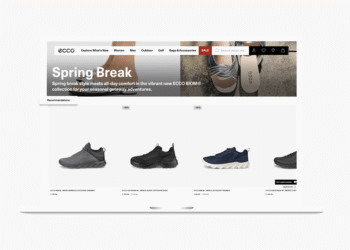
- Retail: use browse and cart events to begin a journey, then personalize follow-up content with AI-powered product recommendations where the relevant product-data integration is in place
- Travel: use booking-intent events to begin a timely follow-up journey, with conversational shopping and support available where teams need assistance across messaging channels
- Subscription and SaaS: use renewal timing, product activity, and relevant profile attributes to tailor lifecycle messaging, and use experimentation to refine content and timing
Step 5: tie every touch back to revenue
Define tracking requirements before journeys launch, rather than treating measurement as an afterthought. Tag sends with the trigger, segment, and channel so teams can evaluate journey performance through their configured tracking and attribution setup.
KFC used this kind of trigger-to-outcome tracking to achieve a conversion rate uplift of more than 5%, proving specific workflow changes against measurable results instead of relying on channel-level vanity metrics.
What to evaluate before choosing a platform
Choose a platform based on whether it can support unified profiles, configured cross-channel journeys, and measurement requirements, not only on how many channels it lists on a features page. For Insider One, the differentiated value is a unified customer profile activating Architect-led personalized journeys alongside segmentation, AI assistance, recommendations, conversational experiences, and experimentation in one platform.
The criteria that matter at scale are specific:
- Does it support the identifiers, data ingestion paths, and identity-resolution settings needed to build unified profiles
- Can teams configure the contact-governance, eligibility, and sequencing controls their channel strategy requires
- Does it support segmentation using behavioral events, transactional data, and relevant user attributes
- Does it provide the analytics and tracking compatibility needed for your measurement and attribution approach
- Does it support your specific channel mix, including WhatsApp, email, and web push, without requiring separate tools for each
Each of these criteria matters more as you scale, since a coordination gap that costs a few wasted sends at 10,000 customers costs significant margin and deliverability at ten times that volume. Review our guide on marketing automation workflows for more detail on structuring trigger logic before you evaluate vendors.
Conclusion
Omnichannel marketing automation succeeds or fails on data unification and implementation-aware journey logic, not channel count. Brands that collect the right identifiers and events, map triggers to real behavior, and configure journeys around consent, eligibility, and customer data can deliver more relevant experiences and measure performance through their selected setup. The next step isn’t adding a channel; it’s strengthening the data and orchestration layer underneath the channels you already have.
To evaluate the fit of Journey Orchestration and Customer Data Management for your use case, book a personalized demo to review your goals, data requirements, and implementation constraints with the Insider One team.
Frequently Asked Questions
It’s the coordination of triggers, segmentation, and channel delivery using unified customer profiles, so , SMS, , and can be planned from the same customer data instead of operating as isolated campaigns. The goal is more consistent messaging governed by configured journey rules rather than a fixed campaign calendar.
Cross-channel customer engagement describes messaging across multiple channels, while omnichannel marketing automation adds the orchestration layer that teams configure for channel sequencing, timing, and eligibility using unified data. Without that coordination, cross-channel efforts can duplicate or contradict each other.
Generic cart-abandonment flows can send the same discount to every customer regardless of their behavior, purchase history, or profile attributes, training some customers to expect offers they may not need. Segmenting with relevant first-party data before triggering an offer helps teams tailor content and protect margin.
Define contact-governance, eligibility, and sequencing rules across relevant channels so teams can reduce redundant follow-up messages. This requires a shared view of relevant customer data and a journey design that accounts for recent engagement.
It should connect sends to their trigger, segment, and channel, then evaluate performance through the tracking and attribution approach your organization has configured. Defining this before launch makes measurement more useful than trying to reconstruct it afterward.