[ad_1]
LLMO Basics: How to Increase AI Visibility Through Links
LLMO is a newer term people use to describe optimizing content for AI-generated answers.
You’ll also see terms like GEO, AEO, AI SEO, and LLM optimization used in very similar ways.
But in practice, they all point toward the same goal: improving visibility inside AI search systems like ChatGPT, Google Gemini, Microsoft Copilot, Perplexity, and Google AI Overview results.
The important thing to understand is that this does not replace traditional SEO.
Large language model systems still rely heavily on content already performing well in traditional search. They pull information from pages Google already trusts, then synthesize answers from those sources.
So the foundations are still mostly the same.
You still need content people actually want to read. You still need optimization, topical authority, and links from authoritative sources. The difference is that now the goal is not only ranking a web page in traditional search results, but also getting your brand mentioned directly inside AI-generated answers.
In this guide, we’ll break down how LLMO works, how on-page and off-page optimization influence AI visibility, and why targeted link building has become such a big part of modern AI search optimization.
Key Takeaways:
- LLMO and LLM optimization are mostly extensions of traditional SEO focused on improving visibility inside AI-generated answers.
- AI systems and large language model platforms still rely heavily on pages already performing well in traditional search.
- On-page LLMO focuses on making content easier for AI crawlers and AI systems to parse and summarize accurately.
- Off-page LLMO is heavily driven by brand mentions, authoritative sources, and placements on pages already influencing AI responses.
- Link building now helps with both traditional search rankings and AI visibility across Google AI Overview results, ChatGPT, and other AI platforms.

Link building cheat sheet
Gain access to the 3-step strategy we use to earn over 86 high-quality backlinks each month.
What is LLMO?
LLMO stands for Large Language Model Optimization.
You’ll also see people call it:
- LLM optimization
- LLM SEO
- LLMO SEO
- AI SEO
- GEO
- AEO
But they all essentially mean the same same thing.
Improving visibility inside AI search systems and AI-generated answers.
That includes platforms like ChatGPT, Google Gemini, Microsoft Copilot, Perplexity, Bing Chat, and Google AI Overview results.
The important thing to understand is that LLMO is not replacing traditional SEO.
A lot of people talk about AI search like it completely changed how visibility works online, you have to think about how it really works.
Large language model platforms pull information from authoritative sources already performing well organically, then synthesize that information into an answer.
They don’t have any separate way to crawl the web or rank websirtes.
So the foundations are still mostly the same:
- Good content
- Strong optimization
- Topical authority
- Brand mentions
- Links from authoritative websites
The difference is that now the goal is not only ranking a web page in traditional search.
Now you also want your brand appearing directly inside AI responses.
On-Page LLMO
On-page LLMO comes down to structure.
AI systems are constantly parsing and summarizing content, so the easier your content is to understand, the easier it becomes for AI crawlers and large language model systems to pull information from it accurately.
That does not mean writing robotic content purely for AI.
The goal is still creating useful content for human readers first. You’re just structuring it in a way that makes it easier for AI systems and AI models to process.
In practice, that means:
- Direct answers to questions
- Concise explanations
- Clear headings
- Lists and tables
- Structured data
- Strong topical organization
- FAQ and key takeaways sections
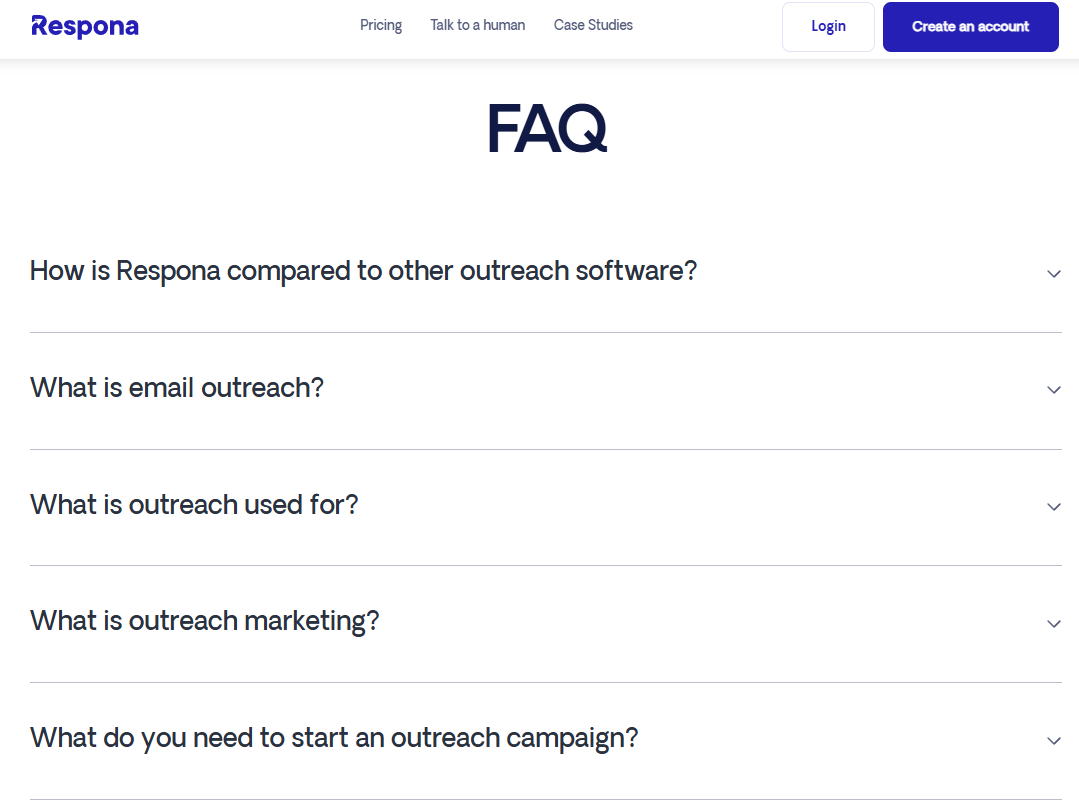
This is the same type of optimization that already worked for featured snippets and traditional search.
The difference now is that AI systems use those same structural signals to generate summaries, AI responses, and conversational AI answers.
For example, if someone asks an AI assistant a specific question, the system pulls from content that clearly matches user intent and is easy to parse quickly.
That’s why messy walls of text tend to perform worse for both AI search and traditional SEO.
Schema markup, FAQ sections, definitions, comparison tables, and concise summaries all help AI tools and AI engines interpret pages more accurately and generate better answers from them.
Off-Page LLMO
Off-page LLMO is mostly targeted link building.
The difference is that now you are not only building links for rankings and link equity. You are also building brand mentions on pages already influencing AI responses.
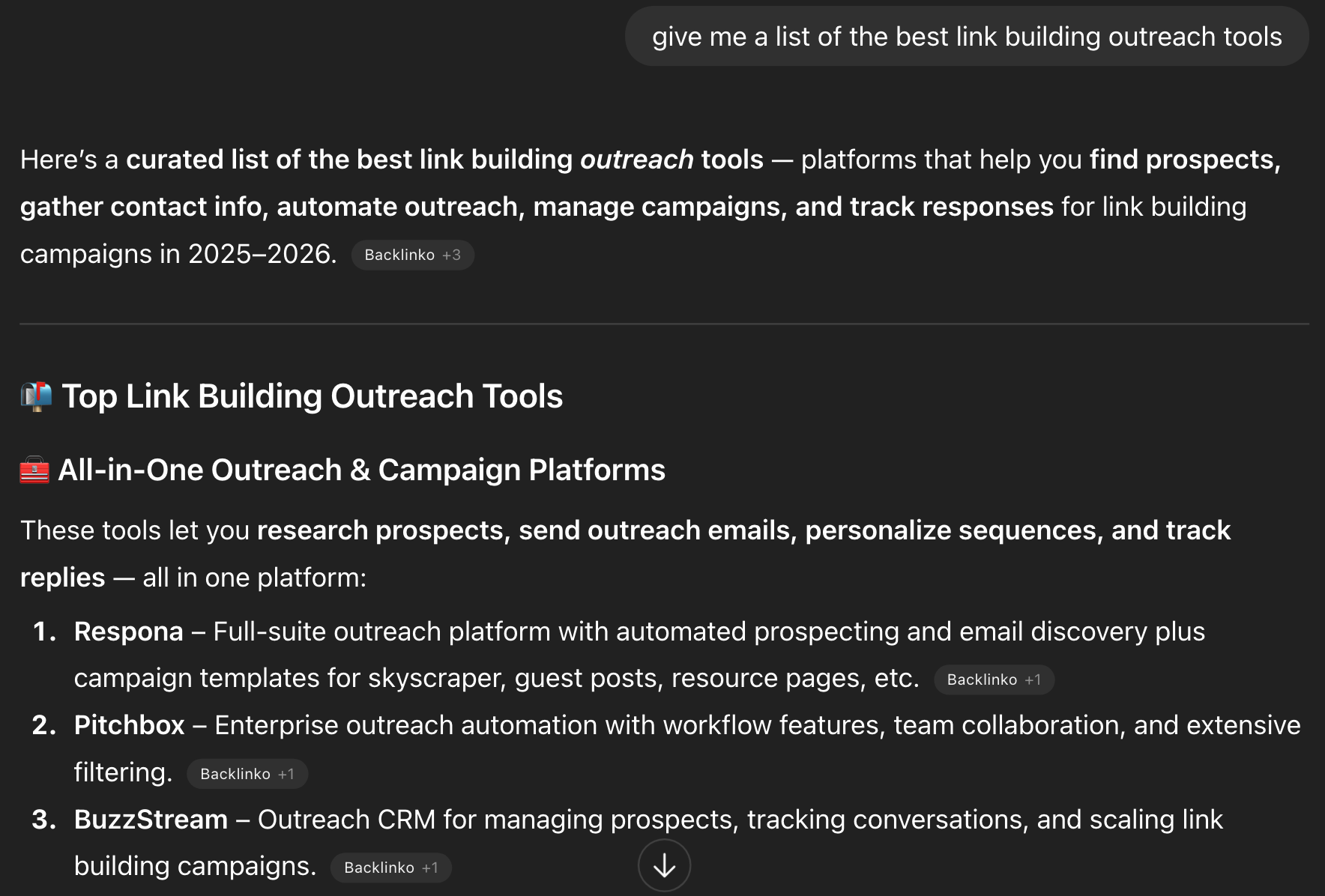
Large language model systems and AI search platforms constantly pull recommendations, summaries, and citations from listicles, comparison pages, roundup articles, and other trusted sources already performing well in traditional search.
So if your brand gets mentioned on those pages, there’s a much higher chance it starts appearing inside AI-generated answers too.
Off-page optimization revolves heavily around:
- Brand mentions on authoritative sources
- Placements on pages already ranking well
- Visibility inside AI search results
- Contextual mentions tied to relevant topics and queries
For example, if a roundup article ranking highly for “best outreach software” gets cited inside Google AI Overview, ChatGPT, or another AI assistant, every company mentioned there gains additional AI visibility whether users click through or not.
That’s a huge change from traditional search behavior.
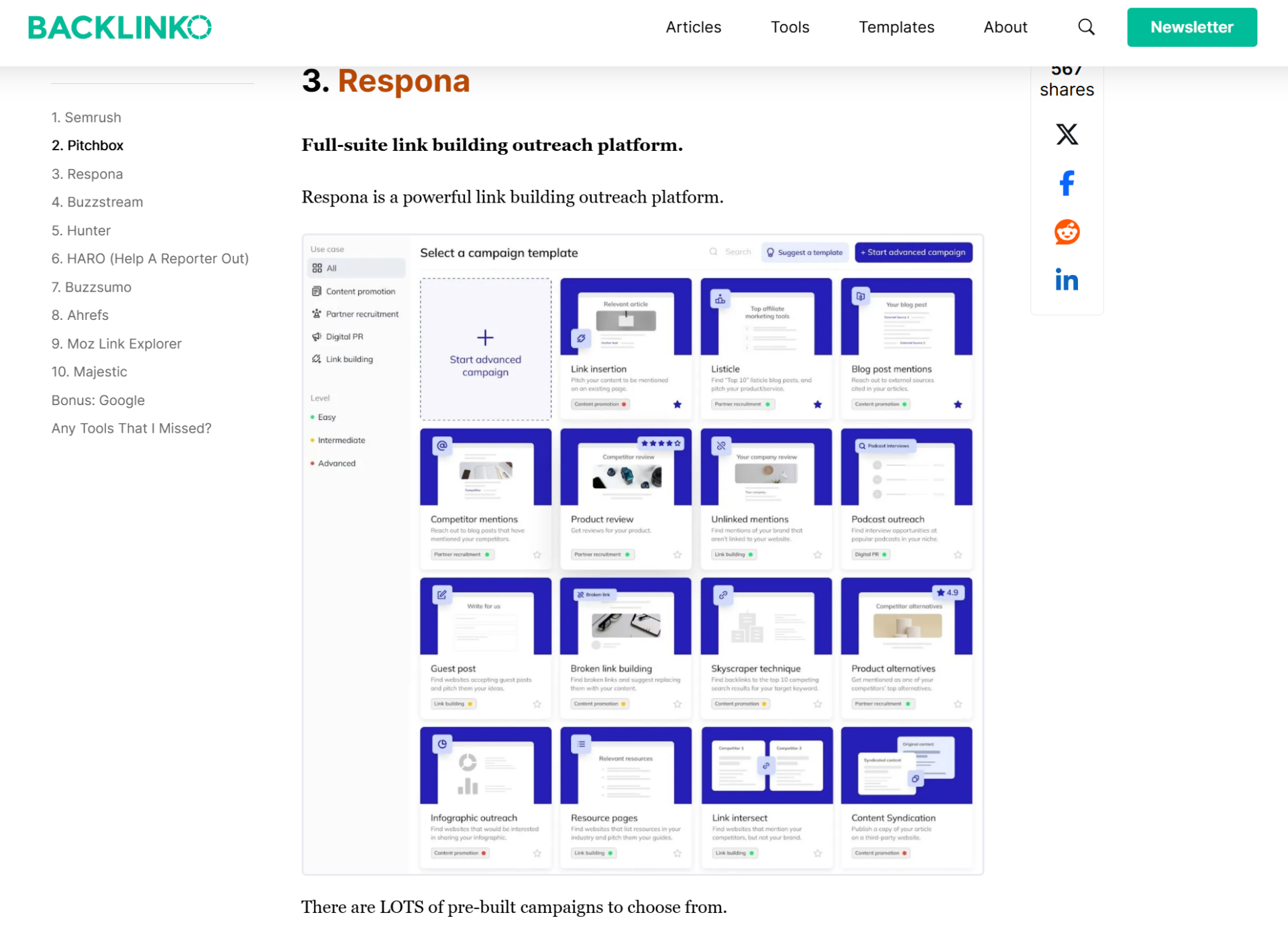
At Respona, this is exactly what the Campaigns feature is designed around.
You enter the search queries you care about, and the platform identifies articles already ranking in traditional search and already appearing across AI engines like Google Gemini, Microsoft Copilot, Bing Chat, and other conversational AI platforms.
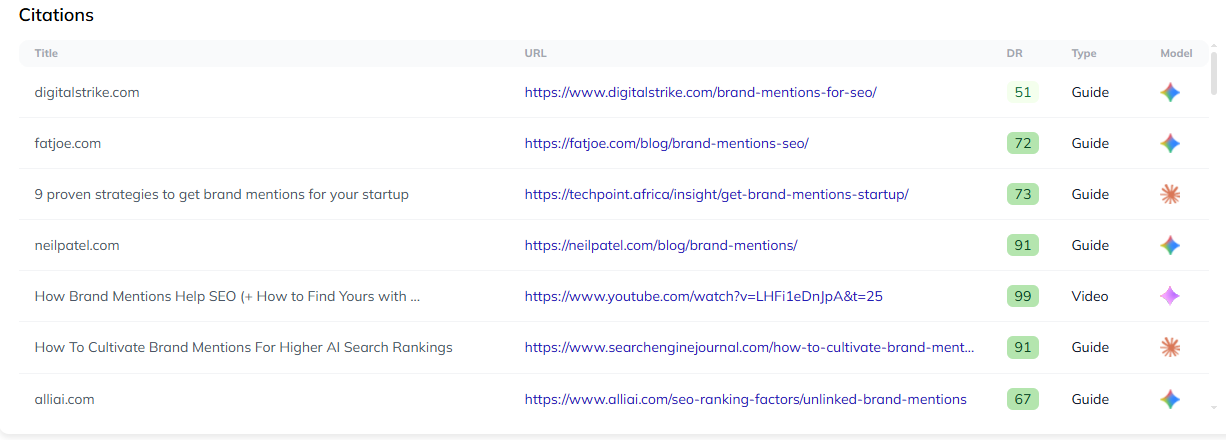
That makes it much easier to find placements capable of improving:
- Traditional search visibility
- AI citations
- Brand authority
- LLM visibility across AI platforms
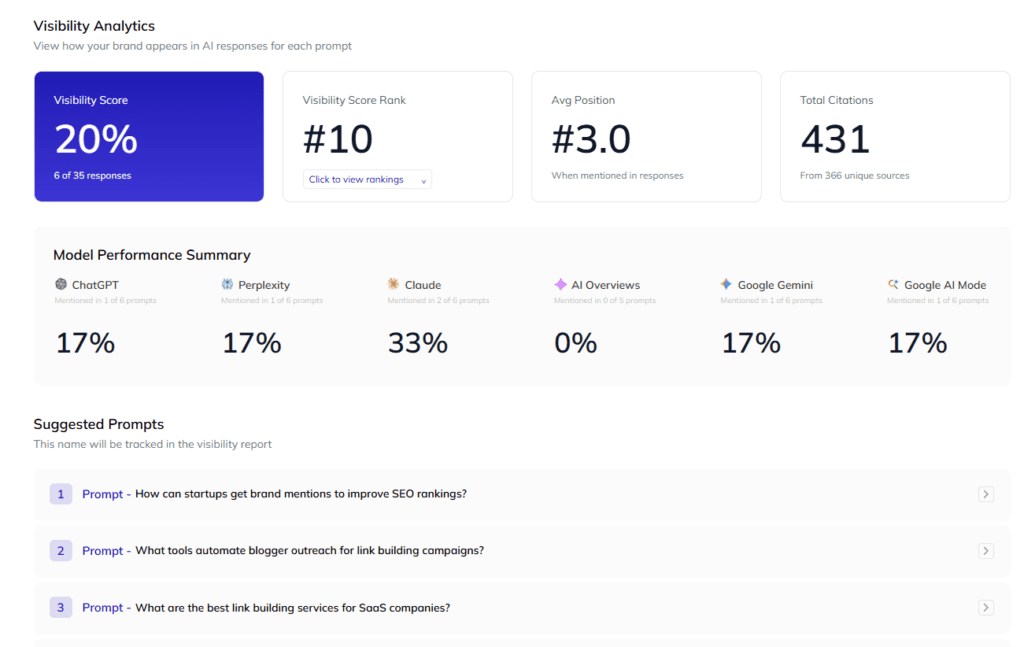
From there, the team handles the outreach, negotiations, relationship building, and placement acquisition process for you.
Since it’s pay-per-result, the workflow scales whether you need a few placements for a specific LLMO strategy or ongoing visibility across a much larger set of keywords and AI search queries.
Link building cheat sheet
Gain access to the 3-step strategy we use to earn over 86 high-quality backlinks each month.
Now Over to You
LLMO is really just SEO adapting to how search works now.
AI systems still rely heavily on the same foundations traditional search always used: strong content, topical authority, optimization, and authoritative links.
The difference is that now those same signals also influence AI-generated answers and AI visibility across platforms like ChatGPT, Google Gemini, Microsoft Copilot, and Google AI Overview.
That’s why targeted link building and brand mentions matter so much now.
If you want help securing placements on pages already influencing AI responses, Respona’s Campaigns feature helps identify those opportunities while the team handles the outreach and placements for you.
Frequently Asked Questions (FAQ)
What does LLMO stand for?
LLMO stands for Large Language Model Optimization. It refers to optimization techniques focused on improving visibility inside AI-generated answers and AI search systems.
Is LLMO different from traditional SEO?
Not completely.
LLMO builds on traditional SEO foundations like content quality, topical authority, optimization, and backlinks. The main difference is that the goal now includes visibility inside AI-generated answers, not just traditional search rankings.
What is LLM optimization?
LLM optimization refers to optimizing content and brand visibility for large language model systems like ChatGPT, Google Gemini, Microsoft Copilot, and other AI platforms.
How do AI systems choose which sources to cite?
AI systems heavily rely on authoritative sources already performing well in traditional search. They pull information from trusted pages, then synthesize answers from those sources.
Do backlinks still matter for AI visibility?
Yes.
Brand mentions and backlinks on authoritative pages strongly influence AI visibility because AI systems frequently pull recommendations and citations from those sources.
What is an AI citation?
An AI citation happens when an AI system references or mentions a brand, page, or source inside an AI-generated answer.
Can AI chatbots influence website traffic?
Definitely.
AI chatbots and AI assistants increasingly influence discovery and purchasing decisions, especially for commercial searches and software recommendations.
What role do AI crawlers play in LLMO?
AI crawlers help AI systems discover, parse, and process content across the web so that information can later appear inside AI-generated answers.
[ad_2]
Source_link