[ad_1]
Regardless of whether you’re an in-house digital marketer for one company or working across multiple clients, wasted time shows up in the same places.
It’s in the small handoffs between tools, the repetitive tasks that stack up, and the constant switching between platforms just to keep campaigns moving.
Digital marketing has reached a point where speed isn’t just helpful, it’s expected. Campaigns move fast, content cycles are shorter, and teams are often juggling multiple channels, social media accounts, and outreach campaigns at once.
Most digital marketing teams are no longer working inside a single channel.
A modern marketing team is usually balancing SEO, content marketing, email marketing, paid media, social media, and digital advertising all at the same time.
Whether you’re part of a digital marketing agency, an in-house performance marketing team, or a growing small business, the pressure is usually the same: move faster without losing quality or consistency.
The difference between keeping up and falling behind usually comes down to how efficiently your team works.
Not just how skilled they are, but how quickly they can move from idea to execution without getting stuck in unnecessary steps. That’s where the right tools start to matter, especially for teams managing SEO, email, and social media workflows simultaneously.
Some digital tools remove friction from everyday tasks, while others help teams plan, collaborate, or generate ideas more effectively.
In most cases, you won’t rely on just one. The real value comes from combining tools that support different parts of your workflow.
Below are digital tools that save time in real marketing environments by reducing manual work, improving collaboration, and helping digital marketing agency teams move faster without sacrificing quality.
Key Takeaways:
If you don’t have time to go through the full list, here’s the quick breakdown:
- Respona helps you get top tier links without the time investment
- Smallpdf makes it easy to merge PDFs for reports, campaigns, and client updates
- SerpAPI speeds up SEO research by pulling structured search data instantly
- Clay automates prospect list building and data enrichment
- Magical reduces repetitive typing with text shortcuts across tools
- Rows connects spreadsheets to live data for faster reporting
- Tella replaces long explanations and meetings with quick screen recordings

Link building cheat sheet
Gain access to the 3-step strategy we use to earn over 86 high-quality backlinks each month.
1. Respona
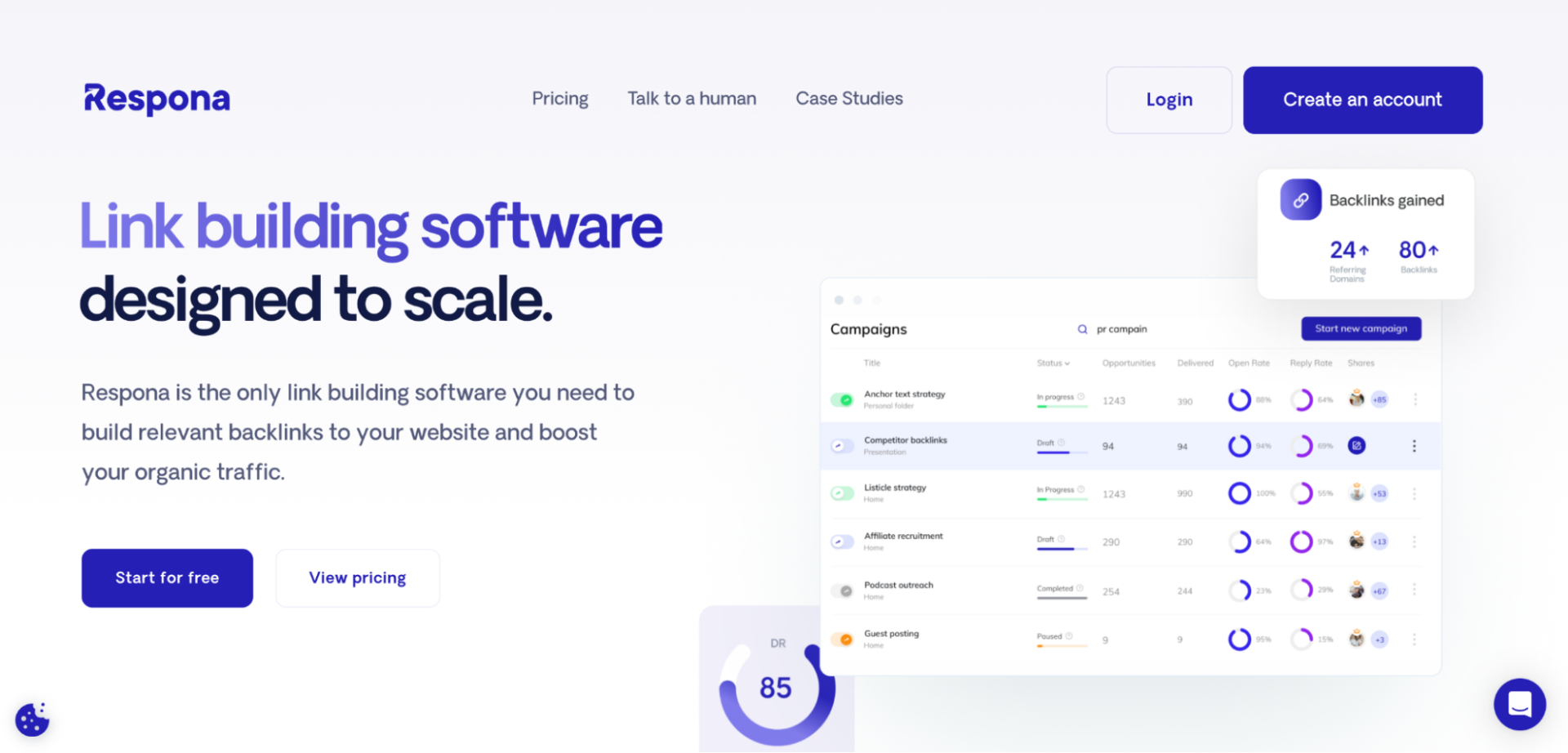
Respona is a done-for-you link-building and outreach service that helps your digital marketing team handle prospecting, outreach, and relationship-building without managing the entire process internally. Instead of juggling multiple outreach tools and workflows, businesses can offload a large part of the coordination and execution work to Respona’s team.
For digital marketing agencies and in-house marketing teams, this can save a significant amount of time during SEO, content marketing, and digital PR campaigns. Link building is often one of the most repetitive and time-consuming parts of outreach, especially when campaigns scale across multiple clients or websites.
Key strengths:
- Done-for-you outreach and link-building support
- Built for SEO and digital PR campaigns
- Reduces manual outreach coordination
- Helps marketing teams save time on prospecting and relationship building
Limitation:
- Less useful for teams looking for a fully self-managed outreach platform
2. Smallpdf
Pulling together marketing deliverables is rarely just one task. A simple client update can turn into five different steps: exporting analytics, combining strategy docs, cleaning up presentations, converting files, and making everything look polished before sending it out.
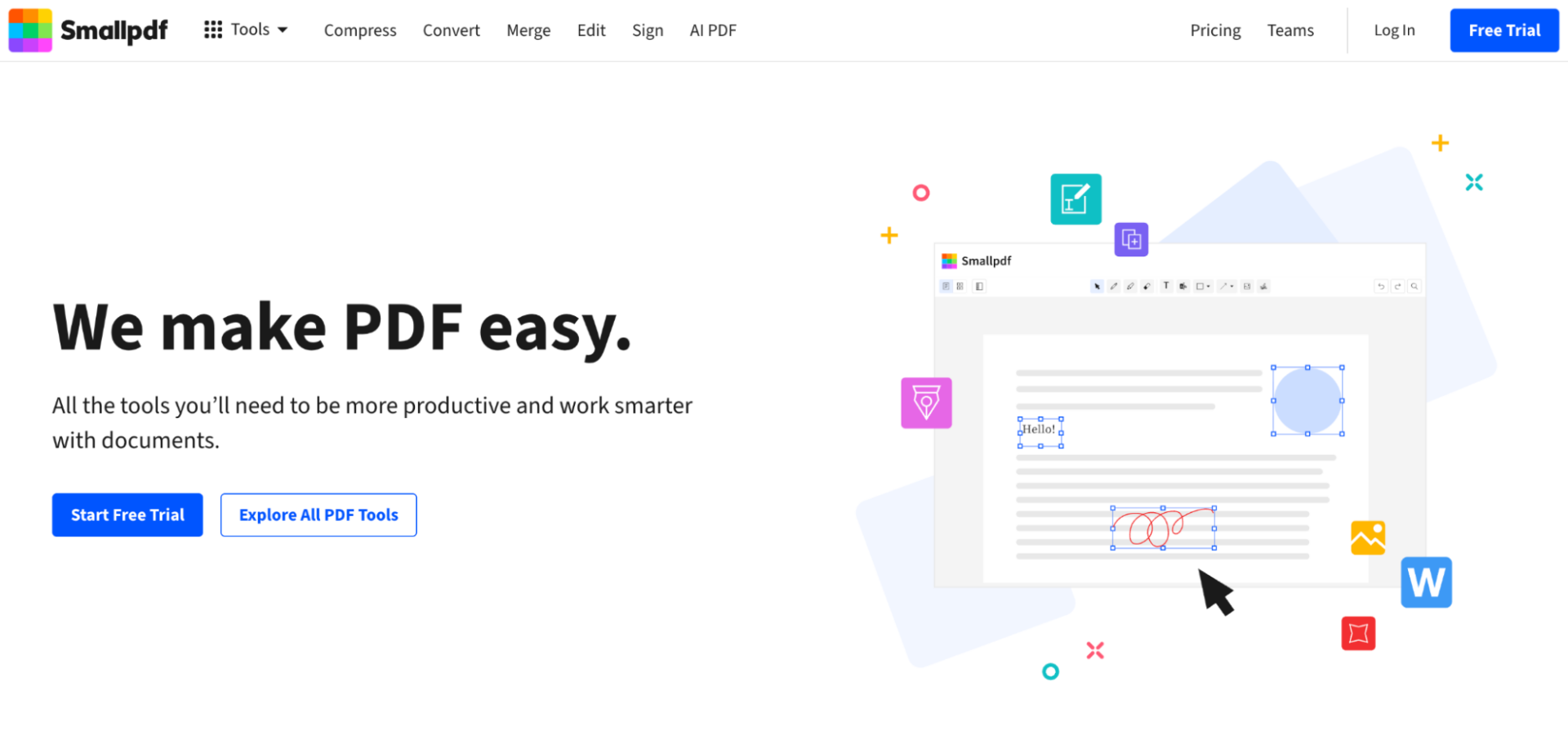
That’s where Smallpdf ends up saving a lot of time for marketing teams. Instead of digging through different apps just to merge, edit, compress, or convert documents, everything happens in one workflow.
It’s also easy to merge PDFs with Smallpdf, so you can quickly combine reports, screenshots, and deliverables without re-exporting or reformatting everything. Instead of rebuilding documents or juggling multiple versions, you can get everything into a single file in a few clicks and move on.
Key strengths:
- Fast and simple PDF merging
- No heavy software required
- Works directly in your browser
- Useful for outreach reports and client deliverables
Limitation:
- Limited beyond document handling tasks
3. SerpAPI
Search data often takes longer to pull together than it should, especially when you’re working across multiple keywords or trying to build competitor insights for SEO reports.
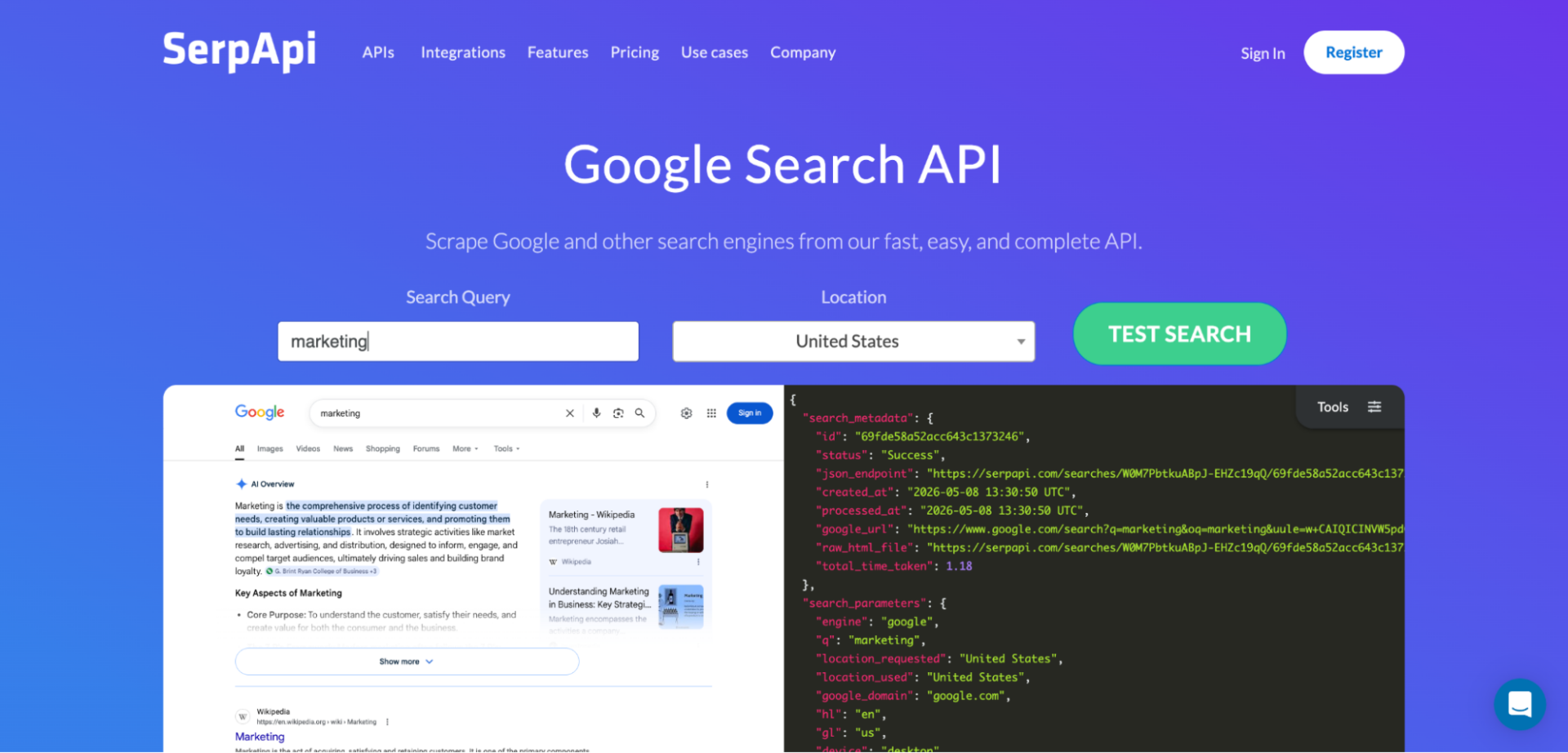
SerpAPI removes that manual step by pulling structured Google search results directly through an API. Instead of jumping between searches, copying information, and formatting everything into something usable, you get clean data you can plug straight into reports, analysis, or internal dashboards.
Tools like this are especially useful for SEO specialists, SEO managers, and performance marketing teams that need reliable search data without spending hours manually collecting it.
Key strengths:
- Pulls structured search results instantly
- Reduces manual SERP research
- Useful for SEO reporting and competitor analysis
- Works well for repeatable data workflows
Limitation:
- Requires some technical setup to get full value
4. Clay
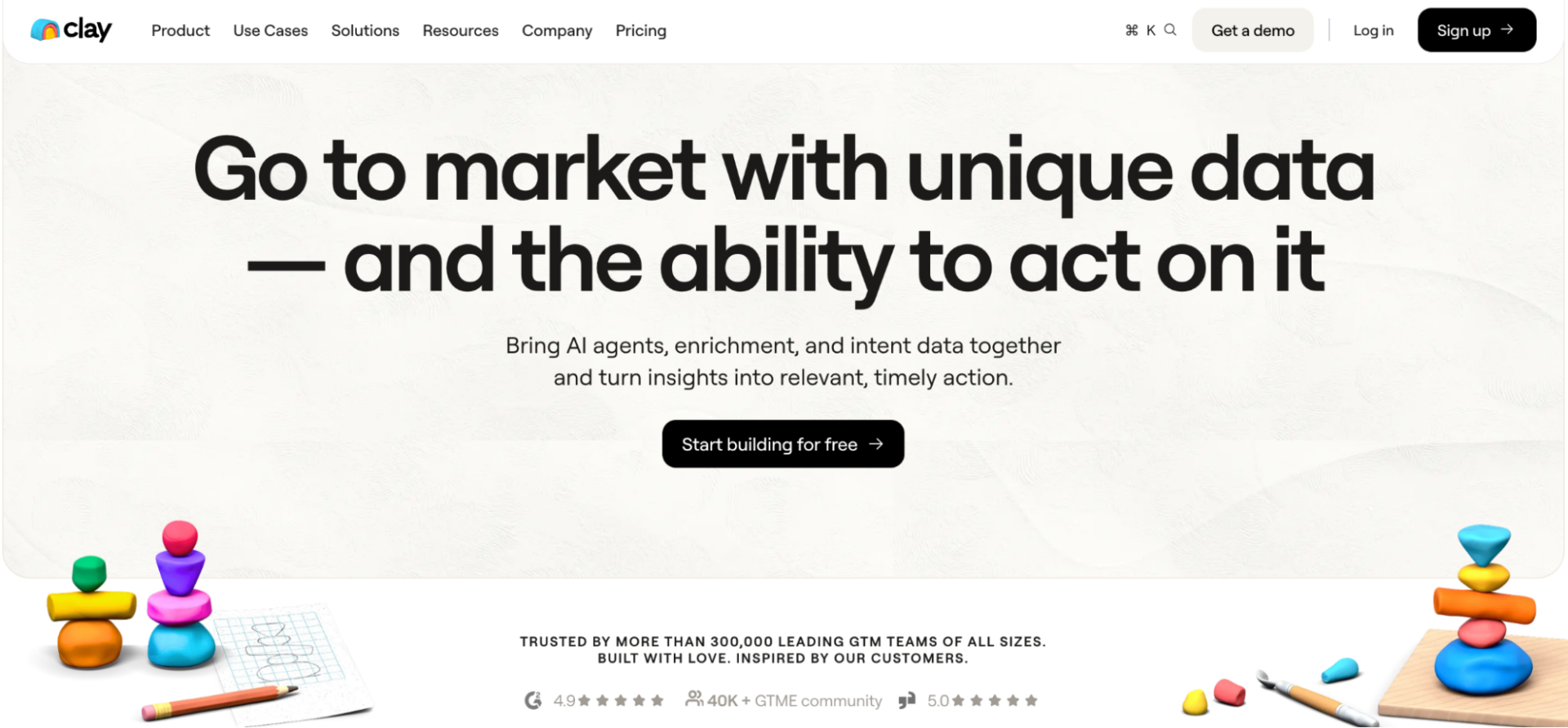
Building prospect lists for outreach usually means a mix of research, spreadsheets, and a lot of manual digging across different platforms.
Clay helps reduce that by enriching data inside one workspace. You can start with something as simple as a company name or domain, and it pulls in useful details like contacts, company insights, and other signals without you having to go and find everything manually.
Instead of jumping between tools to build and clean lists, your digital marketing agency can manage and enrich everything in one place. That makes prospecting feel a lot less fragmented and a lot faster to work through.
Key strengths:
- Automates lead and data enrichment
- Reduces manual prospect research
- Combines multiple data sources in one workflow
- Speeds up list building for outreach
Limitation:
- Can take time to set up effectively for complex digital workflows
5. Magical AI
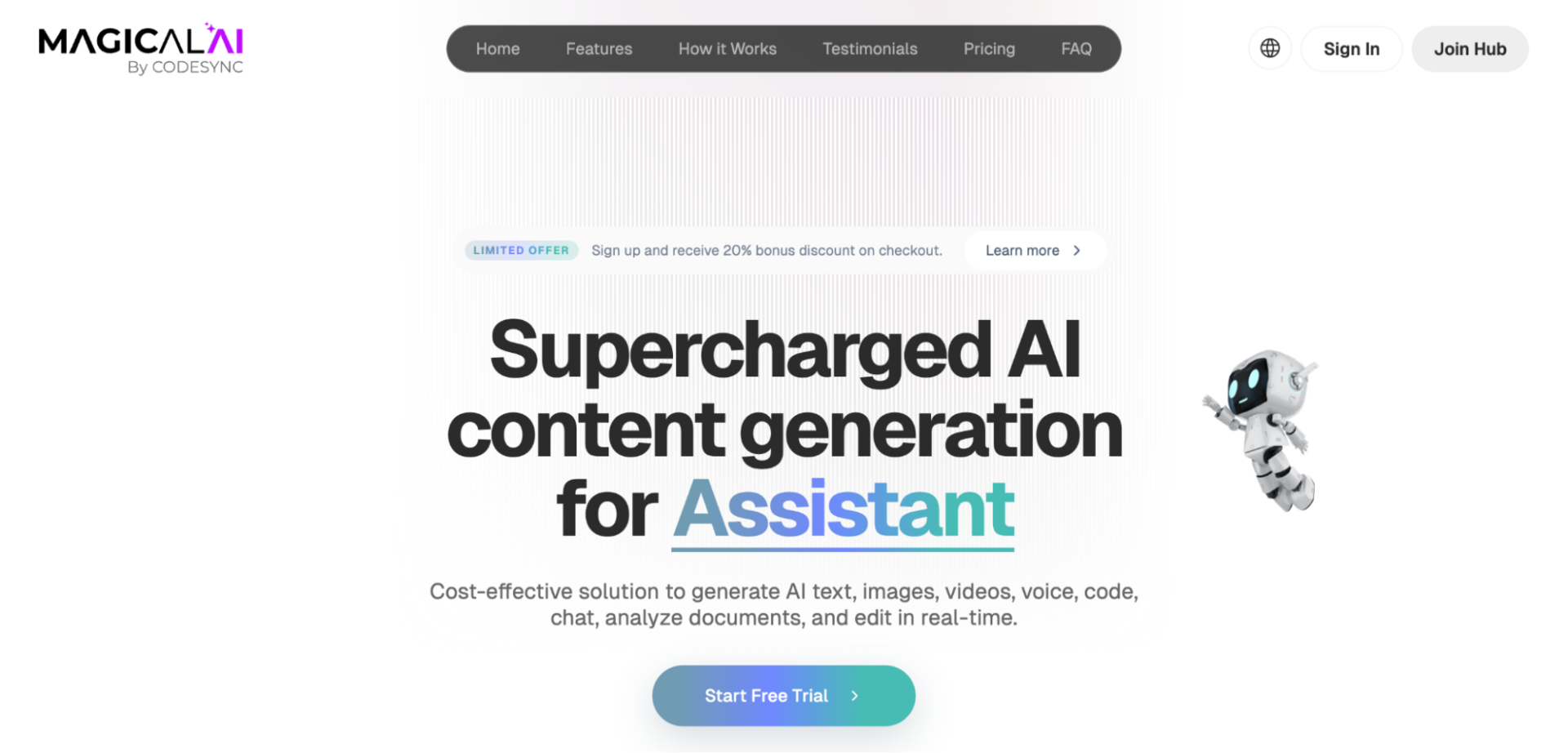
Magical AI is a productivity tool that helps marketing teams reduce repetitive writing by turning common messages, workflows, and responses into reusable shortcuts. It is designed to speed up day-to-day communication across outreach, client work, and internal agency coordination.
Instead of rewriting the same emails, follow-ups, or internal updates, teams can create reusable text snippets that work across different tools and platforms. This helps reduce repetitive manual input and keeps communication moving faster across agency workflows.
Key strengths:
- Creates reusable text shortcuts for common messages
- Speeds up outreach, follow-ups, and client communication
- Works across multiple web tools and platforms
- Reduces repetitive writing in daily marketing tasks
Limitation:
- Works best when teams actively build and maintain their shortcut library
6. Rows
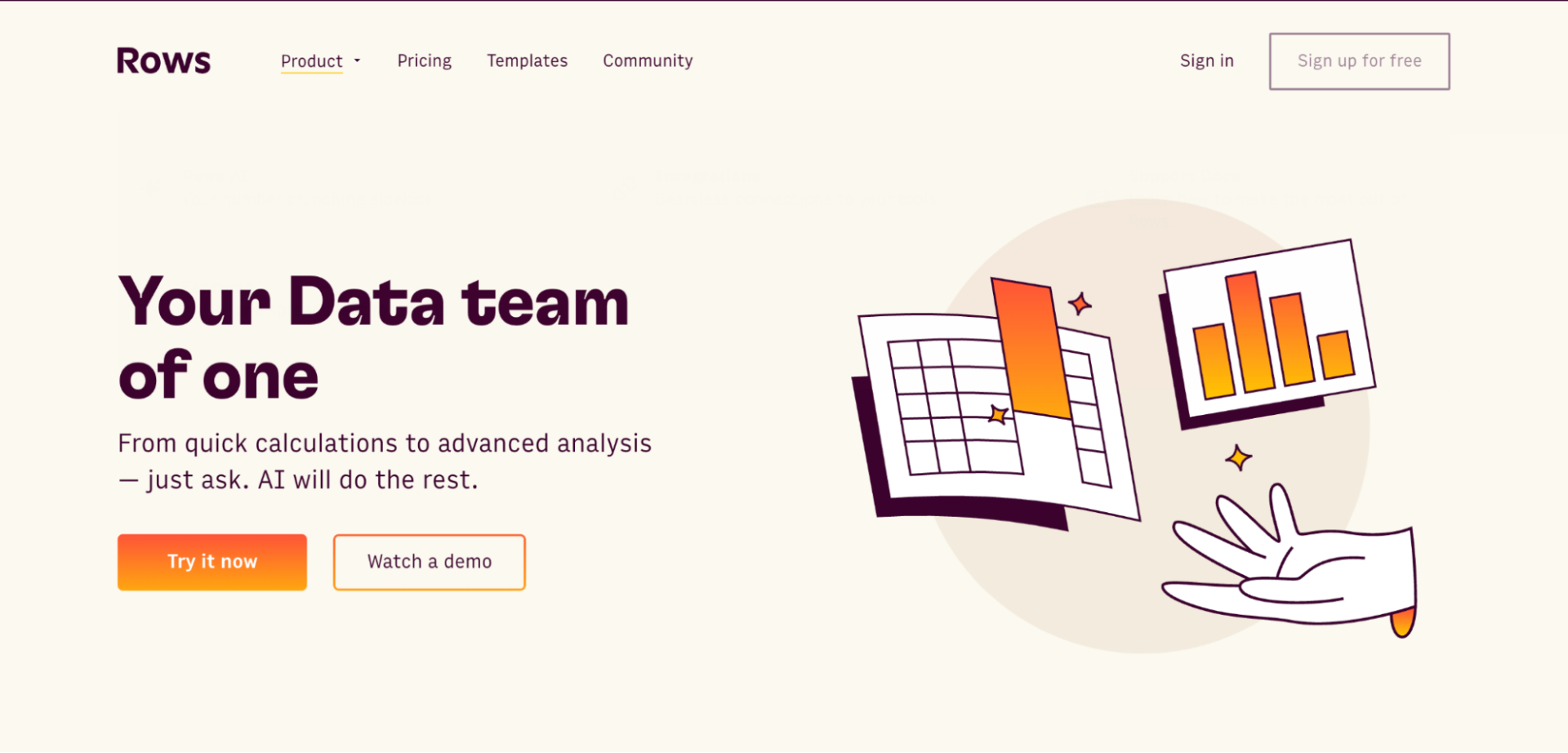
Spreadsheets are still central to most marketing workflows, whether it’s for content marketing strategy or social media planning, but they often turn into time sinks when data needs constant updating or pulling in from different places.
Rows helps by connecting your spreadsheets to live data sources, so you can pull information in directly from APIs and tools instead of manually exporting reports or updating numbers by hand. Your data stays current without you having to keep checking and fixing it.
Use this when you’re working across reporting, dashboards, or campaign tracking and don’t want spreadsheets turning into something you constantly have to maintain.
A lot of marketing managers and marketing directors rely on spreadsheet workflows for reporting, marketing operations, campaign tracking, and performance reviews. The problem is that most spreadsheets still require too much manual updating.
Key strengths:
- Connects spreadsheets to live data sources
- Reduces manual reporting work
- Useful for dashboards and campaign tracking
- Improves workflow automation in sheets
Limitation:
- Has a learning curve for advanced integrations
7. Tella
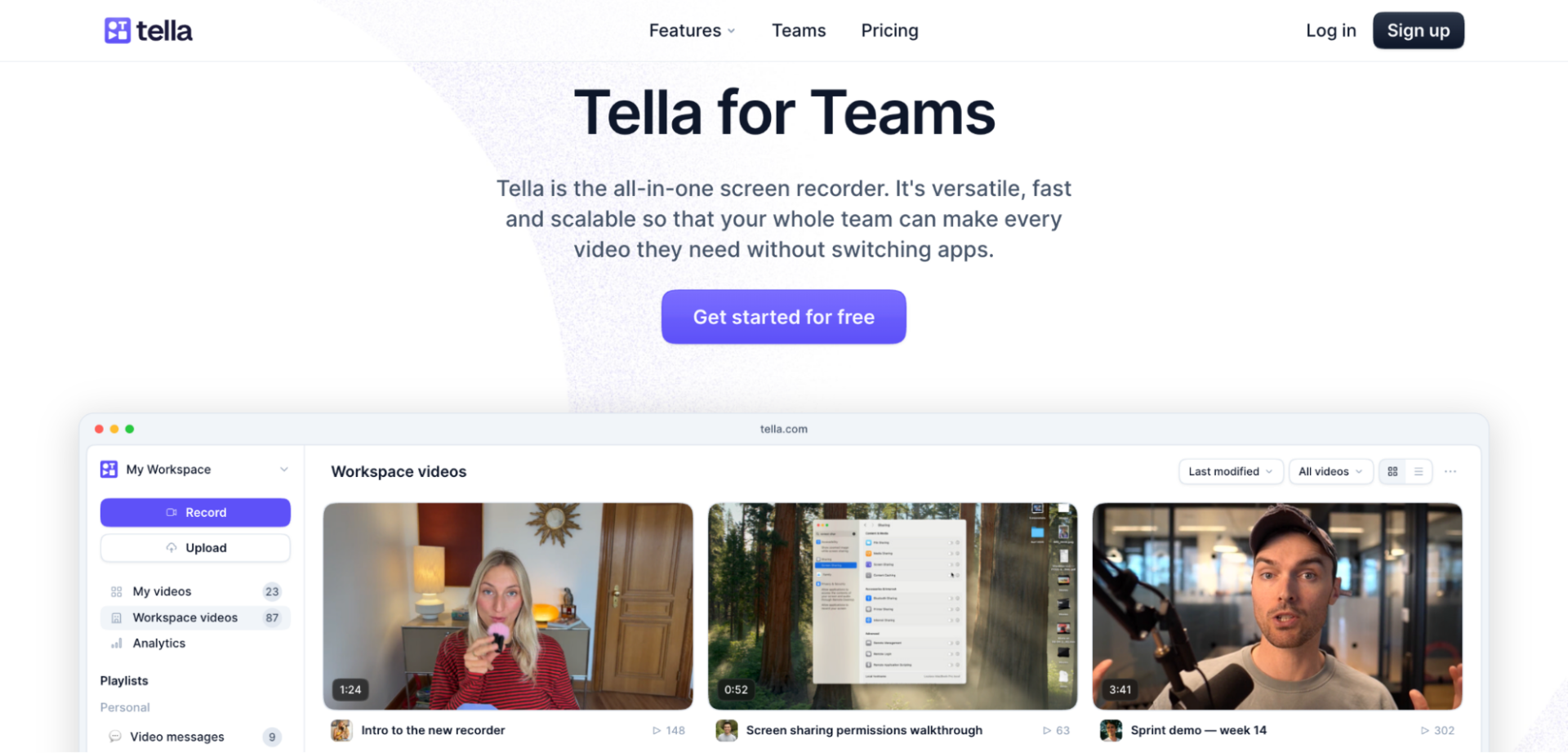
Digital marketing teams lose a surprising amount of time to repetitive explanations, campaign walkthroughs, and constant status updates. A lot of work that should take minutes ends up buried in Slack threads, meetings, and long emails.
Tella adds automation to that process by turning quick screen recordings into a faster way to share feedback, explain workflows, and keep everyone aligned. Instead of repeating the same information over and over, teams can create clear walkthroughs once and move on faster.
It also helps digital agency teams share updates internally without adding more meetings to the week. If you’re a marketing director in charge of a remote digital marketing team, you’ll know that quick video walkthroughs are often better than long explanations inside Slack or email threads.
Key strengths:
- Fast screen recording for communication
- Reduces meetings and long written explanations
- Easy to share updates visually
- Useful for teams and client communication
Limitation:
- Not a replacement for detailed documentation
How Modern Digital Marketing Teams Use Tools in Real Workflows
Most digital marketing teams work across many tools at the same time. The main challenge is not planning but keeping execution smooth across SEO, content, paid media, and social media marketing.
Tools are what connect these parts of the workflow so work does not slow down between steps.
SEO Specialists, Content Teams, and Social Media Marketing Workflows
A SEO specialist works across keyword research, audits, reporting, and optimisation. Most of this work depends on tools that organise data and reduce manual reporting. SEO services platforms are often used to bring structure to ongoing optimisation and performance tracking.
Content marketing and social media marketing workflows depend on planning, scheduling, and performance tracking. Teams use tools to manage publishing, approvals, and analytics so content can move from idea to execution without delays. This helps maintain consistency across both content and social channels.
Digital Marketing Managers and Marketing Directors Using Workflow Systems
A digital marketing manager works across multiple channels including SEO, paid media, email marketing, and social media. The role depends on tools that support coordination, reporting, and campaign execution so work can move across teams without delay.
A marketing director focuses on performance across all marketing campaigns and ensures each digital marketing campaign supports overall business objectives. Reporting tools and automation systems are often used to maintain visibility across teams and channels.
Marketing automation plays a key role in reducing manual updates and keeping campaigns aligned across departments.
Digital Agencies Managing Multiple Marketing Campaigns Across Clients
A digital agency manages multiple clients and multiple marketing campaigns at the same time. Each client may have different goals, timelines, and channel strategies.
Tools that support reporting, collaboration, and campaign tracking are important in this environment. They help teams stay organised and maintain consistency across SEO, paid media, content, and social media work.
A structured workflow helps agencies manage execution across several accounts without losing clarity on priorities.
Performance Marketing, Affiliate Marketing, and Multi-Channel Execution Tools
Performance marketing teams rely on fast data and clear reporting across SEO, paid media, and conversion tracking. Tools help connect these data points so teams can adjust campaigns based on performance.
Affiliate marketing adds coordination across partners and tracking systems. Tools help manage reporting and attribution so performance can be reviewed accurately.
Teams working across multiple channels use tools to keep execution aligned and reduce manual reporting across systems.
Link building cheat sheet
Gain access to the 3-step strategy we use to earn over 86 high-quality backlinks each month.
Now Over to You
A lot of the pressure on modern digital marketing teams comes from how quickly campaigns move now.
That’s why workflow efficiency has become part of the digital marketing strategy itself.
The faster a marketing team can move from planning to execution, the easier it becomes to improve brand awareness, maintain a consistent online presence, and scale marketing efforts without constantly adding more people or tools.
Link building becomes one of the biggest bottlenecks once campaigns start growing.
Prospecting, outreach, follow-ups, relationship building, and tracking placements can easily consume more time than the rest of the SEO workflow combined.
That’s a big reason why a lot of digital marketing agencies and in-house marketing teams outsource that side completely.
Respona helps remove that operational overhead by handling the outreach and link building process for you while also helping secure placements on listicles and articles that already rank well organically and already get cited by AI answer engines.
So instead of spending hours managing outreach internally, your team can stay focused on execution, strategy, and client work while still building rankings, referral traffic, and AI visibility in the background.
FAQ (Frequently Asked Questions)
How do digital marketing teams avoid wasting time on repetitive tasks?
Most digital agency teams reduce wasted time by automating or templating repeat actions like reporting, email responses, content creation, and data entry. Instead of rebuilding processes for every campaign, they use digital tools that save time through standardized workflows, removing manual steps.
Do digital marketing teams need different tools for each channel?
Yes, but not as many as people think. Most teams use a shared core stack for planning, reporting, and automation, then add specialised tools for SEO services, social media scheduling, influencer marketing, or outreach, depending on the campaign type.
What’s the best way to build an efficient marketing tool stack?
An efficient stack usually includes a mix of four layers: planning and organisation, execution (like content, social media, or outreach platforms), automation, and data and analytics tools. The goal is not to cover every task, but to remove friction from the most time-consuming parts of the marketing workflow, including social media management, while still supporting larger marketing goals.
What tools do digital marketing managers actually use daily?
As a digital marketing manager, whether in-house or in an agency, you’ll likely rely on a combination of reporting tools, marketing automation platforms, SEO tools, communication software, and social media management systems. The exact setup depends on whether the team focuses more on performance marketing, content marketing, paid media, or client-facing digital marketing services.
[ad_2]
Source_link