[ad_1]
If your business is still running on software that was built 10 or 15 years ago, you probably already know something feels off. Maybe it’s slow. Maybe it crashes at the worst times. Or either your team has just learned to work around its quirks instead of asking IT to fix them.
That old system is called legacy software, and even if it “still works,” it might be quietly holding your business back. Legacy modernization simply means updating or replacing these outdated systems with newer technology that’s faster, safer, and easier to manage.
Let’s look at why so many companies are finally making the switch.
What Is Legacy Modernization?
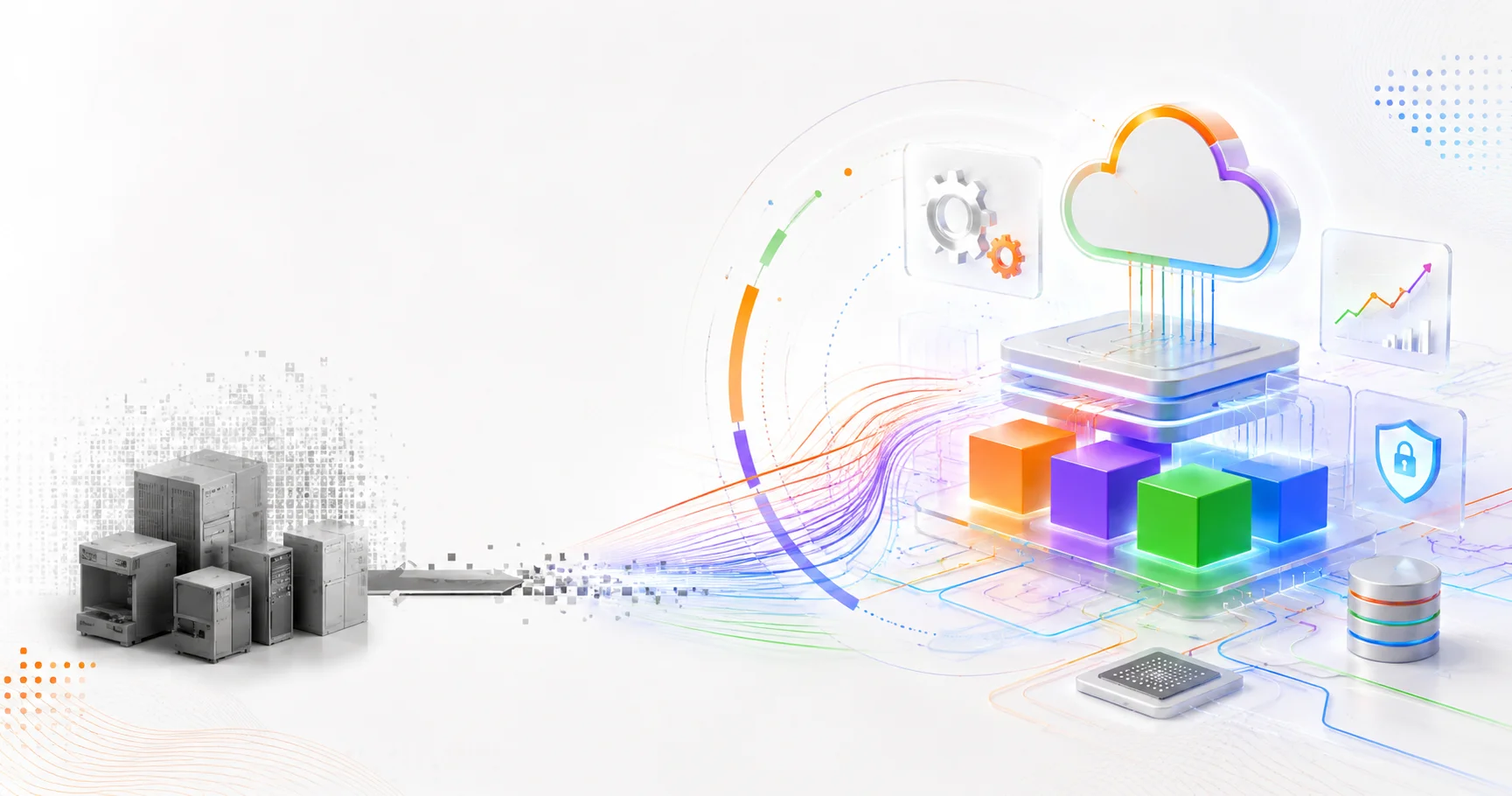
Before we get into the benefits, let’s keep this simple. Legacy modernization is the process of taking old software, hardware, or IT systems and bringing them up to date. This could mean:
Moving your data to the cloud instead of old physical servers. Rebuilding an outdated app with modern coding languages. Connecting old systems with new tools using APIs. Replacing an entire platform with something built for today’s needs.
Think of it like renovating an old house. You don’t always need to tear it down. Sometimes you just need to update the wiring, fix the plumbing, and add a few modern touches so it works better for how people live today.
Now, let’s talk about why this matters so much for businesses.
1. Faster Performance Means Happier Employees and Customers
Old systems tend to be slow. Pages take forever to load. Reports take hours to generate. Employees end up waiting around instead of getting work done.
When you modernize your systems, everything speeds up. Tasks that used to take minutes can happen in seconds. Your team spends less time staring at loading screens and more time actually doing their jobs. And when your systems are customer-facing, like an e-commerce site or a booking platform, faster performance directly means happier customers who don’t abandon your site out of frustration.
Speed isn’t just a nice bonus anymore. It’s often the difference between keeping a customer and losing them to a competitor.
2. Lower Maintenance Costs Over Time
Here’s something a lot of business owners don’t realize until it’s too late: old systems get more expensive to maintain, not less.
Think about it this way. Finding developers who still know outdated programming languages is hard, and when you do find them, they charge more because their skills are rare. Add in the cost of patching security holes, fixing constant bugs, and keeping ancient hardware running, and you’re looking at a system that eats up your IT budget just to stay afloat.
Modernizing your systems might feel like a big expense upfront, but it usually pays for itself. You spend less on emergency fixes, less on specialized support, and less time babysitting systems that were never built for today’s demands.
3. Better Security and Fewer Data Breaches
This one’s huge, especially with how common cyberattacks have become. Older systems often don’t get security updates anymore because the software companies have stopped supporting them. That leaves your business exposed to hackers looking for exactly these kinds of weak spots.
Modern systems come with built-in security features like encryption, multi-factor authentication, and regular security patches. When you modernize, you’re not just improving performance. You’re protecting your business, your customer data, and your reputation.
A data breach doesn’t just cost money. It costs customer trust, and that’s much harder to rebuild.
4. Easier Integration With New Tools and Technology
Businesses today rely on dozens of different tools. CRM software, accounting platforms, marketing automation, project management apps, the list goes on. The problem is, old legacy systems often don’t play well with newer tools.
You end up with data stuck in silos, teams manually copying information between systems, and endless little workarounds just to get things to communicate.
Modern systems are built with integration in mind. They connect smoothly with other software through APIs, so your tools can actually talk to each other. This means less manual data entry, fewer errors, and a much smoother workflow across your entire business.
5. Better Scalability as Your Business Grows
Legacy systems were built for the business you were years ago, not the business you are now. As you grow, add more customers, or expand into new markets, old systems often can’t keep up. They slow down under pressure or simply can’t handle the extra load.
Modern systems, especially cloud-based ones, are built to scale. Need more storage? Need to handle more users during a busy season? A modernized system can adjust to that demand without falling apart.
This is especially important if you’re planning to grow. You don’t want your technology to be the reason you can’t take on new business.
6. Improved Employee Experience and Productivity
Nobody enjoys working with clunky, outdated software. When employees have to deal with slow systems, confusing interfaces, and constant technical issues, it affects their mood and their output.
Modern systems tend to have cleaner interfaces that are easier to learn and use. New employees can get up to speed faster. Existing employees waste less time troubleshooting and more time actually working. Over time, this adds up to a noticeably more productive team.
Happy employees also tend to stick around longer, and reducing turnover saves you money and headaches in the long run.
7. Staying Competitive in Your Industry
This might be the biggest reason of all. Your competitors are modernizing, whether you notice it or not. Businesses that update their technology are able to move faster, respond to market changes quicker, and offer better experiences to their customers.
If you’re stuck on legacy systems while everyone else has modernized, you risk falling behind. Customers expect fast websites, smooth apps, and quick service. If your technology can’t deliver that, customers will simply go somewhere that can.
Modernizing isn’t just about fixing what’s broken. It’s about making sure your business stays relevant and competitive as the market keeps moving forward.
Common Signs You Need Legacy Modernization
Not sure if this applies to you? Here are a few signs your business might be overdue for an upgrade:
Your system crashes often or runs painfully slow. You’re paying a premium for developers who know outdated languages. Your software can’t integrate with newer tools. You’ve had security issues or worry about vulnerabilities. Your team complains regularly about the software they’re forced to use. You’re struggling to scale during busy periods.
If even a couple of these sound familiar, it’s worth having a conversation about modernization.
How to Approach Legacy Modernization the Right Way
Modernizing doesn’t have to mean ripping everything out and starting from zero. Many businesses take a phased approach instead, updating one piece of their system at a time. This keeps things manageable and reduces the risk of major disruptions to daily operations.
A good starting point is to identify which systems are causing the most pain, whether that’s security risks, slow performance, or integration headaches, and tackle those first. From there, you can build a roadmap for updating the rest of your technology over time.
Working with an experienced technology partner can also make a huge difference. They can assess your current systems, figure out what actually needs replacing versus what can be improved, and guide you through the process without disrupting your business operations.
Conclusion
Legacy modernization isn’t just a technical upgrade. It’s an investment in how your business runs day to day. From faster performance and lower costs to stronger security and better scalability, the benefits touch almost every part of your operations.
Sticking with outdated systems might feel safer in the short term, but it usually ends up costing more time, money, and opportunities down the road. The businesses that thrive are the ones willing to modernize before they’re forced to by a crisis or a competitor pulling ahead.
And you don’t have to figure it all out on your own. Partnering with an experienced software development company in Bangalore can make the entire process a lot smoother, from assessing what needs to change to actually building and rolling out the new system. Bangalore has become one of the go-to hubs for tech talent, and working with skilled software developers in Bangalore means you get access to people who understand modern tools, current security standards, and how to modernize systems without disrupting your day-to-day business. With the right team by your side, legacy modernization becomes less of a headache and more of a smart, manageable step toward a stronger future.
[ad_2]
Source_link