[ad_1]
For years, loyalty marketing was treated as a “nice extra.” A points program. A side dish next to the main course: acquisition. By 2026, that’s no longer the case. As acquisition costs continue to rise, third-party cookies disappear, and customers expect brands to recognize them across every touchpoint, loyalty marketing has become one of the most reliable ways to drive sustainable growth. Real, repeatable revenue. 5.2X ROI to be exact.
In this article, we explain what loyalty marketing is, show you 5 real-life examples delivering measurable business impact, and give you a 4-step loyalty marketing strategy framework for 2026.
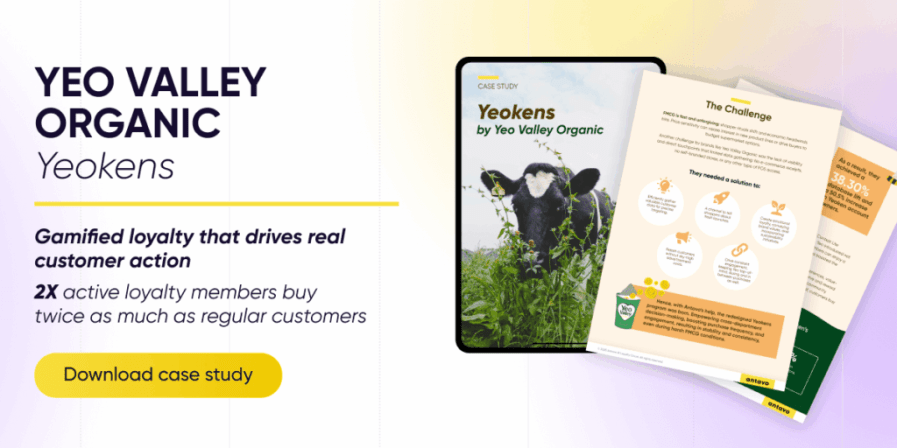
Speaking of successful loyalty marketing strategies, learn more about how Yeo Valley Organic’s loyalty program drives massive engagement with 100K+ point banking actions each week.
What Is Loyalty Marketing And Why It Matters Today
At its simplest, loyalty marketing is about encouraging customers to come back, and to do so willingly. It focuses on strengthening relationships with existing customers by rewarding repeat engagement, purchases, and advocacy over time. What’s changed is why loyalty matters so much now.
Marketing teams are under pressure from all sides. Paid media is more expensive and less predictable. Privacy regulations limit how much data can be collected passively. And customers expect brands to know them without crossing ethical lines. Loyalty programs in marketing sit at the intersection of all these forces.
5 Real World Examples Proving The Business Impact of Loyalty Marketing
When loyalty is designed around customer behavior and supported by the right technology, it delivers measurable value. Loyal customers tend to spend more, purchase more frequently, and remain active for longer.
The 5 loyalty programs below – all empowered by Antavo AI Loyalty Cloud – showcase the incredible results achieved by the perfect sync of strategy, technology, and creativity.
Check out the case studies and watch the videos for an in-depth understanding of how these brands achieved success, and what standout platform features they used.
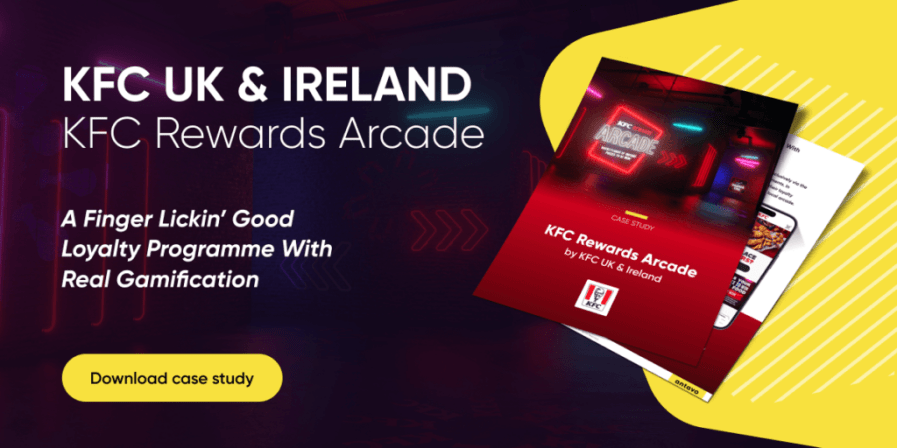
KFC UK & Ireland – Play To Win Mechanics In QSR
KFC UK & Ireland’s gamified loyalty program, KFC Rewards Arcade, is one of the finest examples in loyalty marketing, increasing visit frequency and driving strong program adoption across multiple markets.
Achieved:
- 26% increase in the number of weekly active app customers.
- 86% of KFC app users play the Rewards Arcade every time they visit KFC.
- 24% of customers say they buy KFC more frequently since playing the Rewards Arcade.
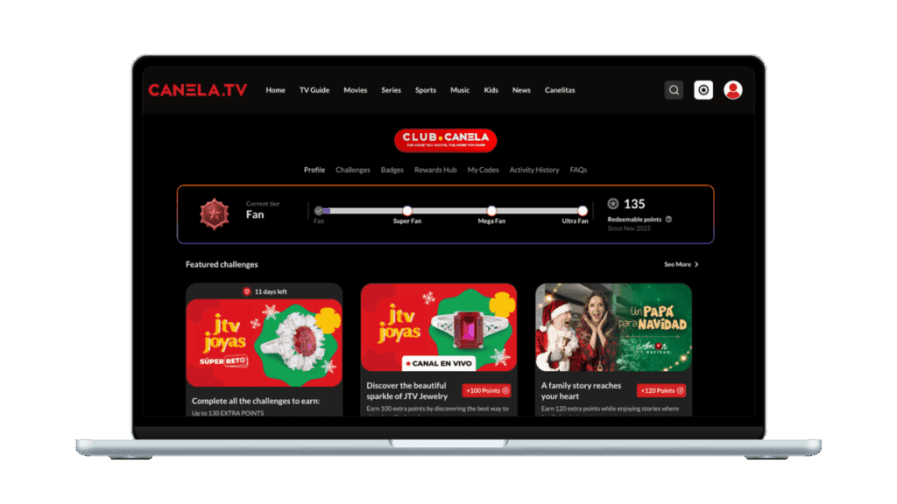
Canela Media – Streaming Loyalty Pioneer
Canela Media used loyalty-driven engagement to deepen relationships with its streaming audience, increasing participation across digital touchpoints and encouraging repeat interaction with content.
Achieved:
- +21% increase in Daily Watch Time of Club Canela Members.
- +87% increase in win-back of inactive registered profiles.
- +400% more average member lifetime minutes than non-members.
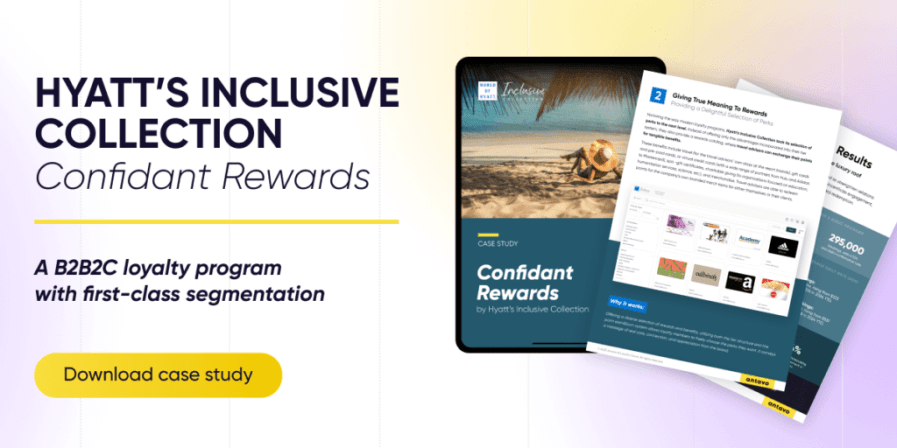
Confidant Rewards – Standout B2B2C Results
Confidant Rewards by Hyatt’s Inclusive Collection leveraged tiered recognition to motivate continued participation, leading to higher activity levels and improved retention.
Achieved:
- 42% YoY increase in revenue claimed through the loyalty program.
- 43% YoY increase in hotel bookings claimed through the loyalty program.
- 3% increase in direct bookings, rising from $531 in 2023 to $548 in 2024 YTD.
Yeo Valley Organic – 3 Types of Gamification, 1 Common Goal
Yeo Valley Organic aligned its loyalty program with the brand’s sustainability values. By rewarding everyday purchases and eco-conscious behavior, and adding 3 types of gamification mechanics, the program increased engagement while reinforcing brand affinity.
Achieved:
- 2X: Active loyalty members buy twice as much as regular customers.
- 3X ROI: Loyalty program generates over three times the ROI of advertising.
- 51% increase in redemption behavior.
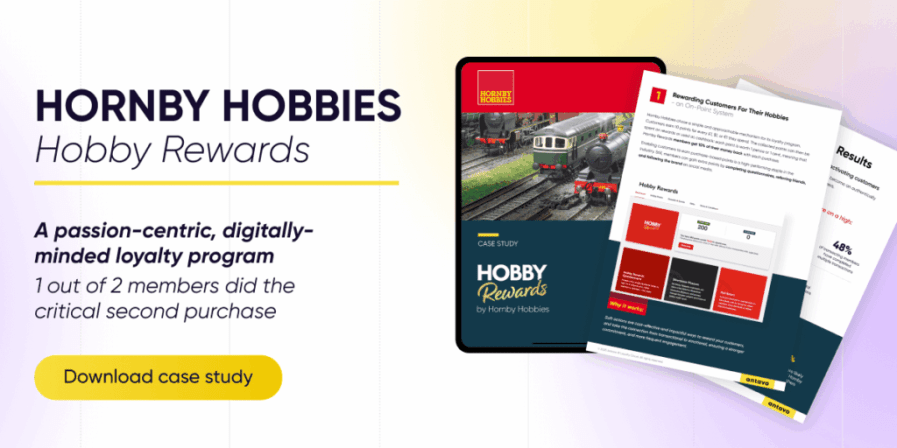
Hornby Hobbies – Niche Industry Success
Hornby Hobbies focused on rewarding both purchases and non-transactional actions, such as community participation. This approach strengthened emotional loyalty among collectors and revitalized engagement in a niche market.
Achieved:
- 4,039k opt-ins per month on average.
- 48% of transacting members have completed multiple transactions.
- 2.87 is the average purchase frequency for members.
Step-by-Step Loyalty Marketing Strategy Framework
A common reason loyalty initiatives underperform is that teams jump straight to tactics without building the right foundation. The most effective loyalty marketing strategies follow a clear progression. Let’s take a look at the right way to build up a successful mechanism.
Step 1: Choose a Loyalty Vendor That Won’t Limit You
Technology decisions made early can shape the entire future of a loyalty program. Many brands outgrow their first platform within a year because it can’t support anything beyond basic earn-and-burn mechanics.
When sending out your RFPs and evaluating a loyalty vendor, look beyond feature checklists. The real question is whether the platform can support both foundational loyalty mechanics and more creative, differentiated campaigns later on.
Flexibility is critical. The ability to configure rules, rewards, and workflows without heavy development work gives marketing teams autonomy and speed. Strong analytics and integration capabilities ensure loyalty data doesn’t live in isolation but feeds into the broader marketing and CRM ecosystem. Choosing the right platform early reduces friction later and keeps loyalty from becoming a bottleneck.
Step 2: Best Practices For Your Loyalty Basics
Before layering on complexity, brands need to make one thing work exceptionally well: the core loyalty mechanic. This is the part customers interact with most often, so clarity matters more than creativity at this stage.
1. Points-based loyalty (best for driving repeat purchases)
Customers earn points for actions like purchases, sign-ups, or referrals, then redeem those points for rewards. For example, a retail brand might offer 1 point per dollar spent, with points unlocking vouchers or free products.
The benefit is simplicity: Customers see progress every time they shop or otherwise interact with the brand, which reinforces the habit of coming back instead of switching brands.
2. Tiered loyalty (best for increasing long-term value)
Customers move through tiers (such as Silver, Gold, or VIP) based on spend or engagement. A hospitality brand might offer late checkout or room upgrades to higher tiers, while a food & beverage brand could unlock priority ordering or exclusive menu items.
Tiered loyalty programs offer status, empowering emotional loyalty and increasing lifetime value. Customers don’t want to “start over” elsewhere once they’ve reached a higher tier.
3. Paid or subscription loyalty (best for high-frequency brands)
A paid or subscription-based program works well for brands with high engagement frequency. In retail or food delivery, customers might pay an annual fee in exchange for ongoing perks like unlimited drinks, free shipping, or monthly rewards.
The benefit here is predictability: both the brand and the customer commit upfront, strengthening retention.
Step 3: Elevated Essentials: Gamification and Easy Wins
Gamification taps into momentum and achievement
It adds simple game-like elements to your loyalty program that make progress feel fun and motivating, without turning it into a complicated “game.” Done right, it increases repeat engagement by giving customers a clear next step and a reason to come back sooner.
Easy add-ons:
- Progress bar: “You’re 1 purchase away from your next reward”.
- Badges: “3-month streak shopper”.
- Streak rewards: “Visit weekly for 3 weeks = bonus points”.
- Missions: “Complete 2 actions this month to unlock a reward”.
Industry examples:
- Beauty: “Complete your skin routine: cleanser + serum + SPF → earn a ‘Glow Getter’ badge + bonus points.”
- Grocery: “Try 3 new product types this month (e.g., plant-based, organic, fresh bakery) → earn a bonus reward.”
- Hospitality: “Stay 2 nights this quarter + leave a review → unlock a members-only experience perk.”
Always-on triggers ensure constant recognition
These are automated loyalty moments that run quietly in the background and reward customers at the exact times they’re most likely to feel appreciated. They keep your program “alive” year-round, without needing a new campaign every week.
Easy add-ons:
- Birthday reward.
- “1-year member” bonus.
- Reward the 2nd or 5th purchase.
- Surprise perk for active members.
Industry examples:
- Fashion retail: After a customer’s 3rd purchase, they unlock a “VIP shipping weekend” perk.
- Food & beverage: A coffee chain rewards customers for visiting three weeks in a row with a free upgrade (size or extra shot).
- Ecommerce: A customer who hasn’t purchased in 45 days gets a “we saved this for you” reward (not a discount, an exclusive perk).
Step 4: Build Limited-Time, Engagement Driving Loyalty Marketing Campaigns
Once the foundation is stable, limited-time campaigns are what keep loyalty programs fresh and exciting, introducing urgency and novelty. Seasonal challenges, gamified missions, double-point events, or partner rewards all give customers reasons to engage beyond routine purchases. They also create storytelling moments that marketing teams can amplify across channels.
One important thing to note is that these campaigns must be aligned with broader business goals, such as launching a new product, driving off-peak traffic, or reactivating dormant customers. Why? Because when loyalty campaigns are treated as part of the marketing calendar rather than side projects, their impact multiplies.
3 common goals and examples:
- Drive basket size and discovery: “Double points on new collections for 14 days”.
- Drive purchase frequency and in-store visits: “Free menu item with large beverages during off-peak hours.”
- Shift demand and increase bookings: “Bonus points or complementary spa vouchers for midweek stays.”
Common Mistakes to Avoid
Even strong brands stumble with loyalty marketing. Common pitfalls include:
- Overcomplicating enrollment: If joining takes more than a few seconds, participation drops.
- Generic rewards: Discounts alone rarely build emotional loyalty.
- Static programs: Customers evolve, your program must evolve too.
- Poor measurement: Without clear KPIs, loyalty becomes a cost center instead of a growth driver.
- Disconnected systems: Loyalty data loses value if it isn’t integrated with CRM, eCommerce, and marketing tools.
Frequently Asked Questions About Loyalty Marketing
How is loyalty marketing different from promotions?
Promotions are designed to drive quick action. Loyalty marketing is built to create repeat behavior over time, using rewards, recognition, and personalized engagement to keep customers coming back even when there isn’t a sale running. In short, promotions buy attention, loyalty marketing earns preference.
Do loyalty programs actually increase revenue?
Yes, and not just through discounts. Well-designed loyalty programs in marketing increase revenue by improving repeat purchase rate, boosting customer lifetime value (CLV), and encouraging customers to engage more frequently (and often spend more per visit).
Is loyalty marketing only for retail?
No. Loyalty marketing works in any industry where customers have choices and habits matter, including hospitality, travel, food & beverage, media, and financial services. The key is matching the program mechanics to the business model: retail may focus on points and perks, hospitality may prioritize status and experiences, and media may reward engagement rather than purchases.
What makes a loyalty marketing strategy successful?
Successful loyalty marketing strategies combine customer value + operational simplicity + long-term flexibility. That means the program is easy to join, the benefits feel genuinely worth it, and the brand continuously keeps it fresh with challenges, tiers, or limited-time campaigns. Behind the scenes, success also depends on measuring the right KPIs and using a platform that can integrate with your CRM, eCommerce, and marketing stack, so loyalty isn’t siloed, and campaigns can scale.
Loyalty Marketing Is Truly A Growth Engine
In 2026, loyalty marketing and loyalty programs are one of the most dependable ways to drive repeatable revenue, strengthen customer relationships, and reduce reliance on expensive acquisition. The brands winning today are proving a simple truth: loyalty works when it’s treated like a full-funnel marketing channel, supported by the right technology to launch, test, and optimize continuously.
If you’re exploring how to upgrade your loyalty marketing strategy or want to pressure-test your current program against best practices, book a call with Antavo’s loyalty experts.
Don’t forget to download our Yeokens case study to learn more about Yeo Valley Organic’s loyalty program, driving massive engagement and website traffic for the brand.

Zsuzsanna is a Loyalty Specialist and Certified Loyalty Expert™ with years of experience in digital marketing and e-commerce. Zsuzsanna is known for having an analytic approach and high-level communication skills, helping her deliver engaging content. In her free time, she enjoys watching Formula 1 and listening to endless Taylor Swift playlists.
[ad_2]
Source_link