
For decades, fundraising has been organized around moments.
A campaign.
A gala.
A peer-to-peer event.
A workplace match.
A year-end appeal.
A donation page.
A text message.
A paddle raise.
Each of these moments matters. They are familiar, important, and often highly effective. But they also reflect a way of thinking about giving that is starting to feel incomplete.
Because supporters do not experience generosity as a series of disconnected fundraising tactics.
They experience it as part of life.
A donor might respond to a text during their commute. Register for a walk because a friend shared a story. Bid on an auction item at a gala. Give through their employer. Make a recurring gift after seeing the impact of a program. Return months later because the cause still feels personal.
To the organization, these may look like separate channels or campaigns. To the supporter, they are simply different expressions of the same thing: the desire to do good.
That is the shift at the heart of Modern Giving — a new way to understand how generosity moves through people’s lives, across channels, across communities, and across moments that are becoming more connected every day.
As Tatango becomes part of momoGood, we are thinking bigger about the role messaging plays in the future of giving.
Why this matters now — This is the shift momoGood is being built for. By bringing together fundraising, events, messaging, workplace giving, and donor engagement, momoGood is designed around a simple belief: generosity should not be fragmented across disconnected moments. It should move with people, across the ways they live, give, work, gather, and engage.
The old model was built around the campaign.
The traditional fundraising model has been campaign-centered: a start date, an end date, a goal, a theme, a message, a report. That structure still works. Campaigns create urgency. Events create energy. Giving days create focus.
But generosity itself does not begin and end on a campaign calendar. Supporters’ attention moves constantly. Their lives are mobile, social, personal, and shaped by digital experiences that feel immediate, relevant, and easy.
The bigger question — The question is no longer how do we run a better campaign? It is: how do we create a giving experience that stays connected before, during, and after every moment?
At momoGood, we believe that is where the next era begins.
Modern Giving is connected.
Modern Giving recognizes that generosity rarely happens in one place. A supporter may first hear from an organization through a message, deepen their connection at an event, invite others through peer-to-peer fundraising, give again through their workplace, and become a monthly donor because the experience felt simple and meaningful. Each interaction adds context. Each touchpoint strengthens the relationship.
But too often, the systems behind fundraising treat these moments as separate:
Messaging lives in one tool.
Events live in another.
Donor data lives somewhere else.
Workplace giving sits outside the core relationship.
Engagement history is fragmented.
Follow-up depends on manual work, disconnected exports, or institutional memory.
That fragmentation makes it harder for organizations to see the full donor journey, and harder for supporters to feel known, understood, and connected to the impact they help create.
Modern Giving brings more of the journey together. It treats every act of generosity as part of a broader relationship, not an isolated transaction. For organizations focused on events and auctions, Givergy helps create more engaging giving experiences before, during, and after the room comes together.
What momoGood is building — A more connected system for generosity, one that helps organizations create continuity across the moments that already matter.
At Tatango, we have seen how mobile messaging can become more than a campaign tactic. It can become a durable engagement and revenue channel, helping nonprofits turn supporter attention into measurable fundraising and relationship-building moments.
Modern Giving is mobile at the center.
The phone has become the front door to daily life — where people communicate, organize, pay, share, learn, and respond. It is also where generosity increasingly begins.
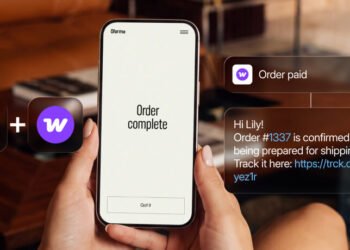
Mobile is often the bridge between inspiration and action. A supporter sees a message and gives. An event attendee receives a reminder and registers. A bidder gets an alert and returns to the auction. An employee receives a prompt and supports a cause that matters.
Generosity is emotional, time-sensitive, and personal. When the moment is there, the experience needs to be simple — not requiring a supporter to search, wait, log in, or navigate friction that breaks the connection between intention and action. Modern Giving makes the path from interest to impact feel immediate.
Modern Giving is personal.
Supporters expect communication to be relevant, digital experiences to be intuitive, and platforms to remember preferences and reduce friction. Giving should not feel harder than the rest of life.
But for many supporters, generosity still feels fragmented. They may care deeply about a cause, but the experience around giving can feel generic, disconnected, or transactional.
Modern Giving raises the standard. It is not about overwhelming people with more messages or more asks. It is about making each interaction more meaningful: better timing, smarter segmentation, more personalized follow-up, better visibility into impact. Personal does not mean complicated. It means removing the friction that gets in the way of generosity.
Modern Giving turns moments into momentum.
Modern Giving does not replace campaigns, events, or appeals. It makes them more powerful. The opportunity is to stop treating each moment as a standalone effort and start treating it as part of a continuous relationship.
A gala doesn’t have to end when the room clears. A peer-to-peer event doesn’t have to end when the walk is over. A text campaign doesn’t have to end when the donation is made. Every moment can create momentum instead — the event attendee becomes a recurring donor, the mobile donor becomes a volunteer, the auction participant receives a meaningful follow-up, the peer-to-peer participant stays engaged long after the event ends.
What momoGood is building — Helping organizations connect moments that have historically been separated, so generosity can move more naturally across the full supporter journey.
The supporter, not the system.
Modern Giving starts with the supporter’s experience, not the organization’s internal structure. A donor does not think in departments, tools, or program areas. They think about causes. People. Stories. Moments. Identity. Impact.
They want to support what matters. They want it to feel easy. They want to know it made a difference. That requires a more connected system — one that recognizes generosity does not belong to a single channel.
Modern Giving moves. Across mobile. Across events. Across workplaces.
Across personal networks. Across causes. Across time.
The next era is already here.
This is not a distant future. Supporters are already mobile-first. Events are already more connected. Workplace giving is being reimagined. Donors expect easier, more personal experiences. The shift is underway. The question is whether fundraising technology, strategy, and experience will keep up.
At momoGood, we are building for a world where generosity moves across moments, channels, communities, and identities. A world where the supporter is recognized as part of a connected journey, not passed from one disconnected experience to the next.
Because the future of giving is not just about raising more in a single campaign. It is about building a better system for generosity itself.
Welcome to the Modern Giving era.