[ad_1]
An event ticketing platform no longer serves a single solution i.e. selling tickets. It kickstarts the overall event flow. Modern event ticketing solutions track ticket sales, transactions, preferences, and registration patterns as well. They determine how check-ins would go at an event. Hence, a reliable event ticketing system is a must for organisers if they want to know every little detail about their attendees right from the get-go. Plus, the ticketing platform is one of the first points of interaction between the attendees and the event. Just like to catch the show of a theatrical release, the first thing people do is visit any ticketing app. If they have a bad experience there, they hardly ever come back to it. The stark difference though is that they can still watch the movie anytime, but events don’t work that way. So, you’ve to get your event ticketing solutions right the first time itself!
The Role of a Reliable Event Ticketing Platform Pre-Event, During the Event, and Post-Event
To give you a better understanding of the major role an event ticketing platform plays in an event’s journey, let’s map out the three major event stages in detail and see how each one is influenced by the event ticketing platform you choose:
Pre-Event Stage:
A digital event ticketing solution makes life easier for attendees before the event even begins. People can browse, select, and buy tickets from any device, at any time, without needing to call anyone or visit a desk. The moment a purchase goes through, the system takes over. Confirmation emails, event details, and thank-you messages go out automatically. Attendees feel looked after from day one, and organisers do not have to manually follow up with anyone.
During the Event:
On the day itself, event ticketing solutions keep entry moving at pace. Staff use mobile apps that sync directly with the ticketing system to scan and validate tickets in seconds. For attendees who want to upgrade or buy tickets at the entrance, a POS integration handles that cleanly without creating a separate queue or manual process. Every scan, transaction, and entry update is recorded in real time, giving the organising team a live picture of how the event is unfolding on the ground.
After the Event:
The data collected across all three stages is where a ticketing platform for events really shows its long-term value. Post-event surveys can be sent directly to attendees based on their ticket type or session attendance. That data then feeds into CRMs or financial tools for reconciliation and deeper analysis. It is the kind of foundation that makes every future event a little smarter than the last.
Also Check: Our blog post on Top Benefits of Event Ticketing Software
The Key Benefits of Using a Good Event Ticketing Platform
After establishing that an event ticketing platform impacts an event’s entire lifecycle at various points, let’s understand its benefits one by one, in more detail:
1. Faster Check-Ins
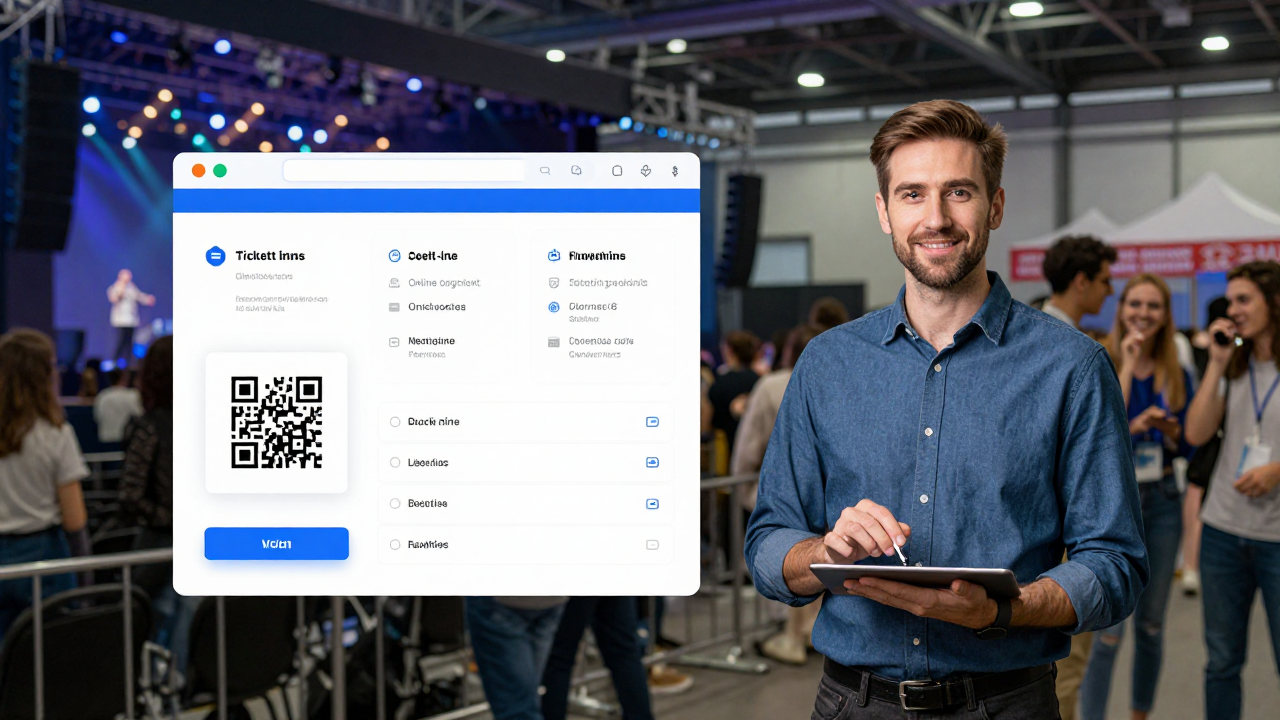
Nobody wants to stand in a long queue before an event has even started. When attendees buy tickets online, they get a unique QR code or M-ticket straight to their phone. At the venue, staff scan it and they are within seconds. No printed lists, no manual searches, no unnecessary back and forth. For large events where thousands of people show up around the same time, this kind of speed matters a lot. It also means you do not need a huge team managing entry because the scanning system does most of the work on its own.
2. Reduced Manual Errors And Staffing Cost
Manual ticketing is where mistakes happen. Duplicate entries, wrong names, missed payments, and registration gaps are all very common when people are doing work that a system should be handling. A digital event ticketing solution takes most of this off your team’s plate. Purchases are confirmed automatically, attendee data is recorded accurately, and the chances of something going wrong on event day drop significantly. Over time, you also end up spending less on staffing because there is simply less admin work that needs a human to manage it.
3. Tracking and Reporting
Every ticket sold and every entry scanned leaves behind useful data. How many people actually showed up? Which ticket category sold out fastest? Which sessions had the highest footfall? A good event ticketing system answers all of these questions without you having to dig around for the numbers. During the event, you get a live view of what is happening. After it, you get reports that help you plan the next one better. It is the kind of information that is hard to get any other way.
Also Read : How to Write a Post-Event Report
4. Multiple Payment Options
People pay differently and that is just the reality today. Some use UPI, some prefer cards, some want net banking, and some still need a cash option. When your ticketing page only supports one or two methods, you lose registrations from people who would have otherwise signed up. Supporting multiple payment gateways removes that friction. It also makes the whole purchase feel more trustworthy, which is especially important when ticket prices are on the higher side.
5. Easy Integrations
A ticketing platform becomes a lot more useful when it talks to the other tools running your event. Hardware integrations connect ticket data to scanners, turnstiles, and POS machines at the venue so entry and on-site purchases happen without any manual data transfer in between.
CRM integrations mean every attendee who registers goes straight into your contact database, tagged with the right details so your team can follow up in a way that actually makes sense.
Badge printing integrations pull registration data directly into the badging system, so onsite badges are printed with accurate information the moment someone checks in.
Event app integrations bring everything together in one place for the attendee. Their ticket, the schedule, session details, and event updates all sit inside the same app they downloaded before the event.
6. Tiered Ticketing And Discounts
Different attendees want different things from your event. A first-time visitor and a returning VIP should not be going through the same ticketing experience. Tiered options like early bird, general, group, and premium passes let you build a structure that works for everyone. Discount codes for partners, sponsors, or specific groups are easy to set up and track. You can see which offers are driving the most registrations and adjust from there. It also helps you bring in more revenue from attendees who want a higher-end experience without pricing out those who just want to attend.
Read More : Top 9 Event Technology Companies in India
7. Customisation For Brand Visibility
The ticketing page is usually the first thing an attendee sees from your event. If it looks generic, it already creates the wrong impression. A platform that supports full customisation means your registration page, confirmation emails, and ticket design all look like they belong to the same event. For sponsors, co-branded ticket categories or confirmation messages give them visibility right from the moment someone registers. When everything looks consistent and intentional, it sets the right tone before the event has even begun.
How to Choose the Best Ticketing Platform for Events?
Everything comes down to this: what kind of an event ticketing platform for events you finally choose. Given the variety of options available out there, it can be difficult to make the right choice, but we have it covered for you. Here are a few things to consider when you decide which event ticketing system to go with:
1. User-Friendly Interface: A glitchy event ticketing platform leads to a massive drop in engagement and ROI. Your ticket page abandonment rate increases and the overall event ROI gets affected. So, ensure that you choose a platform that has a mobile-friendly and web-friendly interface. It has working buttons and clear instructions.
2. Security Tools in Place: When people make payments online, they are often skeptical. The reason being the increasing number of frauds happening online. So, your event ticketing system should have secure payment gateways to ensure people that they are booking via an authentic platform.
3. Sufficient Choices of Ticket Categories: Attendees like options when it comes to ticketing. They may want to book in groups and get a discount on that or they may want VIP benefits, so they like a separate category for that as well. Look for an event ticketing platform that offers tiered ticketing and good discount options.
4. Event Ticketing System that’s Scalable: This is the most important feature. Your event size can be big or small. Whatever it is, you can’t keep changing your ticketing platform for events. It’s a lot of work! So, go with an event ticketing system that grows with you. One that works well for a small corporate conference and a multi-day, large-scale music festival, equally.
The Key Takeaway:
An event ticketing platform does a lot more than selling tickets these days. In a way, it also markets your event. It plays a major role in motivating people to show up at your event! If it’s easy to use, has secure payment options, and is designed well, there’s a measurable boost in the overall event ROI. The primary reason for this is that people have very little patience with online tools. Even a small glitch or lag can make them leave the page altogether. For events, that’s a huge loss. At the same time, organisers need a platform that gives them key information like attendee headcount, buying patterns, and transaction records. Given that an event ticketing system is so important, making the right choice is a must. To do that, look for some key features like scalability, payment security, ticketing categories, and user-friendly interface in your event ticketing system.
FAQs
It manages check-ins, tracks attendee data, and supports post-event reporting.
Yes, a scalable system works for both small and large events.
Good platforms use secure payment gateways to protect every transaction.
Yes, including CRMs, badge printing, and event apps.
[ad_2]
Source_link