If you spend any time in AI search circles, you’ve probably seen people talk about llms.txt like it’s the next big thing. The pitch is simple: add one file to your site and suddenly the ai models powering tools like ChatGPT will understand your content better and cite you more often.
It’s a tempting idea. We’ve all watched a new search engine trick promise the world before. So the real question isn’t just what the file is, it’s whether it does anything for your visibility in AI answers at all.
I dug into it, read the documentation, looked at the actual evidence, and this is where things land.
Let’s get into it.
Key Takeaways:
- llms.txt is a proposed file that tells ai search engines and language models how to read your most important content, a bit like robots.txt or an xml sitemap but aimed at AI.
- It’s easy to implement: you create a plain text file, add your key links with a brief description of each, and drop it in your root directory.
- Right now there’s no solid evidence it improves your visibility or earns you a single ai citation. Ahrefs studied it and found no measurable benefit.
- What actually gets you cited in AI answers is structured brand mentions and features in the listicles and roundups those systems pull from.
- If AI visibility is the goal, your effort is better spent earning those mentions than formatting documentation for bots that may not read it.

Link building cheat sheet
Gain access to the 3-step strategy we use to earn over 86 high-quality backlinks each month.
What is llms.txt?
llms.txt is a text file you place on your site to help a large language model find and read your key content.
Think of it as a companion to the files search engines already use: robots.txt tells crawlers where they can go, an xml sitemap lists your pages, and llms.txt is meant to hand AI a clean, curated version of what matters most.
The idea was proposed by Jeremy Howard in 2024 as an open standard. The problem it tries to solve is real enough.
When ai bots and search engine crawlers hit a modern web page, they wade through navigation, scripts, ads, and markup to find the actual words.
That’s noisy, and it burns context a model could spend on your actual message.
It eats into the limited context window a model has to work with.
Llms.txt is a text file, written in markdown, that points to your most important pages with a short summary of each.
In theory, it would help Google ai overviews and other LLMs pull you into their synthesized answers.
There are actually two files in the spec.
The main one is a simple markdown file listing your key page links. The second, an llms-full.txt file, goes further and includes the full text of that content in one place, so an AI language model can read everything without crawling.
Both aim at the same thing: less noise, more signal, easier for models to parse.
How to Implement llms.txt
The good news is that creating the file is genuinely easy.
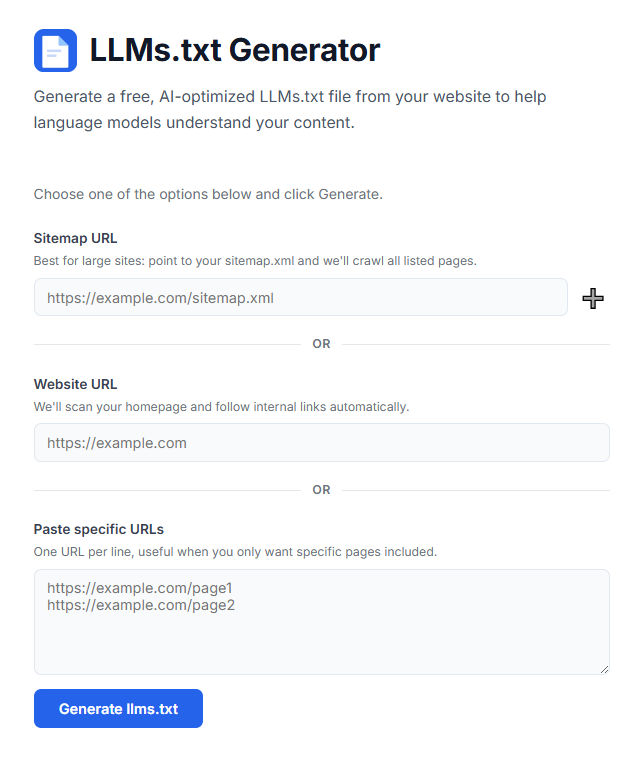
You don’t need to be technical, and you don’t need a special tool, though an llms.txt generator can speed things up if you’d rather not format it by hand.
Here’s the basic shape of it.
Start with an H1 with your site or project name. Add a blockquote summary right underneath: one or two sentences giving a brief description of what your site does.
Then organize your important links under a few H2 sections, grouping related pages together (for example, “Docs,” “Guides,” or “API reference”).
For a documentation site, this maps cleanly onto how your docs are already organized.
Under each heading, list the URLs of those pages as markdown links, each with a short note on what it covers.
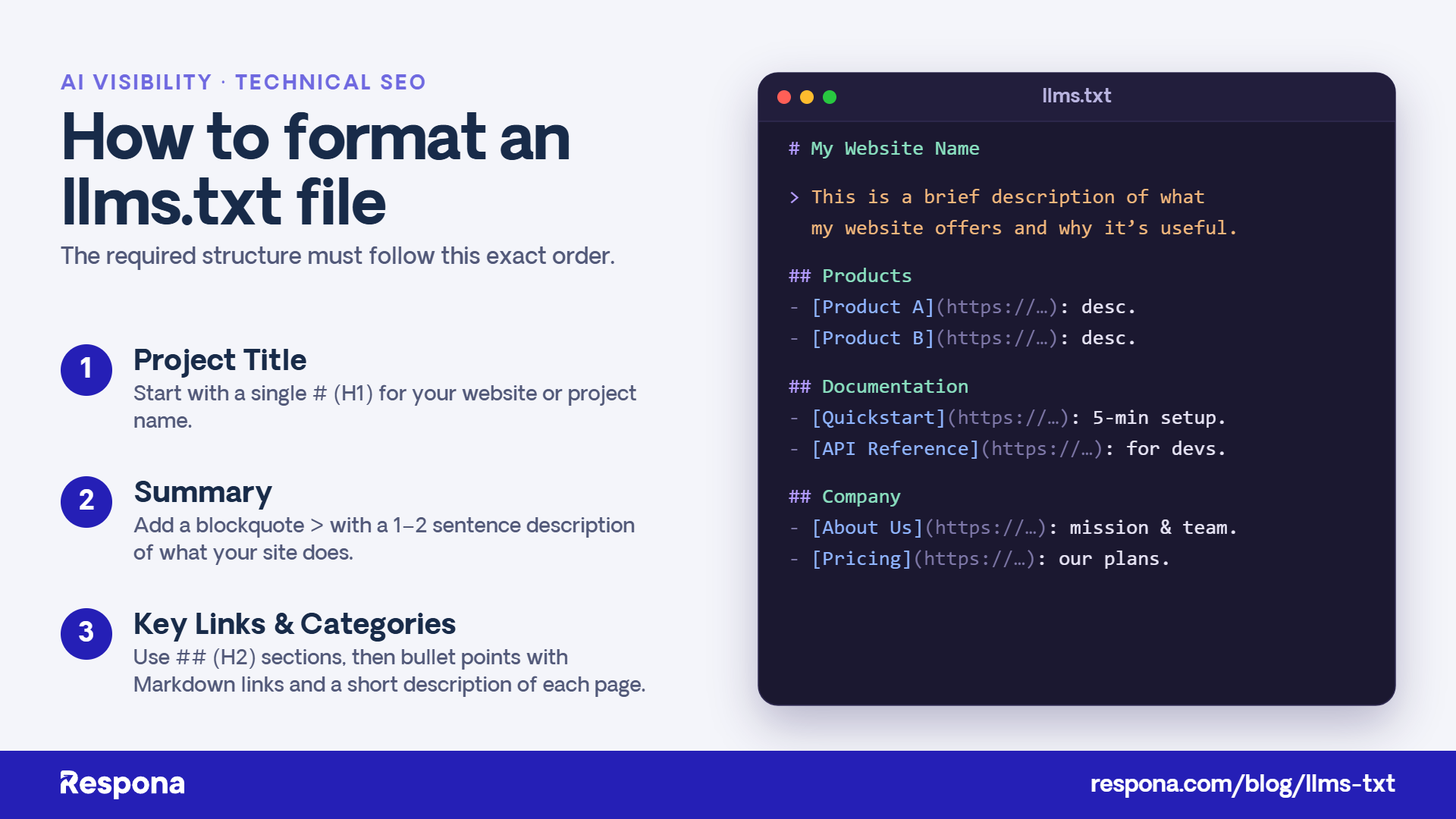
That’s the whole structure. It’s a text file at heart, just formatted with light markdown so both people and machines can read it.
Keep it to your genuinely important content rather than dumping every URL you have. The point is to highlight your best website content, not recreate your sitemap.
Once it’s written, save it as a text file named llms.txt and upload it to your root directory, so it lives at yourdomain.com/llms.txt.
If you’re also doing the fuller version, save that as llms-full.txt in the same place.
That’s it. Following those best practices, the whole job takes a few minutes, and you end up with tidy, structured content any curious model can pick up.
Does llms.txt Actually help?
Here’s the honest answer: right now, there’s no evidence that it does.
That’s not me being cynical. It’s what the data shows.
Ahrefs ran a study looking at whether llms.txt had any measurable effect on AI visibility, and they found nothing.
No bump in citations, no lift from ai driven search, no sign that the answer engines were using the file at all.
And it lines up with what the AI companies themselves have said.
Google has been clear that it doesn’t use llms.txt for its google ai overviews, and John Mueller compared it to the old keywords meta tag: a thing sites can add that the search engine simply ignores.
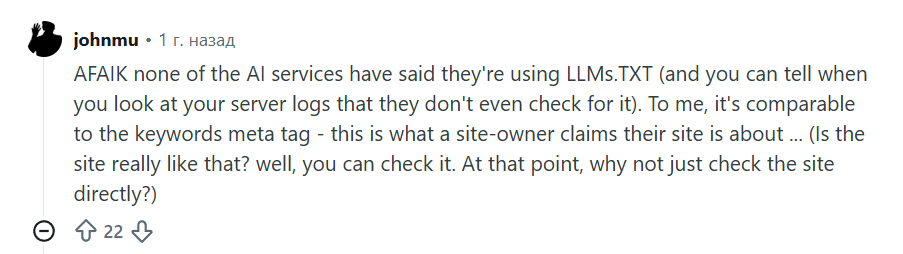
As far as anyone can tell publicly, no major ai platform or ai chatbot currently reads the file to decide what to cite. Even OpenAI hasn’t committed to it.
That doesn’t make the idea worthless forever.
It’s a reasonable proposed standard, and if an ai company decided tomorrow to honor it, everything could change. But you can’t build a strategy on “might work later.”
For google seo specifically, it does nothing, and for AI answers, the AI engines aren’t biting yet.
So by all means add the file.
It’s harmless, it’s quick, and it keeps your structured data tidy. Just don’t expect it to move the needle, because so far it hasn’t.
What Actually Gets You AI Citations?
If llms.txt won’t earn you an ai citation, what will?
The answer is the same thing that’s driven AI answers since they launched: being mentioned in the content those engines already trust.
AI answer engines don’t build their responses from your own website telling everyone how great you are.
They assemble them from third-party articles: the roundups, the listicles, the “best tools for X” posts that rank and get cited.
Pages like these:
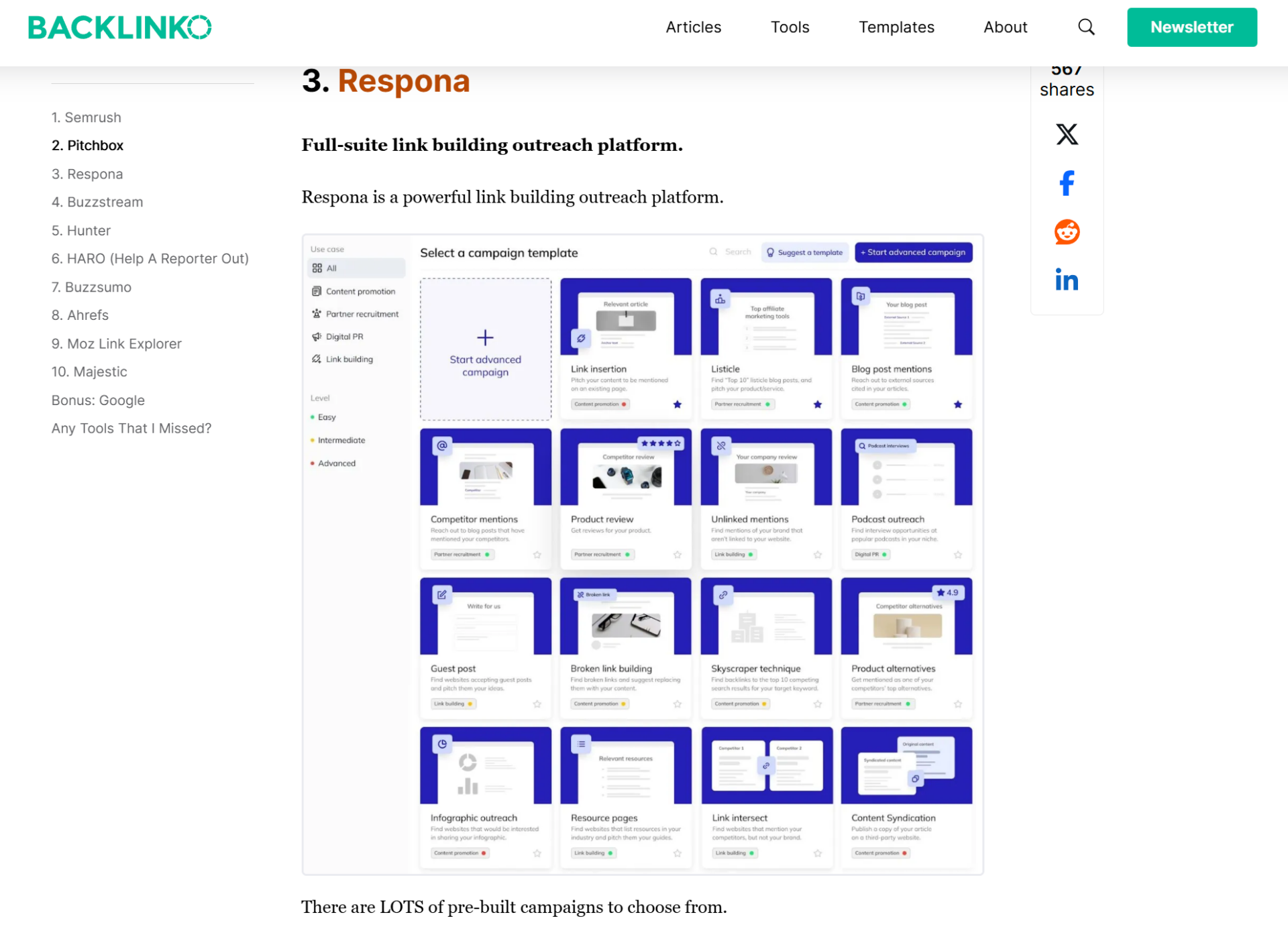
When your brand appears in enough of that relevant content, you start showing up in the answers.
It’s structured brand mentions, not file formatting, that get you there.
That’s exactly the gap we built Respona to close.
Respona is a done-for-you link building service with a built-in AI visibility tracker.
Instead of formatting web content for bots that may ignore it, it gets your brand into the articles AI actually reads.
Here’s how it works:
You place an order and tell Respona the AI prompts you want to get cited for.
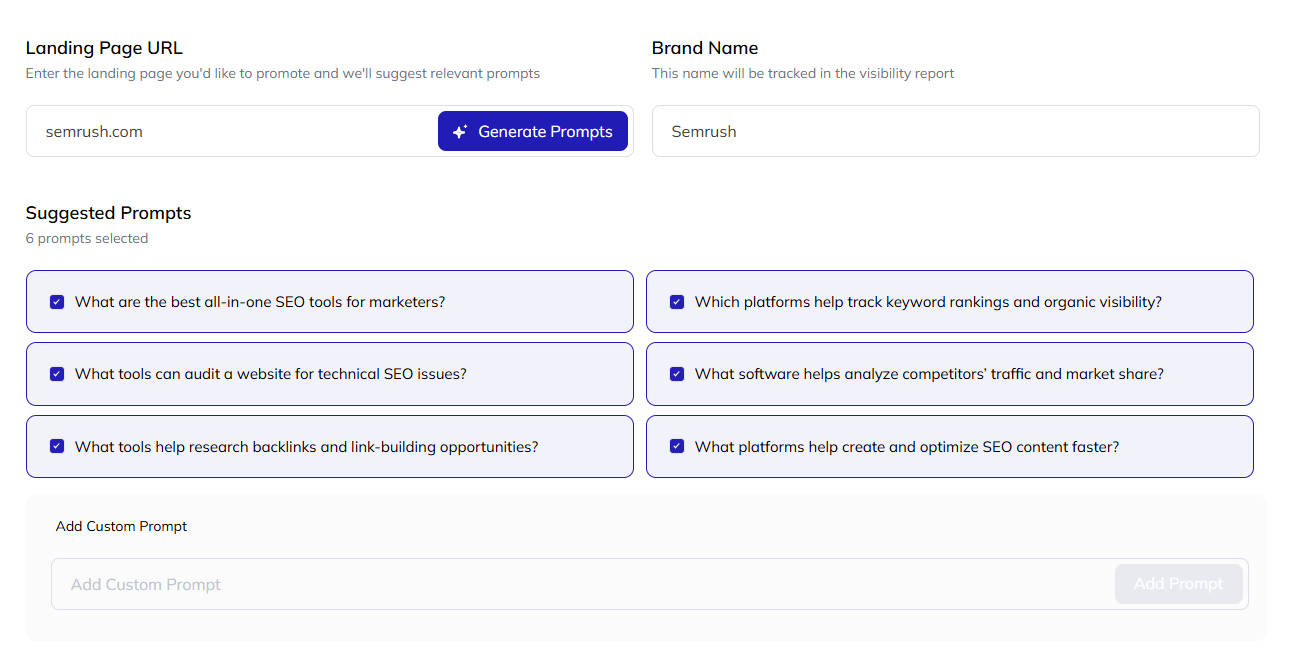
It runs those prompts across the major engines, checks which articles are getting cited right now, and builds a link building action plan: those articles plus similar publications with comparable metrics and keyword profiles.
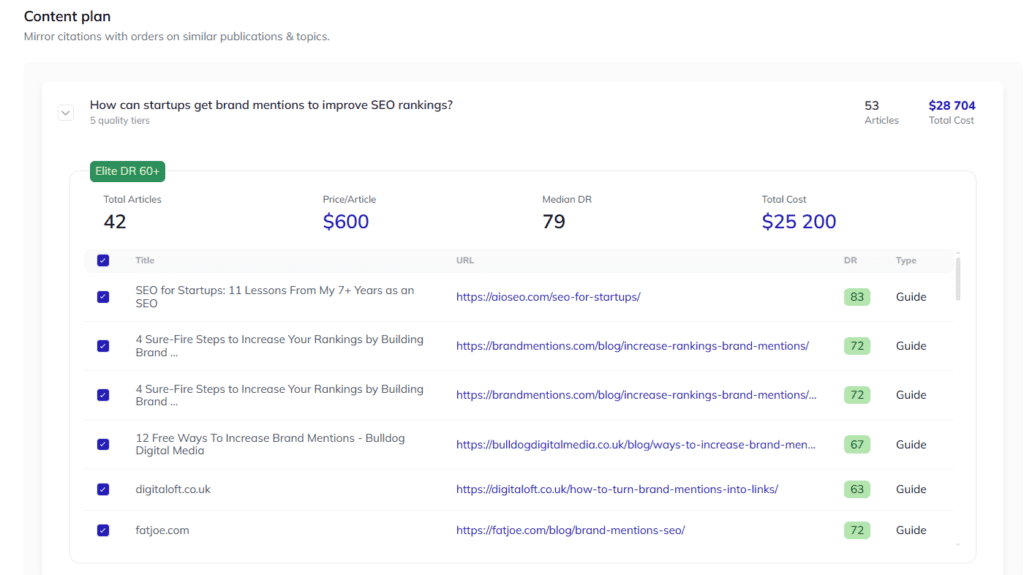
From there, the team runs the whole outreach effort, prospecting, pitching, follow-ups, and placement, so your brand earns a spot in that content.
Every link is editorial, on a real page with real traffic.
Then the built-in tracker monitors your visibility across six engines: ChatGPT, Perplexity, Google AI Overviews, Gemini, Claude, and Google AI Mode.
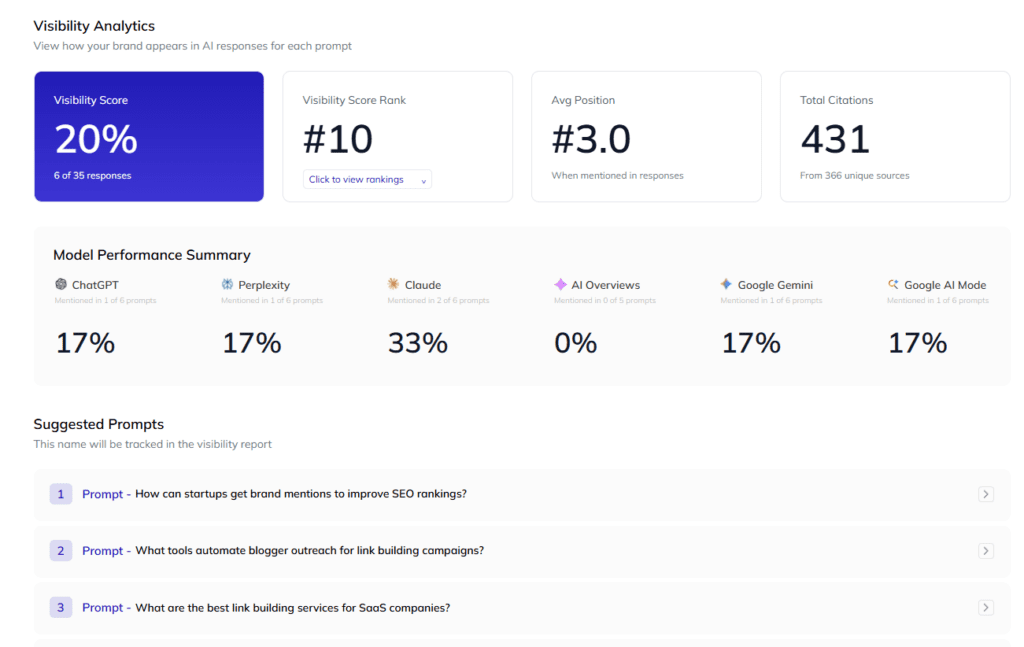
So rather than guessing whether a file did anything, you can watch your citations grow in real time.
It’s a far more reliable tool for AI visibility than a text file the engines don’t read, which is why around 80% of our customers are agencies reselling it to their own clients.
Link building cheat sheet
Gain access to the 3-step strategy we use to earn over 86 high-quality backlinks each month.
Now Over to You
So, what is llms.txt? A tidy, well-meaning file that helps language models read your content, in theory. Does it actually help your AI visibility today? Based on every piece of evidence we have, no.
It’s fine to add it. It costs you nothing and keeps your content organized. Just don’t mistake it for a visibility strategy, because the ai models aren’t using it yet.
If you want to actually show up in AI answers, put your effort where the citations really come from: earning mentions in the content those models pull from.
Place your first order and our team will get you into the articles that AI search actually reads.
Frequently Asked Questions (FAQ)
Is llms.txt an official standard?
Not officially. It’s a proposed standard, first suggested in 2024, and some sites have adopted it, especially documentation-heavy ones where clean documentation is already the norm.
But no major search engine or AI company has committed to using it, so it sits in a kind of limbo: real enough that people implement it, unproven enough that nobody guarantees it does anything.
Will adding llms.txt hurt my SEO?
No. It won’t help your google seo either, but it won’t hurt it. The file is ignored by traditional ranking systems the same way the old keywords meta tag was. At worst it’s a few minutes of work with no payoff.
There’s no penalty for having a tidy bit of documentation sitting in your root directory, and if you run a documentation site it slots in easily.
What’s the difference between llms.txt and llms-full.txt?
The standard llms.txt file is a short markdown file of curated links with a short note on each, pointing AI to your key content.
The llms-full.txt file includes the full text of that content in one document, so an AI language model can read everything in a single pass without following links. Same goal, different depth.
Do any AI models actually read llms.txt right now?
As far as public evidence shows, no. The major ai language models and search tools don’t appear to use the file when deciding what to cite.
That may change if an ai platform adopts it, but today there’s no confirmed case of it driving real AI citations.
If not llms.txt, what should I focus on for AI visibility?
Focus on getting your brand into the relevant content AI engines trust: the listicles, roundups, and articles they cite.
Structured brand mentions across that web content are what consistently earn AI citations. Following AI content best practices on your own site helps too, but off-site mentions do the heavy lifting.