[ad_1]
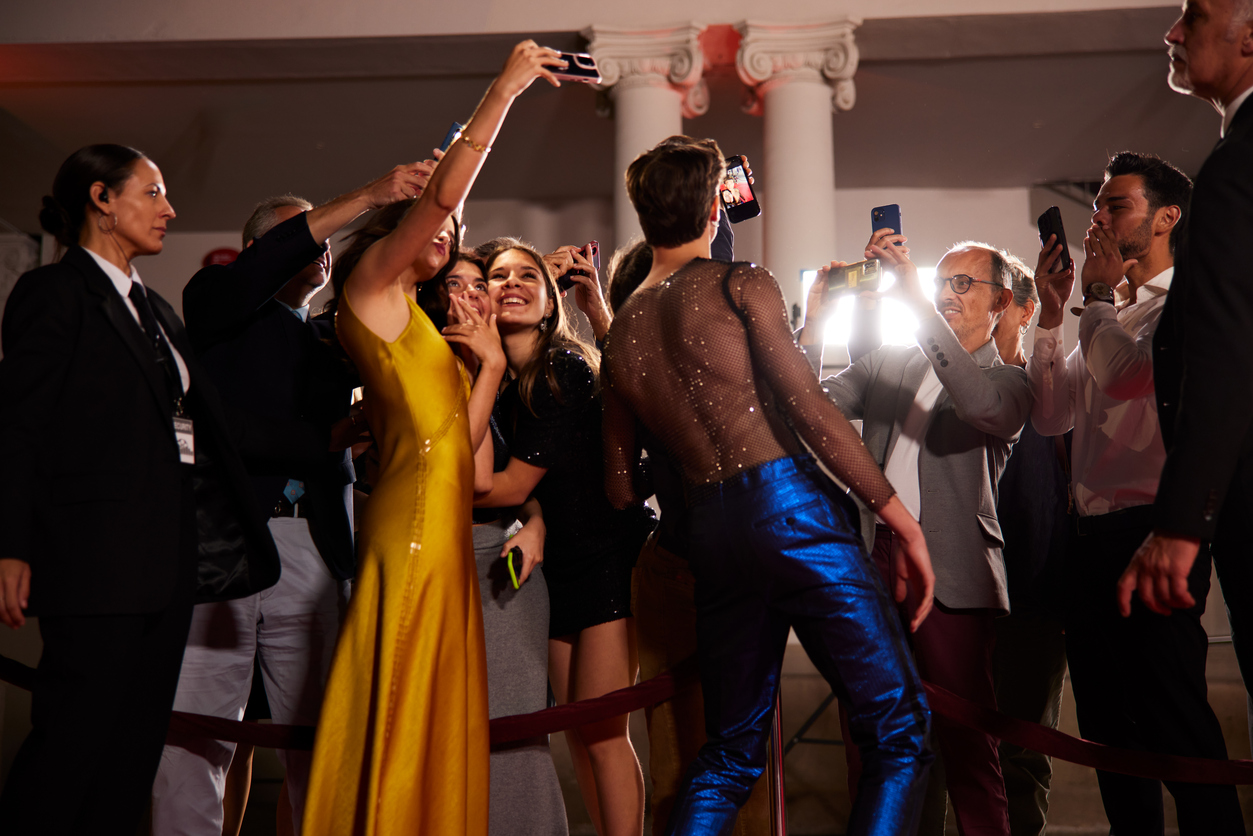
Audiences want to see themselves reflected in the moment.
The Met Gala has always been about spectacle and drama. This year, it’s more pointed.
With the theme “Costume Art,” which illustrates the relationship between clothing and the body, the 2026 Gala leaned into identity, representation and how people see themselves. Outside the gala, controversy loomed as many protested this year’s event sponsors, Amazon founder Jeff Bezos and wife Lauren Sanchez Bezos.
But on the red carpet, Hollywood’s elite showed up to reflect fashion as art. Actress Sarah Paulson arrived with a money blindfold. Heidi Klum was unrecognizable as a living sculpture. Bad Bunny aged himself about 50 years. The exhibit itself showed a shift in mindset, using mannequins that better mirror real bodies in all their shapes, sizes, genders and ages.
This was a big opportunity for brands. Not because everyone jumped into the conversation, but because it sharpened a question communicators ask themselves about when a cultural moment actually belongs to them.
“We have this moment where everyone is seen for who they are and wants to be seen for who they are,” said Jamie Izaks, president and co-founder of All Points Public Relations.
“Think about what that means in moments like this and the cultural moment of a Met Gala when you have so much diversity on the red carpet and maybe there’s connectivity to all different kinds of people in ways like never before.”
That’s the audience mindset nowadays, he said. People aren’t just watching for the jaw-dropping or scandalous moments (though they’re doing that, too). They’re looking for actual connection, he said.
Getting involved can be a major brand win or fail, depending how you go about it and whether your audience sees a reflection of themselves in what you do and say.
Start with what the moment is about
Izaks breaks cultural participation into two paths.
“There’s real participation and then piggybacking,” he said.
Participation means investment and access. Think brands embedded in the event itself, like Vogue, an organizer since 1995, or other fashion and beauty brands.
Everyone else is reacting. This can be successful. But it’s also where mistakes can happen, he said.
“Brands often start with what they want to say, then try to drive a connection to the moment,” Izaks said.
The better approach is the reverse. Start with what the moment is actually about.
This year, Doja Cat and MAC Cosmetics aimed to do that when they teamed up with a series of BTS clips that showed her choosing her look, getting ready and discussing what the moment means.
View this post on Instagram
“MAC worked with Doja for a pre-Met Gala beauty run and tied in a smart collaboration with Ulta,” Izaks said. “It was timely, authentic to both brands involved and naturally tied to the Met Gala conversation.”
At times, Doja Cat speaks directly to the camera, wears sweats around her home as she talks about the look she’s going for and browses the aisles of a local Ulta Beauty store. It works because it feels relatable. The videos have already racked up millions of views collectively.
Finding relevance
Relevance is the main entry point and it can apply beyond fashion, he said.
Izaks said creator partnerships are one way to tap into the conversation naturally. Brands can align with voices that already have credibility in a space, instead of trying to manufacture it themselves.
One Instagram creator, Angelica Hicks, recreates red carpet looks using everyday household items, like balloons or rubber gloves. Sometimes she uses a hashtag to signify a brand partnership. This approach works well for, say, a trash bag company that wouldn’t ordinarily feel natural, he said.
“There’s ways to create more connection to the moment by aligning with a creator who has that following,” he said.
He also pointed to when Katy Perry donned a burger-inspired look during the 2019 Met Gala as a natural way for unrelated brands, like burger joints, to get involved.
“But if you can’t explain your connection in a sentence, your audience won’t get it either,” Izaks said.
Contribution is key
Contribution means adding a perspective or experience your audience actually values. Even relevant brands can sometimes get this wrong.
“A lot of brands comment. Very few contribute,” Izaks said.
Some examples of relevant contribution might be insight tied to your expertise, a creative execution that reflects the moment’s theme or a partnership that expands who gets seen or heard.
“Samsonite’s ‘Jet Gala’ luggage line from 2024 was rock solid in terms of playing into the relevancy of the Met Gala while still clearly tying back to the product in a creative way,” Izaks said.
The brand debuted its luxury Proxis luggage after the Gala wrapped. Suitcases were draped in custom gowns inspired by looks from Zendaya and Lana Del Rey.
On Instagram at the time, the brand said, “Hello beauties. While you were sleeping, we were inspired to create these ‘Jet Gala’ looks.”
“With the ‘Jet Gala’ we aimed to reimagine the thrill and allure of one of fashion’s biggest nights within the realm of travel and luggage,” Nicole Adriance, senior director of brand marketing at Samsonite, told Women’s Wear Daily.
With any cultural moment, it’s important to find your unique tie and run with it. If there isn’t one, don’t force it.
“You don’t earn attention by showing up to the moment,” Izaks said. “You earn it by proving you belong there.”
Courtney Blackann is a communications reporter. Connect with her on LinkedIn or email her at courtneyb@ragan.com.
The post What audiences expect from brands in moments like the Met Gala appeared first on PR Daily.
[ad_2]
Source_link



![The Complete Website Migration Checklist [SEO-Friendly]](https://mgrowtech.com/wp-content/uploads/2026/05/website-migration-checklist-75x75.png)