[ad_1]
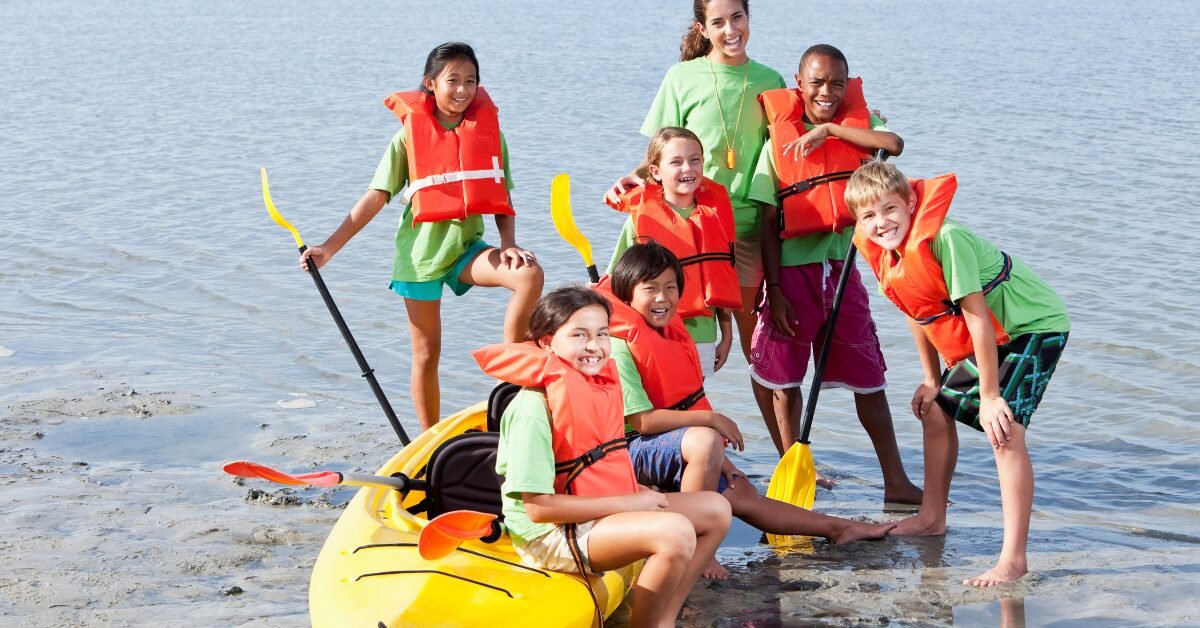
There are more types of summer camps today than there are variations of the camp classic, Red Rover. Day camps and overnight programs. STEM intensives and arts residencies. Community camps and identity-based programs. Single-day exploration and eight-week residentials. For parents, the variety can be overwhelming. For camp directors and program operators, it’s something else: it’s an opening.
Knowing exactly where your program fits in the camp landscape isn’t just useful for marketing. It’s the difference between drawing in the families you’re built to serve and spending your summer camp registration season chasing families who were never quite the right fit.
Most camp marketing tries to appeal to everyone. That’s the problem. Families searching for a summer program already know what they want. They’re using specific words: STEM camp, overnight camp, identity-based summer program. Your job is to make sure they find you when they do.
This guide breaks down every major type of summer camp — by format, by focus, and by community — with one goal in mind: helping you identify the niche your program already occupies (or could), and use that identity to drive better summer camp enrollment, better-fit campers, and a summer that actually looks like what you planned.
The Two Decisions Every Camp Makes
Before you get into themes and summer camp activities, every program answers two foundational questions. The first is structural: does your camp run during the day, or do campers stay overnight? The second is programmatic: do you offer a large mix of activities, or do you specialize in one area?
Those two decisions — format and focus — create four basic configurations: day general, day specialty, overnight general, and overnight specialty. Everything else builds from there. Knowing which one you are makes your marketing sharper, your registration forms more useful, and your summer camp planning significantly less chaotic.
Types of Summer Camps by Format
Format determines logistics: staffing ratios, meal planning, transportation, emergency procedures, and the structure of your summer camp enrollment form. Get clear on your format first.
Day Camps
Campers arrive in the morning and go home in the evening. Day camps are often locally focused, budget-accessible, and a strong option for younger campers or families who aren’t ready for an overnight commitment. They can run anywhere from a single day to a full summer-long program.
Day camp operations move fast. Registration software that handles daily attendance, carpool logistics, and week-by-week enrollment makes a real difference when you’re running at scale.
Overnight (sleepaway) Camps
Campers live on-site for the duration of the session — typically one to eight weeks. Overnight camps offer more immersive programming, longer relationship-building, and real independence development. They also require significantly more documentation at enrollment: medical forms, emergency contacts, medication authorization, and behavioral history.
These camp registration forms benefit most from custom fields and digital submission. Paper packets don’t hold up at this scale.
One-Day and Week-Long Programs
Short-format programs — single days, weekend intensives, and week-long camp programs — are one of the fastest-growing segments in summer programming. They give families flexibility and give directors a way to test new content or serve families who can’t commit to longer sessions.
Week-long camp programs are especially effective for specialty content: a single coding week, a theater intensive, a leadership retreat. Theme ideas for summer camp tend to land best in this format.
Online and virtual summer camps
Online summer camps expanded significantly after 2020 and haven’t gone away. They serve kids in remote areas, families with schedule constraints, and programs looking to reach beyond their local enrollment footprint.
Virtual programs need a different registration setup: platform access, tech requirements, and time zone coordination. They benefit from camp management software that handles digital delivery alongside traditional logistics.
This is where camp identity really lives. Once you’ve chosen a format, your program focus is what families search for, talk about, and drive two hours to find. It’s also what your enrollment copy, your summer camp registration form language, and your social presence should center on.
Traditional Multi-Activity Camps
The classic model: swimming, hiking, sports, arts and crafts, and campfire sing-alongs. Traditional summer camps offer broad exposure rather than deep specialization. They’re often the entry point for first-time campers and families looking for a well-rounded summer experience.
The enrollment draw is familiarity and community. Your marketing should lean into tradition, long-standing culture, and stories from returning campers.
STEM and Educational Camps
STEM summer camps address a real parental concern: kids lose up to two months of academic progress over summer. These programs combine hands-on coding, robotics, engineering, and science with the social and physical elements of a real camp experience. STEAM variations add arts and creative design.
Parents searching for a STEM summer camp tend to be thorough researchers. Detailed program descriptions, instructor credentials, and outcome language on your enrollment page convert well.
Arts and Performing Arts Camps
Theater, dance, music, visual art, film — arts camps let kids go deep into creative disciplines in a way the school year rarely allows. These programs draw kids who already know what they love and parents who want that passion supported over a full summer.
Theme ideas for summer camp in the arts space have an almost unlimited range. Specificity helps: a performing arts camp that also does improv, songwriting, and production design is more searchable and more marketable than a general “arts camp.”
Sports Camps
Single-sport and multi-sport camps cover a wide range — from recreational introductions to serious skill-development intensives for competitive athletes. The enrollment cycle for sports camps often aligns with school sports seasons, so factor that into your registration timeline.
Your summer camp registration form should capture sport-specific information from the start: skill level, age division, and equipment needs. That data makes everything downstream easier.
Outdoor Adventure and Wilderness Camps
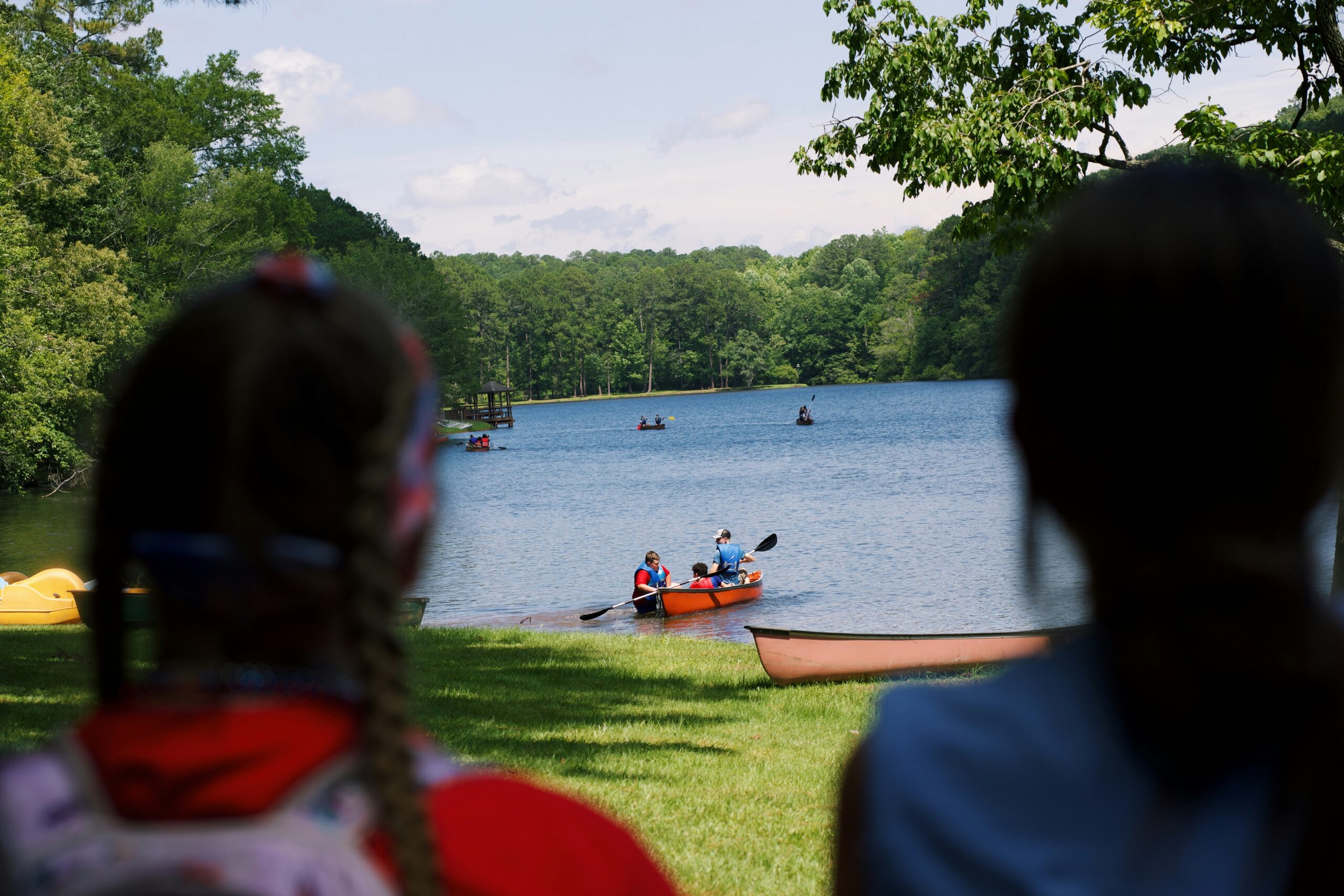
Hiking, kayaking, rock climbing, survival skills, and multi-day backcountry treks. Adventure camps focus on challenge, resilience, and nature immersion. They draw families who want their kids off screens and physically engaged.
Summer camp operations for wilderness programs involve significant logistics: gear lists, trail certifications, weather protocols, and remote emergency procedures. Your enrollment forms need to capture medical and physical readiness data thoroughly.
Community and Locally-Focused Camps
Some of the most undermarketed camp types are locally rooted programs built around neighborhood identity, community service, civic engagement, or regional culture. These camps don’t need to compete nationally — they need to own their geography and serve their community well.
If your camp is community-focused, your summer camp registration reach is local by design. Lean into partnerships with schools, parks departments, libraries, and local organizations for enrollment referrals.
Identity-Based and Affinity Camps
Camps built around shared identity — cultural heritage, language, faith, LGBTQ+ affirmation, neurodivergence, disability, or gender — fill a need that general programs often can’t. They offer a sense of belonging that goes deeper than shared activities.
These programs often have the highest camper retention rates in the industry. The fit isn’t just about what you do — it’s about who you are. Enrollment forms for identity-based camps benefit from using sensitive language, offering optional rather than required fields, and clearly communicating values up front.
Special Needs and Inclusive Camps
Camps designed for children with physical, developmental, emotional, or medical needs provide access to a summer experience for populations that are consistently underserved. Some programs serve campers with specific needs exclusively; others integrate campers across ability levels with specialized staff support.
Inclusive camps require detailed enrollment intake: diagnoses, medications, behavioral plans, accommodation needs, and emergency contacts. Software that keeps this information secure, accessible to the right staff, and easy to update isn’t optional — it’s essential.
Faith-Based and Organizational Camps
Religious organizations, scouting programs, service organizations, and cultural institutions run some of the longest-standing summer camp programs in the country. These camps weave mission and community into daily programming alongside traditional summer camp activities.
Organizational camps often draw from an existing membership base, which changes the enrollment funnel entirely. Your registration system should connect to your membership or donor database, not separately.
How To Find The Camp Type That Connects
Most camps don’t fit neatly into one box — and that’s fine. A day camp can be STEM-focused and identity-affirming. An overnight camp can be faith-based and adventure-driven. The question isn’t which single category you belong to. It’s which combination of format, focus, and community most clearly names what you’re already doing.
The type that connects is the one that lets families say “that’s exactly what we were looking for” — not just “that sounds nice.” Your enrollment language, your registration form structure, and your summer camp planning calendar should all reflect that specific identity.
A Simple Self-Assessment For Camp Directors
- Run through these five questions before your next enrollment season:
- What format do we run? Day, overnight, week-long, virtual, or a combination?
- What’s our core program focus? If a family could only name one thing our camp does, what would it be?
- Who are we designed for? Age range, community, identity, readiness level, geography.
- What do our returning campers say we are? What they say is your best enrollment copy.
- What does our registration form collect? It should reflect your camp type. If it doesn’t, that’s a gap worth fixing.
Frequently Asked Questions
What are the different types of summer camps?
The different types of summer camps include day camps, overnight (sleepaway) camps, STEM and educational camps, sports camps, arts and performing arts camps, outdoor adventure camps, faith-based camps, special needs and inclusive camps, and identity-based programs. Camps can also be categorized by format — week-long, one-day, or virtual — and by general versus specialty programming.
What Is The Most Popular Type of Summer Camp?
Traditional overnight camps and day camps remain the most common types of summer camps in the U.S. Within those, STEM and sports camps have seen the fastest enrollment growth in recent years. The most-enrolled type ultimately depends on the community — local families often favor day camps, while families seeking an immersive experience tend to favor overnight programs.
What Type of Summer Camp Is Best For My Child?
The best type of summer camp matches your child’s interests, readiness for independence, and schedule. A kid who loves building and problem-solving may thrive at a STEM camp. A social kid who’s ready for time away from home may do well at an overnight program. Start with what your child is curious about, then find a camp that does exactly that.
Pro Tips For Camp Directors: Owning Your Niche
These are the moves that experienced directors make before enrollment season opens:
- Name your camp type clearly in your enrollment text. Families searching for a STEM day camp, an identity-based overnight program, or a week-long arts intensive are already using those words. If your summer camp registration page doesn’t use them too, you’re invisible to the families you’re built for.
- Don’t compete on price — compete on specificity. The most-enrolled camps aren’t the cheapest ones. They’re the ones that make families feel like the program was made for their kid. Genre clarity does that faster than any discount.
- Let your camp registration form reflect your identity. A faith-based camp’s enrollment form should look different from a wilderness program’s form. Custom fields, intake questions, and waiver language should all signal to families that you know exactly who you serve.
- Use returning camper language as your best marketing content. At the end of each season, ask families: “In one sentence, what is this camp?” Their answers will tell you more about your program identity than any meeting will.
- Build your summer camp planning calendar around your camp type. A one-day pop-up camp and an eight-week overnight program have completely different operational rhythms, enrollment windows, staffing timelines, and logistics. Plan from your identity outward.
- Think regionally if you’re community-focused; think thematically if you’re specialty-focused. Local and community camps grow through referrals, partnerships, and neighborhood trust. Specialty camps — STEM, arts, sports, identity-based — can draw from a much wider area if their programming is specific enough, and good enough, to be worth the drive.
Know What You Are. Say It Plainly.
The landscape of summer camps has never been more varied — or more searchable. Families know what they’re looking for. The camps that fill their rosters are the ones that know what they are and say it clearly.
Whatever format you run, whatever your program focus, whatever community you serve: own it. That identity is your strongest enrollment tool.
Ready to build a registration experience that actually reflects who you are? Explore our camp registration software and see how custom forms, camper records, and smart enrollment tools help you find the families who are already looking for exactly what you offer.
[ad_2]
Source_link