Plus: Netflix-Warner Bros. merger faces a public affairs slog; RIP the metaverse.
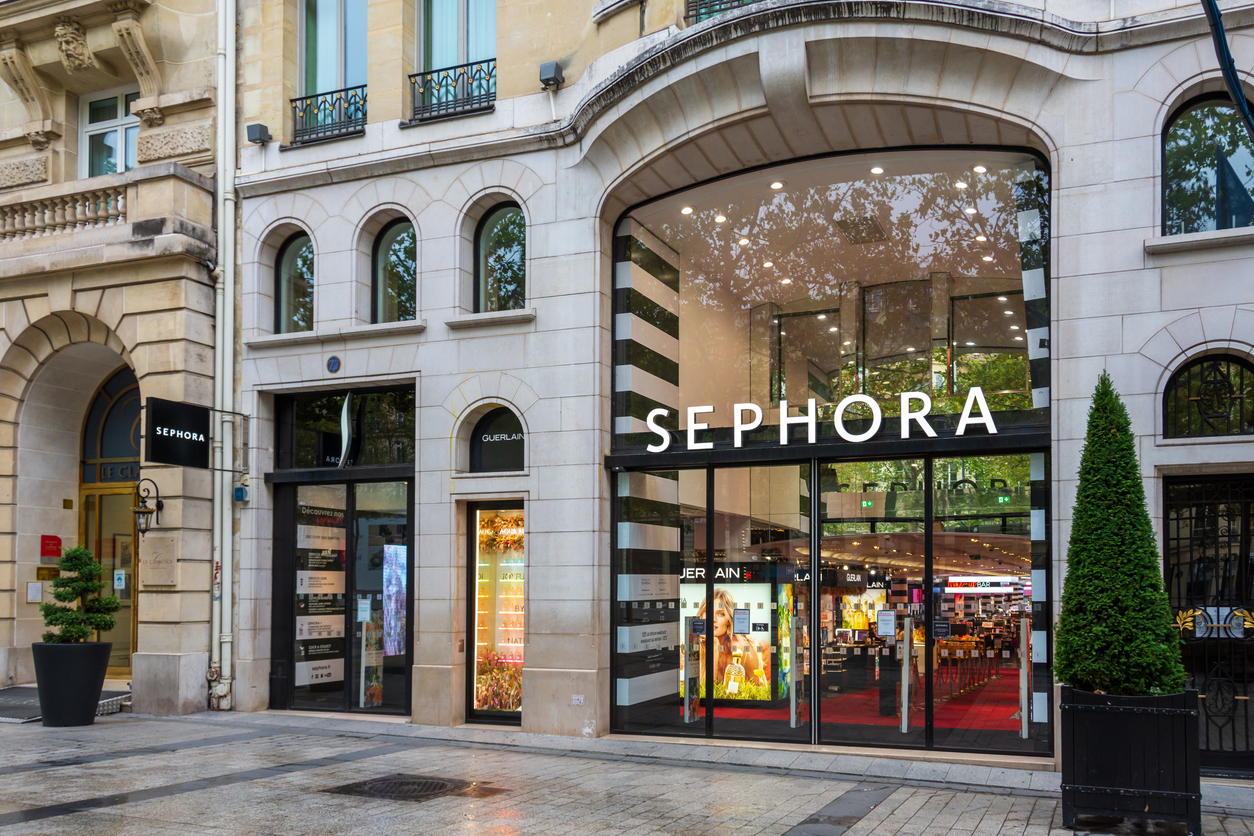
Sephora is thriving, even as the overall economic picture gets tough.
Part of this may be due to the lipstick effect: an economic theory that in downturns, people are still willing to splurge on minor luxuries like cosmetics, even when they might not be willing to go in on big-ticket items like purses or cars.
Sephora understands this – and uses it to their advantage.
“We provide that taste of something positive, something colorful in difficult times,” Catherine Spindler, president of Sephora Europe and the Middle East, told the Wall Street Journal Magazine. “It’s a destination of happiness.”
Deborah Yeh describes every item in the store as “a little jewel.”
That aesthetic commitment to the stores as well as the products within has made Sephora stores a destination even as more and more commerce is pushed online. Tweens flock to the stores for (unofficial) birthday parties and mini-stores inside Kohl’s make it widely accessible.
The stores also lure audiences in with their exclusivity. Sephora reportedly requires two-year exclusivity deals in order for new brands to gain access to their stores, which ensures customers build loyalty and return again and again, even as buzz builds for their products online. Influencers can now work directly with Sephora to sell products without third-party affiliate companies requiring a cut.
And in-person activations also help build excitement and grow sales, both through marketing deals with the WNBA and Hulu as well as their own SEPHORiA fan event.
“Boring retail is dead, attractive retail is alive, and that’s our business,” said Guillaume Motte, Sephora’s global president and CEO.
Why it matters: Sephora is thriving because it makes purchasing an experience, both online and off.
Its stores serve as a billboard: brightly lit locations with beautifully packaged products. Whether you see one while walking by or in a video while scrolling, the temptation to see those “little jewels” grows. The brand is committed to not just positioning its products as things that make you happy, but the entire purchasing experience, which in turn increases foot traffic and purchases.
Many of these are product and design decisions, not PR. But at the same time, these choices are increasingly becoming part of PR. When so many of our opinions are shaped by what we see in videos shot by either influencers or regular people on location, having a beautiful store, well-packaged products and a clear aesthetic is increasingly a part of influencing the public.
Not every brand can spark joy through small purchases. But what are some ways you can associate your brand with positive emotions, even during difficult moments?
Editor’s Top Reads:
- The Netflix-Warner Bros. deal could reshape Hollywood, but its future is far from certain. One of the biggest stumbling blocks to the major merger is regulatory approval. In 2025, that means an all-out public relations campaign designed for an audience of one: President Donald Trump. Despite early conversations with Netflix co-CEO Ted Sarandos, Trump expressed some skepticism of the deal. “(Netflix has) a very big market share,” Trump said. “When they have Warner Bros., that share goes up a lot.” He said it “could be a problem.” Trump is notoriously malleable and open to wooing when it comes to closing a deal. Expect a full-court offensive from the companies, both in public and in private. That could include everything from flattery to promises to create the kinds of content Trump favors or hire his preferred entertainers. Today, getting a major deal closed means more than just building a strong case: it means personal, targeted persuasion of the most powerful man in the world.
- The metaverse, Mark Zuckerberg’s beloved virtual world that prompted him to rename his company, is on the ropes. Meta reportedly cut its metaverse budget by up to 30%. Zuckerberg had promised that the metaverse would transform the way we live and work, with digital avatars who live out virtual lives. But he was never able to build a strong case for why people would want to do this and harmed his case with notoriously awkward product rollouts – remember the legless avatars? But despite this death knell, it’s important to remember that the concept of digital worlds and economies is still going strong. From Roblox to Fortnite to Decentraland, these communities still have strong potential for online activations and PR moments. What’s disappearing is a push for worlds without a strong reason for existing. What won’t fade away are places for people and brands to connect with meaning and fun.
- The New York Times is suing Perplexity for unauthorized use of its content in the AI company’s LLM. The Times claims that for the last 18 months, it has demanded Perplexity stop using its content without compensation, without effect. Perplexity is also the subject of lawsuits from other media companies including The Chicago Tribune and Dow Jones. Perplexity responded with a surprisingly flippant statement: “Publishers have been suing new tech companies for a hundred years, starting with radio, TV, the internet, social media and now A.I.,” said Jesse Dwyer, Perplexity’s head of communication. “Fortunately, it’s never worked, or we’d all be talking about this by telegraph.” It’s a bold position to stake out, especially as other LLMs are striking deals with publishers for access to their content. The legal precedents here could have massive impacts on the media world: If LLMs have free rein to take content from anywhere without remuneration, it’s hard to see how media companies survive. These are cases to watch extremely closely.
Allison Carter is editorial director of PR Daily and Ragan.com. Follow her on LinkedIn.
The post The Scoop: The secret to Sephora’s marketing dominance appeared first on PR Daily.