Plus: Orgs search for human-made standard; how Wired became cool again.
In the midst of war with Iran, a dangerous, destabilizing and false rumor emerged: Had Israeli Prime Minister Benjamin Netanyahu died?
Skeptics scrutinized images of his official addresses and claimed he had six fingers — a common tell for AI-generated videos.
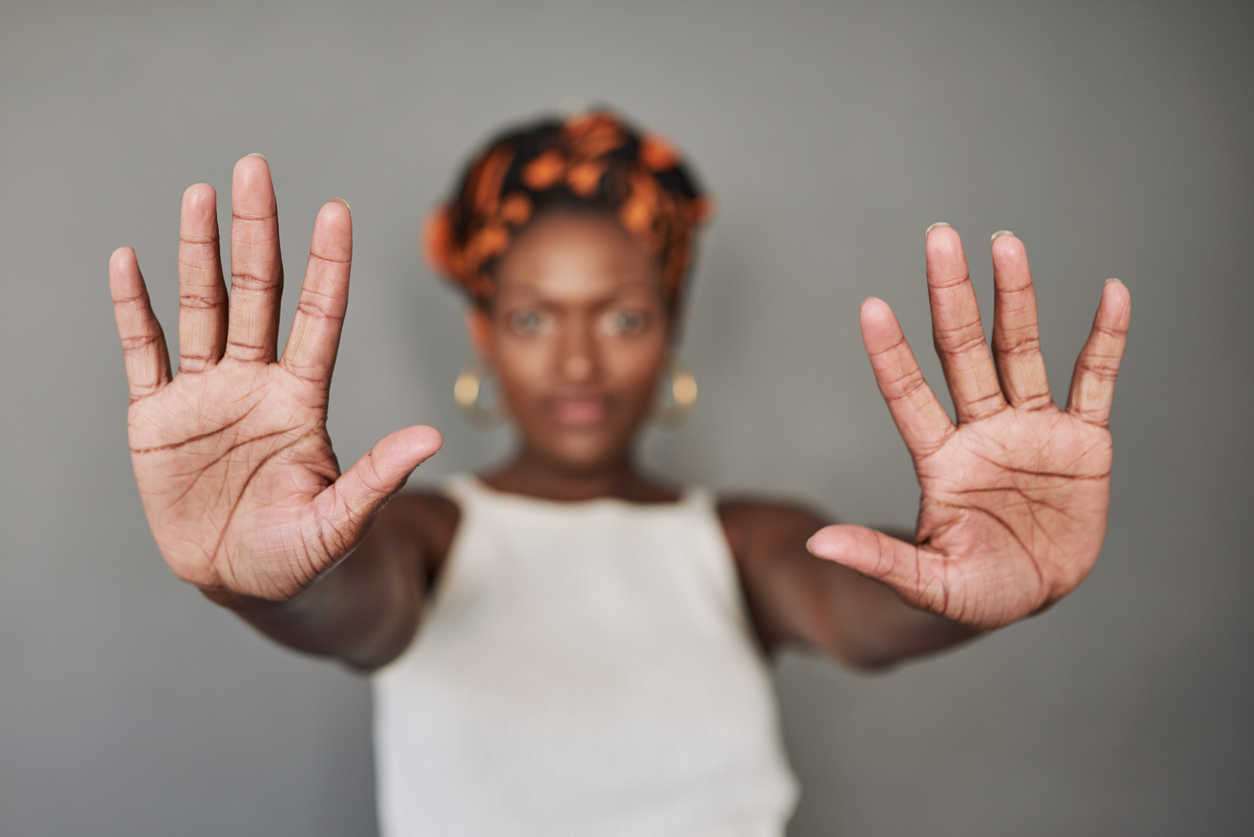
So when Netanyahu needed to prove he was alive, well and not AI-generated, he held up his hands to show he, indeed, had the proper number of fingers.
The concept of dismissing real videos as AI-generated is known as the “liar’s dividend.” Everything can be questioned, nothing is real and a conspiracy theory could lurk behind even the most innocuous-seeming video.
And, indeed, AI-generated deepfakes are unquestionably playing a role in the war with Iran. One widely disseminated image of a bloody, dusty backpack was shared from the Iranian embassy in Austria, ostensibly from a real, accidental missile strike by the United States against a girls’ school that left at least 175 dead. But though the incident was real, that image was AI-generated.
Why it matters: Obviously, not being able to tell truth from fiction and the entire world being destabilized by deepfakes during wartime is problematic to every person on planet Earth. But let’s attempt to set that aside to focus more deeply on the communications implications.
Even before the rise of AI, people’s trust was low, battered by the pandemic and years of politics that leaned into “fake news” to describe any story a politician disliked. But now, when there’s a decent explanation that people shouldn’t believe their eyes, it might feel impossible to get people to believe your messages.
It’s not. It’s just harder.
Things like showing hands might seem silly, but it can signal that leadership understands the questions of trust at play and are working to mitigate rumors. Transparency around how AI is being used can also help build trust (more on that below). If you’re always clear about when AI is at work, people will be more likely to believe you when you say something is unaltered.
Ultimately, we as a planet will have to confront the problem of belief in unbelievable times. In the meantime, offer as much explanation, transparency and honesty as possible. That will earn you more trust when things get unbelievable.
Editor’s Top Reads:
- In an effort to address the problem above, groups around the world are attempting to create a trusted stamp to indicate that content, ranging from images to books, was made without the use of AI, the BBC reports. While some of these are just watermarks anyone can apply to their work using the honor system, others are true certifications with verification from auditors that the work is indeed AI-free. Still, with AI so common in everyday products, it can be difficult to determine what that even means. If someone wrote a book and used Grammarly to help copyedit, is the work AI-free? This movement shows several things: The need for transparency, a growing backlash against AI-produced content (especially art) and the current lack of standardization in the space. This is definitely an evolving area to watch — and to consider how you present your own content.
- In an era where there is increasing pressure on media outlets to either ignore politics or report in a certain manner, tech magazine/website Wired is going all-in. And they won’t apologize, either. “If you still don’t understand why Wired covers politics, you are either willfully ignorant or a complete idiot,” top editor Katie Drummond told the New York Times. From following the political machinations around AI to tracking Elon Musk’s now-defunct DOGE, Drummond’s approach has earned some complaints from the old-school tech establishment. But it’s also a rare bright spot in the world of media: It gained 200,000 subscribers and increased revenue by 24% in the last year alone. “We cover technology with a great deal of curiosity,” Drummond told the Times, “With a great deal of skepticism as I think behooves any smart journalist, with an eye toward accountability, which I believe is of paramount importance in this moment.” The lesson here is two-fold. First, Wired is cool again, pitch Wired. But also look at what you might learn from their bold strategy. Wired is taking the risk of standing for something, going deep, and holding people accountable. In a time where companies are terrified of driving away even a single customer by taking a stand, Wired is doing the opposite. It’s shaking things up, holding people accountable and earning an audience that appreciates that. Rather than going along with the way things have always been done, they’re breaking the mold — and winning over new fans in the process.
- Who’s moving the needle on TikTok right now? Social analytics company Social Blade has released a list of the most-followed TikTokers of the moment. These include some names who are big on other social platforms, like MrBeast with his 124.7 million followers (a pittance compared to his 471 million on YouTube); some who got big during TikTok’s pandemic lipsynching hay day, such as Charli D’Amelio and Bella Poarch; and some names from outside the Anglosphere, including Indonesian creator Willie Salim and Mexican influencer Kimberly Loazia. The biggest TikToker on the platform, however, is Khaby Lame, a Senegalese and Italian creator who rose to fame for his straight-faced reactions to ridiculous DIY videos. He commands an army of 160 million followers. This list shows the diversity of the platform. Creators hail from a variety of countries and appeal to different audiences. Some focus on the dances that made TikTok famous, while some are comedians, game show hosts, singers and more. TikTok is as diverse as flipping through the channels on TV used to be. How does this impact your influencer marketing plan?
Allison Carter is editorial director of PR Daily and Ragan.com. Follow her on LinkedIn.
The post The Scoop: The new ‘proof of life’ is showing your fingers appeared first on PR Daily.



![Pay for Performance SEO: Top 30 Companies [2026]](https://mgrowtech.com/wp-content/uploads/2026/03/pay-for-performance-seo-350x250.png)