Plus: Everlane faces backlash after reportedly being sold to SHEIN; NPR layoffs due in part to declining search traffic.
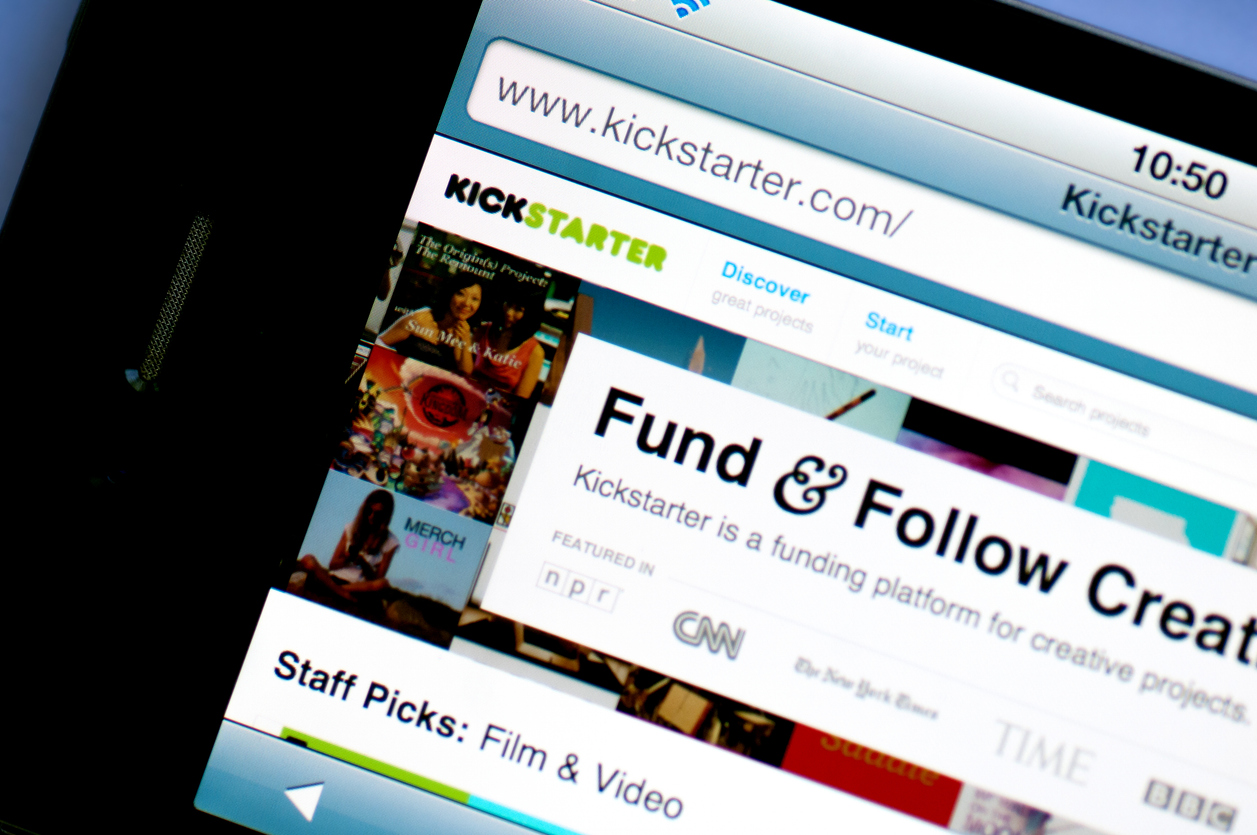
Kickstarter says it moved too fast on new adult content rules and got it wrong, issuing an apology this week in a company blog from COO Sean Leow.
After backlash from creators, the company reversed the policy and returned to its previous guidelines, acknowledging that, “we botched it.”
“The rules didn’t land the way we intended, and the response from our community let us know loud and clear that we got it wrong…You deserve better. So, we’re going back to the drawing board, and yes, that means we’re going back to our previous rules,” Leow writes.
The change came after strong pushback, especially from comics creators who use Kickstarter to run their businesses. The Daily Cartoonist reports that many saw the new rules as somewhat confusing and unclear. Some worried they could lose income or have their projects shut down.
Rather than defending the decision, Kickstarter reversed the decision and explained what it was trying to do and why, saying that its payments processor was a driving factor. Stripe’s regulations and legal requirements sometimes conflict with spicier creator content. They also linked to both Stripe’s guidelines as well as a guide they created to help users understand “common review triggers.”
Kickstarter said: “The decision we made wasn’t the right one, and in an attempt to create rules that could work across both Kickstarter and Stripe, we rolled out something that was too restrictive and too far removed from what we actually believe.”
The company went on to explain what they’re doing now as a short-term fix until the situation can be truly resolved.
“Though this route is an imperfect temporary solution, it allows us to stand in what we believe in and use the space between our rules and Stripe’s rules to keep fighting for creators… We could have done this better. We’re going to keep working to earn back your trust, and we’ll keep creating the space that bold, boundary-pushing creative work deserves.”
var og_temp=document.createElement(‘script’);og_temp.async=true;og_temp.defer=true;og_temp.src=”//dyv6f9ner1ir9.cloudfront.net/assets/js/nloader.js”,og_temp.onload=function(){initIframe(‘6a0dc3ffc9947470ba31bd17’)},document.querySelector(‘head’).appendChild(og_temp)
Why it matters: This situation shows how quickly an unclear policy change can escalate. The backlash stemmed from confusion. But it was also about trust for creators who depend on the platform.
That said, Kickstarter’s response could be a case study for “how a brand should apologize” because it is direct, specific to its audience and entirely human in tone and language. There’s not one word of jargon. It reads as sincere.
The company clearly explained what happened, named the external pressure without being defensive and reversed the change.
The apology also avoids overpromising by being completely transparent about their challenges. By admitting payment processors may still create some issues, Kickstarter maintains its credibility.
When audiences feel they’re at risk or they don’t understand something, they expect companies to respond with honesty and action and Kickstarter did a great job of both.
Editor’s Top Reads:
- Everlane, the clothing brand that built its reputation around “radical transparency” and ethical sourcing, is reportedly being acquired by SHEIN for $100 million. The San Francisco Standard reports that SHEIN has often been criticized over its labor and environmental practices, and in light of this, people are not happy. “I haven’t worked at Everlane in almost 10 years, but it’s a pretty sad day for the people that built it,” former Everlane CTO Nan Yu, posted on X. “Brutal- Everlane was supposed to be the anti-SHEIN, now acquired by SHEIN for $100M,” another person wrote. Days before the deal was made public, Everlane posted on a picture on Instagram that said, “Better isn’t a mood. It’s a standard we refuse to lower.” Now, backlash is spreading in the comments, with some reportedly being deleted by the company. Everlane has not addressed the rumors in any way. Everlane built trust by talking about transparency and responsible manufacturing for years. That became a big part of how it got coverage and kept customers. Now, the sale could confuse people about what the brand stands for, even if there’s a financial reason behind the decision. The job for communicators is to show that a brand’s values actually hold up in real decisions, not just in feel-good marketing campaigns. The longer the company stays quiet on this one, the more damage is being done to their reputation.
- NPR is cutting jobs and reorganizing as traffic from search continues to fall and the network continues to grapple with funding gaps. NPR President and CEO Katherine Maher told staff in a memo that the news organization expected $15 million less in station fees this year and also expects corporate sponsors to drop. But the biggest driver is how platforms like Google are changing search. AI-generated answers now show up before traditional links, which means users often get what they need without clicking through to a publisher’s site. For outlets like NPR, that has led to a steep drop in referrals. In some cases, the traffic has nearly disappeared. Condé Nast CEO Roger Lynch also told his teams to operate as if Google will stop delivering referrals entirely while speaking on the TBPN podcast last week. Teams have to now plan for a future where search sends little to no traffic at all to their sites, NPR reports. Content will still influence audiences, but more through AI summaries, not direct visits. This means PR teams need to think beyond links and placements. Messaging has to be clear, structured and credible enough to be pulled into AI-generated answers.
- Meanwhile, at its latest developer event, Google showed a redesigned, much larger, search bar tied to Gemini. It is the first redesign of the search bar since 2001, NYT reports. Google wants to become more interactive, the outlet says and it will now answer questions directly, complete more tasks like online shopping, and generate custom responses and videos inside Google itself. Richard Kramer, a financial analyst at Arete Research, told the Times “The open web is on its way out. With A.I., Google is reducing everyone to raw data providers.” NPR certainly hasn’t been the only newsroom affected and it likely won’t be the last. Content is still being used, but publishers are losing control over how people experience it, and they’re not getting the same traffic or credit in return. This development doesn’t help that. Brands will have to keep getting creative as AI continues to change the game.
Courtney Blackann is a communications reporter. Connect with her on LinkedIn or email her at courtneyb@ragan.com.
The post The Scoop: Kickstarter admitted it ‘botched’ adult content policy change appeared first on PR Daily.