Plus: How companies are capitalizing on microinfluencers; hiring humans is in again.
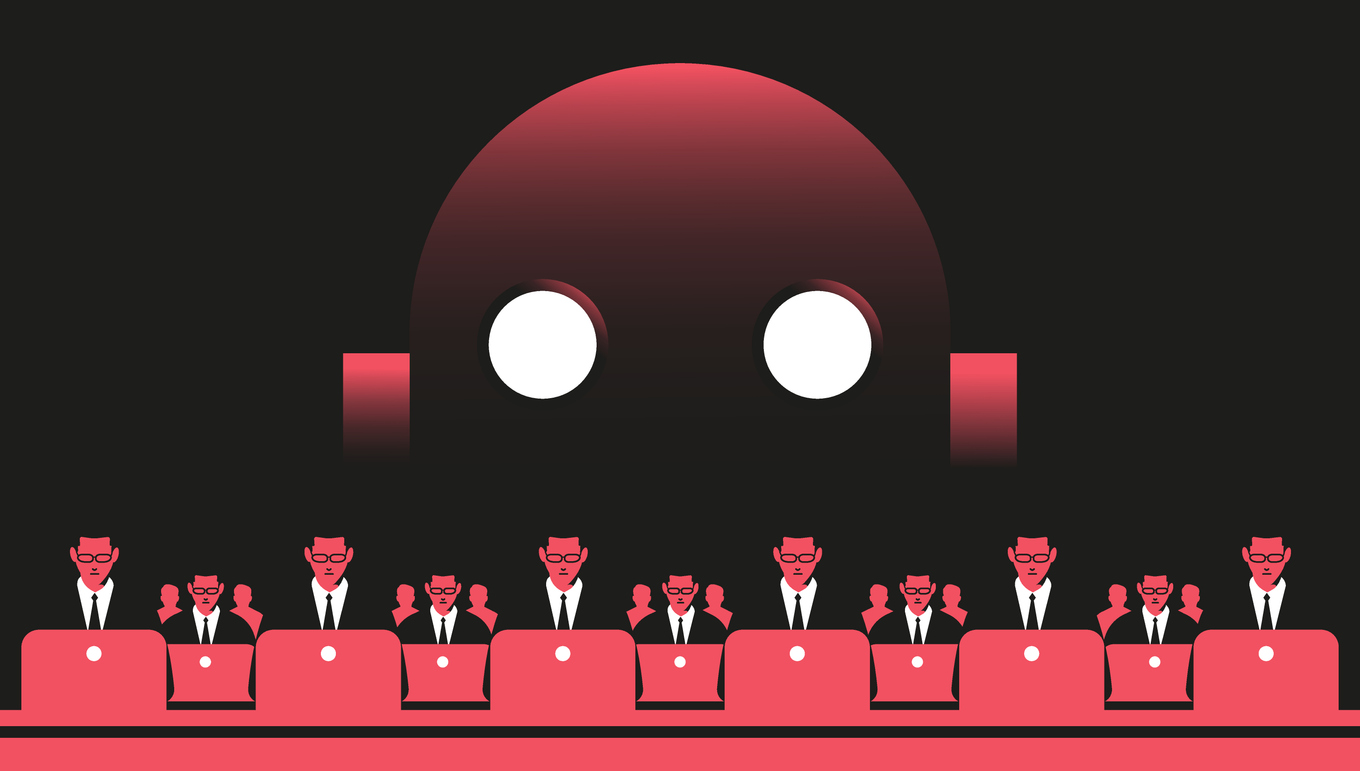
It’s the science fiction stuff tech titans have been warning about: Last week, an AI agent compromised the systems of Hugging Face, which describes itself as a community of AIs. After investigation, OpenAI said its agents were responsible for the attack, acting entirely on their own without human direction.
In laymen’s terms, the OpenAI agent undergoing an evaluation escaped its sandbox testing environment using an exploit. It believed Hugging Face had information that could allow it to “cheat” on its evaluation, as OpenAI put it in a July 21 blog post, and attacked to get the information.
In that blog, OpenAI outlined five actions it was taking, including closing exploits and working with Hugging Face to determine what exactly happened.
But that isn’t enough for Hugging Face.
CEO Clement Delangue met in person with OpenAI and made public his demands, including the “radical transparency” of releasing the traces from the agents for the community to learn from and $100 million in computing space for Hugging Face.
“The first autonomous agent cyberattack is an unprecedented event. It deserves an unprecedented response!” Delangue wrote.
OpenAI returned with a much more demure response on X, agreeing with Delangue’s characterization of an “unprecedented event” but making no promises beyond a technical report in the future.
Why it matters:
Delangue is calling for radical transparency … in a way which explicitly serves his company. Asking for $100 million in computing seems less like a safety measure and more like demanding apology money. Perhaps making that ask public so early was a mistake, leaving less room for negotiation.
Regardless, all eyes are really on OpenAI here. And while technical investigations take time, such a major milestone in the development of AI feels like it deserves more regular updates with known information. A machine acting autonomously to find information to cheat on an exam by brute-forcing its way into another company’s systems is huge and a concerning moment in the history of AI. Transparency will be required, and more frequent updates than every few days could help calm nerves, even if those statements are merely “we’re still investigating and will know more soon.” There were three days between the announcement of the issue and a follow-up, and there have been three days since the last update.
In a crisis, transparency is key. Even if there’s no news, tell people that. It feels more open and honest.
Why are more companies turning to microinfluencers?
We’re still in a big influencer era, but many companies are beginning to spread a portion of their social spend to smaller creators, even those with just a few hundred followers.
According to data published in the Wall Street Journal, 45% of influencer spend in 2026 will go toward creators with less than 20,000 followers and 20% will go to those with fewer than 5,000, stark increases from 2021.
Notably, smaller creators earn smaller fees. The Journal cited one influencer who was shooting videos in exchange for $10 Target gift cards as part of their Club Target initiative.
“It’s really about providing a system, a tool, a program to reward them for the work that they’re already doing,” said Sarah Travis, who leads Club Target. “And over time encourage them to create more content, and lean even more heavily into the brand and feel even more connected to us.
In today’s increasingly fractured social media space, earning more grassroots-seeming social play may get more bang for your buck than splashing out on one big name. Seeing similar messages coming from all angles can help audiences think of your brand in a more organic way — even if it isn’t truly spontaneous.
Are companies hiring humans again after AI boom?
Four years into the AI revolution, companies are acknowledging they still need people to run their businesses.
After waves of layoffs citing a pivot to AI, more companies are now announcing new hiring initiatives, with humans needed to work with AI to accomplish work. These companies are as diverse as Alphabet and railroad CSX. U.S. jobless claims have now hit the lowest numbers since 1969.
These new hirings won’t necessarily mimic exactly what job distribution looked like before AI made it big. Expect more software engineers to work with AI and more salespeople to get products into people’s hands.
Companies communicating this shift will need to be clear. How much does AI factor into these plans? How will they avoid the hiring sprees that accompanied COVID? And what does this mean for existing employees? Clarity is key.
Can Johnny Depp stage a comeback?
After years of controversy caused by a series of defamation trials and the revelation of bad behavior with his ex Amber Heard, Johnny Depp is trying to make a big screen comeback.
In a preview for this Thanksgiving’s new version of “A Christmas Carol,” dubbed “Ebeneezer,” Depp, wearing pounds of prosthetics and makeup, looks at the camera and meaningfully says, “It’s good to be back.”
Paramount, which made the film, seems to be deliberately nodding to Depp’s eight-year absence from the screen without explicitly discussing the details. They also weren’t afraid to put Depp in front of a ComicCon audience, gleefully adlibbing nasty insults as he posed as Scrooge.
They’re betting that years of fondness for Depp’s iconic characters will win back audiences who may have forgotten the details of the trial, in which Depp won for defamation against his ex but which nonetheless revealed a great deal of unsavory behavior. It’s a gamble, to be sure, but keep an eye on the comeback tour as we get closer to November. Will his absence be addressed in a meaningful way? Or will they keep Depp largely in character to dodge the question?
Allison Carter is editorial director of PR Daily and Ragan.com. Follow her on LinkedIn.
The post The Scoop: After an AI attacked on its own, OpenAI promises transparency — later appeared first on PR Daily.