 By Richard Schenker
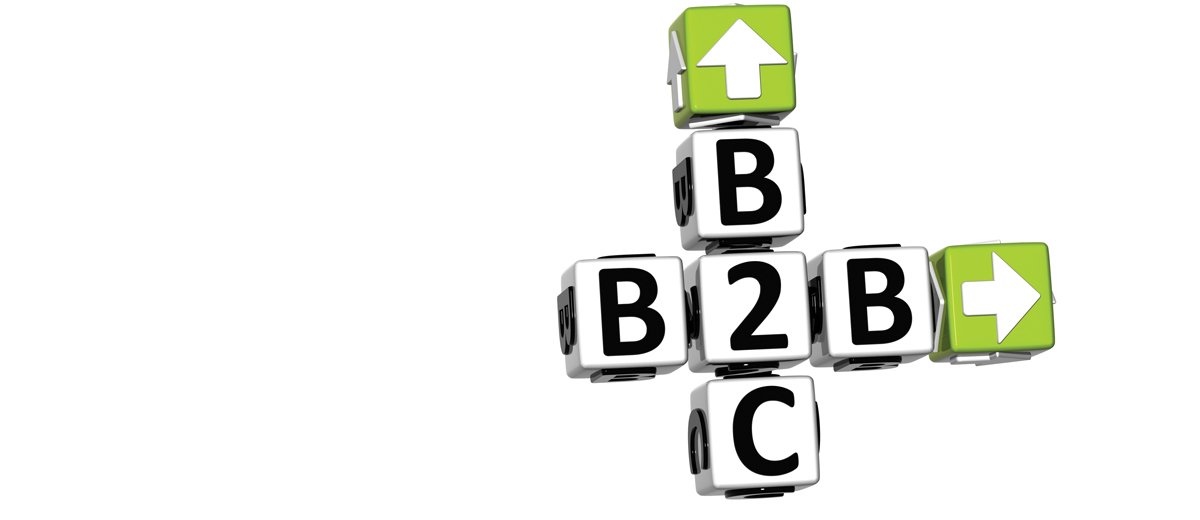
Too often, loyalty professionals with deep experience in B2C make the mistake of assuming that the design principles that apply to consumer programs will easily translate to B2B environments. While there are surface-level similarities between the two, such as the desire to influence behaviour, build emotional connection, and drive repeat engagement, the underlying mechanics, motivations, and structures are materially different. Respecting those differences is essential if the goal is to design a solution that performs well in context.
B2C loyalty centres around the individual. It typically involves a high volume of customers making lower-value transactions and is driven by emotional triggers, personal identity, convenience, and a combination of rational and aspirational rewards. In this environment, segmentation, personalization, and brand storytelling are paramount. It is a landscape shaped by impulse, brand affinity, and lifestyle alignment. Value is often expressed through experiences, perks, and status-based benefits. And there is a well-defined toolkit such as points, tiers, gamification, and surprise and delight that is broadly understood and, when executed well, generates positive return on investment.
B2B loyalty is far more complex and multi-layered. The decision-maker is rarely the end user, and motivations are often tied to job performance, financial metrics, and long-term relationship building. A single customer in B2B can consist of multiple stakeholders with competing interests including procurement, operations, finance, and executive leadership, each of whom plays a role in shaping outcomes. Transactions are fewer but higher in value, and the sales cycle is measured in months or years rather than days. Relationship capital matters more than brand affinity, and loyalty is as much about reducing friction and risk as it is about adding value.
This difference in structure has profound implications for loyalty design. In B2C, the marketer controls the brand and the experience, and the customer responds. In B2B, the loyalty program must navigate ecosystems of influence, long-standing vendor agreements, legacy systems, and performance-based key performance indicators. You are not just trying to make someone feel good about buying from you again. You are often trying to make them look good to their boss, hit their budget targets, or justify renewal to a board. The loyalty mechanic must support those real-world needs without undermining commercial integrity or triggering compliance concerns.
For example, B2C programs often include discounts, upgrades, or early access to products. In B2B, similar constructs might exist but under different names such as volume rebates, strategic partnership tiers, or co-branded marketing funds. These are all loyalty mechanisms, just in disguise. What matters is not what they are called but how they are structured to influence desired behaviours. And critically, how they respect procurement rules, channel relationships, and the complexity of attribution.
A B2B program that behaves like a B2C program will almost certainly fail. That is not to say emotional loyalty does not matter in B2B. It absolutely does. But it is expressed differently. It comes through recognition of partnership, bespoke service levels, access to decision-makers, and co-created value. It is the supplier who solves an urgent problem over a weekend, not the one who sends birthday emails. It is loyalty built on trust, not just frequency.
B2C loyalty is increasingly shaped by data science, real-time decisioning, and orchestrated omnichannel experiences. These tools are equally powerful in B2B but must be applied differently. Understanding buying patterns across regions, tracking engagement across functions, and linking behaviour to downstream business outcomes can create powerful insight. But data collection and use must be more nuanced and often require direct human relationship management to validate and interpret what is happening.
Loyalty professionals approaching B2B for the first time should resist the instinct to replicate B2C playbooks. Instead, they should begin by mapping the commercial value chain, identifying key influencers and decision-makers, and understanding what success looks like for each of them. Program mechanics should then be tailored to align with both the customer’s business objectives and your own. The reward structure must support this shared success, not detract from it. And measurement must go beyond participation and redemption to include business impact, relationship depth, and contract longevity.
In both worlds, loyalty is about more than retention. It is about preference, advocacy, and emotional affinity. But the path to get there diverges sharply depending on whether your customer is a person or a business. Professionals who understand these differences and honour them in their design will be the ones who build loyalty solutions that endure.
Richard Schenker is a highly accomplished customer engagement thought leader, loyalty practitioner and partnership curator who has designed, renovated, and managed some of the world’s leading customer loyalty programs. He has an impeccable track record of success at enriching transactional and emotional relationships between iconic brands and their customers, across multiple business sectors. Richard has spent the first half of his career in senior loyalty roles with the Hudson’s Bay Company and Shoppers Drug Mart and the remainder of his career in leadership roles with leading loyalty agencies, Air Miles and Bond Brand Loyalty. Currently he is the Founder & Chief Customer Engagement Officer of Loyal Strategy Consulting, a consulting firm focused on enriching customer loyalty for leading brands. Richard can be reached at: rschenker@loyalstrategyconsulting.com or visit: loyalstrategyconsulting.com