
Moshe Billauer
04 September 2026
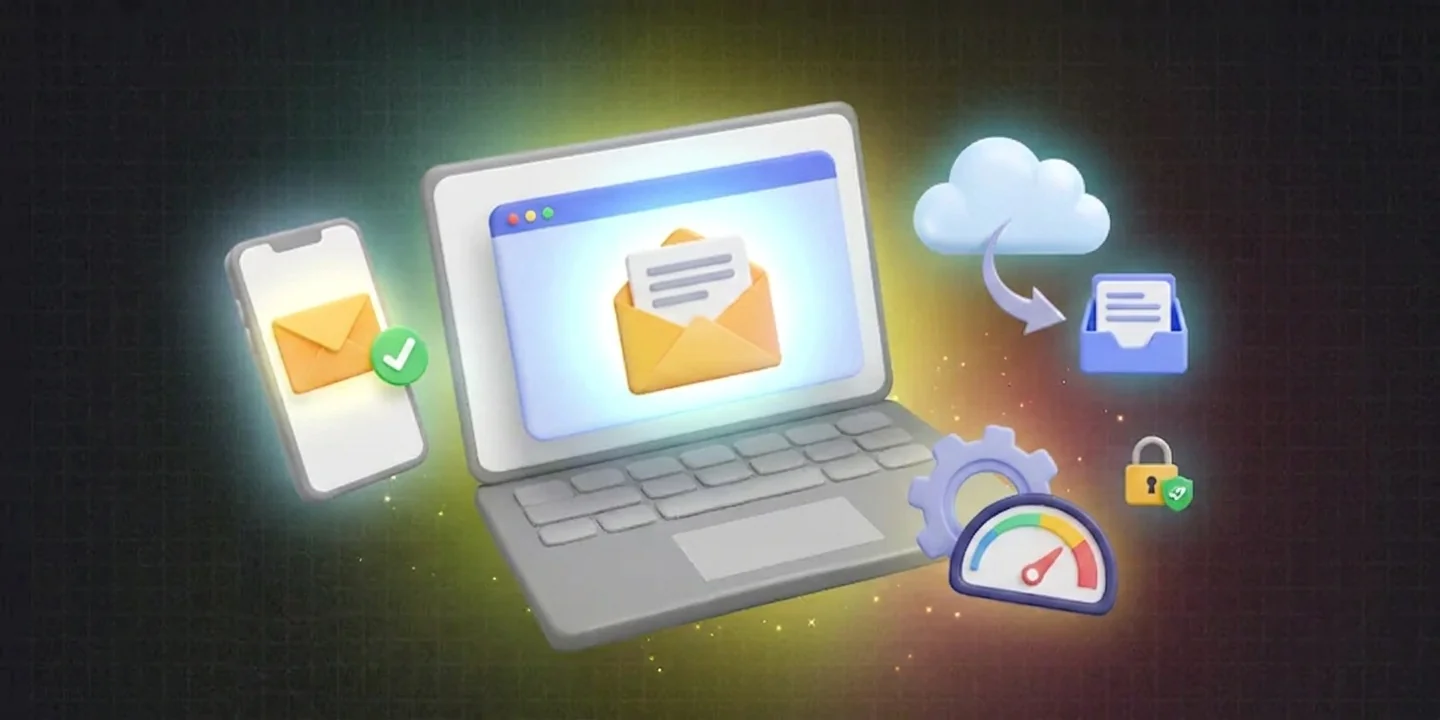
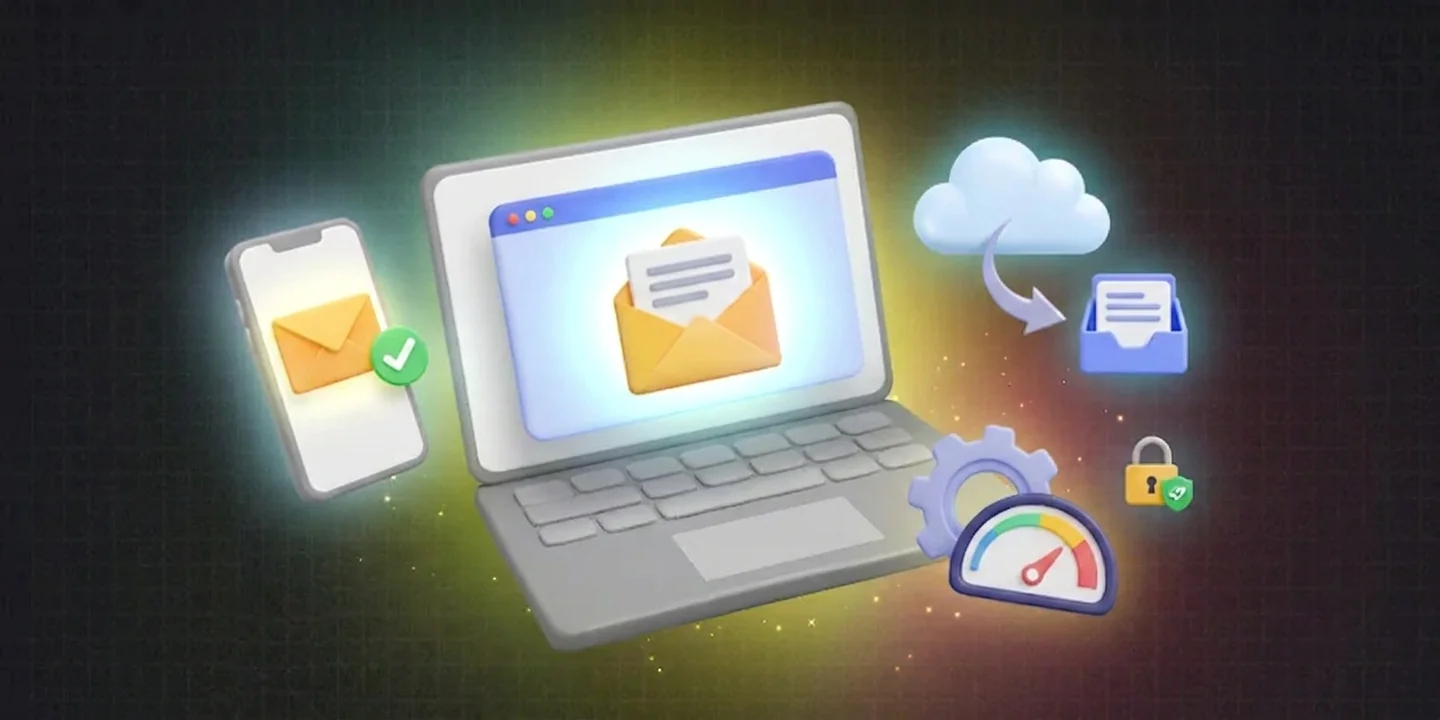
Getting a message into a subscriber’s inbox has never been harder. Between stricter authentication rules and smarter machine-learning filters, email deliverability for mobile apps now decides whether your onboarding, retention, and re-engagement campaigns ever get seen. If your open rates are sliding and you cannot explain why, the problem probably starts before the send. Here is how to fix it.
Why Inbox Placement Matters More Than Delivery Rates
Many app marketers still confuse two very different metrics. A high delivery rate means the receiving server accepted your message. Inbox placement means it landed where a human will actually see it. You can hit a 99% delivery rate while quietly dumping a third of your volume into spam, and no dashboard will warn you unless you measure placement directly.
Mailbox providers like Gmail, Apple Mail, and Outlook route messages using engagement signals, sender reputation, and content quality. According to global email volume data, hundreds of billions of messages compete for attention every day, so filters have to be aggressive. For mobile apps, the stakes are higher because transactional and lifecycle emails (password resets, verification codes, purchase receipts) drive core product experiences. A misplaced verification email is not a marketing miss. It is a broken signup flow.
Start by measuring inbox placement per provider using seed lists or a monitoring tool, then treat placement as your north-star metric. Everything below feeds into it.
Nail Email Authentication to Beat Spam Filters
Authentication is the foundation of any serious deliverability program. Without it, even legitimate senders look suspicious. Three protocols do the heavy lifting, and all three are now effectively mandatory for bulk senders.
- SPF tells receivers which servers are allowed to send on your behalf.
- DKIM cryptographically signs your messages so receivers can verify they were not altered.
- DMARC ties SPF and DKIM together with a policy that tells providers what to do when checks fail.
Google and Yahoo now enforce bulk sender requirements that demand authenticated mail, easy one-click unsubscribe, and low spam complaint rates for anyone sending large volumes. Microsoft has rolled out similar expectations for high-volume senders reaching Outlook and Hotmail inboxes. Set your DMARC policy to at least quarantine, monitor the aggregate reports, and move toward reject once your reports are clean. If you skip this step, no amount of clever copywriting will save your placement.
Warm Your Domain and Protect Sender Reputation
Sender reputation is the trust score mailbox providers assign to your sending domain and IP. New domains and cold IPs start with no history, so blasting a full list on day one is a fast track to the spam folder. Warm up gradually by increasing volume over several weeks and sending first to your most engaged users.
Segmentation protects reputation over the long run. Sending to inactive addresses generates low engagement, spam complaints, and hard bounces, all of which drag your score down. Clean your list regularly, suppress repeat non-openers, and honor unsubscribes immediately. Our email marketing tips break down how app teams can structure lifecycle sends without exhausting a list.
Also separate your streams. Route transactional messages through a dedicated subdomain and marketing sends through another. That way a promotional campaign with a rough week cannot poison your password-reset deliverability. Reputation is earned slowly and lost quickly, so treat consistency as a strategy, not a nice-to-have.
Optimize Content and Design for Every Inbox
Once you are authenticated and reputable, content becomes the deciding factor between the primary tab and the promotions pile. Filters read your copy, your links, your image-to-text ratio, and your HTML structure. Spammy phrasing, all-caps subject lines, and link shorteners still trigger penalties, so write like a human and link to your real domain.
Design matters because most opens happen on phones. Apple Mail alone accounts for a large share of opens, and its Mail Privacy Protection preloads images, which distorts open-rate reporting. Build responsive templates, keep the subject line short, and front-load the preview text with a clear reason to tap. For deeper guidance, our email marketing guide covers template structure and copy frameworks in detail.
Personalization lifts engagement, which in turn lifts placement. Tailoring content to behavior inside your app is one of the most reliable ways to raise opens, and personalized marketing approaches now use in-app events to trigger relevant sends. The more your recipients open, click, and reply, the more providers trust your future mail.
Test, Measure, and Maximize Open Rates Across Providers
Deliverability is not a set-and-forget task. Each provider weighs signals differently, so you need continuous testing to understand how Gmail, Apple Mail, and Outlook respond to your specific audience. Run seed tests before major campaigns to confirm placement, and watch complaint rates in Google Postmaster Tools, which reports spam rate, domain reputation, and authentication status directly from Gmail.
Systematic experimentation drives the biggest gains. Test subject lines, send times, sender names, and preview text one variable at a time so you know what actually moved the needle. Our A/B testing guide walks through building statistically sound tests instead of guessing.
Keep an eye on these core metrics:
- Inbox placement rate per provider, not just overall delivery.
- Spam complaint rate, which Gmail wants below 0.3%.
- Engagement rate (opens and clicks) segmented by domain.
- Bounce rate, split into hard and soft bounces.
- Unsubscribe rate, a healthier signal than silent complaints.
When a metric slips, act fast. Pause sends to disengaged segments, review recent content changes, and check whether an authentication record broke. Small corrections early prevent reputation damage that takes months to repair.
Build a Mobile-First Deliverability Workflow
App marketers face a unique challenge: their emails often trigger from product events rather than scheduled campaigns. A workflow that connects your app data to your email platform keeps timing tight and content relevant. Map every lifecycle moment (signup, activation, milestone, churn risk) to a message, and confirm each one authenticates correctly.
Coordinate email with push notifications and in-app messaging so users are not hit twice with the same prompt. This cross-channel view protects engagement, which protects deliverability. Teams that treat email as one part of a wider retention system tend to see stronger placement, and pairing these efforts with broader mobile-first marketing strategy keeps messaging consistent. Document your sending policies, review reputation dashboards weekly, and audit authentication quarterly. A repeatable workflow beats reactive firefighting every time.
Strong deliverability comes down to fundamentals done consistently: authenticate every message, protect your sender reputation, segment ruthlessly, and test across every provider. Measure inbox placement rather than delivery, and treat engagement as the currency that earns you the primary tab. Get these basics right and your app’s onboarding, retention, and revenue emails will reliably reach the people who matter.
FAQs
How do I stop my app emails from going to spam?
Set up SPF, DKIM, and DMARC correctly, send from a warmed domain, segment out inactive users, and keep spam complaints below 0.3%. Then monitor placement per provider and fix issues before they compound.
What is the difference between delivery rate and inbox placement?
Delivery rate measures whether a receiving server accepted your message. Inbox placement measures whether it reached the primary inbox instead of spam or promotions. Placement is the metric that actually reflects visibility.
Do transactional and marketing emails need separate sending domains?
Yes. Routing transactional messages through a dedicated subdomain isolates their reputation, so a weak marketing campaign cannot hurt critical sends like verification codes and password resets.
Why do my open rates look inflated on Apple Mail?
Apple Mail Privacy Protection preloads images, which can register as opens even when a user has not read the message. Lean on clicks and downstream conversions for a truer engagement picture.
How often should I clean my email list?
Review engagement monthly and suppress addresses that have not opened or clicked over a defined window. Regular hygiene lowers bounces and complaints, both of which protect sender reputation and inbox placement.
Moshe Billauer
Moshe is Moburst’s Head of Content, with over a decade of experience turning complex ideas into stories people actually want to read. He specializes in content strategy, brand messaging, and AI, with a particular interest in how emerging technology is changing the way brands create, communicate, and grow. When he’s not thinking about content or experimenting with the latest AI tools, he’s probably designing something, watching American football, or finding a new excuse to fire up his smoker.