Summary
- Google’s 2025 decision to keep third-party cookies in Chrome does not reduce the need for first-party data investment
- State-level privacy laws keep expanding regardless of browser policy, so identity resolution built on consented data stays necessary
- Authenticated first-party data provides the strongest foundation for consent-aware onsite, app, and messaging personalization
- Unified customer profiles, real-time decisioning, and coordinated channel activation make cross-channel personalization practical
- Measurement should use consented event data and evaluation methods that fit the brand’s analytics and experimentation setup
A cookieless roadmap built for 2025 hit an unexpected snag when Google backed off its Chrome deprecation deadline that April. Leadership then asked why the budget line for first-party data still existed.
That question misses the point: cookieless personalization means recognizing and personalizing for customers using signals you own and that customers agree to share, not signals a browser vendor happens to permit this quarter.
Privacy regulation, not Chrome, has always been the real driver of first-party data strategy, and that pressure has not eased.
This article is for customer relationship management (CRM), lifecycle marketing, and martech leaders at mid-market and enterprise brands who need identity infrastructure that survives policy reversals.
You will get a ranked comparison of identification methods, a practical framework for capturing zero- and first-party data, and a channel-by-channel view of how identity resolution shows up in onsite, app, and messaging personalization instead of just ad targeting.
Why Google’s cookie U-turn doesn’t change your roadmap
Google’s April 2025 reversal on Chrome cookie deprecation was a browser policy decision, not a privacy verdict. Third-party cookies remain available in Chrome for now, but treating that as permission to pause first-party data work misreads what actually pushed the industry toward cookieless personalization: consent requirements and identity fragmentation that have nothing to do with any single browser.
The regulatory patchwork keeps growing regardless of browser behavior. State-level privacy laws in the United States continue to add consent, opt-out, and data-minimization requirements, and other regions follow their own timelines.
A brand that only built cookie-blocking contingencies now has a gap, because the actual constraint was always consented data that customers choose to share, not what Chrome permits.
There is also a practical reason to keep building regardless of browser policy: third-party cookies never worked well for cross-device identification, in-app personalization, or messaging channels like WhatsApp and SMS.
They were built for browser-based ad targeting, so CRM and lifecycle teams personalizing checkout flows, push notifications, or loyalty offers were never meaningfully served by them anyway.
The four real identification methods, ranked by accuracy
Not all signals support the same level of personalization, and teams should match the experience to the consent and data available. For one-to-one targeting, authenticated first-party data such as login and loyalty information is the strongest foundation; when that data is unavailable, contextual signals can personalize the current session without claiming to recognize the person.
- Authenticated first-party data: login events, loyalty IDs, and app sign-ins tied directly to a known customer profile, offering the highest accuracy because the identity is confirmed, not inferred
- Consented profile data: customer attributes, events, preferences, and engagement data that can be processed into a unified profile when the implementation supports it
- Contextual session signals: page category, device type, time of day, and in-session behavior that can tailor an experience without requiring a known identity
- Consent-managed channel permissions: explicit opt-ins for email, SMS, WhatsApp, push, and similar channels, which determine whether a known customer can receive marketing in that channel
The method you should lean on depends on who is in front of you. Known, logged-in users can receive personalization based on their consented profile, purchase history, and browsing activity, while anonymous visitors should receive contextual experiences unless consented data and implementation support a known profile.
First-time traffic, where there is no consented identifier yet, is where contextual personalization does the most good without overreaching on identity claims you cannot support.
Building a zero- and first-party data engine that feeds personalization
Cookieless identity resolution starts with capture, then uses Insider One data validation, identity resolution, and transformation to make consented data available in unified profiles rather than treating the customer data management layer as an undefined destination.
Preference centres, progressive profiling forms, loyalty program sign-ups, and app login incentives convert anonymous traffic into known, consented identity, and each one needs a clear value exchange to work.
Preference centers work best when they ask for one or two data points at a time rather than a full profile up front, since customers abandon long forms quickly. Progressive profiling spreads that same request across multiple visits or purchases, gradually building a richer picture. Loyalty programs and app login incentives give customers a tangible reason to authenticate, which is exactly the signal that ranks highest in the identity hierarchy above.
Capturing data is only half the job: Insider One can validate, unify through identity resolution, and transform incoming data into a unified 360-degree profile for activation across web, app, and messaging.
Insider One supports this flow through data processing and unified profiles, while the AI Decision Engine can use profiles, segments, recommendations, dynamic content, and real-time triggers to determine relevant experiences; journey orchestration in Architect can coordinate those experiences with branching, A/B splits, and wait conditions.
For a customer example of applying unified first-party data across the purchase journey, see Lenovo’s Insider One case study.
From identity to experience: activating personalization across channels
Resolved identity only matters if it changes what the customer actually sees, and the channels where that plays out most directly are onsite, in-app, web push, and messaging platforms like WhatsApp and SMS.
For web implementation, Insider One can load the Cookie-Free Insider Tag before marketing consent to display basic campaigns, then load the standard Insider Tag after consent for full tracking and personalization; only one tag version should initialize on a page.
This consent-state approach maps cookieless strategy to the lifecycle work CRM teams actually own rather than treating identity as an ad-tech concept.
Onsite and in-app personalization
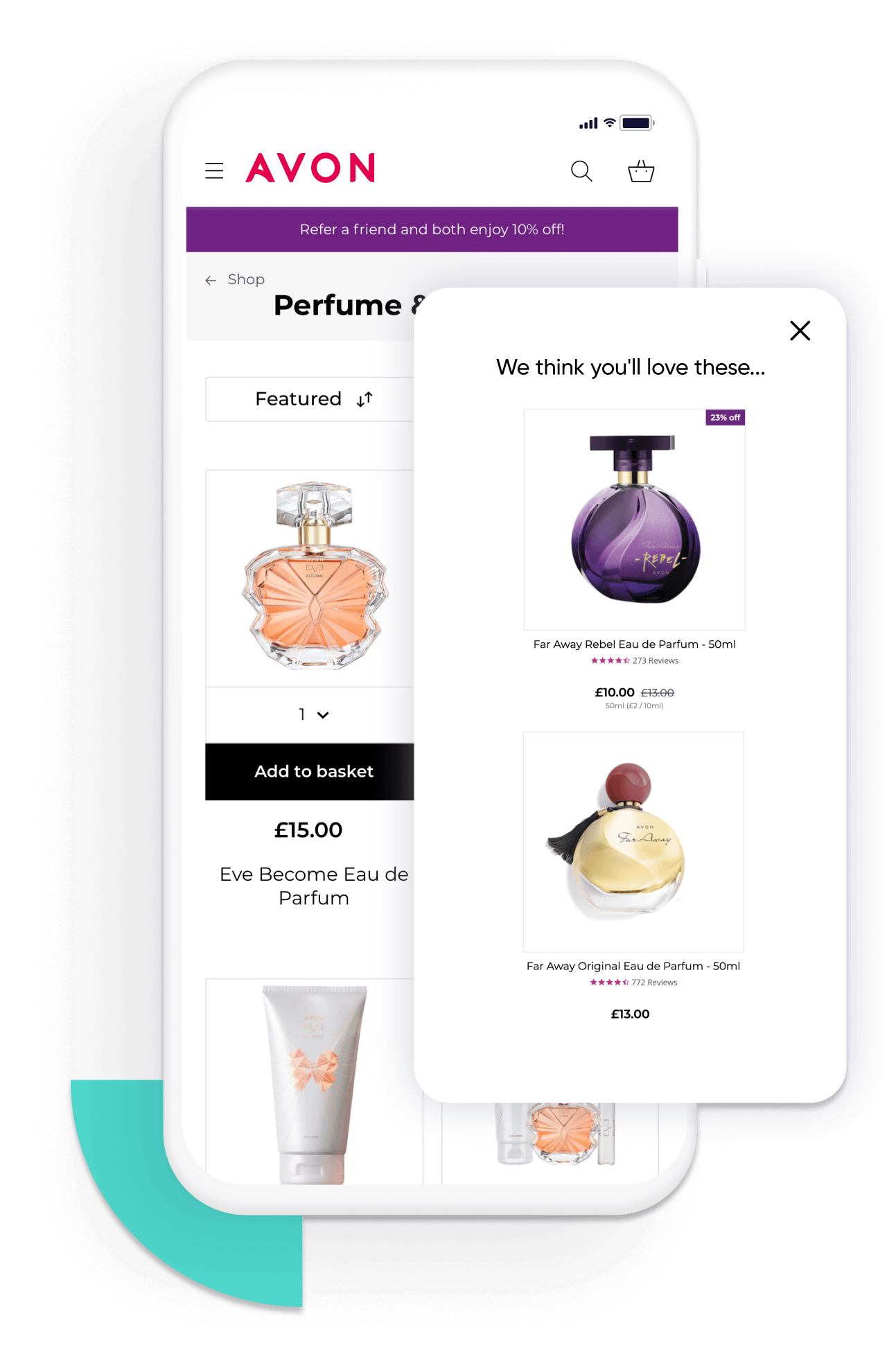
Once a visitor is recognized through consented login, loyalty, or account data, onsite personalization can use the unified profile, AI decisioning, dynamic content, real-time triggers, and recommendations to adjust product merchandising and on-site messaging. For unidentified visitors, basic campaigns and contextual experiences can remain useful until consented data supports a richer profile; app experiences can likewise use account and consented app data rather than third-party cookies.
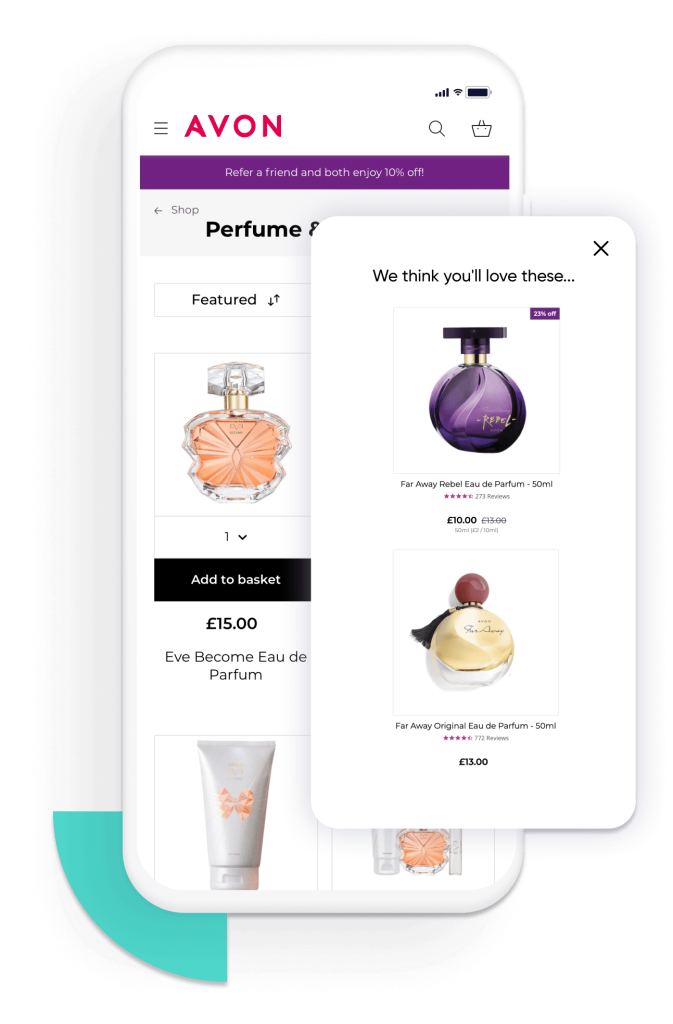
Avon improved conversion rates by up to 78% through personalization built on first-party customer data rather than browser-based targeting, showing what onsite identity resolution looks like when anchored to owned signals.
Messaging: WhatsApp, SMS, and web push
Messaging channels can use first-party identifiers such as phone numbers or app tokens, but possession of an identifier does not itself establish marketing permission; teams must capture and honor the relevant channel consent.
The opportunity for lifecycle teams is orchestrating WhatsApp, SMS, and web push consistently with onsite and email experiences, so an eligible customer who abandons a cart can receive a coordinated follow-up with channel selection, wait conditions, A/B splits, and suppression across the journey.
Consistency across these channels depends on the same unified profile feeding every touchpoint, with Insider One data processing, AI decisioning, and personalization logic providing a more specific foundation than a generic customer data management layer.
For commerce brands, catalog data and Web Smart Recommender can support relevant product suggestions, while Architect can coordinate follow-up across channels instead of forcing teams to rebuild audience logic separately for email, app, and messaging.
Measuring what actually works without cookie-based attribution
Measurement architecture should be selected according to consent requirements, implementation constraints, and the broader analytics stack rather than assumed to be a native feature of a personalization platform. Teams should ensure that event collection and reporting respect the applicable consent state before using the data to evaluate personalized experiences.
Last-click attribution can underrepresent journeys that span multiple sessions and channels, so teams should choose evaluation methods appropriate to their analytics and experimentation setup. Where a suitable measurement design is available, compare outcomes across relevant customer groups and use reporting to understand how coordinated experiences contribute to performance.
Reporting and analytics tools built for this kind of analysis matter more once cookie-based attribution stops being the default.
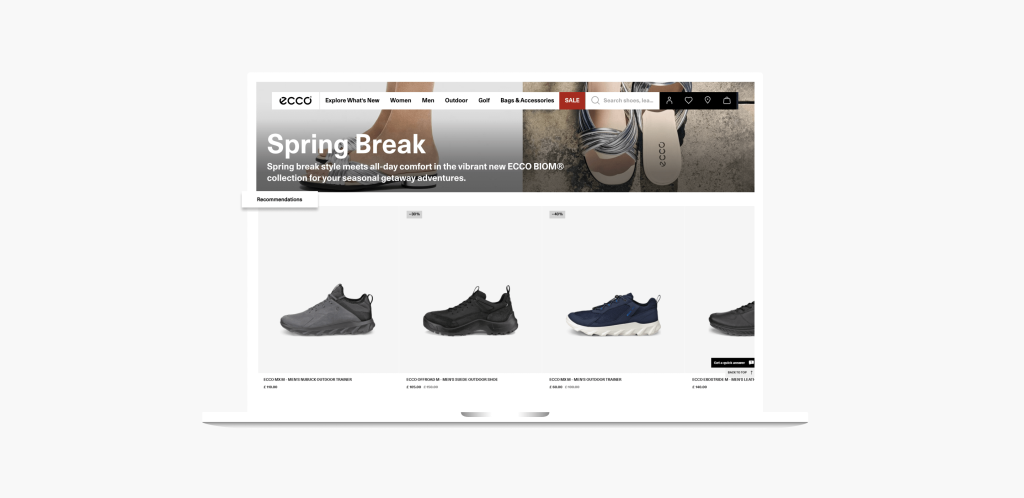
ECCO achieved a 7.4x return on investment and a 95% uplift in conversion rate using personalization measured against real customer cohorts rather than single-touch attribution models.
That kind of measurement holds up regardless of what any browser does with cookies next.
Conclusion
Cookieless personalization was never really about Chrome. It is about whether your identity infrastructure runs on consented, owned data or borrowed signals you cannot control. Google’s reversal changes a deadline, not the underlying requirement. Insider One differentiates the workflow by connecting data validation and identity resolution to unified profiles, AI decisioning, consent-aware web activation, Architect journeys, and coordinated engagement channels in one platform. Brands that build this foundation can deliver relevant onsite, app, and messaging experiences while adapting their measurement approach to their own analytics setup.
To evaluate the fit of customer data management for your use case, book a personalized demo to review your goals, data requirements, and implementation constraints with the Insider One team.
Frequently asked questions
No. Google’s April 2025 decision keeps third-party cookies available in Chrome for now, but privacy regulation, not browser policy, was always the primary driver of first-party strategy. State-level laws keep expanding, and cookies never worked well for app or messaging personalization regardless of browser support.
Cookieless identity resolution is the process of bringing consented, owned signals such as login credentials, loyalty IDs, attributes, and events into a unified customer profile rather than relying on third-party cookies. It relies on authenticated and consented first-party data, while contextual experiences remain the safer default when a known profile is unavailable.
Contextual signals, such as page content, device type, and location, work well for first-time or fully anonymous traffic since there is no consented identifier to match against yet. Use a known profile only when consented data and the implementation support it, rather than assuming anonymous returning visitors can be identified.
Messaging channels can use first-party identifiers like phone numbers, but channel permissions and marketing consent must be captured and honored separately. The challenge is orchestrating , , and push consistently with onsite and email using one unified profile built from consented customer data and activated through Insider One.
Use consent-aware event collection and reporting that fit your broader analytics and experimentation setup rather than assuming a single tracking architecture replaces cookies. When an appropriate measurement design is available, comparing relevant customer groups can provide a more complete view than relying only on a single-touch attribution model.