[ad_1]
The president of Snacking Global at Mars, Andrew Clarke, recently spent some time chatting with The Wall Street Journal. Mr. Clarke articulated some important and exciting areas of innovation and interests that Mars continues to pursue for its snack brands.
I listened to the interview with great interest, having consulted with Mars for decades. Some of the most intelligent, actionable, and creative research providing extraordinary directions came from Mars. The projects on food, from physiology and biochemistry to sports, dental hygiene, and nutrition, were diligent, smart, and, at times, visionary.
This article is part of Branding Strategy Insider’s FREE newsletter. Join the world’s smartest marketers and subscribe here for actionable insights delivered directly to your inbox.
So, I was surprised that there were no insights into the drivers, reasons why people snack and consume foods and beverages. Mars has always been an enterprise where this type of thinking has been prioritized for innovation and renovation.
I contrast the Mars discussion with another Wall Street Journal interview with the president of Pepsi US Beverages, who peppered his conversation with compelling insights into consumer behavior and attitudes toward beverages.
Decades ago, to clarify the brand promises and positions within the Mars portfolio, Mars developed, with the input of an anthropologist and behaviorists, a psychological and physiological understanding and actionable construct of why people snack and also consume food in general.
The elements of this structure were, and still are, universal. Understanding universal needs and problem solutions is critical for building brands. Although the Mars construct may seem to you to be common sense, common sense is not common in today’s world of brand building and brand management. The discipline of brand leadership still depends on informed creativity: the ability to turn research and observation into actionable insight.
Companies that focused their resources on snack foods over core product lines are now seeing dents in profitability. When relevance weakens, the answer is rarely more messaging. Brands need a more disciplined understanding of what people now need, value, and are willing to choose. These companies are also predicting negative or so-so outlooks for the year ahead. Weight-loss drugs and attitudinal changes regarding snacks are affecting brands. Campbell Soup is one of those companies taking hits to its snack line, which includes beloved Goldfish and Pepperidge Farm. PepsiCo is also working diligently to maintain interest in its Lay’s division while seeing its cola brand, Pepsi, falter against Coke.
Focusing on the physiological and psychological spectrum of universal needs may provide some additional strategic direction. The Why People Snack construct pointed to the following:
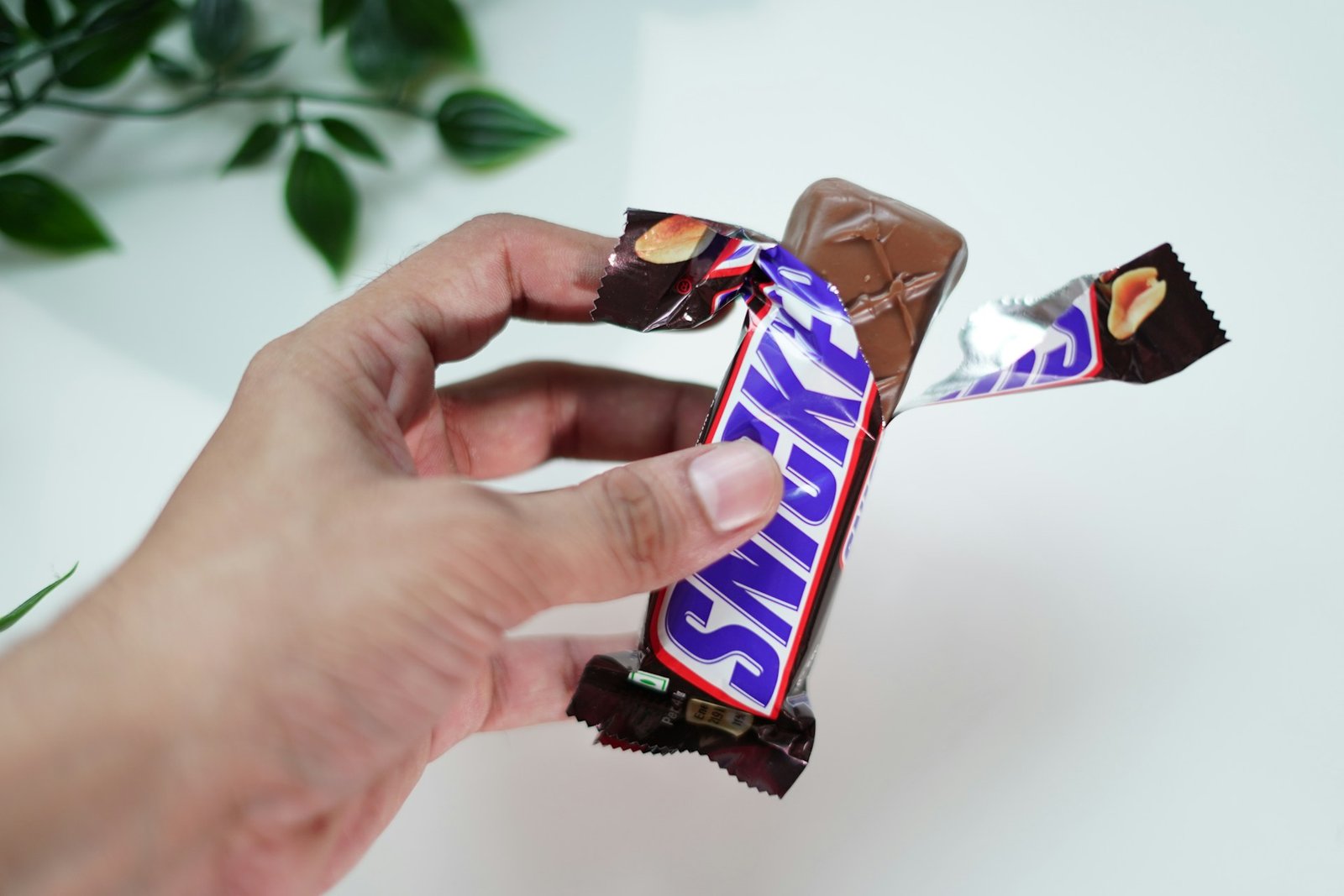
- Physiological needs are fairly straightforward. The basic needs are hunger, nourishment, and energy. Hunger can be pre-occupying (viz the Snickers advertisements. I was in the room suggesting pre-occupying hunger, the type of hunger that stands in your way of completing a task) or just getting on with your day, or light, you know, a nosh, a nibble, or a fridge-raid. Nourishment is all about gaining the essential nutrients. Nourishment also shares sustenance with Energy. Energy can be about sustaining physical energy over time such as carbo-loading or lift, a more immediate physiological energy boost, think Mars’ KIND bars.
- Psychological needs reflect a broader perspective. Brands do not connect with consumption occasions alone; they connect with people and the needs, tensions, rituals, and rewards that shape behavior. These needs fall into two categories: needs focused on time and needs focused on pleasure.
- Psychological needs within Time are needs defined as Break, Enhancement, or Extension. Break can be a moment of relaxation such as Hershey’s Kit Kat or Lift, a moment for a mindful mood-raise. Enhancement is for improving or intensifying an occasion. Extension reflects how a food can work to stretch out an experience.
- Psychological needs for Pleasure divide into those needs for Belonging and those needs for Indulgence. Belonging can be for a group or family. Belonging is a major universal need, and food plays a critical role. Emotional, social, identity, and functional benefits often determine whether a brand becomes part of a person’s routine or remains merely an option. KFC and McCormick use Belonging. Indulgence has several modes: Treat, Reward or Escape. Mars’ Bounty used Escape as a benefit.
Brand should strengthen competitive position, pricing power, and enterprise value. The Blake Project helps make that happen.
Additional Mars’ work focused on food design. Height, mouth feel, chewiness, time of day food needs, and other product specs have an enormous impact on how we feel when we eat.
With our newly-found love of AI, we tend to overlook or dismiss the human needs that drive our attitudes and behaviors. But marketing still succeeds or fails on behavior change.
Brands need the actionable insights that derive from a foundational understanding of and responses from the human users who create brand value. Organizations exist to meet human needs. Revenues and profits follow when people believe a brand meets those needs better than the alternatives.
Contributed to Branding Strategy Insider by Joan Kiddon, Partner, The Blake Project, Author of The Paradox Planet: Creating Brand Experiences For The Age Of I
At The Blake Project, we help leaders turn brand into a disciplined driver of financial performance — strengthening pricing power, competitive position, and enterprise value. Email us to start a conversation about enduring profitable growth. For The EBITDA.
Branding Strategy Insider is a service of The Blake Project, a strategic brand consultancy focused on turning brand into pricing power, growth, and enterprise value.
[ad_2]
Source_link