[ad_1]
Google still works the same way it always has.
You search something, you get a list of results, and rankings still matter. Traditional search engines aren’t going anywhere.
What’s changed is how those results are presented.
Now you’ve got AI search layered into it. Google AI Mode, AI overviews, tools like ChatGPT and Google Gemini, they’re all pulling answers directly from content instead of just listing pages.
So instead of only trying to rank, you’re also trying to show up inside the answer itself.
And those two don’t always line up.
You can be ranking well and not get included. Or show up in an AI response without being at the very top of the search result.
That’s basically what GEO SEO is about.
It’s not a separate system, it just builds on top of traditional SEO. Same SEO fundamentals, same search engines, but now you’re also thinking about how generative AI systems process and reuse content.
In this article, we’ll focus on the two things that actually move the needle for AI visibility, for both informational and commercial queries: how your content is written, and where your brand gets mentioned.
Key Takeaways:
- GEO SEO builds on top of traditional SEO, it’s not something completely separate
- AI search pulls answers from existing content, so what you publish still matters
- Ranking and showing up in an AI answer are related, but not the same
- Content needs to be clear and structured so AI systems can actually use it
- Mentions on other sites increase your chances of being included in AI responses
- Improving visibility now means thinking about both on-page content and off-page presence

Link building cheat sheet
Gain access to the 3-step strategy we use to earn over 86 high-quality backlinks each month.
What is Generative Engine Optimization (GEO)?
The first time I heard the term GEO, I was like “What? What new nonsense is this?”
But it’s not really anything new.
GEO is just search engine optimization with a slightly different goal.
Instead of only trying to rank in Google Search, you’re trying to show up in Google AI overview, ChatGPT, and other AI platforms that generate an answer instead of just giving you links.
That’s the main difference.
All of these AI search engines have slightly different AI algorithms, but they work in a very similar way. They pull from existing content, and most of that content is already ranking in traditional search.
AI visibility is directly tied to your Google visibility.
But there is one important difference.
You don’t necessarily need your own pages to rank to show up in an answer.
AI crawlers and AI agents pull from all kinds of sources, not just your website. So if your brand shows up in the right places, especially in content that already ranks and gets organic traffic, you can still get cited.
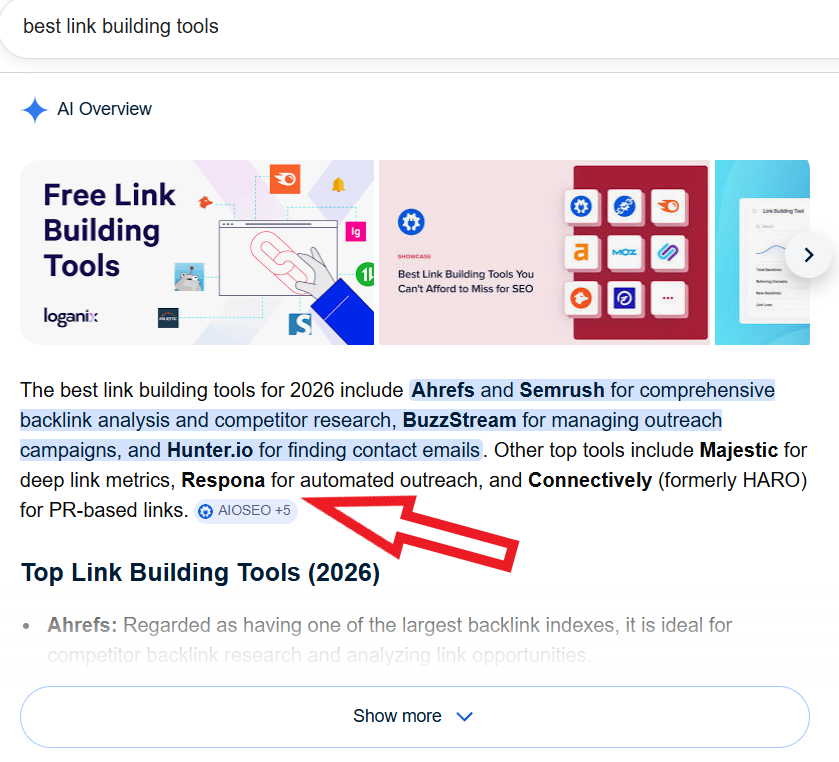
That’s why link building has become even more important.
Brand mentions are the strongest type of link now – specifically, getting mentioned in listicles plays an even bigger role now.
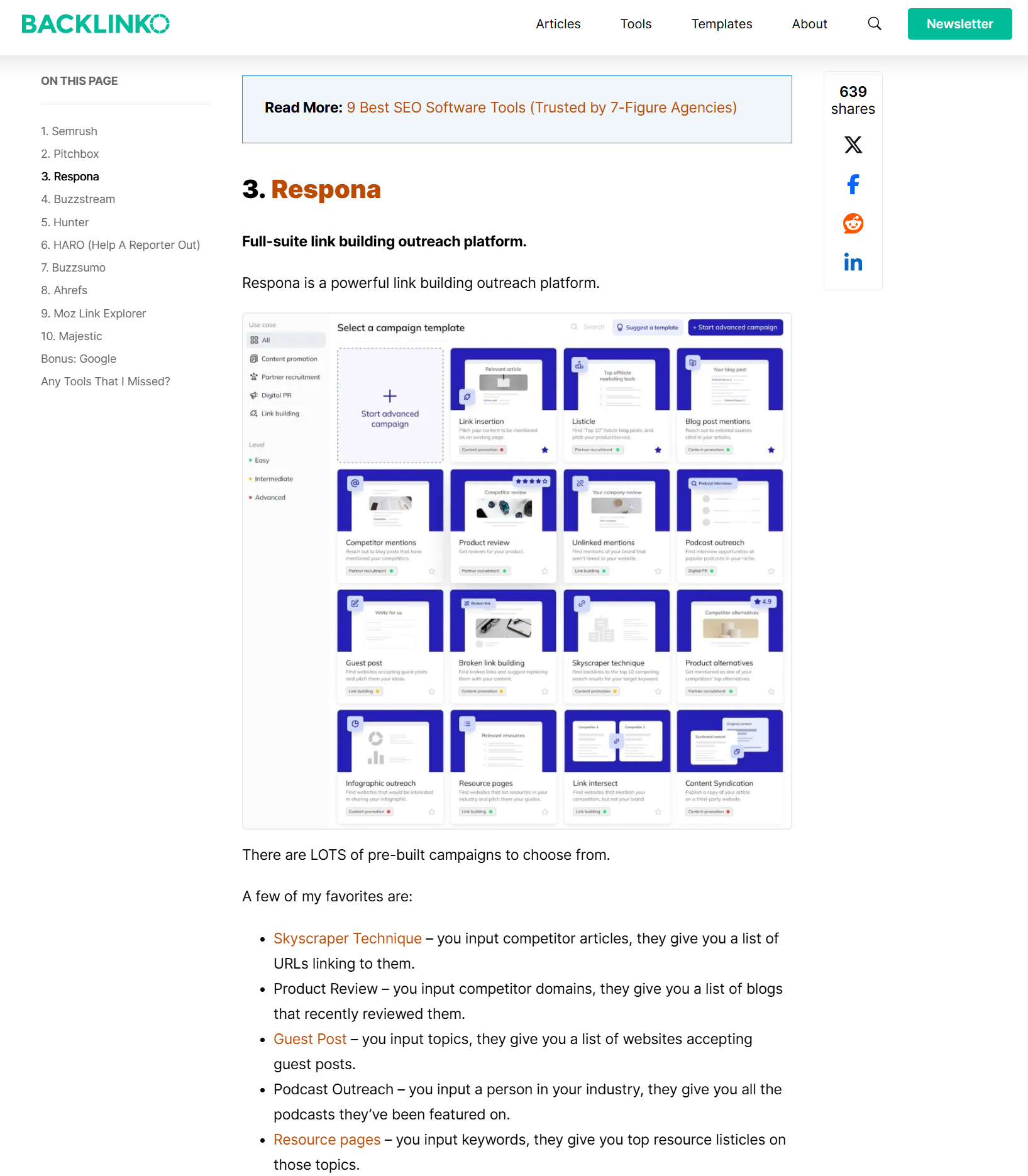
You’re not just building links to rank in the top 10 on Google, you’re increasing your chances of being included in AI answers for commercial queries like “which tool should i use for X”.
And recommendations mean money.
Let’s move on to how you can make it happen.
How to Do Generative Engine Optimization?
Focus on Brand Mentions
Let’s just build on what we already started talking about.
Links and brand mentions.
If you look at how AI answers are put together, the pattern is pretty obvious. The same sites keep showing up. The same articles keep getting pulled.
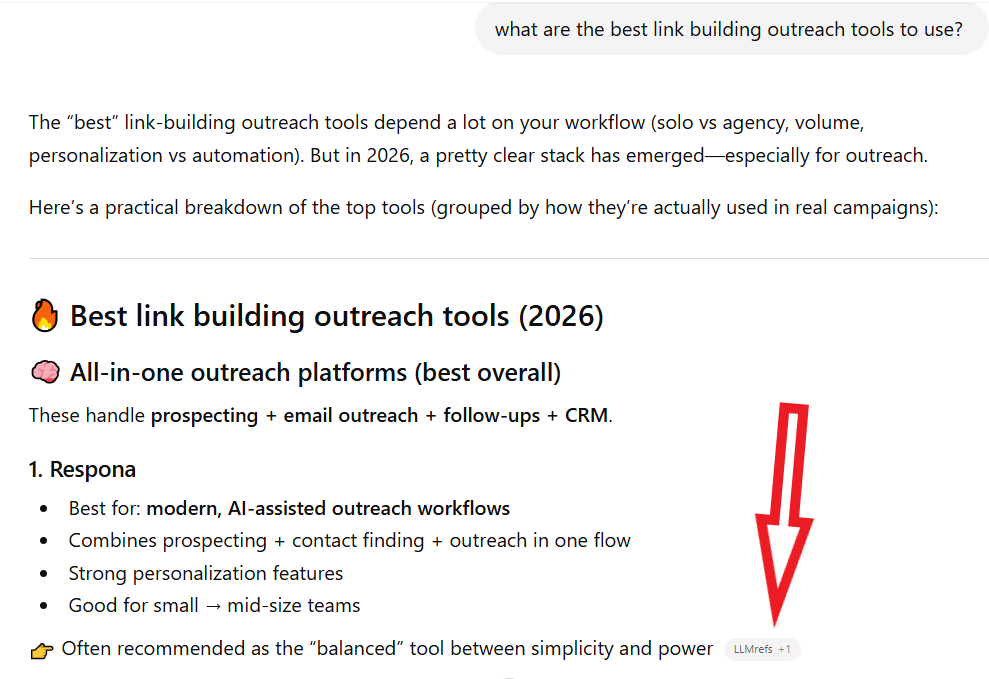
So the most reliable way to get cited is just… to be there.
Directories and review platforms are fine, you should still be on those. But that’s not really where most AI answers come from.
It’s usually blog content.
More specifically, listicles. “Best tools”, “top services”, “alternatives”, that kind of stuff. Pages that already rank and already get traffic get reused by AI over and over.
So if your brand shows up there, you’re in a good spot. If not, it’s going to be hard to get picked up no matter how good your own content is.
That’s really what this comes down to.
You’re building links not just for ranking, but for visibility across AI driven search engines.
The hard part is actually achieving that. Consistently.
Finding those articles, figuring out which ones are actually worth it, reaching out, getting placements…
It’s a whole link acquisition process, and most teams either struggle with it or don’t have the capacity to do enough of it.
Instead of doing all of that manually, you can just outsource it.
With Respona, you place an order, add what you’re looking for, and that’s pretty much it. Type of placements, industries, examples, whatever matters to you.
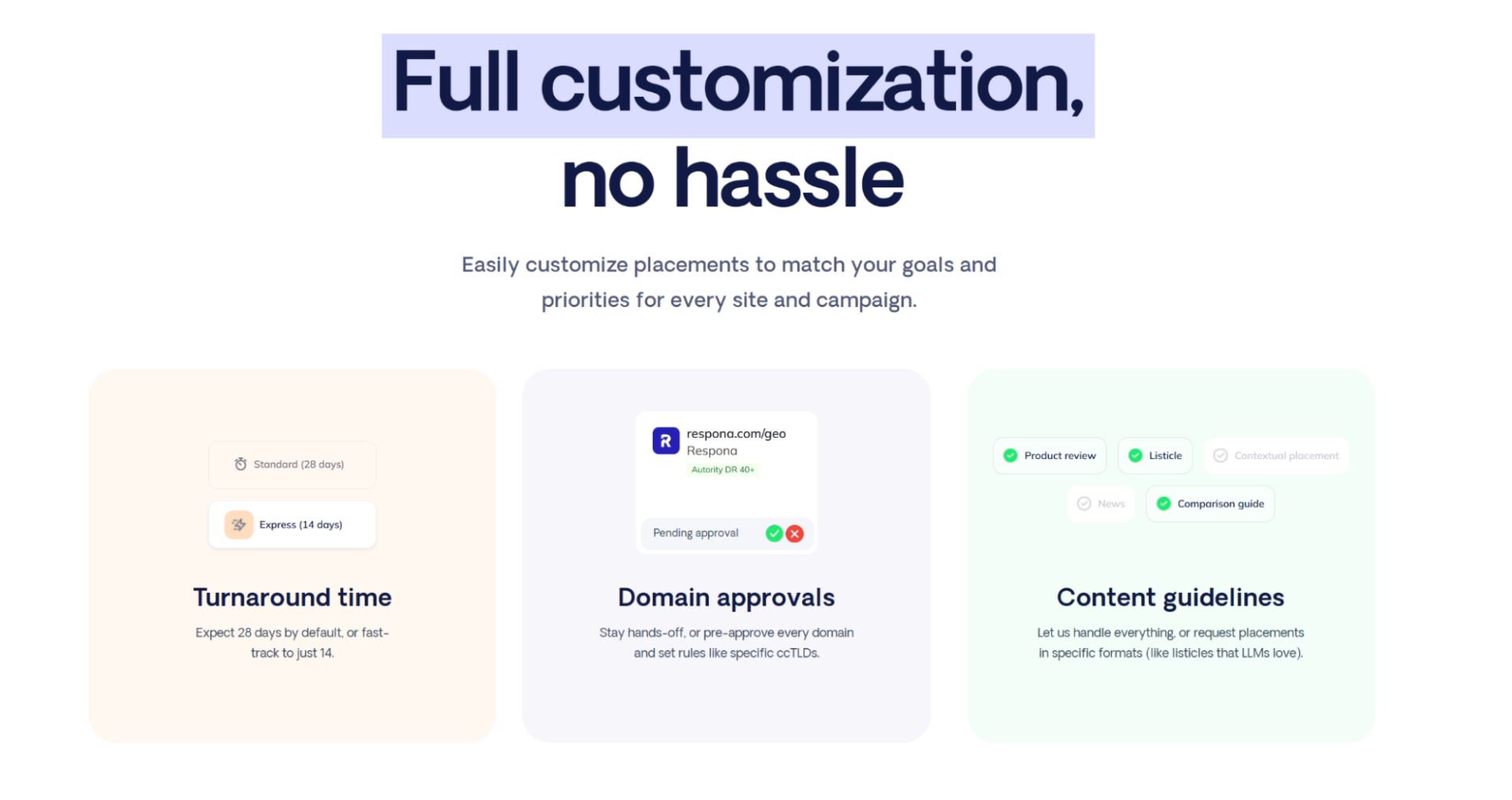
Then the team handles the rest.
They find relevant articles, reach out, and get you placed on pages that already rank and already get traffic.
You can keep it as specific as you want too.
If you only care about listicles, or only want placements on certain types of sites, you just set that upfront. So you’re not getting random links that don’t really do anything.
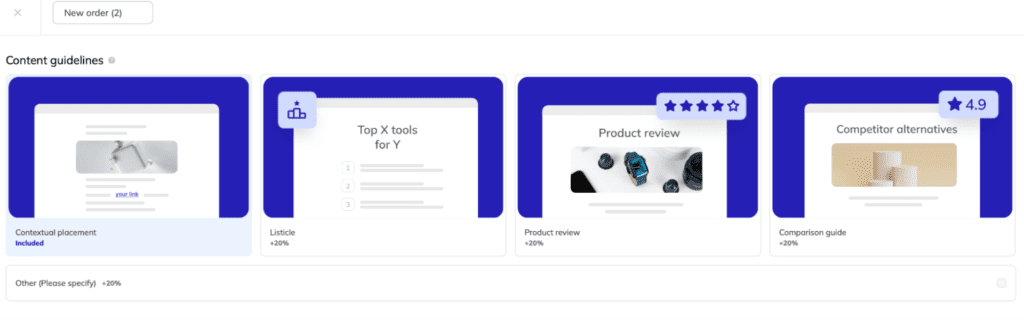
The campaigns feature is where this gets a bit more useful.
It doesn’t just show you where you’ve been placed. It also shows which articles are already getting picked up in AI search for queries relevant to you.
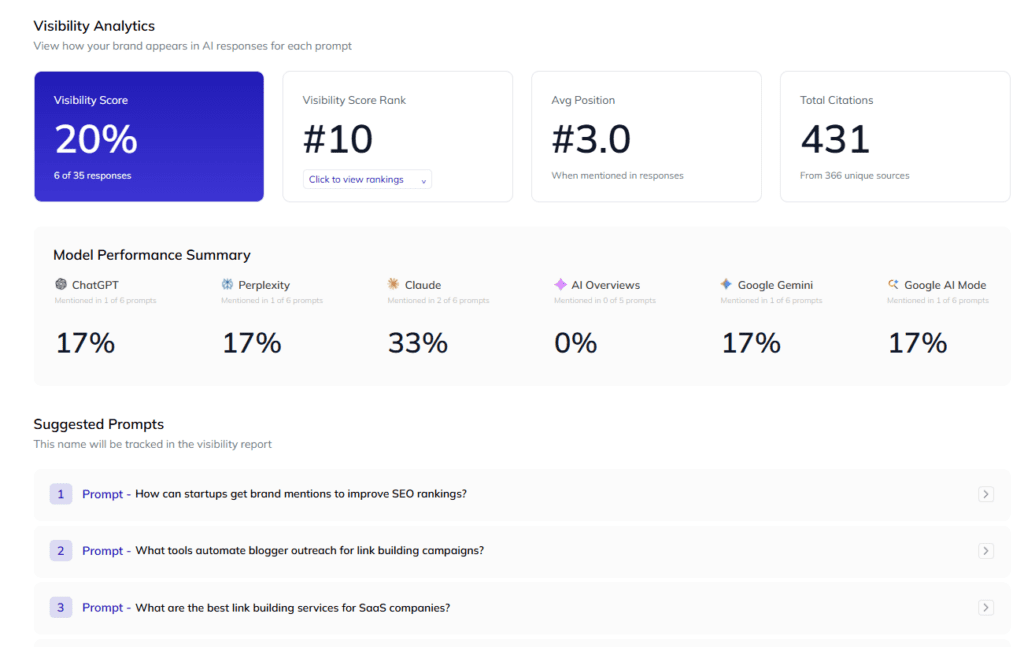
So instead of guessing what might work, you’re working off pages that are already being used in generative search.
That’s the main difference.
You’re not just building links and hoping they help. You’re putting your brand in places that are already driving AI visibility.
On-Page Factors
Now, while brand mentions are great for commercial searches, you still want to show up for informational queries too.
Things like “how to do X”, “what is Y”, all the stuff people search before they’re ready to buy.
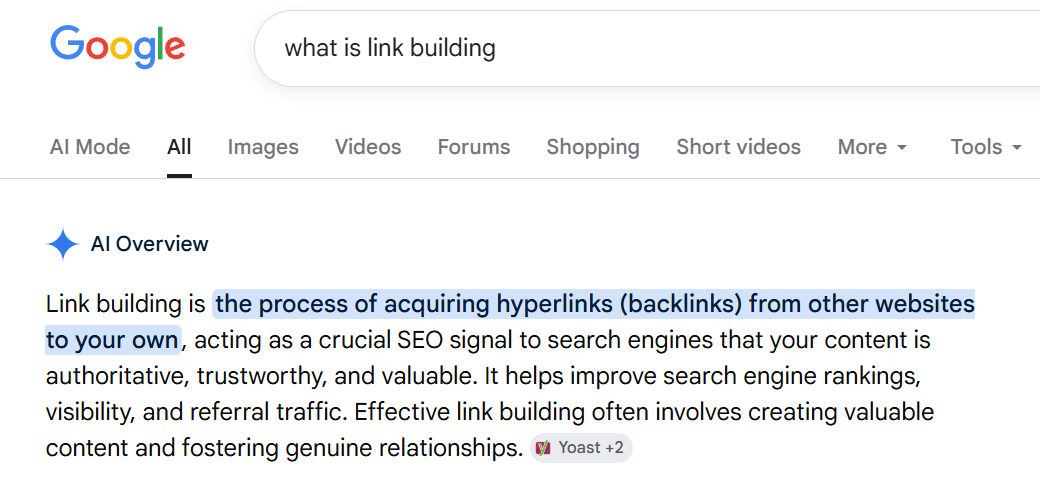
If you want your content to get picked up in something like Google AI Mode or Google SGE for those types of queries, it really comes down to two things.
First, how your content is structured.
It needs to be easy to parse. Not just for AI, for people too. AI isn’t the buyer here.
That means being clear and direct. If you’re answering a question, actually answer it. Don’t bury it halfway down the page. Break things up properly with headings. Keep sections tight.
FAQ sections are especially useful for this.
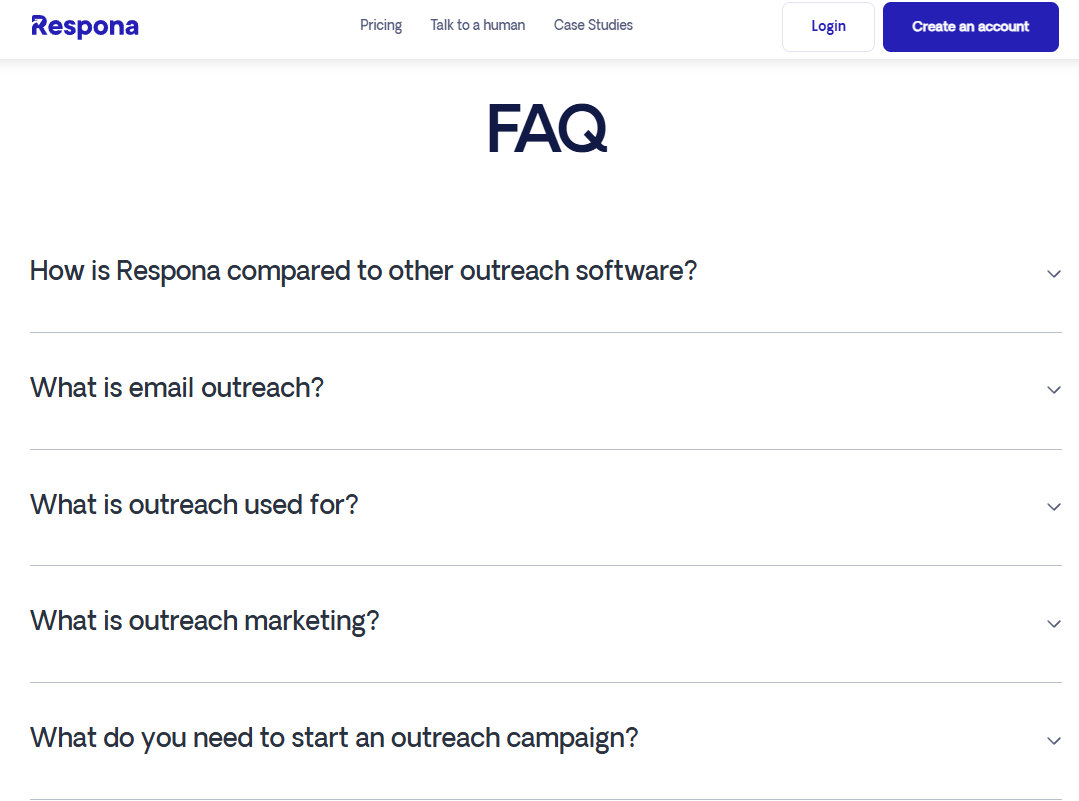
You’re basically making it easy for an AI search engine to lift a section of your content and reuse it as a direct answer.
Second, structured data.
This is what helps a search engine actually “read” your page.
Things like schema markup, internal links, clean formatting, all of that helps both traditional search engines and AI driven search understand your content.
It’s not something most people think about, but it matters more here than it used to.
Because now it’s not just about ranking in traditional search, it’s about whether your content can be turned into a direct answer.
It sounds technical, but it’s not actually that hard to implement, even if you heard about it for the first time now.
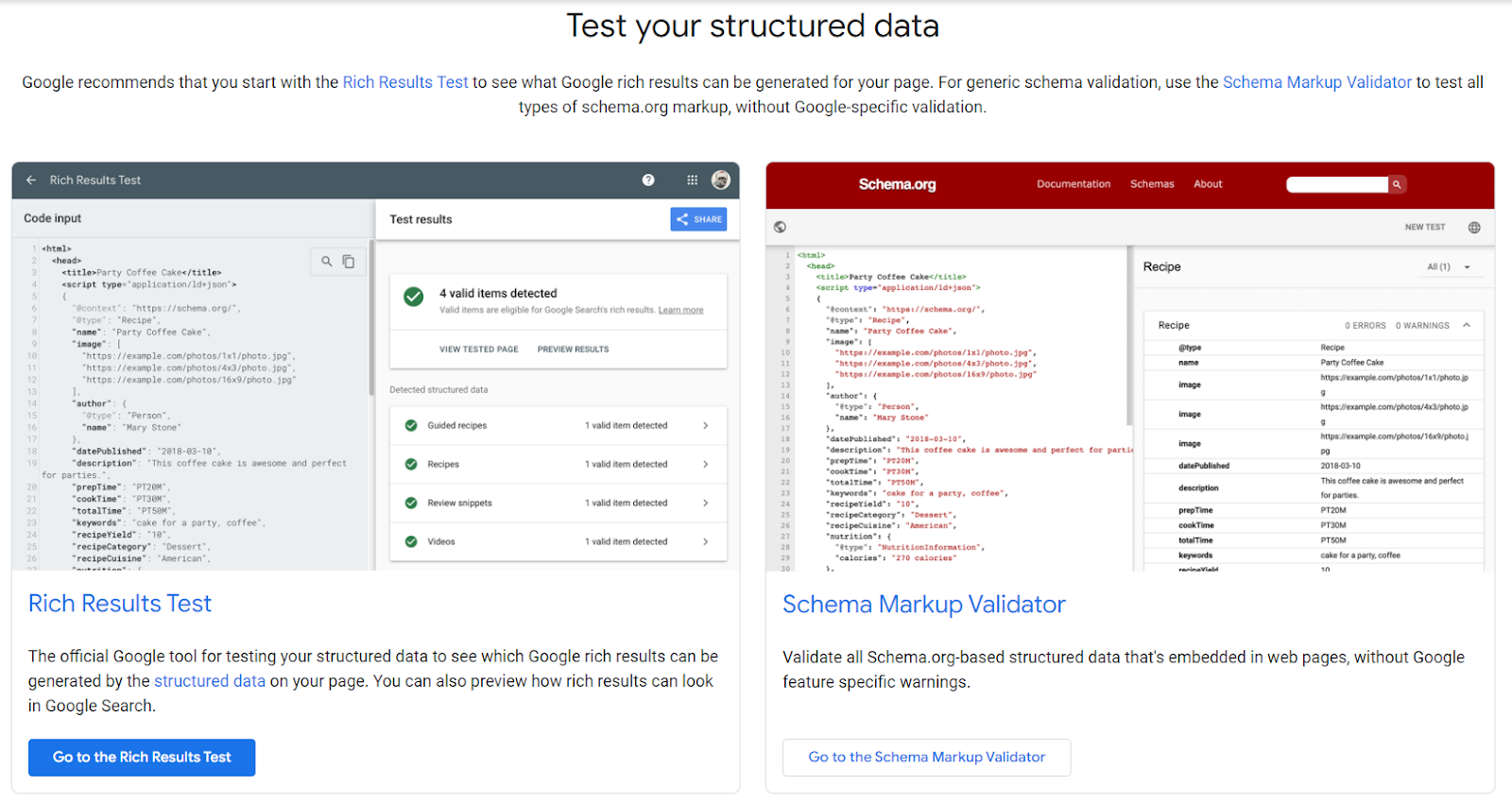
There are plenty of schema markup generators available, and Google offers its own set of tools for rich results:
If your content is:
- Optimized for readability by people and parsing by AI
- Has structured data implemented
You have a pretty solid chance of being picked up by a Google AI overview.
Provided you have enough links to rank in the top 10, of course.
Link building cheat sheet
Gain access to the 3-step strategy we use to earn over 86 high-quality backlinks each month.
Now Over To You
At this point, it really comes down to execution.
You already know what matters. Your content needs to be usable, and your brand needs to show up in the places AI systems are already pulling from.
The only challenge is doing that consistently.
If you don’t want to spend time on outreach, prospecting, and figuring out which placements are actually worth it, you don’t have to.
Place an order, set your requirements, and get started getting your brand into the kinds of articles that actually drive AI visibility.
Frequently Asked Questions (FAQ)
What is GEO SEO?
GEO SEO is just SEO with the goal of showing up in AI-generated answers instead of only ranking in traditional search results.
How is GEO different from traditional SEO?
Traditional SEO focuses on ranking pages in search results. GEO focuses on getting your content included in the answer itself.
Do you need to rank #1 to show up in AI answers?
No. AI search engines pull from multiple sources, not just the top result.
What types of content get picked up by AI search?
Structured content that clearly answers a question works best for informational queries. Listicles and comparisons work best for commercial queries.
Are backlinks still important for AI visibility?
Yes. Backlinks and mentions help increase your visibility across the web, which makes it easier for AI systems to find and use your content.
What is more important: content or brand mentions?
You need both. Content helps with informational queries, mentions help with commercial queries.
Does structured data help with GEO?
Yes. It helps search engines and AI systems understand your content better.
Is GEO SEO only relevant for Google?
No. It applies across multiple AI platforms like ChatGPT, Gemini, and other AI-powered search tools.
What is AI SEO?
AI SEO is basically the same idea as GEO SEO.
It’s about optimizing your content and overall presence so it can be picked up by AI-powered search systems, not just traditional search engines. The goal is to show up in the answer, not just in the rankings.
What does a GEO strategy look like in practice?
A GEO strategy is pretty straightforward.
You focus on two things: making your content easy to use for AI systems, and making sure your brand shows up on other relevant sites. That combination is what drives consistent visibility.
How does Google’s AI overview decide what to include?
Google’s AI overview pulls from content that already performs well in traditional search.
It looks at relevance, structure, and how often something shows up across the web. So if your content is clear and your brand appears in multiple trusted sources, you’re more likely to be included.
Do different AI platforms work the same way?
More or less, yes.
Each AI platform has its own AI algorithm, but the underlying idea is the same. They pull from existing content and try to generate the best possible answer based on what’s already out there.
How does content marketing fit into GEO SEO?
Content marketing is still the foundation.
You need solid content creation to have anything worth pulling into an answer. Without that, even strong off-page signals won’t do much.
What is an AI visibility toolkit?
An AI visibility toolkit is just a set of tools or processes you use to track where your brand shows up.
That could include tracking mentions, monitoring which articles are getting picked up, and identifying new opportunities to get placed.
Why does brand visibility matter so much?
Because AI systems don’t rely on just one source.
The more your brand shows up across different sites, the more likely it is to be considered trustworthy and included in answers.
Do I still need keyword research for GEO SEO?
Yes.
Keyword research is still important because it tells you what people are actually searching for. That applies to both traditional search engine optimisation and AI-powered search.
Does technical SEO still matter?
Yes.
Technical SEO helps make your content accessible and understandable for both search engines and AI systems. If your site is hard to crawl or poorly structured, it’s less likely to be used.
What is AI powered search?
AI powered search is when a system generates a response instead of just showing links.
It uses existing content to create a direct answer, which is why structure and clarity matter so much.
Why does GEO matter for businesses?
Because it directly impacts visibility.
If your brand isn’t showing up in AI answers, you’re missing out on a growing share of how people discover tools, services, and information.
How do you measure GEO success?
GEO success is usually measured by how often your brand shows up in AI answers and across relevant articles.
It’s less about ranking positions and more about overall visibility and presence.
What impacts GEO performance the most?
Two things.
Your content, and where your brand is mentioned.
If both are strong, your GEO performance tends to improve over time without needing anything overly complex.
[ad_2]
Source_link