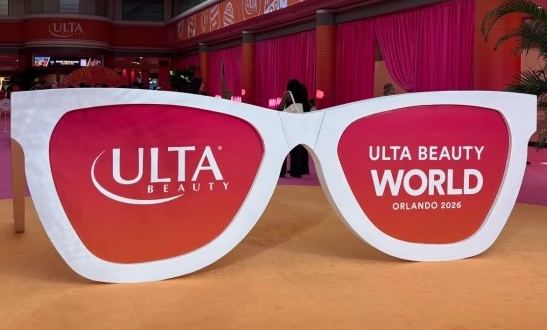
The beauty industry is rapidly evolving, and nowhere is that more visible than at Ulta Beauty World.
As brands compete for attention in increasingly crowded environments, success is no longer just about product innovation; it’s about how effectively a brand can engage, communicate, and connect in real life.
At Ulta Beauty World, four clear trends emerged that define how beauty brands are rethinking experiential marketing, retail environments, and consumer engagement in 2026 and beyond.
Below is a breakdown of those trends and what they mean for brands moving forward.
1. Retail Is Entertainment Economy 2.0
What this means: Beauty retail and events are shifting from product discovery to interactive entertainment experiences.
Brands are no longer relying on static displays. Instead, they are building immersive environments that encourage participation, play, and content creation.
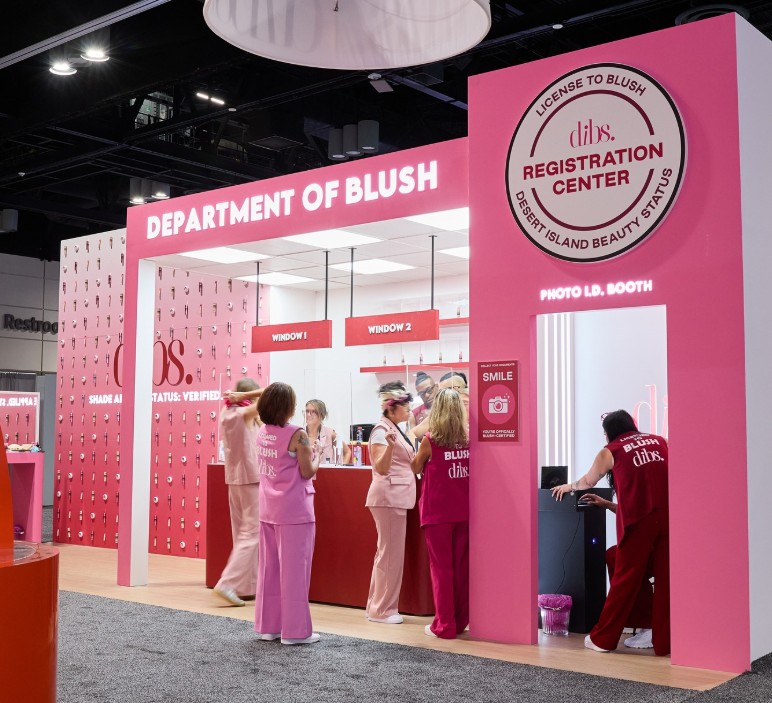
The booths with the largest crowds were those that gave attendees something to do, not just something to see. These experiences blended gamification, education, and social-first design, often with built-in moments optimized for user-generated content (UGC).
Examples included:
- L’ange’s donut shop concept featuring a “blow it” game tied to its hero tool
- DIBS Beauty’s DMV-inspired “Department of Blush,” where attendees earned a “license to blush”
- BYOMA’s multi-step “Barrier Lab” experience combining gameplay and skincare education
- DevaCurl’s Dance Dance Revolution-style interactive setup
What brands should do:
Design activations that prioritize interaction and shareability. Focus on creating experiences that naturally generate UGC and extend beyond the event itself.
2. 3-Second Brand Clarity Wins
What this means: The most successful brands communicate their value instantly, within seconds of being seen.
At Ulta Beauty World, high-performing booths had one thing in common: immediate clarity. Attendees could understand the brand, product, or launch concept without needing explanation.
In contrast, booths that were visually cluttered or overly complex struggled to capture attention.
Standout examples included:
- essence Makeup’s clear “Jelly vs. Bouncy” product focus
- Sunday Riley’s cohesive aqua-themed environment tied to a single launch
- Clean Skin Club’s unmistakable full bathroom setup
- Ole Henriksen’s bodega-inspired concept aligned with product storytelling
- Origins’ “Zen den” wellness-focused experience
What brands should do:
Simplify messaging and lead with a singular hero concept. Ensure your brand story is visually and immediately digestible in under three seconds.
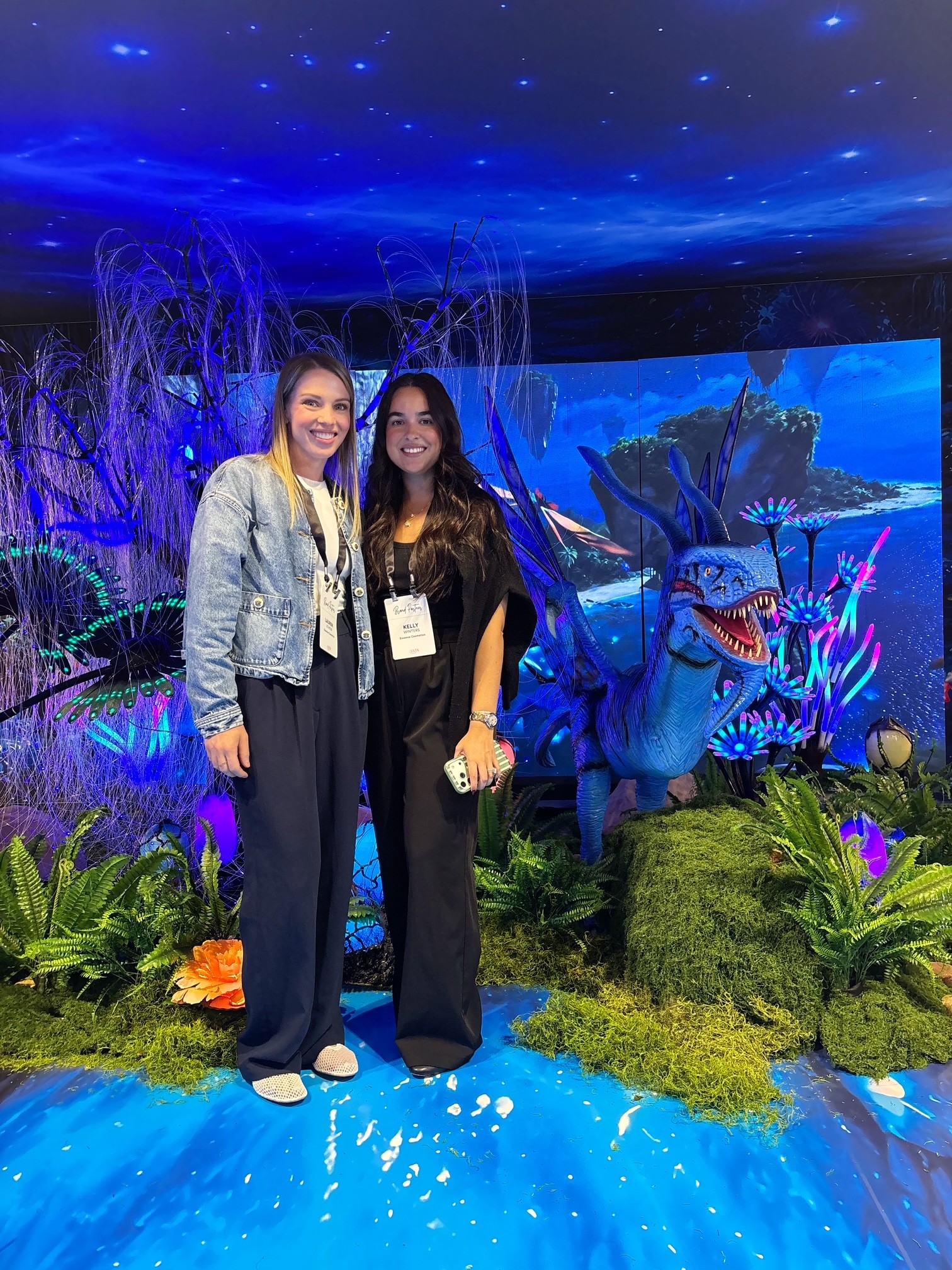
3. Founder Presence = Authenticity Advantage
What this means: Founder visibility builds trust, credibility, and emotional connection in ways traditional marketing cannot.
At Ulta Beauty World, founder-led storytelling consistently drew attention and created more meaningful engagement. Consumers weren’t just interacting with products; they were connecting with the people behind them.
Notable founder presence included:
- Joanne Starkman
- Sunday Riley
- Maureen Kelly
- Anastasia Soare
- Jonathan Van Ness
- Deepica Mutyala
What brands should do:
Incorporate founder storytelling into event strategy where possible. Authentic, human narratives increase memorability and strengthen brand trust.
4. Human Touch > High Tech
What this means: In-person, human-led experiences outperform complex technology in driving engagement.
While some brands introduced digital tools like skin analysis or tech-driven diagnostics, the highest engagement consistently came from live demos, consultations, and real-time interaction.
Consumers responded more to fast, approachable, and personalized experiences than to high-tech features.
High-engagement examples included:
- Innersense Organic Beauty’s live demos and touch-ups
- Amika and Shark Beauty offering on-site styling sessions
- NYX’s high-energy booth teams driving excitement and interaction
- Beekman 1802 and Avène providing dermatologist-led consultations
What brands should do:
Prioritize human interaction in experiential strategy. Invest in trained experts, live demos, and personalized touchpoints over complex or time-intensive technology.
Key Takeaways from Ulta Beauty World
To succeed in today’s experiential and retail landscape, beauty brands should:
- Create interactive, entertainment-driven brand environments
- Communicate messaging clearly and instantly
- Leverage founders to build authenticity and trust
- Prioritize human connection over high-tech complexity
The Future of Beauty Brand Experiences
The biggest takeaway from Ulta Beauty World is clear:
The brands that stand out are those that combine clarity, creativity, and connection, delivering experiences that are both memorable in person and shareable beyond it.
As the beauty industry continues to evolve, the opportunity lies in simplifying how brands communicate while deepening how they engage.