Plus: Substack CEO explains AI-detection tool; publishers think about cutting Google off.
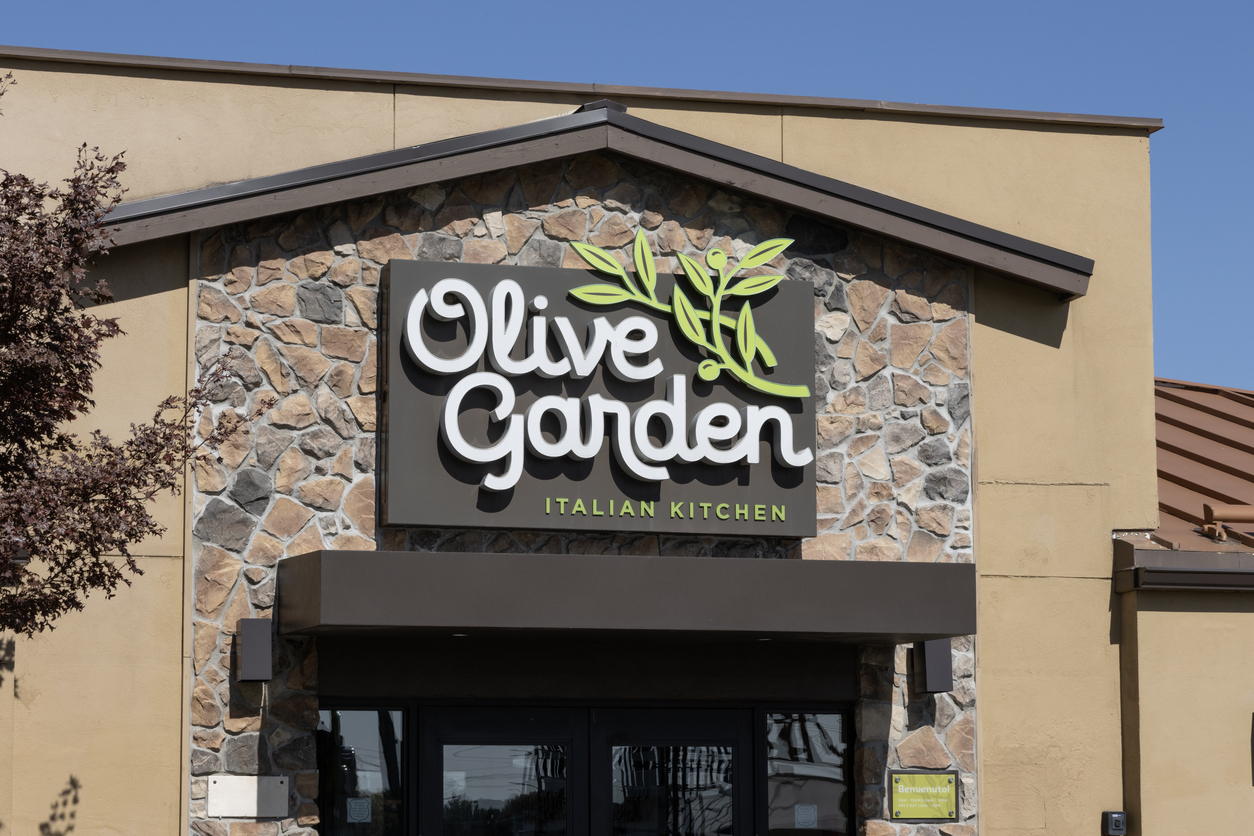
Olive Garden’s Never-Ending Pasta Pass has become an unlikely prop in the debate over voting laws. Yes, you read that correctly.
The restaurant recently revived the promotion, which gives 10,000 customers unlimited pasta and breadsticks for 13 weeks. Because the passes are nontransferable, customers must show a photo ID with the pass.
The New York Times reports that some Republican lawmakers have now turned the promotion into a talking point for the SAVE America Act, legislation that would impose new ID and documentation requirements on voters.
“American elections should not be less secure than Olive Garden’s endless pasta,” Sen. Mike Lee posted on X.
Notably, Olive Garden has not publicly joined the discussion.
Why it matters: This is an example of a brand that didn’t do anything other than announce rules of its promotion and now it’s suddenly thrust into political crosshairs. It’s a reminder that brands don’t always have to make political statements to become part of political messaging.
Olive Garden’s silence likely means the company sees little benefit in speaking. A response could force the restaurant to take a stance in a debate that has nothing to do with selling pasta. Saying nothing allows the company to avoid becoming actively involved or alienating customers.
But silence doesn’t mean the brand has total control either. Politicians are now using Olive Garden’s name, policy and familiarity to support their own message.
Comms teams should prepare for this in their crisis scenario planning. When a brand is unexpectedly pulled into a debate, especially a hot button issue, the first question shouldn’t necessarily be about responding. It should be, “Is this changing what customers, employees or other stakeholders believe about us?”
This whole thing may die down on its own if the brand stays quiet. But if people start misunderstanding the company’s policy or values, they should briefly explain why the rule exists without joining the political drama.
How did Substack explain its new AI-detection tool?
Substack CEO and co-founder Chris Best took to his own platform to explain a new feature. He says Substack is adding an AI-detection tool that lets readers scan posts to estimate how much was written by a person or with AI assistance. This is being done in an effort to be more transparent, he said.
Creators will have the option to explain their process, scan drafts before publishing and challenge results they believe are wrong.
Best explained why the feature is important:
“The core problem is not people using AI, or the quality of its output. Not everything made with AI is slop, and not all slop is made with AI. The problem is when there is a mismatch between a reader’s expectation and reality, especially when they unwittingly invest their attention in something with no human thought on the other end. That’s Claudefishing.”
Best’s message works well because he goes on to explain both the purpose and the limits of the tool. It acknowledges that detection is imperfect, cannot measure how much human care went into a piece and should help readers make their own judgments. The biggest point is that “people should know what they’re getting.”
Other brands can learn from this by creating messages that help explain what something can and can’t do, and connecting it to a wider company value. Transparency builds trust and, at a time when people increasingly don’t know what’s real, this explainer helps maintain it.
Why are publishers pulling away from Google?
Google’s relationship with publishers is under growing strain. The Wall Street Journal reports that for years, publishers relied on Google crawlers to scan their content because search traffic sent readers back to their sites.
But now AI Overviews and AI Mode summarize that reporting directly in search results, giving users less reason to click through. With referral traffic falling sharply, some major publishers are reconsidering whether Google’s access is still worth it.
“We are certainly looking at the economic trade-offs between search and AI summaries,” Reuters President Paul Bascobert told the outlet.
For brands and communicators that have seen this shift for a while now, it’s important not to build your entire content strategy around traffic from a platform can’t control.
Teams should track how their brands appear in AI answers, invest in original reporting and expert insight, and strengthen their direct channels like email, websites and events. The goal now should be to make sure your brand is accurately represented wherever audiences get answers. Control what you can.
Why is Novo Nordisk suing Eli Lilly?
Drugmaker Novo Nordisk sued Eli Lilly this week, accusing it of using outdated clinical trials to make its weight loss drugs appear more effective than Wegovy and Ozempic.
NBC reports that Novo wants the ads withdrawn, corrective advertising and damages.
Lilly spoke up, saying the comparisons are supported by its clinical trial and plans to fight the lawsuit.
“Rather than compete on the merits of its products, Novo is asking a court to stop Lilly from communicating the results of that trial,” a Lilly spokesperson said. “We will continue to focus on the science and defend against this lawsuit vigorously.”
What’s notable is that Lilly did more than issue the usual statement saying it doesn’t comment on active litigation. It publicly defended its advertising. This does carry some legal and reputational risk, but it also lets Lilly shape the dispute before Novo’s allegations become widely accepted.
This shows that silence is not always the only choice during litigation. A brief, carefully reviewed statement can defend the company’s credibility, reassure customers and help establish its position.
The post The Scoop: Olive Garden stays quiet as its pasta pass enters politics appeared first on PR Daily.











![Top Resources for Giving Tuesday [Roundup]](https://mgrowtech.com/wp-content/uploads/2025/06/mq2.webp-120x86.webp)