[ad_1]
Innovation in B2B marketing is tough. Actually, innovation in general is tough. The rate of truly disruptive ideas has slowed down, even in marketing. And while the channels themselves haven’t fundamentally changed, the way buyers discover and evaluate across them has. That’s why even the most incremental, novel ideas stand out in today’s crowded marketplace.
We know by now that marketers don’t need to reinvent the wheel to become visible and be the Best Answer for their customers. With that in mind, let’s look at how brands are taking new approaches to being seen and heard by prioritizing human connection over hard sells.
1. Capgemini — Realities Remixed
(Image: Capgemini)
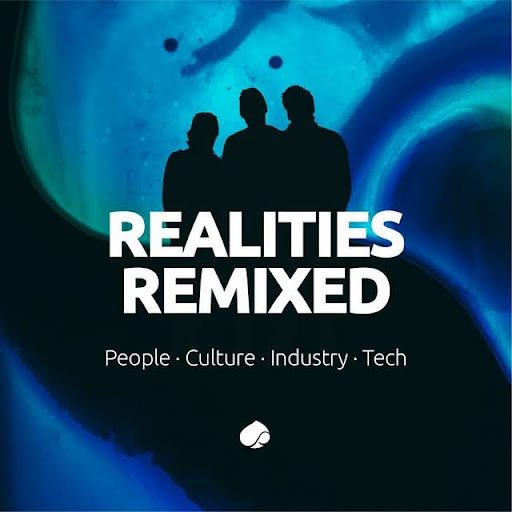
What if I told you there’s a B2B podcast out there with both niche and mass appeal?
After award-winning acclaim in 2025, the team behind Cloud Realities launched a new offshoot, one that focuses on topics designed to catch the attention of both B2B insiders and people who simply enjoy entertaining conversations. It asks a bigger question than most B2B shows: what happens when people, culture, industry, and technology collide?
So, what makes it innovative? At first glance, you wouldn’t know this is a Capgemini-led podcast. It feels exciting, there’s real value, and it avoids generic platitudes or product-led conversations. It’s not over-scripted or overly polished. It feels conversational and fun, with pop culture references and comedic moments.
With episode titles like Leading in the Never Normal and Value Metrics vs. Vanity Metrics, there really is something for everyone. This podcast was made for the B2B marketer who wants an easy listen and who probably was never going to Google “Capgemini services” anyway. Which is critical because buyers are discovering content across podcasts, communities, and multiple touchpoints long before they ever speak to sales.
If B2B brands want to break the stigma of “business to boring” marketing, they’ll have to take a similar approach. Lead with value and entertainment, and let the listener decide whether they want to explore the brand further. That balance between usefulness and subtle brand presence is what makes the format work.
Another good listen is the Beyond B2B Marketing Podcast, if you want another example of B2B content that prioritizes insight over pitch. You’ll get timely B2B insights from leaders at companies like Forrester, The B2B Institute, Cisco, Bain & Company, and more.
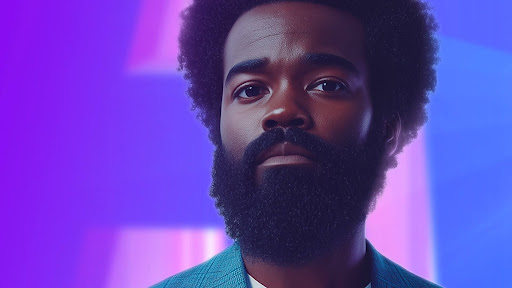
2. KPMG — It’s Time For AI-X
(Image: KPMG)
And now for something completely different.
Can AI be used for good? Of course it can. But can it be used for groundbreaking marketing? You’ve probably come across your fair share of AI slop that makes up a significant amount of content, including long-form social posts, blogs, branded images, and even videos, but I can assure you, you’ve never seen anything like this.
AI has changed a lot, but it hasn’t changed our desire for hyper-personalized messaging. This next example shows what happens when AI is used to personalize rather than mass-produce. Last year, KPMG launched its It’s Time For AI-X campaign around the release of its annual Customer Experience Excellence report.
Instead of just distributing the report, they personalized it. Fifty high-value clients each received an AI-generated video addressed to them by name, surfacing their own CEE data and growth opportunities. Each video led to a branded microsite, then to The AI-X Hour, an exclusive sixty-minute strategy session with senior KPMG experts.
Every one of the fifty clients engaged, and 750+ more downloaded the full report. The result was a 3,200% ROI and multiple industry awards for Best Use of AI in Corporate Communications. What makes this fresh isn’t just the technology itself, but the thinking behind it. They didn’t use AI to cut corners or flood the market with more noise. Rather, they used it to create fifty one-on-one conversations that felt personal and relevant.
3. Sprinklr Socialverse
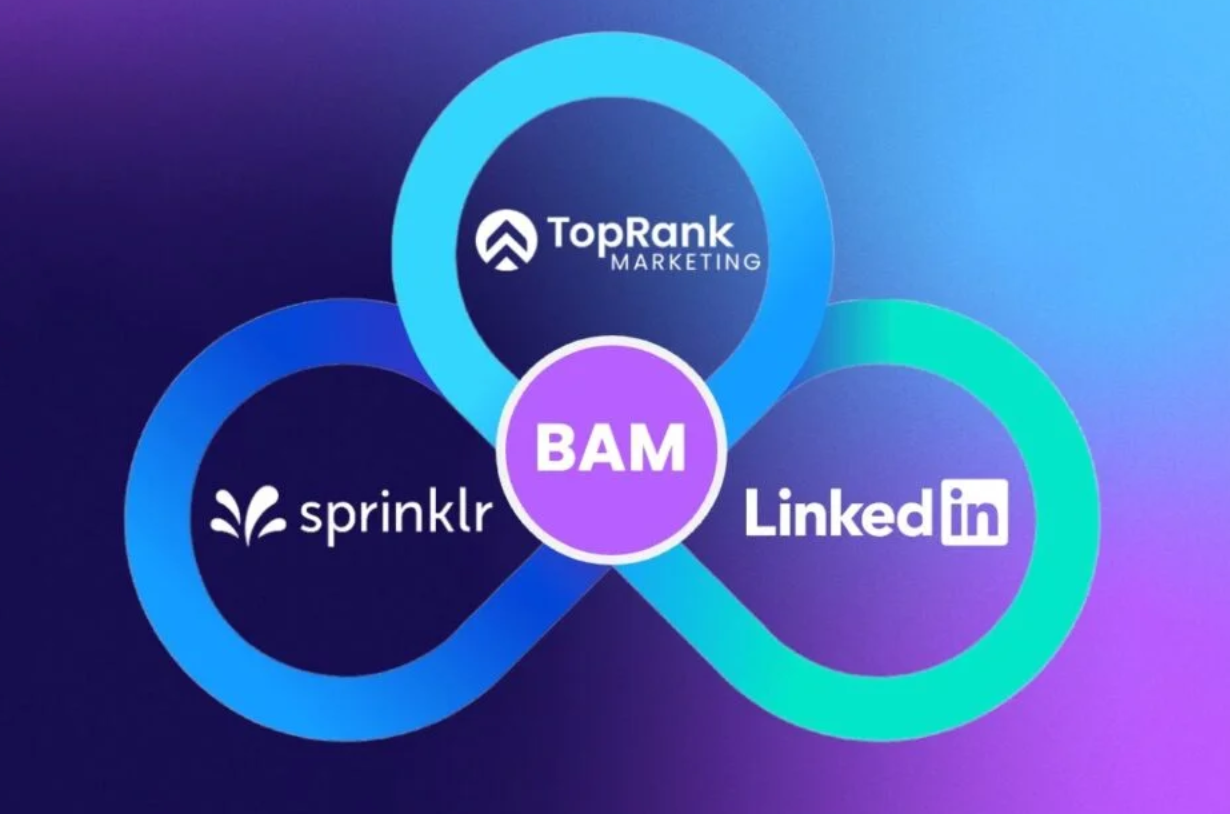
Product launches should be exciting, they should take on new forms, and they should hold people’s interest for longer than a fleeting moment. TopRank Marketing’s Sprinklr Socialverse absolutely nailed that (no bias).
It turned what would normally be a typical product launch into a MasterClass-style experience, one that was educational, inspiring, cinematic, and led by recognizable, heavyweight marketing players like Ann Handley and Jay Baer. What made it innovative was the fact that it didn’t feel like a typical webinar. You know the ones: floating heads, low-resolution video, choppy audio, sitting around 250 views with no comments on YouTube?
The goal was to use these influencers as teachers, not promoters, people who can really take control of a room while building both trust and authority. By leveraging these recognized experts as teachers, Sprinklr earned both views and engagements to build the credible expertise necessary to become a trusted, go-to answer in their category.
It achieved the goal of humanizing a complex product with strong storytelling, high production value, top B2B influencers, and an entertaining, educational experience that led to another season, as well as an accolade for Best Use of Influencer Marketing. The campaign drove more than 5,000 event registrations, reached 23.4 million people, and generated nearly 100,000 engagements, showing that education-led, influencer-driven content can build trust while driving both attention and real demand.
4. SCIEX — SCIEX ZenoTOF 8600 Launch
(Image: SCIEX)
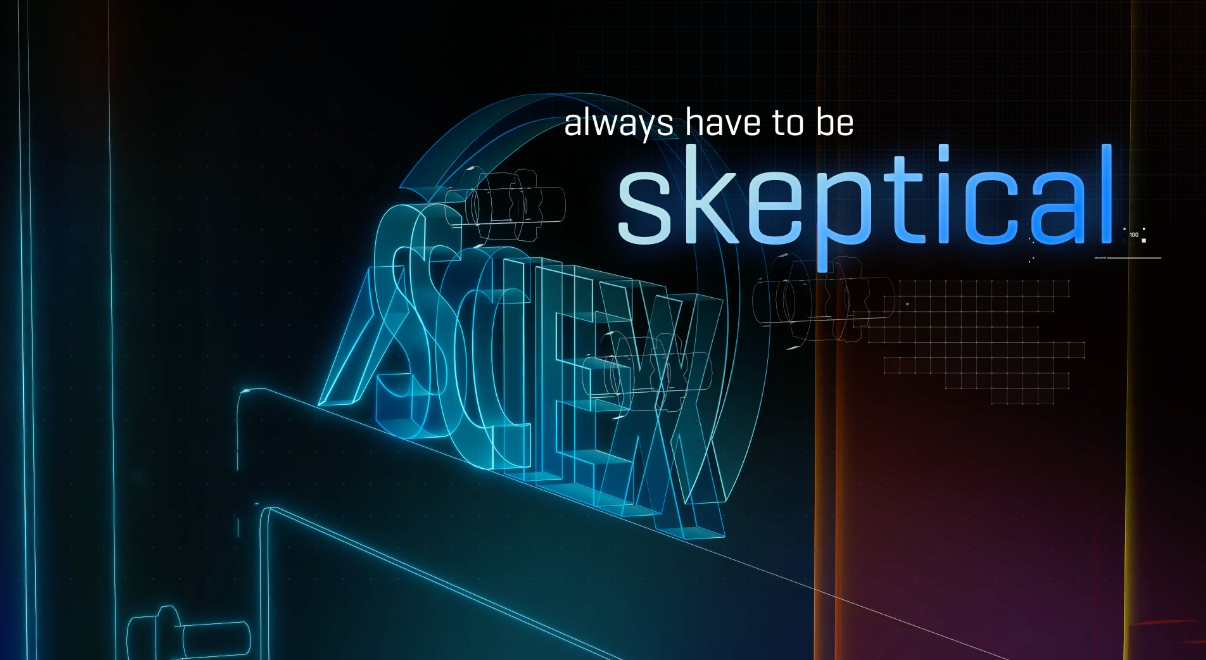
Are you skeptical by nature? From fad diets to supernatural phenomena to the moon landing, we’re all wired to question big promises (FYI – I do not think the moon landing was faked). Today’s B2B buyers are no different. That’s exactly why the SCIEX team took a bold approach to getting their technical and skeptical audience to buy in on the launch of their highly innovative product (ZenoTOF 8600).
They couldn’t just pass out brochures and make sweeping claims and hope buyers would reach out on curiosity alone. Instead, they decided to lead with proof, launching the campaign under the title “Skeptics Welcome,” essentially embracing doubt many buyers have up front. They used multiple channels to drive awareness and engage their audience, primarily email and social.
What came next was the real differentiator: an immersive, in-person, multi-sensory, gamified experience designed to turn skeptics into supporters.
These skeptics were put in an environment that can only be described as IMAX-level theatricality. We’re talking 15-meter LED screens, 5.1 surround sound, and narrated presentations that framed each claim as a provable hypothesis. Additionally, each conference attendee was given a “Prove It” button, which allowed them to interrupt the presentation and ask for fact-based evidence in real time. When enough buttons were pressed, the presentation paused to reveal supporting data on the spot. Cool, right?
SCIEX understood that to be chosen, they first had to be believed. By inviting skepticism and providing immediate fact-based answers, they moved from a company with a bold claim to one buyers could trust, evaluate, and believe.
And it worked. In just three months, SCIEX drove 277 data downloads and 195 sales opportunities, easily passing its annual target and building a pipeline worth over $165M. Beyond that, it shifted how the brand was perceived. A brand that had previously been easy to overlook became one people were willing to talk about. It just goes to show, when you stop marketing to a skeptical audience and instead invite them to challenge you, you can earn both attention and belief.
5. LinkedIn – Don’t Let Good Ads Go To Waste
(Image: LinkedIn)
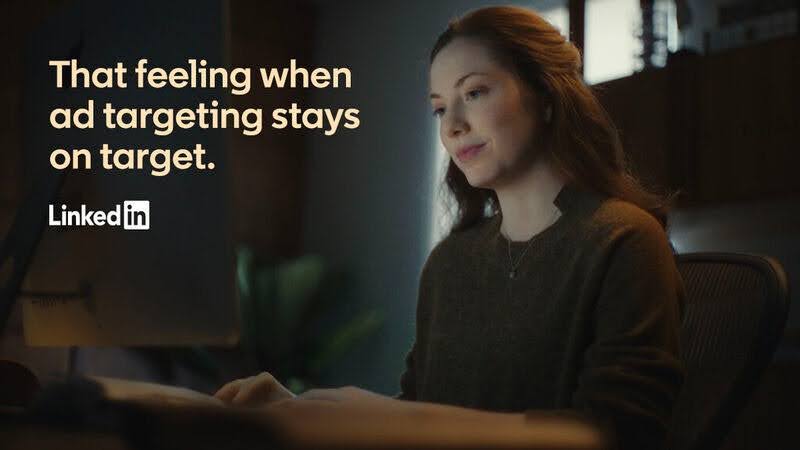
How often are you served an ad that’s clearly not for you? Surfing lessons (I live in landlocked Philadelphia where the only waterway is the Schuylkill River, yikes). Hearing aids (my ears work fine, thanks). Luxury baby strollers (no kids in sight). Businesses are wasting ad dollars targeting the wrong people. I think we can all agree these mistargeted ads are both annoying and a huge waste of money, right?
Traditionally, marketing usually focuses on what it wants you to start doing. What made this campaign different is the focus on what they want you to stop doing: wasting ad dollars. That idea came to life through the “Don’t Let Good Ads Go to Waste” platform, supported by a full-funnel strategy that combined high-impact video, digital placements, and contextual storytelling. The creative execution leaned into absurdity to make ad waste impossible to ignore, like a forklift being served to a boardroom of financiers or a server appearing in the middle of an archaeological dig. Each ad dramatized the core problem while reinforcing LinkedIn’s precision targeting as the solution.
The campaign delivered measurable impact across key brand and perception metrics. Unaided brand awareness increased by +8 points year over year, while perceptions of delivering higher quality leads rose by +6 points. Perceptions of providing the right audience increased by +4 points among exposed B2B marketers, and usage of LinkedIn also grew among advertisers on competing platforms, including +8% among Facebook users and +9% among Google users.
Taken together, these examples show that the strongest B2B marketing does more than capture attention. It creates relevance, builds confidence, and gives buyers a clearer reason to act. Innovation shouldn’t be a hollow line item on a slide deck. It keeps a brand relevant when buyers have more options, more information, and less patience than ever. Best Answer Marketing is about showing up with relevance, earning trust, and giving buyers a reason to choose you.
Explore the Best Answer Marketing playbook to see how visibility, trust, and choice come together in practice.
[ad_2]
Source_link