[ad_1]
As the digital advertising landscape continues to evolve at a breakneck pace, Facebook remains a powerhouse platform for brands aiming to connect with their audience. With artificial intelligence (AI) technologies advancing rapidly, 2025 promises to be a transformative year for Facebook advertising. Marketers who leverage AI-driven trends will gain a competitive edge, optimizing campaigns with greater precision and creativity than ever before.
This article explores five key AI-driven Facebook ad trends that businesses and advertisers need to understand and implement in 2025. From hyper-personalization to automated creative optimization, these trends are reshaping how brands engage users and drive meaningful results.
1. Hyper-Personalized Ad Experiences Powered by AI
Personalization has long been a cornerstone of effective advertising, but AI is elevating it to unprecedented levels. In 2025, Facebook advertisers will harness sophisticated machine learning algorithms to deliver hyper-personalized ad experiences tailored to individual users’ preferences, behaviors, and even real-time contexts.
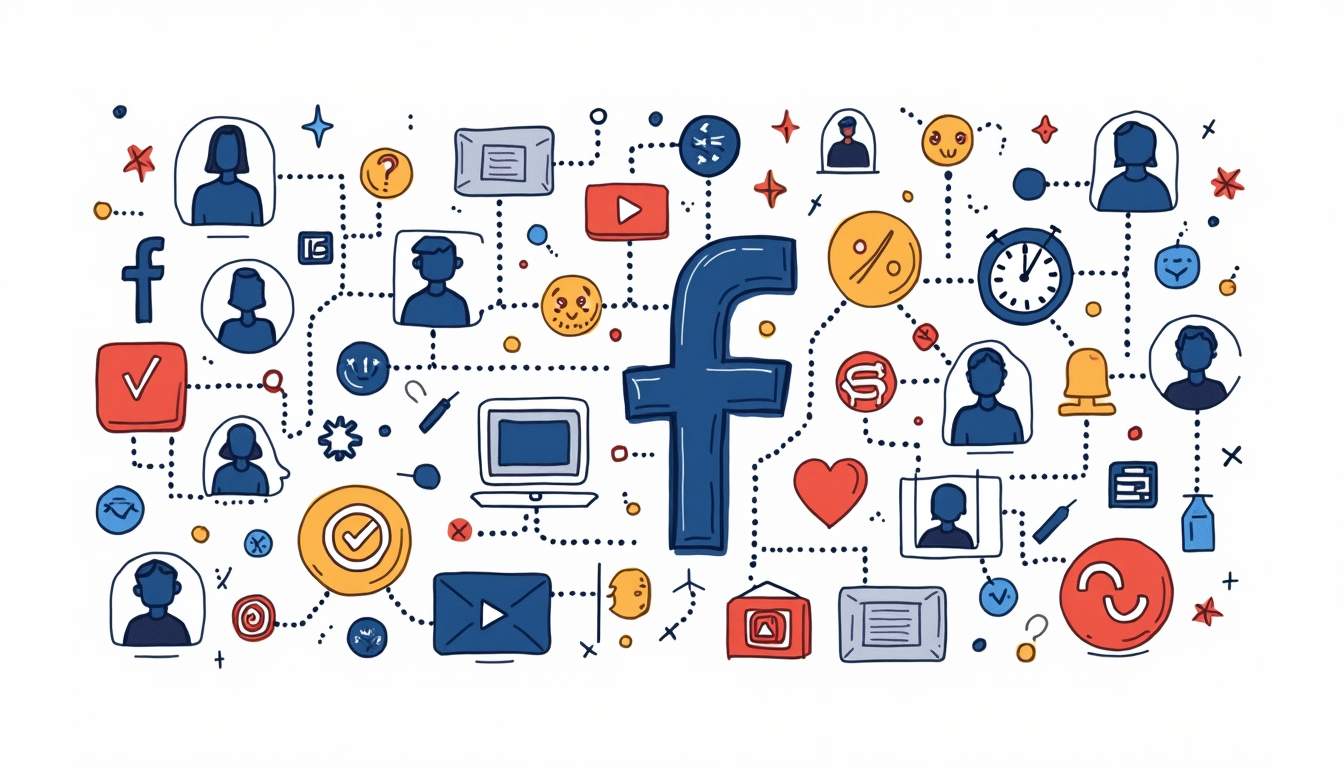
Unlike traditional segmentation, which groups audiences into broad categories, AI analyzes vast amounts of data points — from browsing habits and purchase history to social interactions and device usage — to craft ads that resonate on a deeply personal level. This means users will see offers and messages that feel uniquely relevant, increasing engagement rates and conversion potential.
For example, a fashion retailer might use AI to dynamically showcase different clothing styles based on a user’s recent searches and seasonal trends, while a travel company could serve destination ads aligned with a user’s upcoming holidays or past trips. The result is a seamless, intuitive ad experience that feels less like marketing and more like a helpful recommendation.
Moreover, as AI continues to evolve, the ability to predict user behavior will become even more refined. Advertisers will be able to anticipate not just what a user might want based on their past actions, but also what they might need in the near future. For instance, if a user frequently engages with fitness content, AI could suggest related products, such as workout gear or nutritional supplements, even before the user explicitly searches for them. This proactive approach to advertising could redefine user engagement, making it feel more like a conversation than a one-sided pitch.
How Advertisers Can Implement Hyper-Personalization
To take advantage of this trend, advertisers should invest in AI-powered customer data platforms (CDPs) that integrate with Facebook’s ad system. These platforms consolidate user data from multiple sources, enabling granular audience insights. Additionally, leveraging Facebook’s own AI tools, such as the Conversions API and Advantage+ campaigns, helps automate the delivery of personalized content at scale.
Creative teams should also collaborate closely with data analysts to develop adaptable ad templates that AI can modify based on audience signals. This synergy between human creativity and machine intelligence is key to crafting compelling hyper-personalized campaigns. Furthermore, as privacy regulations become more stringent, advertisers must navigate the delicate balance between personalization and user consent. Transparent data practices and clear communication about how data is used will be essential in building trust with consumers, ensuring that hyper-personalized experiences are not only effective but also ethically sound.
2. AI-Driven Creative Optimization and Dynamic Content
Creating multiple ad variations and testing them manually can be time-consuming and inefficient. AI-driven creative optimization is revolutionizing this process by automatically generating, testing, and refining ad content in real time based on performance data.
Facebook’s AI systems can now analyze which headlines, images, videos, and calls-to-action resonate best with different audience segments and adjust ad delivery accordingly. This dynamic content approach ensures that the highest-performing creative elements are prioritized, maximizing return on ad spend (ROAS).
Moreover, AI tools can generate new creative assets by remixing existing content or even producing entirely new visuals and copy using generative AI models. This capability allows brands to maintain fresh, engaging ads without the overhead of constant manual production. The use of AI in this context not only enhances creativity but also allows for rapid iteration, enabling brands to respond swiftly to market trends and consumer preferences.
As AI technology continues to evolve, the potential for hyper-personalization in advertising becomes increasingly feasible. By leveraging advanced algorithms, brands can create tailored experiences that resonate deeply with individual users. For instance, AI can analyze user behavior and preferences to suggest personalized ad content that aligns with their interests, thereby increasing engagement and conversion rates. This level of customization can significantly enhance the user experience, making ads feel less intrusive and more relevant.
Practical Tips for Leveraging AI in Creative Optimization
Advertisers should embrace Facebook’s Dynamic Creative Ads feature, which automatically combines various creative assets to identify top performers. Pairing this with AI-powered design tools can streamline content creation and experimentation.
Regularly reviewing AI-generated insights helps marketers understand audience preferences and refine their creative strategies. It’s also important to maintain brand consistency by setting clear creative guidelines for AI tools to follow, ensuring that automated content aligns with the brand’s voice and values. Additionally, incorporating feedback loops where human creativity and AI insights intersect can lead to even more innovative ad solutions. By fostering collaboration between AI and creative teams, brands can harness the strengths of both to produce compelling content that captivates audiences and drives results.
3. Enhanced Audience Targeting Through Predictive Analytics
Audience targeting has always been a critical component of Facebook advertising, but AI-driven predictive analytics is taking it to the next level. By analyzing historical data and identifying patterns, AI models can forecast which users are most likely to engage with or convert from a given ad campaign.
This predictive capability enables advertisers to focus their budgets on high-value prospects, reducing wasted spend and improving campaign efficiency. For instance, AI can predict which users are likely to make repeat purchases or respond to upsell offers, allowing brands to tailor their messaging and bidding strategies accordingly.
In addition, AI can detect emerging audience segments that may not be immediately obvious through traditional analysis, uncovering new growth opportunities and niches.
Maximizing the Benefits of Predictive Audience Targeting
To harness predictive analytics, advertisers should integrate Facebook’s machine learning tools with their customer relationship management (CRM) systems and other data sources. This integration provides a richer dataset for AI models to analyze, enhancing prediction accuracy.
Experimenting with Facebook’s Lookalike Audiences, enhanced by AI insights, can help identify new users who closely resemble existing high-value customers. Combining this with automated bidding strategies that prioritize predicted conversions ensures campaigns are both targeted and cost-effective.
4. Voice and Visual Search Integration in Facebook Ads
The rise of voice assistants and visual search technologies is influencing how users discover products and services online. In 2025, Facebook advertisers will increasingly incorporate AI-driven voice and visual search capabilities into their campaigns to capture these growing user behaviors.
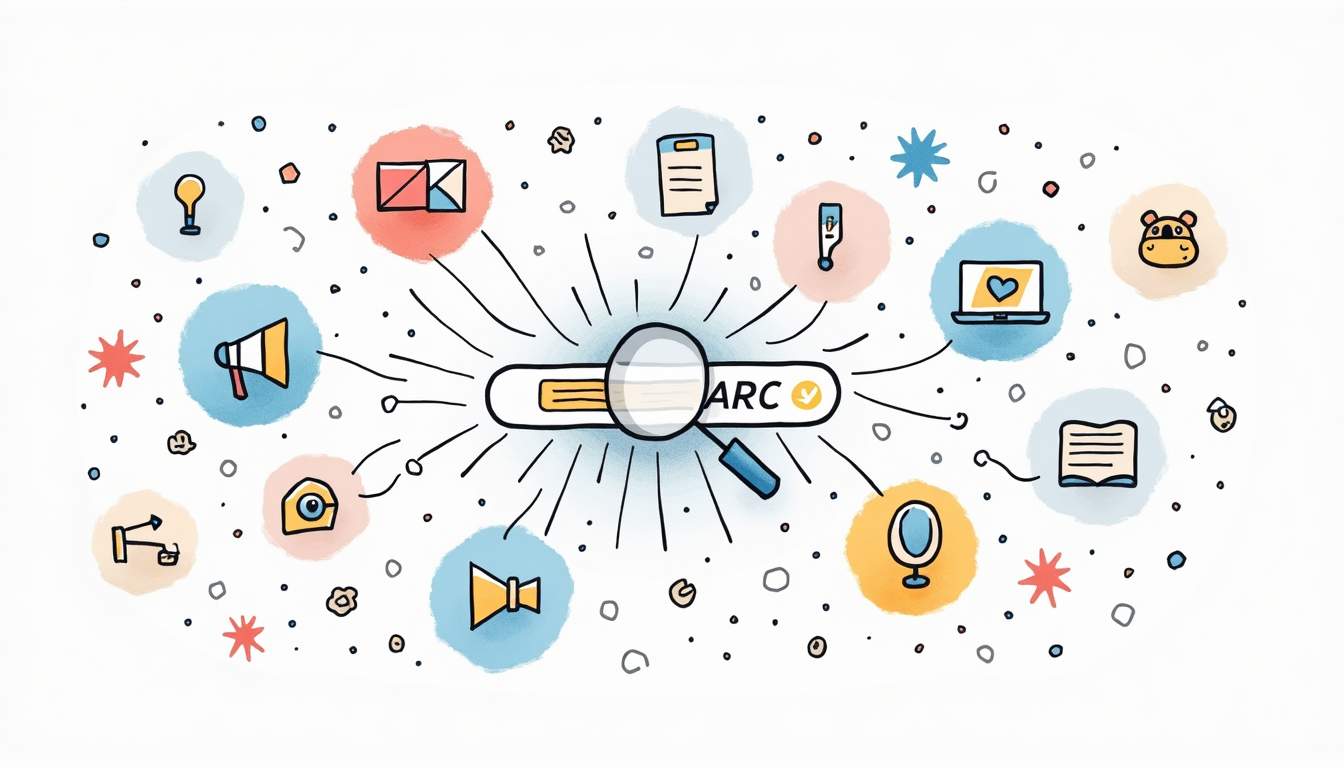
Voice search allows users to find products using natural language queries, while visual search enables them to upload images or scan objects to discover similar items. AI-powered Facebook ads can respond to these inputs by dynamically adjusting ad content or triggering relevant offers.
For example, a user might snap a photo of a pair of shoes they like, and Facebook’s visual search AI could serve ads for similar styles available from various brands. Similarly, voice commands through smart devices could prompt Facebook to display tailored ads aligned with spoken queries.
Strategies for Incorporating Voice and Visual Search
Advertisers should optimize their product catalogs and ad metadata to be easily discoverable through voice and visual queries. This includes using descriptive, conversational language in ad copy and ensuring images are high-quality and tagged with relevant keywords.
Collaborating with AI platforms that specialize in voice and image recognition can enhance ad responsiveness. Additionally, testing interactive ad formats such as augmented reality (AR) experiences can engage users in novel ways that complement voice and visual search trends.
5. Automated Budget Allocation and Real-Time Performance Adjustments
Managing ad budgets manually across multiple campaigns can be challenging, especially when market conditions and user behaviors shift rapidly. AI-driven automation is transforming budget allocation by continuously analyzing campaign performance and reallocating spend in real time to maximize outcomes.
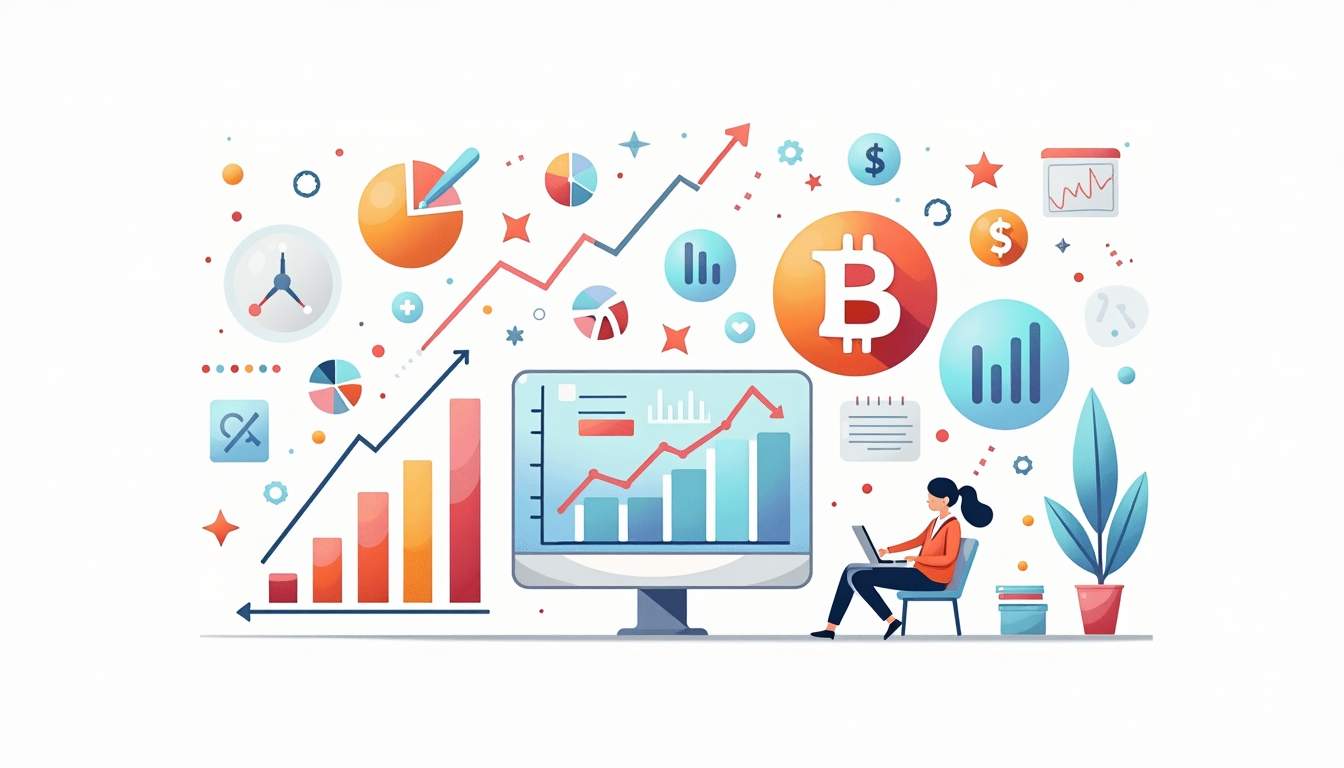
Facebook’s AI algorithms can monitor key metrics such as click-through rates, conversion rates, and cost per acquisition, then adjust bids and budgets across campaigns and ad sets without human intervention. This agility ensures that funds are directed toward the most effective ads and audiences at any given moment.
Moreover, AI can predict future performance trends, allowing advertisers to proactively adjust strategies before issues arise or opportunities are missed.
Implementing Automated Budget Management Effectively
To benefit from AI-powered budget automation, advertisers should set clear campaign objectives and performance thresholds. Facebook’s Campaign Budget Optimization (CBO) tool is a valuable feature that automates budget distribution across ad sets based on real-time data.
Regularly reviewing AI-driven reports and alerts helps marketers stay informed about budget shifts and campaign health. Combining automated budget management with human oversight ensures that strategic goals remain aligned while leveraging AI’s speed and precision.
Conclusion: Preparing for an AI-Enhanced Facebook Advertising Future
The integration of AI into Facebook advertising is not just a passing trend but a fundamental shift in how brands connect with consumers. By embracing hyper-personalization, creative optimization, predictive targeting, voice and visual search, and automated budget management, advertisers can unlock new levels of efficiency and effectiveness in 2025.
Staying ahead requires a willingness to experiment with AI tools, invest in data integration, and foster collaboration between creative and analytical teams. Those who adapt to these AI-driven trends will be well-positioned to deliver compelling, relevant ads that resonate with audiences and drive meaningful business growth in the years to come.
Ready to Elevate Your Facebook Ads with AI?
Embrace the future of advertising with AdvertiseMint. Our team is at the forefront of AI-driven Facebook ad strategies, ready to tailor hyper-personalized campaigns that captivate your audience and amplify your brand’s success. Don’t miss out on the opportunity to enhance your digital advertising efforts. Contact Us Today and let’s unlock the full potential of your Facebook ads together.
[ad_2]
Source_link