Back-to-school is one of the few seasonal moments that naturally follows a full-funnel buying cycle. Unlike many seasonal campaigns that focus primarily on a short purchase window, back-to-school marketing requires brands to engage consumers throughout a longer decision-making journey. Consumers don’t make every purchase at once. They move from awareness, to research, to comparison, and finally to purchase.
Research from Think with Google has shown that consumer journeys are often complex, with shoppers researching and evaluating options across multiple touchpoints before making a decision.
The most successful back-to-school marketing strategies are built to support each stage of this journey, ensuring brands remain visible and relevant as consumer needs evolve. By connecting awareness, consideration, and conversion efforts, marketers can create more meaningful interactions and drive stronger campaign outcomes.
Phase 1: Build Awareness Early
The first stage of back-to-school marketing is about building familiarity before consumers are ready to buy.
Families begin planning for the upcoming school year by researching products, exploring options, and identifying what they need. According to seasonal shopping research from the National Retail Federation, back-to-school spending represents a major annual shopping period, with families purchasing everything from school supplies and clothing to technology and other essentials.
This creates an opportunity for brands to introduce themselves, inspire future purchases, and establish awareness before purchase decisions are made.
Broad-reaching channels such as Connected TV (CTV), online video, audio, and digital out-of-home (DOOH) are particularly effective during this stage because they help brands maximize visibility and connect with audiences at scale. Messaging should focus on preparation, product discovery, and seasonal inspiration rather than immediate sales.
By reaching consumers early, back-to-school marketing campaigns can build familiarity and influence brand consideration before shoppers enter the final purchase stage.
Phase 2: Influence Consideration
As consumers move closer to making purchasing decisions, back-to-school marketing should shift from awareness to consideration.
Parents compare products. Students research technology, supplies, apparel, and other essentials. Families evaluate promotions and determine which brands offer the right combination of value and relevance.
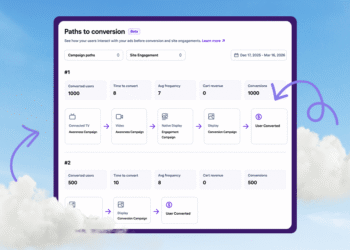
This is where marketers should provide more personalized and helpful experiences. Sequential messaging allows brands to tell a more complete story across multiple touchpoints by delivering relevant messages throughout the customer journey. The real value of sequential messaging is that audiences receive ads that are relevant to where they are in the conversion path. Instead of seeing the same message repeatedly or receiving an awareness-focused ad when they’re ready to convert, consumers are guided through the funnel with a more strategic and intentional approach.
Contextual targeting helps place ads alongside content consumers are already engaging with, while retail conquesting can help brands reach shoppers who are considering competing retailers or products.
During this stage, effective back-to-school marketing strategies focus on helping consumers make informed decisions while keeping brands top of mind throughout the evaluation process.
Phase 3: Convert High-Intent Shoppers
As back-to-school shopping reaches its peak, purchase intent is at its highest.
At this stage, back-to-school marketing campaigns should focus on driving measurable action and reducing barriers to purchase.
Location-based targeting can help reach consumers near relevant retail locations by using real-world behavioral insights to identify audiences with stronger purchase intent.
Retargeting helps re-engage shoppers who have previously shown interest, while promotional messaging, store locators, and clear calls to action help encourage conversions when consumers are ready to act.
The most effective back-to-school marketing campaigns combine relevance, timing, and measurement to understand what influenced consumer decisions and optimize performance.
About illumin
illumin is a strategic advertising platform focused on improving how programmatic campaigns are planned, executed, and managed. By reducing fragmentation across workflows, illumin supports in-market decision-making across the open web. Headquartered in Toronto, Canada, illumin serves brands and agencies across North America, Latin America, and Europe. For more information visit www.illumin.com.
See More. Achieve More.