• About Us
  • Disclaimer
  • Contact Us
  • Privacy Policy
Wednesday, September 9, 2026
mGrowTech
No Result
View All Result
  • Technology And Software
    • Account Based Marketing
    • Channel Marketing
    • Marketing Automation
      • Al, Analytics and Automation
      • Ad Management
  • Digital Marketing
    • Social Media Management
    • Google Marketing
  • Direct Marketing
    • Brand Management
    • Marketing Attribution and Consulting
  • Mobile Marketing
  • Event Management
  • PR Solutions
  • Technology And Software
    • Account Based Marketing
    • Channel Marketing
    • Marketing Automation
      • Al, Analytics and Automation
      • Ad Management
  • Digital Marketing
    • Social Media Management
    • Google Marketing
  • Direct Marketing
    • Brand Management
    • Marketing Attribution and Consulting
  • Mobile Marketing
  • Event Management
  • PR Solutions
No Result
View All Result
mGrowTech
No Result
View All Result
Home Brand Management

Understanding Logo Types and Icon Styles

Josh by Josh
February 20, 2026
in Brand Management
0


Choosing a logo isn’t just about what looks good. It’s about selecting a structure and style that aligns with your brand’s strategy, personality, and long-term growth.

READ ALSO

Oral Care Shelves…Where Good Design Usually Goes To Die – BP&O

The Brand Strategy Behind Gap’s Comeback

Logo designs can be evaluated through two main considerations:

  • How the logo is constructed
  • How the icon communicates meaning

Understanding both helps you make informed decisions about your brand identity.

Logo Design Types (How It’s Built)

These categories describe the structural foundation of a logo.

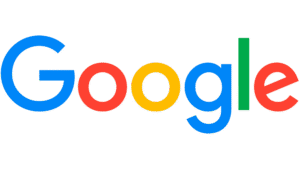
Wordmark

A wordmark is the full company name styled in custom typography. There is no separate icon. The design focuses entirely on the lettering.

Wordmarks are often used when the full company name needs to remain intact and recognizable across all applications.

Examples include: Google, Coca-Cola, Visa, Netflix, Disney


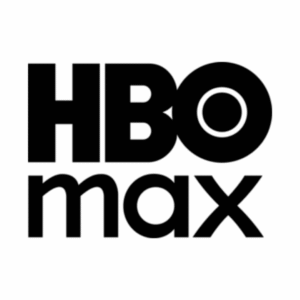
Lettermark (Monogram)

A lettermark uses initials or an acronym to simplify longer company names. The focus remains on typography, but in abbreviated form.

This approach works well for companies with long or multi-word names.

Examples include: HBO MAX, CNN, IBM, NASA
    

Pictorial (Icon only)

A pictorial mark is a recognizable symbol that can eventually stand alone without the company name once brand recognition is established.

An icon-only logo only works when recognition is already strong enough that the symbol alone carries meaning.

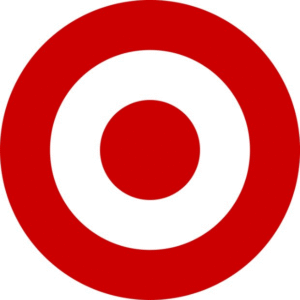
Examples include: Target (bullseye), Nike (swoosh), Apple (apple), McDonald’s (golden arches)


Combination

A combination mark includes both the company name and a symbol. These elements can be used together or separated depending on context.

This is often the most flexible option, especially for new or growing companies.

Examples include: NBC (peacock), Rolex (crown), Dropbox (box icon), Mastercard (interlocking circles), Delta (triangular symbol)
          

Icon or Logo Mark Styles

When a logo includes a symbol, that icon generally falls into one of two main categories: abstract or literal. These categories describe how the symbol visually represents the brand.

Abstract

An abstract icon uses a non-representational shape that does not clearly depict a real-world object. Its meaning develops through repeated brand exposure.

These shapes do not literally depict a product. Instead, they communicate through form, movement, and visual language.

Examples include: Nike, Pepsi, Adidas, Google Drive, Mitsubishi
               

Literal

A literal icon depicts a recognizable, real-world object. Even if stylized or simplified, it clearly represents something tangible.

Literal marks may be direct or symbolic.

The object itself is real, but its meaning can extend beyond the literal image through brand storytelling and positioning.

Examples include: Apple (apple), Twitter (bird), Jaguar (jaguar), Target (bullseye)


Choosing the Right Direction

There is no universally better logo type. The right choice depends on:

  • Brand personality
  • Industry positioning
  • Long-term growth plans
  • Competitive landscape
  • Recognition goals

A well-designed logo is not just attractive. It is strategically aligned with where the brand is today and where it intends to grow.

If you’re exploring a new logo or refining an existing one, clarity around structure and style is the first step. Thoughtful decisions at this stage create a brand identity that can scale, adapt, and remain recognizable over time.

If you’d like guidance choosing the right logo direction for your business, reach out to start the conversation.

The post Understanding Logo Types and Icon Styles appeared first on Huckleberry Branding.



Source_link

Related Posts

Oral Care Shelves…Where Good Design Usually Goes To Die – BP&O
Brand Management

Oral Care Shelves…Where Good Design Usually Goes To Die – BP&O

September 9, 2026
The Brand Strategy Behind Gap’s Comeback
Brand Management

The Brand Strategy Behind Gap’s Comeback

September 9, 2026
Mucca makes New York supermarket company Fairway’s everyday essentials anything but basic
Brand Management

Mucca makes New York supermarket company Fairway’s everyday essentials anything but basic

September 8, 2026
The Dr. Martens Loafer Collection is Here
Brand Management

The Dr. Martens Loafer Collection is Here

September 8, 2026
‘I am the walrus’: Anatomy’s charming new identity for the Horniman Museum
Brand Management

‘I am the walrus’: Anatomy’s charming new identity for the Horniman Museum

September 3, 2026
IKEA Unveils a Campaign that Will Knock Your Socks Off
Brand Management

IKEA Unveils a Campaign that Will Knock Your Socks Off

September 3, 2026
Next Post
General Catalyst commits $5B to India over five years

General Catalyst commits $5B to India over five years

POPULAR NEWS

Trump ends trade talks with Canada over a digital services tax

Trump ends trade talks with Canada over a digital services tax

June 28, 2025
15 Trending Songs on TikTok in 2025 (+ How to Use Them)

15 Trending Songs on TikTok in 2025 (+ How to Use Them)

June 18, 2025
Communication Effectiveness Skills For Business Leaders

Communication Effectiveness Skills For Business Leaders

June 10, 2025
Comparing the Top 7 Large Language Models LLMs/Systems for Coding in 2025

Comparing the Top 7 Large Language Models LLMs/Systems for Coding in 2025

November 4, 2025
App Development Cost in Singapore: Pricing Breakdown & Insights

App Development Cost in Singapore: Pricing Breakdown & Insights

June 22, 2025

EDITOR'S PICK

How LinkedIn’s Algorithm Works in 2026, According to the LinkedIn Team

How LinkedIn’s Algorithm Works in 2026, According to the LinkedIn Team

December 20, 2025
Campaign Naming That Transforms

Campaign Naming That Transforms

August 25, 2026
What snackers want in 2026 (according to 60 million social posts)

What snackers want in 2026 (according to 60 million social posts)

April 30, 2026
Google adds US National Team to 2026 World Cup partnerships

Google adds US National Team to 2026 World Cup partnerships

May 21, 2026

About

We bring you the best Premium WordPress Themes that perfect for news, magazine, personal blog, etc. Check our landing page for details.

Follow us

Categories

  • Account Based Marketing
  • Ad Management
  • Al, Analytics and Automation
  • Brand Management
  • Channel Marketing
  • Digital Marketing
  • Direct Marketing
  • Event Management
  • Google Marketing
  • Marketing Attribution and Consulting
  • Marketing Automation
  • Mobile Marketing
  • PR Solutions
  • Social Media Management
  • Technology And Software
  • Uncategorized

Recent Posts

  • Life is short. Make the most of it.
  • How to Make AI Content Sound Like You
  • Google search embraces live NFL football
  • We rebuilt SEOquake, Semrush’s free SEO Chrome extension
  • About Us
  • Disclaimer
  • Contact Us
  • Privacy Policy
No Result
View All Result
  • Technology And Software
    • Account Based Marketing
    • Channel Marketing
    • Marketing Automation
      • Al, Analytics and Automation
      • Ad Management
  • Digital Marketing
    • Social Media Management
    • Google Marketing
  • Direct Marketing
    • Brand Management
    • Marketing Attribution and Consulting
  • Mobile Marketing
  • Event Management
  • PR Solutions