[ad_1]
Plus: U.S. zoos respond to wave of false threats; Polaroid leans in to anti-AI marketing.
Levi’s and Heinz are having a bit of fun not being sponsors of this year’s World Cup.
Per FIFA rules, host stadiums are required to remove or cover branding from companies that are not official tournament sponsors, which means Levi’s Stadium in Santa Clara was temporarily renamed “San Francisco Bay Area Stadium,” and the Levi’s logos around the venue were covered.
According to Mashable, the coverings still kept the shape of Levi’s recognizable batwing logo. Levi’s then playfully leaned into the moment by changing its Instagram profile photo to the covered-up version and posting social content around the stadium.
In one Reel, they wrote: “Welcoming the world to the beautiful [redacted] stadium!”
@leviswelcoming the world to the beautiful [redacted] stadium!
Heinz, another non-sponsor, took a similar tactic.
After Heinz condiment bottles were taped over in stadium areas, Heinz Canada responded with “Unofficial Stadium Ketchup,” a bottle design with the Heinz name blacked out on the label.
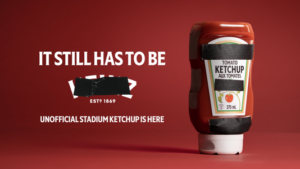
Under a picture of the bottle posted on Instagram, Heinz wrote: “No matter where you watch the game, we’re bringing fans the ‘official’ game experience, by creating the Unofficial Stadium Ketchup. Who wants one?”
Why it matters: One fan comment makes it clear why these campaigns work. A user on IG wrote, “So who is ACTUALLY sponsoring the world cup all i know is heinz and levis aren’t.”
FIFA’s rules gave Levi’s and Heinz an opening to become a focus of World Cup culture. They didn’t have to force themselves into the conversation because people were already noticing the brands’ covered signs and blacked out labels.
Levi’s and Heinz both understood that their brands were strong enough to be recognized even without their names. In both cases, the “hidden” brand became a fun joke people could engage with.
This is a good reminder that when a cultural moment already touches your brand, a creative, fast response can create more attention than a paid placement.
How are zoos communicating about recent threats?
A wave of swatting calls has hit zoos and aquariums across the U.S., forcing evacuations, closures and police sweeps after false reports of bombs or active shooters. The New York Times reports that about 40 zoos and aquariums have faced these calls. Earlier reports showed similar threats at the Louisville Zoo, Toledo Zoo, Phoenix Zoo and others, with no explosives or real danger found.
The responses from the organizations were largely concise and focused on safety. “Due to a safety threat, the zoo is being evacuated following a reported bomb threat. All animals are secure,” the Louisville Zoo said in a statement on social media. “We will share more updates as we have them. Thank you for your understanding.”
Each organization had appropriate social media alerts and follow-up statements ready. The organizations didn’t speculate or minimize the threats. They said what happened, explained what was being done, focused on safety and thanked visitors for cooperating. When a crisis hits, it’s important to respond with speed, clarity and transparency, particularly in scary situations where reducing panic is essential.
What is Polaroid’s new anti-AI campaign?
Polaroid has joined the list of brands leaning into anti-AI marketing. Business Insider reports the company put up a billboard at Coney Island Beach that says, “Go jump in some water before the data centers drink it all up.” The ad is part of Polaroid’s “the best of summer is analog” campaign for its Go Generation 3 camera, and it taps into growing concerns about the water and energy demands of data centers that power AI.
On Instagram, Polaroid wrote, “There’ll come a day when the things we took for granted can never be taken again. Obviously, we’re being a bit cheeky with our line here, but still.” It added: “Go take a swim. Go take a stroll. Go embrace the beautiful, simple, wild, analog stuff.” Polaroid Creative Director Patricia Varella also clarified the stance, saying, “We’re not anti-digital. We know we have to live alongside it, but we’re deeply pro-human.”
What Polaroid did well was connect a real concern directly to its product. The campaign gives people an alternative to more AI-generated stuff. It’s telling people to step away from screens, go outside and capture something real on an instant camera. That makes their message feel genuinely tied to the brand. It also acknowledges the AI backlash moment the industry is having right now. And that makes it work.
Why is Dettol apologizing to its customers?
British company Dettol apologized and pulled an ad in China after it sparked backlash for using sexist language to sell disinfectant. The five-minute ad was meant to criticize “toxic men,” but it definitely didn’t land. In the ad, a man says, “I may not be a virgin, but my future wife has to be,” and describes a woman as “clean and hasn’t been contaminated by other men.” The ad ends with the woman rejecting him, while a voiceover says, “A toxic man is just like these germs – you need Dettol to eliminate them completely to feel at ease.” The Guardian reports the ad received immediate blowback on Chinese social media.
Dettol said the campaign was intended to “challenge unequal gender attitudes and promote healthy, confident views on relationships and lifestyles,” but said edited clips online had distorted the message. The brand also said on Chinese social platform Weibo: “We recognise that it has offended many people, especially women. We take responsibility for any negligence in creating and reviewing the content of the advert.”
Oof. The lesson here is that if something appears offensive, even if it’s a joke, an apology alone may not save you. Test messages before going live. Viewers didn’t get the satire. They saw a hygiene brand linking women’s worth to purity and contamination. And while the ad was removed and Dettol apologized, they’ll need proper action to recover.
Courtney Blackann is a communications reporter. Connect with her on LinkedIn or email her at courtneyb@ragan.com.
The post The Scoop: Levi’s and Heinz are stealing the World Cup spotlight appeared first on PR Daily.
[ad_2]
Source_link