Plus: Taylor Swift’s ‘Showgirl’ gets lackluster reviews following hyped campaign; CBS, MSNBC share new ethical guidelines.
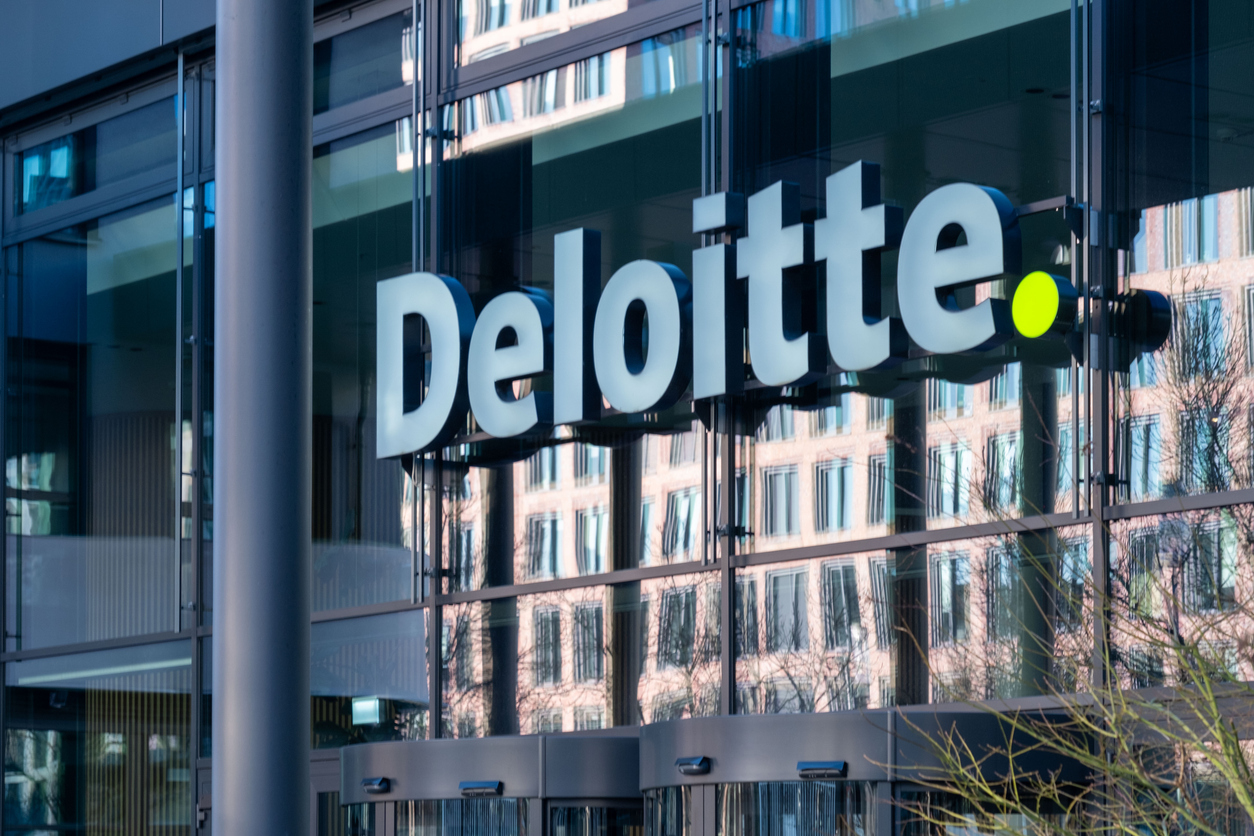
After it was revealed that Deloitte delivered an Australian government report riddled with errors, the firm is under fire. And for good reason.
Deloitte produced a 237-page report for Australia’s Department of Employment and Workplace Relations on a welfare compliance system. That report included quoted court judgments that never existed, citations of academic work that are fake and other references that can’t be traced.
After criticism mounted, Deloitte acknowledged that some footnotes and citations were wrong and said it used a generative AI language model (Azure OpenAI GPT-4o) in drafting parts of the report, according to Your Story, a news outlet that covers AI and tech.
From the article:
“University of Sydney academic Dr Christopher Rudge flagged the mistakes publicly, prompting broader scrutiny. Media reporting subsequently verified fabricated or incorrect citations and a spurious legal quote, leading the department to request fixes and Deloitte to update the document.”
After public pressure, the firm agreed to partially refund its $440,000 contract.
Despite the costly mistake, Deloitte claims that the corrections did not alter the core findings or recommendations of the report but has since corrected all errors.
Why it matters: This is not just a lesson about AI. It’s about reputational fallout and credibility. AI can be an incredibly useful tool. But as we see here, it can also scale mistakes and cause considerable damage, business implications and greater harm.
This wasn’t just a typo or formatting error. For a global consulting firm built on trust, accuracy and accountability, publishing AI-generated falsehoods undercuts its credibility.
This will be much more difficult to regain trust moving forward.
Consulting agencies like Deloitte trade almost entirely on reputation. Clients hire them not just for expertise, but for certainty, and that what’s written in their reports have been rigorously researched, verified and reviewed. When that’s lacking or has been compromised, it is very difficult to rebuild.
The organization’s steps moving forward must show actionable ways they’re ensuring this kind of mistake never happens again. Saying the errors didn’t take away from core findings is also risky. Businesses must own up to their wrongdoings, full stop.
To rebuild trust and repair the damage, transparency and accountability are key.
Editor’s Top Reads:
- Taylor Swift’s latest album, “The Life of a Showgirl,” has succeeded commercially, breaking Spotify preorder and streaming records and supporting a strong box office showing for its tie-in film. Yet critics say the album’s visuals and storytelling world set high expectations, but the music itself doesn’t always match the tone promised by the marketing tactics. Brand strategist Morgan Battista called the campaign a “flop,” not because of poor sales but because of a perceived mismatch between expectation and reality, according to Newsweek. “There was an incongruence between the world that was built and then the actual songs,” Battista said. For brands, messaging, visuals, product promise and delivery need to align. If the narrative you build in advance oversells or mis-frames what people will get, you risk backlash and disappointment, which could harm trust for future releases.
- With CBS News now under the direction of Bari Weiss, and MSNBC becoming independent from NBC this month, the two publications shared new journalism principles and guidelines with employees. While MSNBC’s version leans into traditional newsroom ethics like accuracy, transparency, independence, avoiding conflicts of interest, respect for sources and disclosure of AI use, CBS’ guidelines emphasize using “all digital tools available” and “Journalism that understands that the best way to serve America.” You can see the full list from Nieman Lab here. When outlets like MSNBC and CBS publicly spell out their ethics, they’re essentially telling PR pros what kind of storytelling, sourcing and framing they’ll accept. While MSNBC may not stray too far from its current coverage, CBS, seems to be shifting from its previous viewpoint toward a more “America-first” style of reporting. Knowing each outlet’s principles helps tailor messages that fit their editorial lens.
- Domino’s is rolling out a full brand refresh including a brighter logo, new employee uniforms and its first jingle in 65 years. The jingle, which features country artist Shaboozey, is meant to add some fun and create instant brand recognition with short-form videos suited for TikTok and Instagram. Hats, aprons, packaging and signage will also feature bolder red and blue tones and cleaner designs, according to CNN. Domino’s says it wants the brand to cut through today’s crowded attention landscape, where it’s harder to draw eyes with traditional ads. “It used to be that you could run a 30-second ad in primetime and that would be kind of all you needed to do,” Kate Trumbull, Domino’s chief marketing officer, told the outlet. “Now, you need to catch attention in a second or two on TikTok or an Instagram Reel or YouTube, and when you have a jingle, you can get that instantly.” Domino’s refresh shows that even well-known names must evolve to stay relevant. A jingle can be a memorable way to help with brand recall across platforms.
Courtney Blackann is a communications reporter. Connect with her on LinkedIn or email her at courtneyb@ragan.com.
The post The Scoop: Deloitte damages reputation with Australian AI mishap appeared first on PR Daily.