Plus: Uber changes its background check policy; Kara Swisher becomes Democratic kingmaker; Kohl’s lost sight of its audience.
A water treatment company based in Ohio has become an unlikely lightning rod.
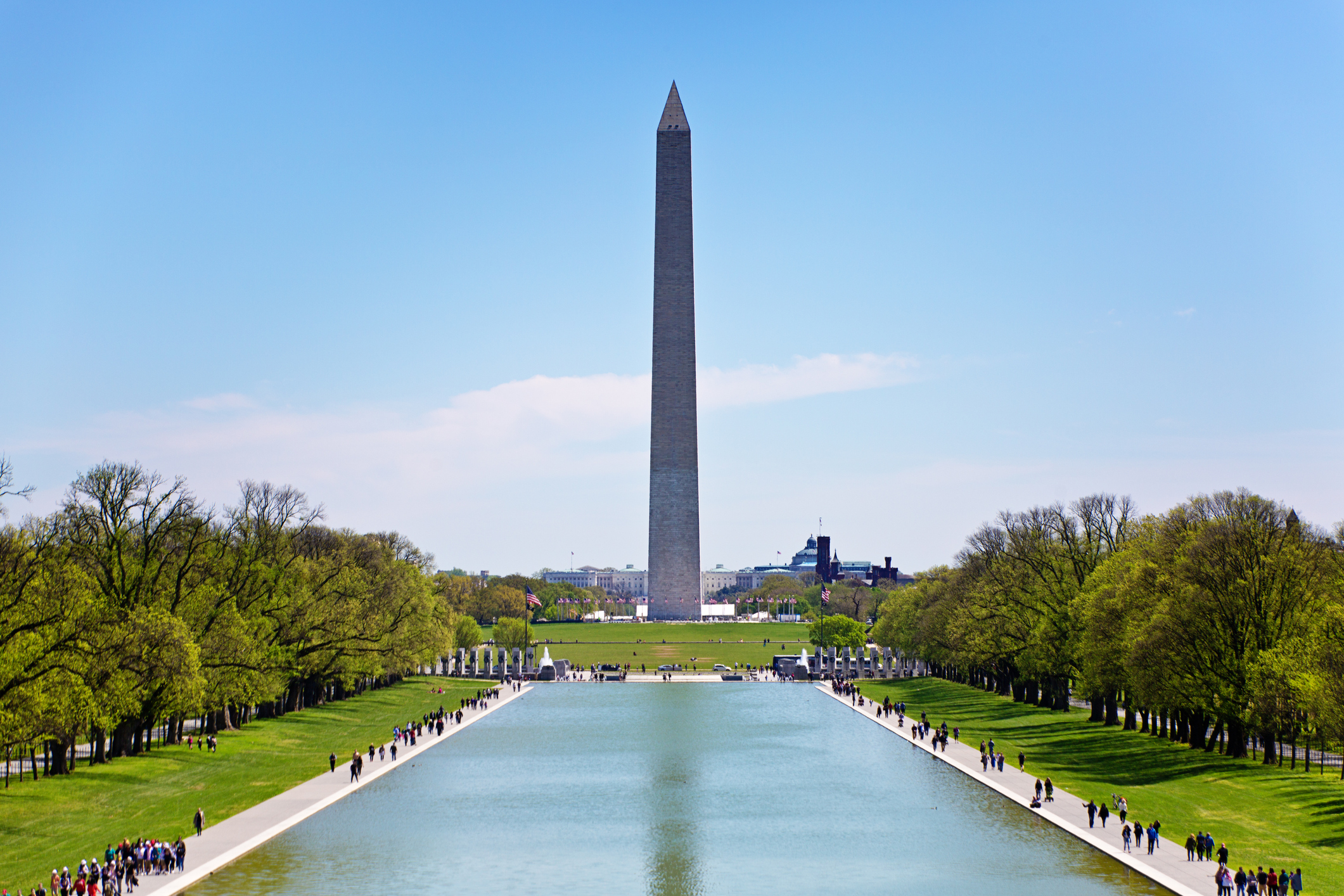
Greenwater Services won a no-bid contract from the Trump administration to clean up the algae in the Lincoln Memorial Reflecting Pool. Their “nanobubbler” technology uses ozone to kill algae and other impurities in water.
That didn’t go according to plan on the Reflecting Pool, where the water turned as green as the company’s name, setting off an embarrassing public relations moment for the Trump administration on the eve of America’s 250th birthday.
Now, the algae problem appears to be under control once again, and their president is stepping into the national spotlight.
In an interview with the Wall Street Journal, Chas Antinone Jr. scooped up a plastic water bottle from the pool, holding it up for a photo. It showed perfectly clear.
“It’s not going to get much better than that,” he remarked during an hour-long interview with the Journal.
However, the company, which has only three full-time employees, including Antinone, leaned heavily on his PR spokeswoman when asked a predictable question: About the involvement of J.J. Cafaro, a friend of Trump’s who was convicted of two felonies in the early 2000s for bribing a congressman to gain federal contracts.
The Journal outlines exactly what happened:
“When asked about Cafaro’s involvement, Antinone looked at his spokeswoman.
“’He’s just an Ohio businessman that invested in an Ohio company,’ said the spokeswoman, Erin Kramer. ‘That’s kind of the extent of his involvement.’ Cafaro didn’t return calls for comment.”
Why it matters: Greenwater Services was a deeply obscure company that became nationally infamous overnight. While researchers agree that the nanobubbler technology has promise, something clearly went wrong in this case. And without a proper PR plan in place, the story got wildly out of control before a comms professional was likely even brought in.
The company chose not to make many public statements until the problem was fixed — an understandable decision from a tiny, technical company. But by the time Antinone spoke out, the narrative had been set of a corrupt bid and a failed product.
Further, Antinone was unprepared to answer the single most predictable question he’d be asked. Granted, there was likely limited time for media training and a need to start from scratch. However, by turning to a spokesperson for that answer, it appears Antinone either did not know or did not want to speak the truth. This doesn’t help the entire situation and makes it seem like the company has something to hide, despite Antinone’s insistence to the contrary.
Whether you’re a large company with a well-trained executive core or as small as Greenwater, it’s important that executives not lean on PR pros in interviews — especially when the questions get tough.
Why did Uber change its background check policy?
Half a year after the New York Times published an investigation into Uber’s lax background check policy that allowed a number of predators to assault riders, Uber is updating their rules.
“Since the start of the year, we’ve been consulting with various subject matter experts, including leaders in civil rights and women’s safety, to explore how to update Uber’s criminal background check process in the United States to better align with today’s expectations,” the company wrote in a statement rolling out the changes.
While people convicted of charges like murder and sexual assault have always been prevented from driving Ubers, those convicted of charges as serious as assault, stalking and child abuse were formerly allowed to drive, as long as those charges were at least seven years ago, the New York Times reports. Some of these drivers went on to assault their passengers.
Uber also explained that it would make the background checks broader and more rigorous to catch more offenses. They revealed a narrow grandfather clause for drivers with no complaints, so long as their offenses were more than 15 years ago and not sexual in nature.
These are not pleasant matters to discuss. But by laying out the matter clearly, considering both riders and drivers, and showing the experts it consulted, Uber can begin to rebuild trust with its constituent communities.
Is Kara Swisher a new kingmaker?
Kara Swisher has long been a fixture in the tech journalism sphere. But now she’s becoming an important force in politics as well, especially among Democrats. She regularly hosts party stars like Ro Khanna, Gavin Newsom and Kamala Harris.
“What we’re going for is to be popular among the entire populace,” she said in an interview. “So that people who don’t feel they want to be in a constant state of anger, whether it’s on the left or the right, can have a place to go.”
Her podcasts aren’t an easy, safe place for politicians, either. She asks pointed questions and demands authenticity.
This is just another example of the incredible power of podcasts. In Swisher’s case, she parlayed her experience with tech and its blurring into the political realm into a more powerful product that some are comparing to Joe Rogan’s blockbuster podcast.
We’ll see just what role she plays as we move into the midterms.
Newsletters are hot, too: Subscribe to ours now
Can Kohl’s make a comeback?
Kohl’s admitted it lost its way by losing sight of its audience of middle Americans.
“For us, it’s really about making sure that we are picking a lane,” CEO Michael Bender told CNBC. “Sitting in the middle of the retail landscape like we do, selling the products like we do, that are admittedly more discretionary than others, means that you have to pick a lane and decide who you’re serving, and that you understand that customer really, really well.”
It’s a simple and all-too common problem in business: When you try to be all things to all people, you’re nothing to anyone. Communicators should be among those most in touch with their audiences and should serve as a constant reminder of who the company serves and why.
Don’t lose sight of that mission.
Allison Carter is editorial director of PR Daily and Ragan.com. Follow her on LinkedIn.
The post The Scoop: Company at center of reflecting pool snafu goes on the PR offensive appeared first on PR Daily.