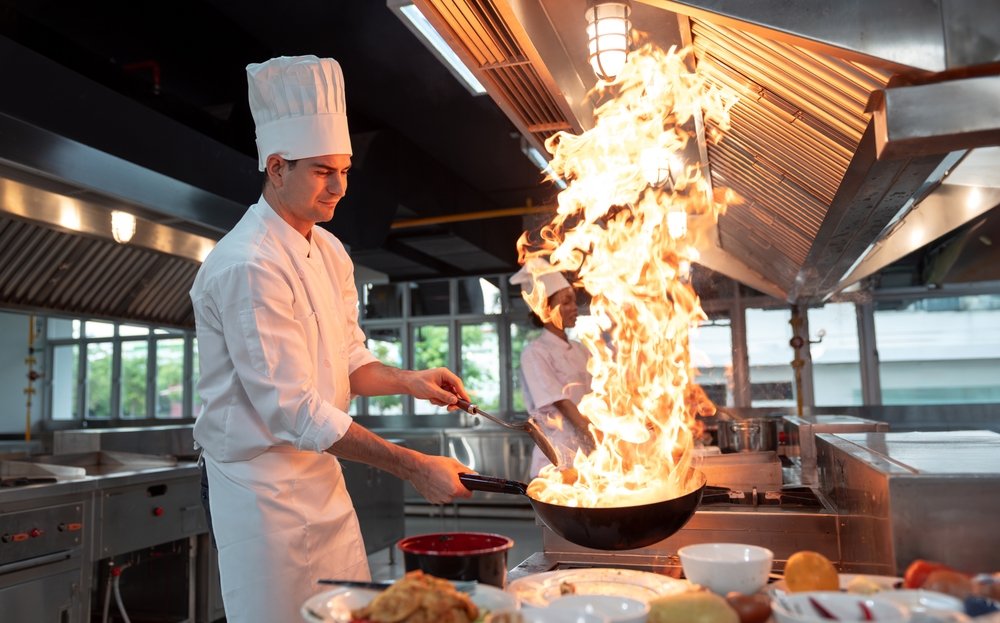
The restaurant industry has never been more crowded—or more unforgiving. Independent operators face chain expansion, third-party delivery saturation, and a consumer base overwhelmed by choice. In this environment, serving good food at fair prices is table stakes, not a differentiator. What separates thriving restaurants from those fighting for survival is strategic public relations that builds a distinct brand position, tells authentic stories, and earns media attention without burning through marketing budgets. For owners watching occupancy drop and margins shrink, PR offers a path to reclaim market share by making your restaurant the one diners remember, talk about, and return to.
Define Your Brand Position Before You Pitch Anything
Most restaurants fail at PR because they skip the foundational work. You cannot differentiate what you have not defined. Before drafting a single press release or Instagram caption, document three elements: your core concept, your target diner, and what makes you genuinely different. Are you the neighborhood spot where regulars know the bartender by name? The chef-driven kitchen sourcing from farms within fifty miles? The immigrant-owned bistro bringing recipes from another continent to your block?
Train your entire team to articulate this positioning in one clear sentence. When your host, line cooks, and servers can explain why you exist beyond “we serve Italian food,” you create consistency across every guest interaction. That consistency becomes the foundation for all external messaging.
The mistake most independents make is describing themselves in generic terms that could apply to a dozen competitors. “Fresh ingredients.” “Great service.” “Cozy atmosphere.” These phrases mean nothing in a saturated market. Instead, narrow your focus and articulate a specific stance—culinary craft, neighborhood value, or standout service—then prune your menu to sharpen execution around that identity. A tighter menu executed flawlessly beats a sprawling one delivered inconsistently.
Data should inform this positioning work. Evaluate which audience segments respond to your value proposition and refine your messaging to speak directly to them. If your farm-to-table concept attracts health-conscious professionals aged 30-45, your PR should emphasize transparency in sourcing and chef relationships with local producers, not generic sustainability platitudes.
Visual identity reinforces positioning. Maintain consistent fonts, colors, and imagery across social media, signage, menus, and online ordering to build instant recognition. When a potential diner scrolls past your Instagram post, sees your Google Business Profile, then walks by your storefront, they should encounter the same visual language. This repetition builds trust and makes your brand stick in memory.
Build Stories That Pre-Qualify the Right Guests
Content is not about broadcasting to everyone—it is about attracting the right diners and repelling the wrong ones. Produce short-form videos showing food preparation, atmosphere, staff interactions, and daily operations to set accurate expectations. When potential guests see your kitchen’s intensity, your dining room’s energy level, and your team’s personality before they book, you reduce mismatches and increase the likelihood they become regulars.
Chef narratives offer the strongest differentiation tool available to independents. Chains cannot replicate the story of your chef’s grandmother teaching her to make pasta in a Sicilian village, or the decade he spent working his way through Michelin kitchens before opening a taco stand. These personal journeys create emotional connections that transcend price comparisons and Yelp ratings.
Structure chef stories around transformation: where they started, obstacles they overcame, and how those experiences shape what they cook today. The narrative arc matters more than credentials. A chef who failed at two previous concepts before finding success with your current menu tells a more compelling story than one listing culinary school honors. Vulnerability builds connection; perfection creates distance.
Build authentic social presence on TikTok and Instagram with real-time engagement, cultural tie-ins, and niche-targeted content to establish trust with new consumers. Show the burnt batch of bread, the staff meal before service, the farmer delivering produce at dawn. These moments humanize your operation and differentiate you from polished corporate content.
Menu descriptions become storytelling opportunities when you move beyond ingredient lists. Optimize with SEO keywords, professional photography, and profitability-focused descriptions that highlight star items; then layer in stories of local sourcing or chef innovation. “Grass-fed beef from Johnson Family Farm, 30 miles north, dry-aged 28 days” tells a story. “Premium beef” does not.
The content you create should center on your operational strengths—kitchen prowess, warm service, unique ambiance—and play to these in every narrative. If your strength is hospitality, show your team remembering regular orders and greeting guests by name. If it is culinary technique, demonstrate skills most home cooks lack. Lean into what you do better than anyone else within a ten-mile radius.
Paid advertising burns cash. Earned media builds equity. The foundation of any earned media strategy in 2025 is local search optimization, which functions as unpaid advertising that compounds over time. Claim your Google Business Profile, add accurate details, high-quality photos, and menu links; restaurants with complete profiles and photos receive significantly more clicks than those with sparse listings.
This is not set-it-and-forget-it work. Keep your Google profile current with photos, menus, and hours that match on-the-ground reality; respond to every review within 24 hours to demonstrate engagement. Active profile management outperforms most paid tactics because it captures high-intent searchers already looking for restaurants like yours.
Treat local SEO as core infrastructure with consistent details across all platforms—Google, Yelp, OpenTable, social media. Inconsistent information erodes trust and confuses search algorithms. This drives awareness and repeat visits more effectively than isolated promotions or one-off campaigns.
The earned media framework moves from visibility to engagement to conversion. Connect brand visibility through local SEO, social platforms, and Google searches to engagement via authentic interactions; then track how interest converts into reservations. Each stage requires different content and different metrics.
For traditional media outreach, specificity beats volume. Journalists receive dozens of generic pitches daily. Yours needs a hook: a chef with an unusual background, a menu item tied to a cultural moment, a sustainability practice with measurable impact, or a community partnership solving a local problem. The pitch should answer one question: why should readers care about this restaurant this week?
Timing matters. Pitch seasonal menu launches six weeks before they debut. Tie anniversary milestones to neighborhood history. Connect your sourcing practices to broader food system conversations happening in national media. The best pitches give journalists a local angle on a trending topic.
Influencer partnerships work when you target micro-influencers with engaged local followings rather than celebrity accounts with inflated follower counts. A food blogger with 3,000 followers in your city who posts authentic reviews delivers more value than a national account with 100,000 followers who will never visit. Offer them a genuine experience, not a staged photo shoot, and let them tell their story.
Pop-up collaborations and chef partnerships generate media attention while testing new concepts with limited risk. A one-night collaboration with another local chef creates content, brings both audiences together, and gives food writers something timely to cover. These events build relationships with other operators and position you as a community connector, not just another restaurant chasing covers.
Measure What Matters, Then Double Down
Most restaurants track the wrong metrics. Impressions and reach mean nothing if they do not drive reservations and repeat visits. Track KPIs across brand awareness, visibility, engagement, conversion, retention, and measurement; then refine tactics based on ROI data from high-return channels like SEO and review management.
The metrics that matter most are conversion rate from social profile views to reservations, review response rate and sentiment trend, Google Business Profile clicks to website visits, and repeat visit frequency. These numbers tell you whether your PR moves the business or just generates vanity metrics.
Focus follow-up metrics on converting first visits to repeat visits via email and SMS cadence and loyalty programs; measure frequency over initial awareness for true differentiation. A restaurant that turns 40% of first-time diners into regulars will outlast one that constantly chases new customers.
Capture guest data for preference tracking and automated follow-ups; reward visit frequency to shift from awareness to measurable loyalty without margin-eroding discounts. The goal is not to bribe guests with deals but to recognize and appreciate those who choose you repeatedly.
Monitor local SEO performance through Google Business Profile clicks and rankings; combine with social consistency metrics to assess brand recognition growth. If your profile views increase but reservations stay flat, your positioning or menu may not match what your content promises.
When campaigns underperform, adjust quickly. If a chef story generates engagement but no reservations, the narrative may resonate emotionally without communicating a reason to visit. If media coverage drives one-time traffic but no repeat visits, your in-restaurant experience may not match the story you told. PR creates the first impression; operations determine whether guests return.
Your Next Move
Strategic PR is not about shouting louder than competitors. It is about defining who you are, telling that story with clarity and authenticity, and earning attention from the diners most likely to become regulars. Start by documenting your brand position in one sentence your entire team can repeat. Build content that shows your operation’s personality and pre-qualifies fitting guests. Claim and optimize your local digital presence before spending a dollar on paid advertising. Then measure what drives repeat visits, not just awareness.
The restaurants that survive the next eighteen months will not be those with the biggest budgets. They will be the ones that build distinct identities, tell stories that create emotional connections, and turn first-time diners into advocates. Your PR strategy should make your restaurant the answer when someone asks, “Where should we eat tonight?” If you cannot articulate why they should choose you over a dozen alternatives, neither can they.