
Michael Harris
09 June 2026
Why Every Brand Needs a PR Crisis Playbook for Influencer Campaigns
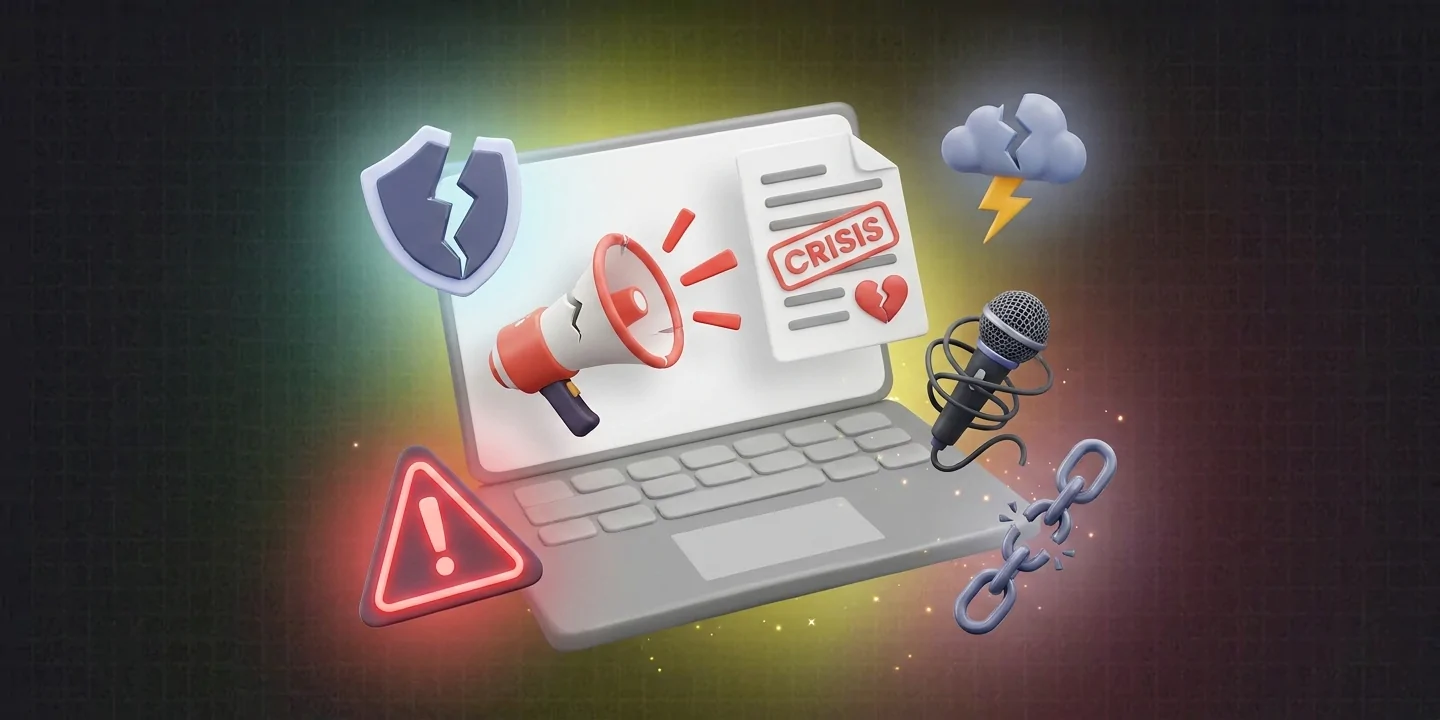
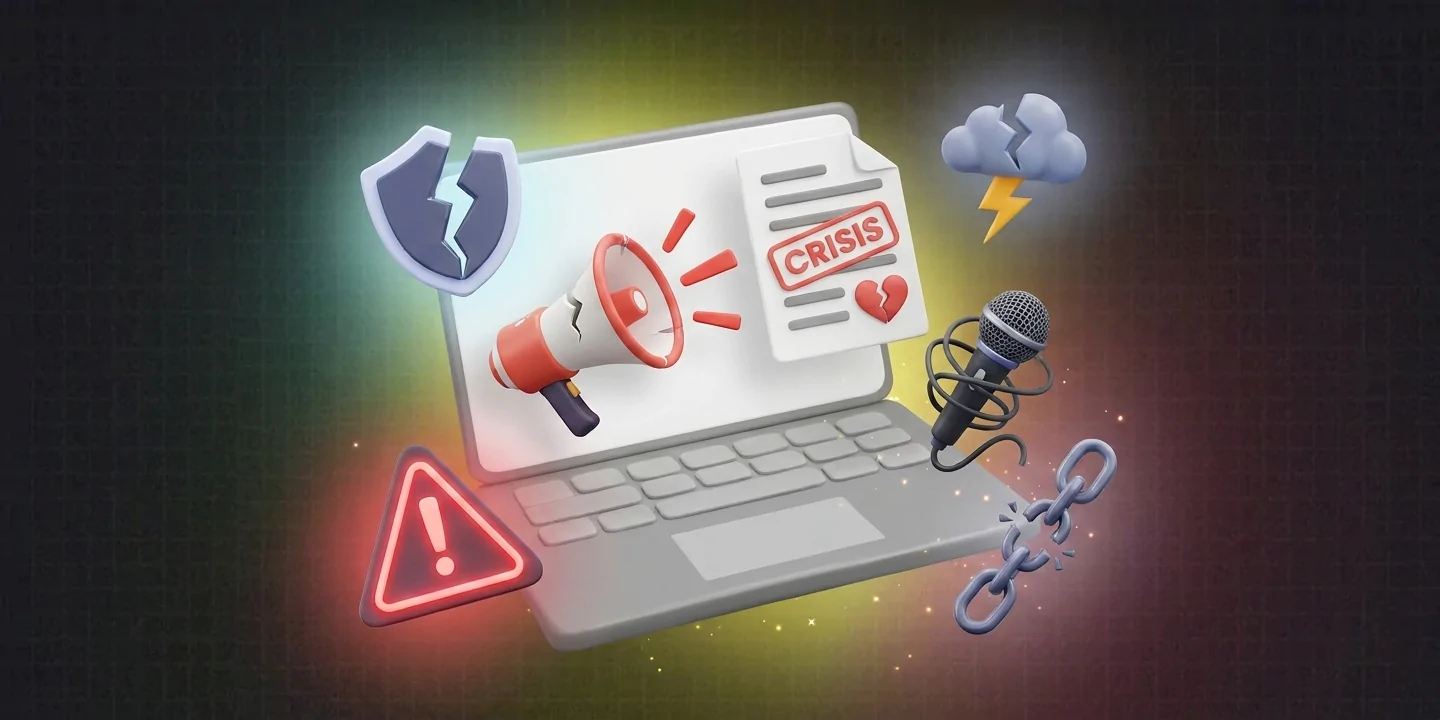
Influencer marketing budgets keep climbing, with brands collectively pouring billions into creator partnerships every year. And the bigger those campaigns get, the more exposure comes with them. One piece of problematic creator content can trigger copyright claims, brand safety incidents, or full-blown reputational damage within hours of going live. Having a PR crisis playbook for influencer campaigns isn’t a nice-to-have anymore. It’s table stakes. So what does a smart, effective response actually look like when creator content goes sideways?
Understanding the Most Common Influencer Campaign Risks
Before you can respond effectively, you need a clear picture of what you’re actually dealing with. Creator-driven campaigns introduce risks that traditional advertising rarely encounters, mostly because the brand hands over partial creative control to an outside partner.
The most frequent issues include:
- Copyright and intellectual property claims: Creators unknowingly (or knowingly) use copyrighted music, images, or video clips. Platforms like YouTube and TikTok deploy automated content ID systems that can flag or remove sponsored posts, leaving the brand exposed.
- Brand safety violations: A creator posts content adjacent to controversial topics, uses offensive language, or engages in behavior that contradicts brand values.
- FTC disclosure failures: Inadequate or missing sponsorship disclosures can result in regulatory scrutiny. The FTC’s endorsement guidelines are clear, yet violations persist across platforms.
- Creator misconduct: Off-platform behavior, resurfaced old posts, or real-time controversies involving a creator can reflect directly on your brand.
- Misinformation or inaccurate product claims: Creators making health, performance, or legal claims that the brand cannot actually substantiate.
According to a Statista report on influencer marketing, the global market has surpassed $24 billion in value. At that scale, even a single incident carries enormous exposure potential. Getting specific about these risks is what allows your team to build preventive protocols rather than scrambling after something has already blown up publicly.
Building a Proactive Brand Safety Framework
Here’s the thing: the best crisis response is the one you never have to execute. A solid brand safety framework cuts both the likelihood of an incident and how bad things get if one does occur.
Start with rigorous vetting. Look beyond follower counts and engagement rates. Audit a creator’s full content history, audience demographics, and any past controversies. Tools that analyze sentiment and audience authenticity should be standard in your workflow, not optional. Working with a professional creator network helps centralize this vetting process and reduces risk from the start.
Draft airtight contracts. Every influencer agreement should spell out content approval workflows, usage rights, disclosure requirements, and termination clauses for brand safety violations. Be specific about who owns the content in the event of a dispute, and what exactly happens when a creator doesn’t comply.
Implement pre-publication review. Require creators to submit drafts, storyboards, or rough cuts before anything goes live. This isn’t about micromanaging creativity. It’s about catching potential copyright issues, inaccurate product claims, or off-brand messaging before they reach an audience of millions.
Establish a monitoring cadence. Use social listening tools to track mentions, sentiment shifts, and comment section activity once content publishes. In our experience, catching a brewing issue early can compress your response window from days to hours, which makes a real difference in how the story ultimately develops.
The Rapid Response Protocol for Creator Content Crises
When prevention fails, speed and clarity define the outcome. Below is a step-by-step rapid response protocol that marketing teams and PR professionals can adapt for their specific organization.
- Assess severity within the first hour. Not every negative comment is a crisis. Classify incidents on a three-tier scale: low (minor compliance fix), medium (potential media pickup or community backlash), and high (viral spread, regulatory exposure, or reputational threat). That classification tells you which stakeholders to activate and how quickly.
- Activate your crisis team. This should be a pre-designated group that includes PR, legal, social media, and the influencer marketing lead. For high-severity incidents, loop in C-suite decision-makers immediately.
- Pause and contain. If the content itself is the problem, work with the creator to take it down or edit it. For copyright claims, file the appropriate counter-notification or negotiate directly with the rights holder. Contact the platform’s brand partnership support team if necessary. Google’s brand safety tools and platform-specific reporting mechanisms can help accelerate takedowns.
- Draft a holding statement. Even if you don’t publish it, have a prepared response ready that acknowledges awareness of the issue and commits to action. Avoid defensive language. Lead with accountability.
- Communicate with stakeholders. Brief internal teams, agency partners, and when appropriate, other creators in the campaign before the story reaches media channels. Getting ahead of it protects relationships and keeps your team aligned.
- Issue a public response only if necessary. Not every incident warrants a formal statement. Sometimes a quiet fix is more effective than amplifying the issue with a public announcement. Let severity, audience awareness, and media interest guide that call.
Throughout the whole process, the goal is to show that your brand is taking the situation seriously, without overreacting in a way that extends the news cycle unnecessarily.
Handling Copyright Claims and Intellectual Property Disputes
Copyright claims deserve their own section because, frankly, they’re among the most operationally complex problems in influencer marketing. When a creator uses unlicensed music, stock footage, or third-party intellectual property in sponsored content, the brand can face takedown notices, potential litigation, and wasted media spend all at once.
Immediate steps:
- Identify the specific copyrighted material and the claimant.
- Determine whether the use qualifies as fair use (in most commercial influencer content, it does not).
- Contact the rights holder to negotiate a retroactive license or agree on content removal.
- If the claim is on a platform like YouTube, review the YouTube copyright dispute process and file the appropriate response within the platform’s required timeline.
Preventive measures for future campaigns:
- Provide creators with a library of pre-cleared music and assets.
- Include IP compliance clauses in your contracts with clear indemnification language.
- Run content through automated copyright detection tools before publication.
Brands investing in influencer marketing programs at scale should seriously consider keeping an IP attorney on retainer, specifically one who understands platform-specific copyright enforcement. What we’ve seen is that cost tends to pay for itself quickly the first time an actual dispute surfaces.
Post-Crisis Recovery and Reputation Rebuilding
Once the immediate crisis is contained, the work shifts to recovery. How you handle the aftermath determines whether the incident becomes a footnote or a lasting liability.
Conduct a thorough post-mortem. Gather every stakeholder involved and document what happened, how the team responded, what worked, and what didn’t. Be honest about the gaps. Did vetting miss warning signs? Was the contract language too vague? Did your monitoring tools flag the issue fast enough?
Update your playbook. Every crisis should produce concrete improvements to your protocols. If a disclosure failure triggered the incident, revise your briefing templates. If a creator’s off-brand behavior caused damage, tighten your morality clauses and background review processes before the next campaign launches.
Decide on the creator relationship. Cutting ties publicly can signal accountability, but it can also create a secondary news cycle. In some cases, a private resolution followed by a natural end to the partnership is the smarter path. Let the facts, the creator’s response, and your brand values guide that decision rather than external pressure to perform accountability on social media.
Rebuild audience trust through action, not apologies. Instead of issuing repeated statements, show that something has actually changed. Launch a campaign that reflects your values. Share updated safety standards publicly if appropriate. Consider partnering with creators who have strong reputations in your space as a visible signal of renewed commitment. Thoughtful use of strategic storytelling can reshape perceptions and reinforce a positive brand narrative over time.
For brands operating at the intersection of earned media and creator content, it’s also worth investing in AI search visibility strategies so that brand-controlled narratives surface prominently when consumers search for your company following an incident.
Training Your Team to Manage Influencer Crises Confidently
A playbook is only as good as the people executing it. Real crisis preparedness requires regular training, not a document that collects dust in a shared drive for six months until something goes wrong.
Run tabletop exercises quarterly. Present realistic scenarios (a creator posts a racially insensitive joke, a copyright holder threatens litigation, a viral TikTok misrepresents your product) and walk through the full response protocol. Time the exercises to simulate actual pressure. Teams that practice consistently respond faster and make fewer mistakes when something real happens.
Empower your social media team. Community managers are almost always the first to spot trouble. Give them clear escalation pathways and pre-approved holding language so they can respond in comment sections and DMs without waiting for executive sign-off on every single word.
Align legal and communications. These two functions often pull in opposite directions during a crisis. Legal wants silence; communications wants speed. Bridge that gap by establishing shared decision-making criteria before any incident occurs. According to Edelman’s Trust Barometer, consumers increasingly expect brands to respond quickly and transparently to controversies. In many cases, silence does more damage than a measured, honest statement.
Document everything. From the moment an incident is flagged, keep timestamped records of every communication, decision, and action taken. This protects the brand legally and creates genuinely valuable material for future training sessions.
Conclusion
A well-prepared PR crisis playbook turns influencer campaign risks from potential disasters into manageable situations. By investing in proactive vetting, solid contracts, rapid response protocols, and consistent team training, brands can protect their reputation without sacrificing the creative authenticity that makes influencer marketing worth doing in the first place. Bottom line: plan for the worst before you launch, not after your content goes viral for all the wrong reasons.
Frequently Asked Questions
How quickly should a brand respond to an influencer crisis?
Aim to assess severity within the first hour and have a holding statement prepared within two to four hours. For high-severity incidents involving viral spread or media pickup, a public-facing response may need to go out within 24 hours. Speed matters, but accuracy and tone matter more.
Should we always publicly cut ties with a creator after a brand safety incident?
Not always. Public termination can signal accountability, but it can also amplify the story considerably. Evaluate the severity, the creator’s willingness to correct the issue, and public sentiment before deciding. Sometimes a quiet, private resolution is the more effective move.
Who should be on the influencer crisis response team?
At minimum, include a PR or communications lead, a legal advisor, the influencer marketing manager, and a social media manager. For severe incidents, add a senior executive with real decision-making authority and, if needed, an external crisis communications consultant.
How can we prevent copyright issues in influencer campaigns?
Provide creators with pre-cleared music and asset libraries, include IP compliance and indemnification clauses in contracts, require pre-publication content review, and use automated copyright detection tools before content goes live.
What is the difference between a brand safety incident and a PR crisis?
A brand safety incident occurs when your brand’s content appears alongside harmful, offensive, or misaligned material. It becomes a PR crisis when the incident gains public attention and threatens your brand’s reputation, requiring a coordinated communications response.
Michael Harris
Michael Harris is the Chief Operating Officer at Uproar by Moburst, where he oversees strategic operations and leads the agency’s integrated PR efforts. With a background in media production and a track record of building award-winning PR campaigns, Michael brings a creative and results-driven approach to brand storytelling and growth.