Sameer Samat, Google’s head of Android ecosystems, recently confirmed that Android and ChromeOS will be merged into a single platform, reigniting a slew of questions about the future of the operating systems. Combining them makes sense. It made sense way back in 2013, and it was first supposed to happen back in 2015, but until recently, that mostly just amounted to Chromebooks being able to run Android apps. Last year, Google announced that ChromeOS would be built on the Android tech stack, including the Android kernel.
What is the point of merging ChromeOS and Android?
Android has an enormous app ecosystem, but many of those apps still struggle on larger screens, like tablets. And Android doesn’t have great multitasking or window management, which are both important on large displays. ChromeOS, on the other hand, does browser stuff and window management really well, but doesn’t really support non-web apps.
Chromebooks have been able to run Android apps for a long time, which helps fill some of the compatibility gaps. But those apps often suck to use on a laptop with a mouse cursor. Some apps are too small and don’t adapt to running on a bigger screen; the Android Slack app can’t show two threads side-by-side on a Chromebook like the desktop app can. And some are just wonky, like Discord not always responding to mouse clicks. Spotify works fine, but its mobile app looks a little sparse on a large laptop screen, and you have to remember to click and hold instead of using secondary clicks (which just feels unnatural on a trackpad or mouse).
This convergence was already happening anyway: the Chrome browser on Android is getting extensions — a key advantage of desktop Chrome. Android is also getting a Dex-like desktop mode, and as part of that, Google is making a big push for adaptive apps in Android 16. Making Android apps work well in desktop mode is already part of optimizing them for ChromeOS. When Android has a desktop mode and Chrome with extensions, and Chromebooks can run Android apps, is there any reason to keep them separate?
A unified OS would speed up development time for both phone and laptop form factors, and make it easier for developers to fill in that middle ground where tablets live.
Why did this take so long?
Talk of a unified Android and ChromeOS has been going on for well over 10 years. It’s seemed like the logical next step for both of Google’s operating systems, yet it never made much headway. There was speculation for a while that Google’s experimental open-source Fuchsia OS might be that unified platform, but after years of rumors, teases, and job postings — it ended up on some Nest Hubs.
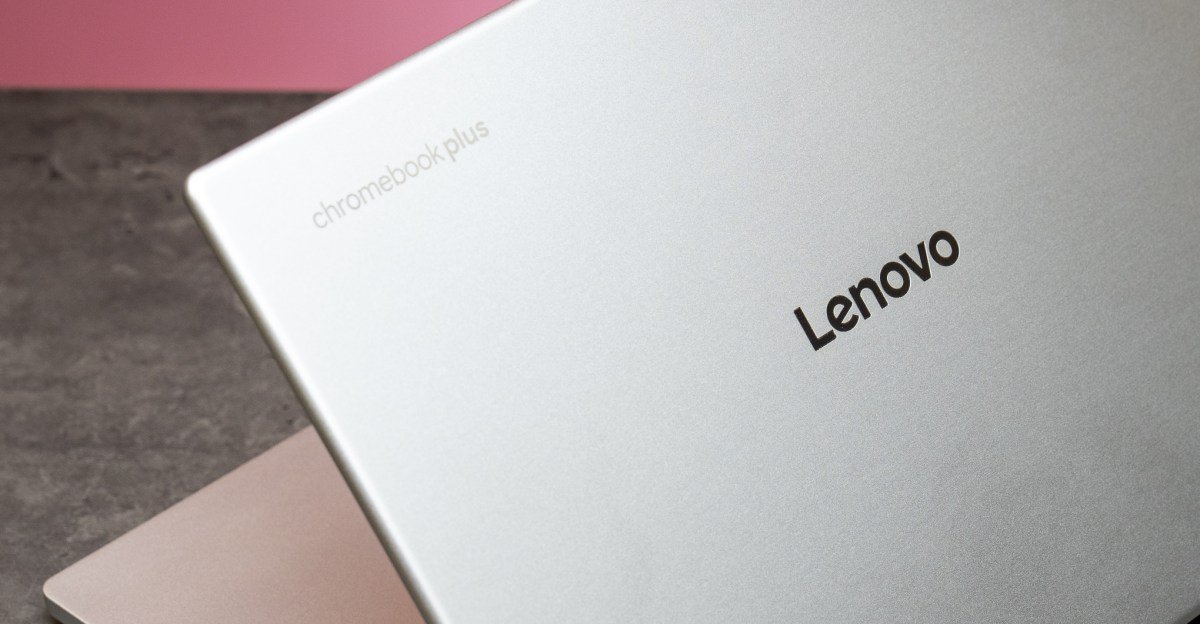
Part of it is surely that Arm chips are finally fast enough for laptops. Arm-based Chromebooks are not new (there was a Samsung one back in 2012), but until very recently, good Chromebooks came with Intel Core i3 and i5 processors. The MediaTek Kompanio Ultra 910 chip in the Lenovo Chromebook Plus 14 (Google’s new flagship) is powerful enough to outclass the x86 chips in other Chromebooks, and with better battery life. Chromebooks with Qualcomm Snapdragon X processors — the chips powering the resurgence of Windows on Arm — are also expected soon.
With both Android phones and Chromebooks running on Arm, focusing on a single architecture should allow for much easier optimization across this potential new OS. And if you already own an x86-based Chromebook you should hopefully get the remaining years of software support that Google promised — as much as 10 years in some cases.
Unlike Microsoft or even Apple during their transitions to Arm, Google doesn’t have a massive library of x86-compatible ChromeOS apps to worry about porting over.
Will all Chromebooks become giant Android tablets? Will all Android phones be pocket-size, dockable Chromebooks?
As mentioned above, Google is already testing a desktop mode for Android phones. I’ve never used Samsung’s DeX, but the concept of docking your phone and getting a full featured desktop experience is appealing. If that’s the least of what we get from this merge, it would be nifty. But better desktop mode for Android has other implications. Imagine a 2-in-1 detachable running this combined OS. Like a Pixel C, but good.
Will ChromeOS change its look to align with Material Three Expressive?
ChromeOS has a fairly buttoned-up aesthetic based off of Google’s older Material Design, while Android is being revamped with the more youthful and colorful Material Three Expressive. Who wins this UI battle?
I wouldn’t mind seeing ChromeOS get a little more fun and joyful. It would make for an interesting contrast with Windows 11 and macOS. Just give me customization options, please.
Will either Android or ChromeOS be rebranded?
Both Chrome and Android are big names. Unifying them under one new name might risk confusing the average user. I’d venture that the Android and ChromeOS brands will remain intact. Perhaps they’ll instead fall under some convoluted umbrella brand.
As my colleague Nathan Edwards quipped to me, “It’ll probably be something like ‘Chromebook, powered by Android’ or ‘Android with ChromeOS.’” Something that makes the product managers happy and confuses all of us when we have to read a product name like Acer Chromebook Plus Spin 999 with ChromeOS powered by Android.
Is this finally what makes Android tablets good? For real, this time?
As far as Android tablets have come (which, let’s be honest, isn’t really that far), this future OS can only make them better. But it’s still going to take effort and dedication from app developers. Google is trying to help bridge that gap, but devs still have to care enough and find it lucrative enough to put in the work.
Correction, July 15th: This article initially misnamed Sameer Samat and has been corrected.