When an iconic brand begins to fade, the decline is rarely dramatic. In iconic brands, financial performance often lags changes in cultural relevance and brand meaning. Revenue may hold steady. Market share may appear stable. Awareness remains high. Yet competitors begin shaping the future while the incumbent defends the past.
For leadership teams, restoring an iconic brand is not a communications exercise. It is a strategic mandate.
What Is An Iconic Brand?
An iconic brand is more than widely recognized or long-established. It becomes a cultural and commercial reference point. Stakeholders use it to signal identity, standards, aspiration, or reliability. It shapes expectations within its category and often beyond it.
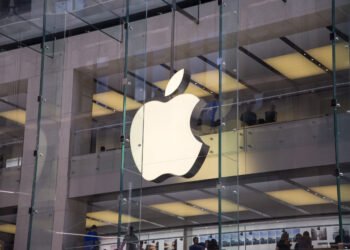
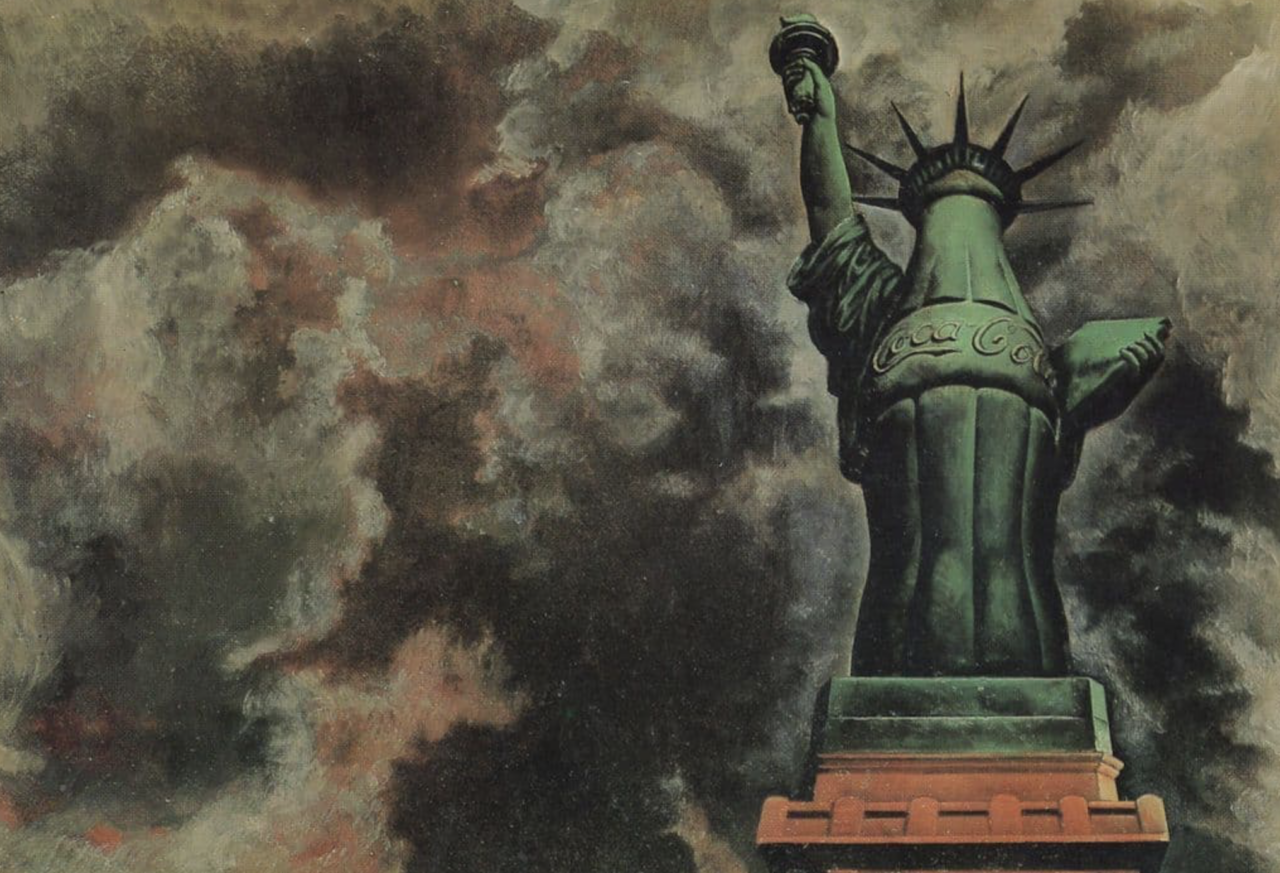
Consider Coca-Cola, whose association with optimism and shared experience has endured across generations. Harley-Davidson embedded independence and self-expression into motorcycle culture. Apple institutionalized design-led innovation and creative empowerment. Giorgio Armani established enduring authority in disciplined luxury design. BMW reinforced its positioning around precision engineering and driving performance, sustaining premium pricing in a highly competitive global automotive market.
Iconicity is constructed deliberately over time through consistent positioning, disciplined execution, and cultural participation.
The same principle applies in B2B markets. IBM historically represented enterprise intelligence and operational authority. As technology shifted toward hybrid cloud and artificial intelligence, IBM reframed its narrative around advanced computing and digital transformation, reconnecting its legacy of expertise to contemporary enterprise complexity. Category expectations evolved. IBM worked to evolve its identity within that new context.
Iconic brands endure because they reinterpret their foundational meaning for new eras.
This article is part of Branding Strategy Insider’s newsletter. Join the world’s smartest marketers and subscribe here for actionable insights delivered directly to your inbox.
Identity Myths And Cultural Tension
Cultural branding research suggests that iconic brands construct identity myths that address societal or industry tensions. During periods of disruption, stakeholders look for coherence. Strong brands provide it.
BMW’s sustained emphasis on engineering mastery speaks to control and precision in a complex world. Apple’s design philosophy speaks to autonomy in a digitized environment. IBM’s emphasis on trusted expertise addresses enterprise anxiety around technological risk.
For leaders seeking brand revitalization, the question is direct. What tension defined your brand at its peak, and how has that tension evolved? If the cultural or commercial question has changed, your narrative must change with it.
Brand Equity As Strategic Asset
Kevin Lane Keller’s work on brand equity demonstrates that strong brands build favorable, strong, and unique associations in memory. Iconic brands achieve this at scale and over decades. They move beyond awareness into deeply embedded meaning.
Restoring an iconic brand, therefore, requires rebuilding the network of associations that drive preference and pricing power. Brand revitalization is not about visibility alone. It is about strengthening the clarity, distinctiveness, and favorability of the associations that define the brand.
When those associations blur or become generic, iconic status erodes.
Multiple Storytellers And Cultural Participation
Iconic brands are co-authored. Their meaning is reinforced not only by corporate communications but by media, partners, customers, and broader cultural institutions.
At The Blake Project, we have observed this dynamic in our brand strategy work with iconic brands, such as the Statue of Liberty and The Hollywood Sign. These global symbols retain relevance because their meaning is continually reinforced through film, journalism, tourism, and civic discourse. Their visibility is tied to enduring cultural narratives.
Iconic commercial brands operate similarly. They create opportunities for association with defining cultural or industry moments. They remain present in conversations that matter.
If your brand is no longer referenced organically in industry dialogue, that is a signal. Relevance must be earned again.
Brand Communities And Structural Resilience
Iconic brands frequently cultivate communities characterized by shared norms, language, and rituals. These communities may be visible, as with Harley-Davidson riders, or institutional, such as developer ecosystems and enterprise partner networks.
Community participation strengthens long-term legitimacy. It transforms customers into advocates and stakeholders into contributors. In both consumer and B2B markets, active communities reinforce brand equity and provide resilience during downturns.
When participation declines and relationships become purely transactional, brand revitalization becomes urgent.
Reputation Capital And Enterprise Value
Charles Fombrun’s work on reputation capital underscores that reputation is an intangible asset built through consistent performance and stakeholder trust. It influences preference, reduces perceived risk, and supports financial outcomes.
For iconic brands, reputation functions as strategic capital. It enables premium pricing, increases tolerance during periods of change, and supports investor confidence. In volatile markets, stakeholders gravitate toward brands associated with expertise, reliability, and authenticity.
However, reputation reflects accumulated performance. If current behavior diverges from a brand’s historic promise, credibility declines. Restoring an iconic brand requires aligning present execution with renewed narrative intent.
Why Iconic Brands Lose Relevance
As noted, iconic brands typically lose relevance gradually. Awareness remains high. Distribution remains strong. Yet the brand’s meaning becomes less distinctive. Leadership may focus on protecting heritage rather than advancing meaning and identity. Competitors begin defining emerging standards while the incumbent defends legacy positioning.
Because financial indicators often lag cultural indicators, leaders may underestimate the urgency of brand revitalization.
A Three-Question Iconicity Audit
Answers to three simple questions can alert leadership teams to the urgency of restoring an iconic brand. We recommend starting with disciplined reflection:
1. If we launched today, would our positioning still feel distinctive?
2. Who is telling our story beyond our owned channels?
3. Where are we shaping culture or industry standards rather than reacting to them?
These questions surface early signals of erosion and clarify the path toward revitalization.
As a marketer, your job is to compete. Compete differently with The Blake Project.
How To Restore An Iconic Brand
Restoring an iconic brand requires integrated action.
First, reinterpret the founding identity myth. Identify the contemporary tension your brand is uniquely positioned to address. Rebuild clarity around that narrative and ensure it reflects current market realities.
Second, strengthen brand equity by sharpening distinctive associations. Clarify what the brand stands for and against, and eliminate diluted messaging. Keller’s framework reminds us that strong, favorable, and unique associations are the core of enduring brand value.
Third, re-engage cultural and industry storytellers. Encourage participation from partners, customers, media, and employees. Design visible moments where the brand contributes meaningfully to important conversations.
Fourth, align operations with narrative. Reputation capital, as Fombrun notes, is earned through consistent performance. Without operational credibility, repositioning efforts fail.
Finally, revitalize community structures. Reintroduce forums, platforms, and rituals that encourage engagement and reinforce shared identity.
The Leadership Mandate
Restoring an iconic brand is not a cosmetic refresh. It is a strategic recommitment to relevance. It requires renewing the brand’s meaning in the market, strengthening the associations that drive preference, and rebuilding the reputation capital that underwrites long-term enterprise value.
Iconic brands are well worth the recommitment. They earn pricing power. They attract loyalty that endures beyond promotion cycles. They accumulate intangible value that compounds over time. They influence category standards.
For leaders entrusted with iconic brands, the responsibility is significant. Relevance must be evaluated with candor. Distinctiveness must be rebuilt with discipline. Reputation must be reinforced through consistent performance. Cultural and industry participation must be intentional, not incidental.
Iconicity is not a permanent designation. It is an ongoing obligation. It is sustained through clear strategy, operational credibility, and the courage to renew what made the brand matter in the first place.
At The Blake Project, we help iconic brands define and articulate what makes them competitive, valuable, and relevant. Please email us to learn how we can help you compete differently.
Branding Strategy Insider is a service of The Blake Project: A strategic brand consultancy specializing in Brand Research, Brand Strategy, Brand Growth and Brand Education
FREE Publications And Resources For Marketers
Post Views: 17