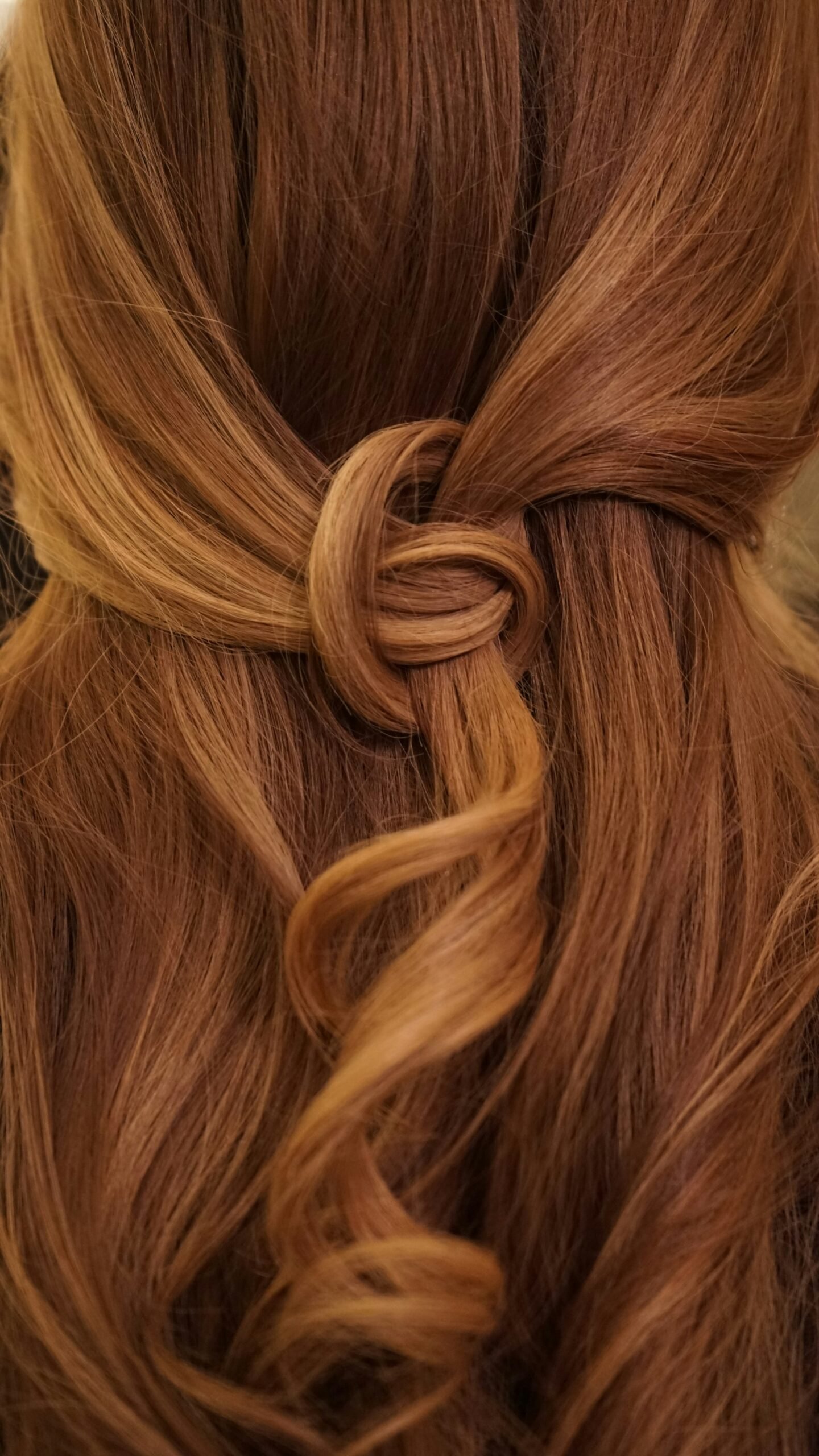
Getting a professional hair service often feels like an investment in your daily sanity. There is something incredibly liberating about waking up, giving your hair a quick brush, and walking out the door without battling frizz for forty-five minutes. However, for those of us who live for a high-intensity interval training (HIIT) class or a heavy lifting session, that sleek look comes with a specific set of challenges. Sweat is essentially a mix of water and salt, and salt is one of the primary enemies of long-lasting hair smoothness.
If you aren’t careful, your post-gym glow can lead to mid-shaft frizz and a premature breakdown of the protein bonds in your hair. To keep your strands looking like you just stepped out of the salon, you have to be strategic about how you handle keratin treatments before, during, and after your workout. You don’t have to choose between your fitness goals and your hair goals; you just need a better game plan.
The Chemistry of the Problem
To understand why the gym is such a threat, we have to look at what is happening on a microscopic level. Keratin treatments work by sealing a protective layer of protein around each hair shaft, effectively filling in the porous gaps that cause frizz. Salt, which is abundant in sweat, acts as a mild abrasive and a dehydrator. When sweat sits on the scalp and travels down the hair, it can begin to “weather” that protective coating.
Furthermore, when hair gets wet from sweat, the cuticle slightly expands. If that salt dries inside the cuticle, it can cause the hair to feel brittle and straw-like. This is why many people notice their treatment “wearing off” around the hairline and the nape of the neck first—those are the areas with the highest concentration of sweat glands.
Pre-Workout Prep: The Shield Method
The best way to protect your hair is to prevent the sweat from saturating the strands in the first place.
- Dry Shampoo is a Preventative: Most people use dry shampoo to clean up after a workout, but it’s actually more effective if applied before you start moving. By applying a lightweight, sodium-chloride-free dry shampoo to your roots, you create a barrier that absorbs moisture as it’s produced.
- The Silk Scrunchie Rule: Never use a tight, rubberized elastic band. These create a “kink” in the hair that can become permanent if the hair is damp from sweat. Use a soft silk or microfiber scrunchie to pull your hair into a high, loose bun. This keeps the ends away from the sweat on your neck and back.
- Headbands are Your Best Friend: A wide, moisture-wicking headband can soak up the majority of forehead sweat before it ever reaches your hairline.
During the Session: Keeping it Cool
Heat is another factor that can affect the longevity of your treatment. If you are a fan of hot yoga or saunas, proceed with caution. The intense heat combined with high humidity can soften the keratin seal. If you are doing a standard gym workout, try to keep your hair “off the skin” as much as possible. A loose braid is often better than a ponytail because it prevents the hair from swishing against a sweaty back, which acts like a saltwater bath for your ends.
Post-Workout Recovery: To Wash or Not to Wash?
The biggest dilemma for keratin-treated athletes is whether to wash their hair after every gym session. Over-washing is a surefire way to strip the treatment, but leaving salt to sit on the hair is equally damaging.
If you didn’t have a “soaking wet” workout, try to blow-dry the dampness out of your hair immediately. Use a cool setting and a round brush to smooth the cuticle back down. If you feel like you must rinse, skip the shampoo and just use cool water followed by a sulfate-free conditioner on the ends. This rinses away the salt without the harshness of a full double-cleansing.
According to hair health experts at Healthline, keeping the hair dry and avoiding mechanical stress (like vigorous towel drying) is key to maintaining the integrity of the hair’s outer layer. When you do a full wash, always ensure your products are labeled “sodium chloride-free,” as salt is often used as a thickener in cheap shampoos.
Long-Term Maintenance for Athletes
If you are at the gym five days a week, you may need to use a deep-conditioning mask once a week to replenish the moisture that sweat can leach out. Look for masks that contain hydrolyzed keratin or argan oil. This “top-off” of nutrients helps reinforce the salon treatment.
It’s also worth noting that the American Academy of Dermatology suggests that frequent swimmers and high-intensity exercisers should pay extra attention to scalp health. A clogged scalp can lead to irritation, which might make you want to scratch or scrub—actions that can physically damage your keratin-coated strands.
Managing your hair shouldn’t be a source of stress. By treating your post-workout hair care with the same intentionality as your post-workout nutrition, you can enjoy the best of both worlds. Your keratin treatment is there to make your life easier; with a little bit of sweat management, it will stay that way for months to come.