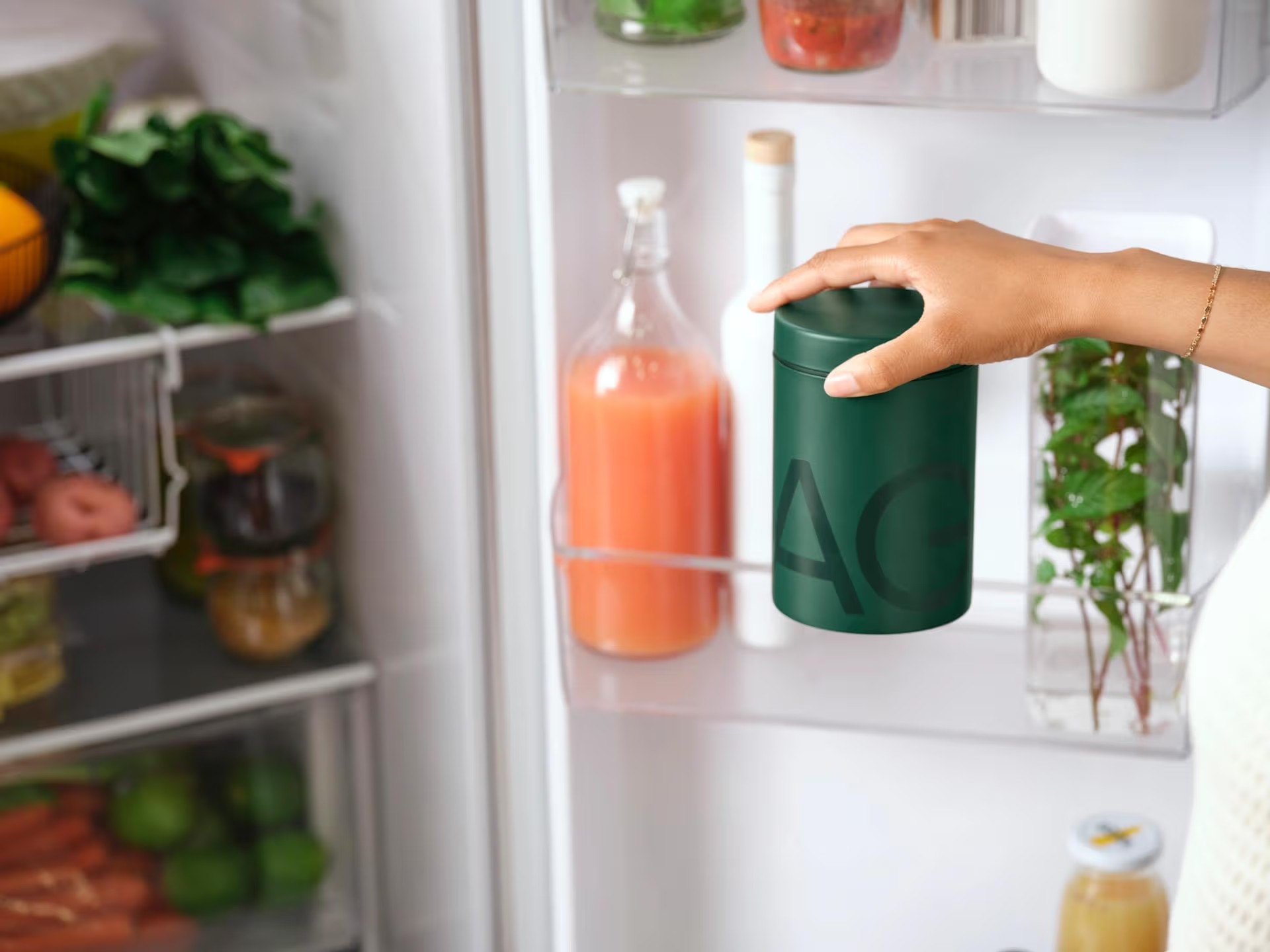
AG1 is using its traveling cafe to build trust, explain its products and deepen customer relationships.
Many people became aware of AG1 through podcast ads or online influencers seen twirling an electric whisk into a dark green beverage. The healthy drink maker, formerly known as Athletic Greens, built its brand on being digital first.
But over the past decade, as the company expanded from direct-to-consumer sales into Costco, Target and The Vitamin Shoppe, it faced the challenge of helping people understand and trust its products on the shelf.
To boost that trust, AG1 created Good Morning Cafe, a traveling summer pop-up with samples, experts and local activities.
The campaign shows that for brands entering a period of growth or transition, in-person events are a way to drive deeper connections, greater loyalty and a better understanding of the brand.
“We could say anything online,” said Paulie Dery, chief marketing officer at AG1. “But there is nothing like human connection.”
How can a brand turn its message into an experience?
Start with an idea or customer habit that already fits the brand, Dery said. An event should let people experience that idea and understand the product.
The Good Morning Cafe grew from AG1’s focus on mornings. The company spent several years building messages around “morning people” while encouraging customers to make its core product part of their morning routine.
They turned that association into something people could experience with the cafe. Visitors sample products, speak with experts and take part in activities like group runs or surf lessons in cities around the country.
Similarly, a bank could offer budgeting workshops or a meal-kit company could hold cooking classes built around its recipes. The idea is the event grows from something customers already do and gives them a clearer reason to understand or trust the brand.
What should an in-person event accomplish?
AG1 designed the cafe to address taste and complexity.
Some people see a green supplement and assume it will not taste good, he said.
“They’re like, ‘Oh, it’s green. Is that going to taste horrible?’” Dery said. “You need to taste it. You need to have a sample to feel good about it.”
AG1’s flagship product also contains 75 ingredients, which can be hard to explain in a social post, he said. The company wanted to explain its investment in science and research and these events let experts have longer, more meaningful discussions with its customers.
“There is so much noise in the nutrition supplement space,” Dery said. “And I think there is so much misinformation as well. I just think talking to someone about your path and your health and getting the right answers is so beneficial.”
AG1 also created the “Good Morning Gazette,” a newspaper with information about its ingredients, research and products people could take home.
Brands that sell complex products or services could build events around questions or misconceptions people might have. Demonstrations and expert access also help establish credibility.
How should brands choose locations and partners?
AG1 chose its tour cities partly based on where its ambassadors were located.
In Venice, California, surfer Lakey Peterson joined the cafe for a learn-to-surf event. The tour also includes Chicago, Boston, West Palm Beach and Austin, where it’s headquartered.
“We really look at our locations as a magnet for our people,” Dery said.
AG1 promotes the events through its own social channels, but ambassadors are not required to post, though most of them do anyway, he said.
“I think if you have to really try to draw people to your event, then you’re probably missing a few steps along the way,” Dery said.
Communicators should look beyond city size and media markets, Dery said. Existing customers, creators and partners can be a natural gateway where the brand already has interest and trust.
How should communicators measure events?
Don’t think of events as purely a sales or marketing moment. Communicators should match measurement to the event’s purpose. Useful metrics might include attendance, participation, questions asked, sentiment, social sharing and requests for more event opportunities, Dery said.
“I’m not asking my team to make a sale at the Good Morning Cafe,” he said. “That is not its role.”
Instead, the company looks at whether visitors offered feedback, joined activities and learned about the products.
“The purpose is to build a relationship, to start a conversation,” Dery said.
Sales obviously matter in the greater business operation, he said. AG1 expects its Good Morning Cafe to support future consideration and retail purchases. But pushing for a sale at the wrong moment could weaken the trust the event is meant to build.
“The sale, if you do everything right, will happen,” Dery said. “But you’re not going to make the investment if you don’t feel anything for the brand.”
The post From influencer feeds to pop-up cafes: Tips for expanding comms beyond the screen appeared first on PR Daily.