[ad_1]
Advertisers now have the ability to create exclusion-only custom audiences.
In this post, I’ll guide you through how to create them, how to exclude them in the ad set, limitations, and specific reasons you might use such audiences.
Let’s dive in…
How to Create an Exclusion-Only Custom Audience
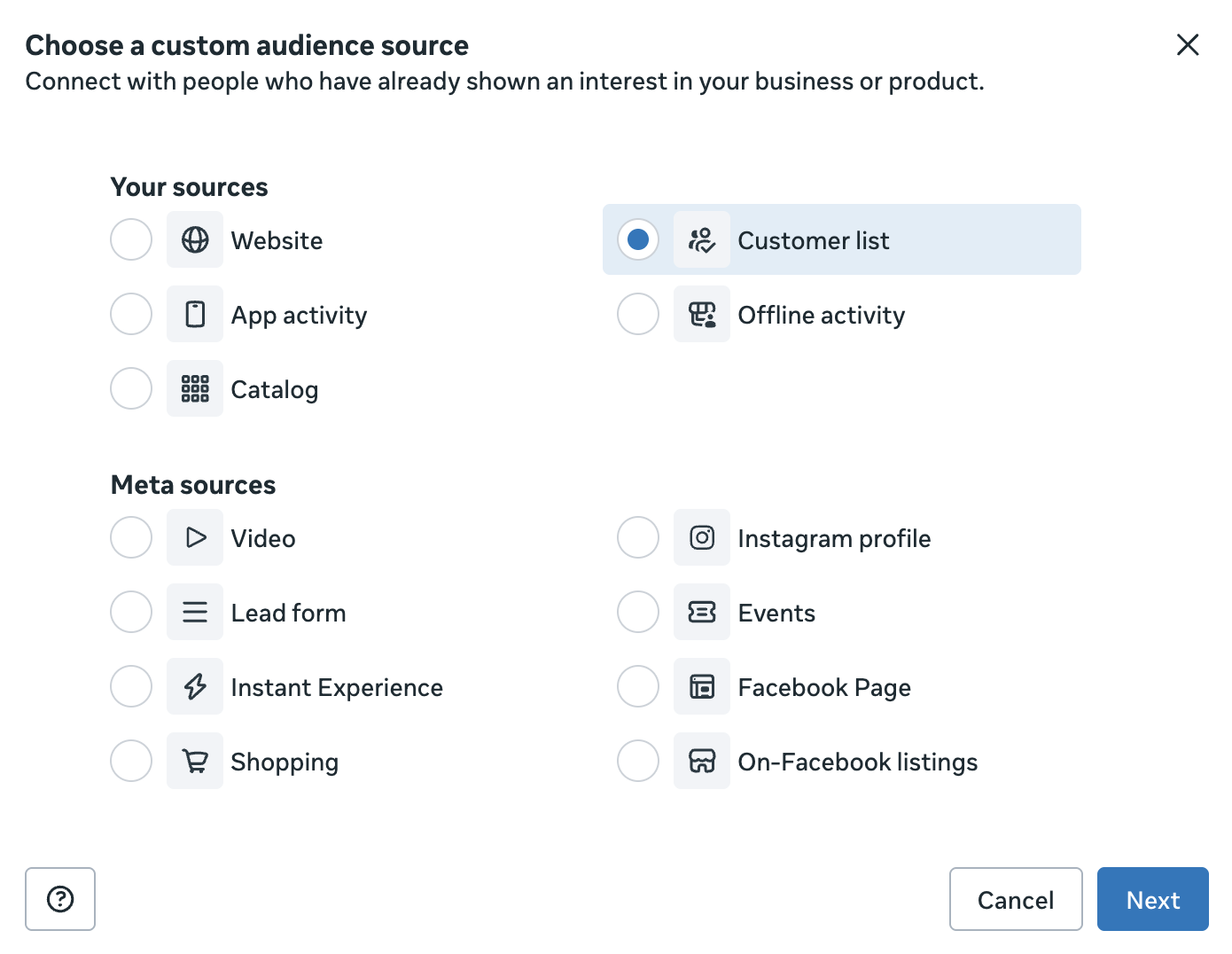
Create a custom audience from your Audiences section. Select the “Customer List” option. Only customer list custom audiences are eligible to be used as exclusion-only custom audiences for now.
From the Prepare List step, click “Next.”
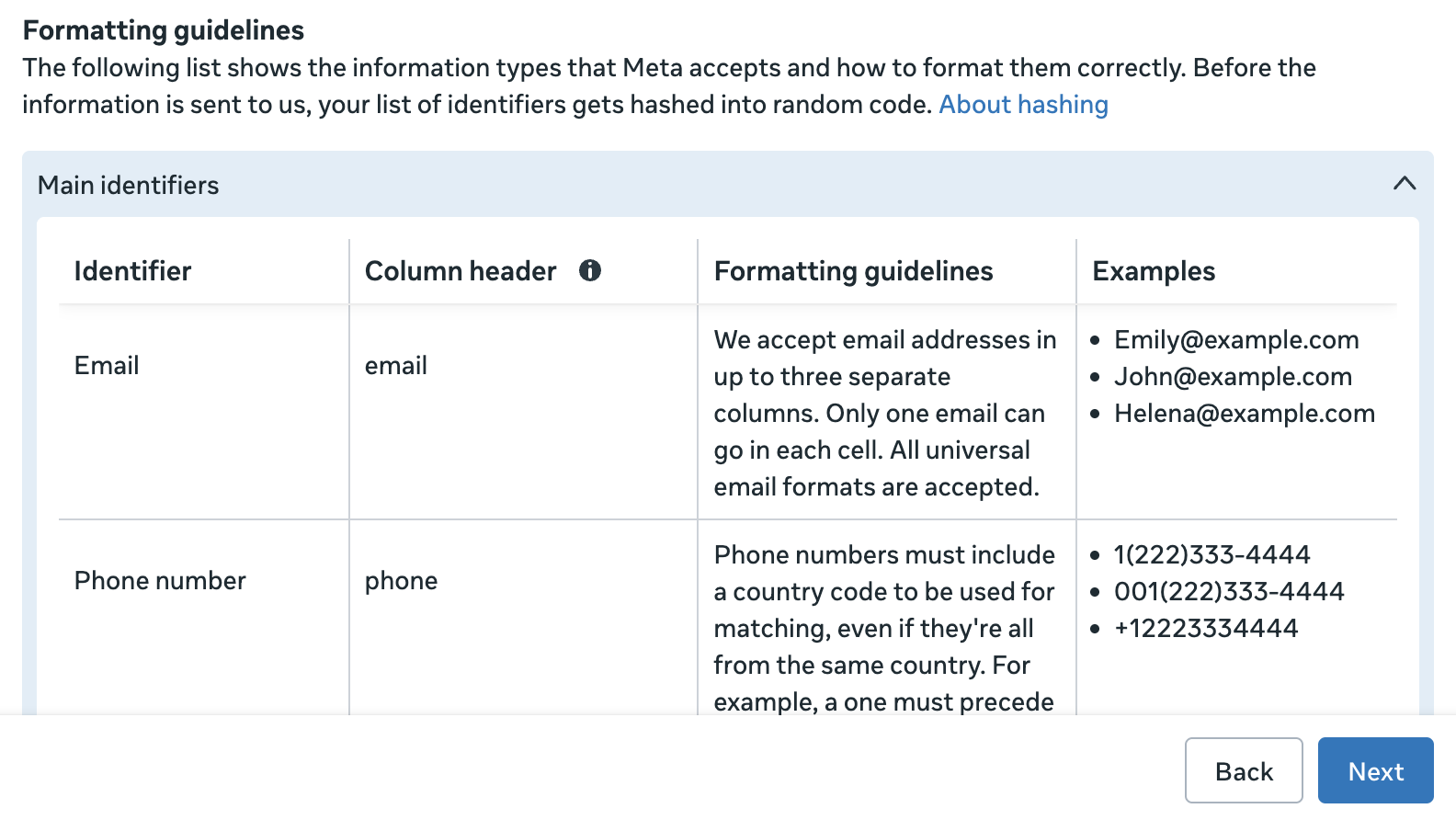
At the top, you’ll see a new section with the question, “How will you use this audience?”
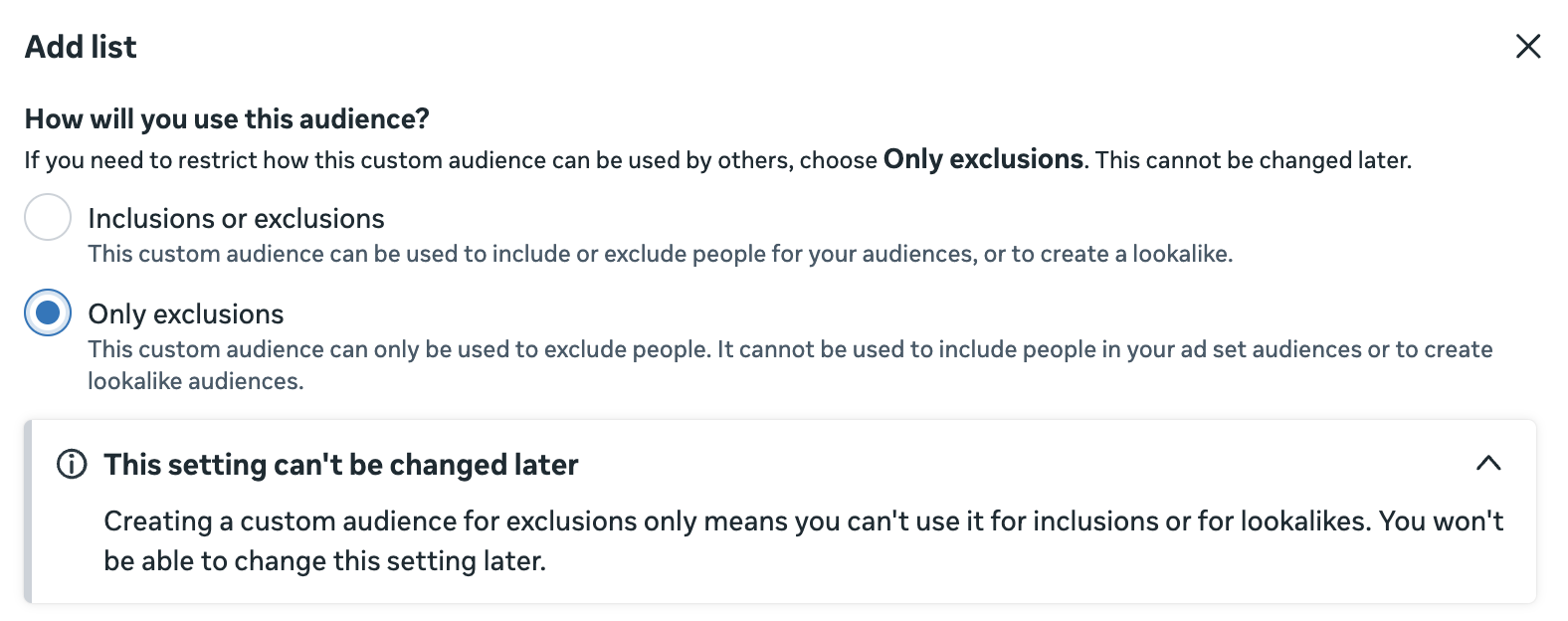
Here are your options:
Inclusions or exclusions: This custom audience can be used to include or exclude people for your audiences, or to create a lookalike.
Only exclusions: This custom audience can only be used to exclude people. It cannot be used to include people in your ad set audiences or to create lookalike audiences.
“Only Exclusions” is a new option. If you select it, you will not be able to change it later.
Exclude the Audience
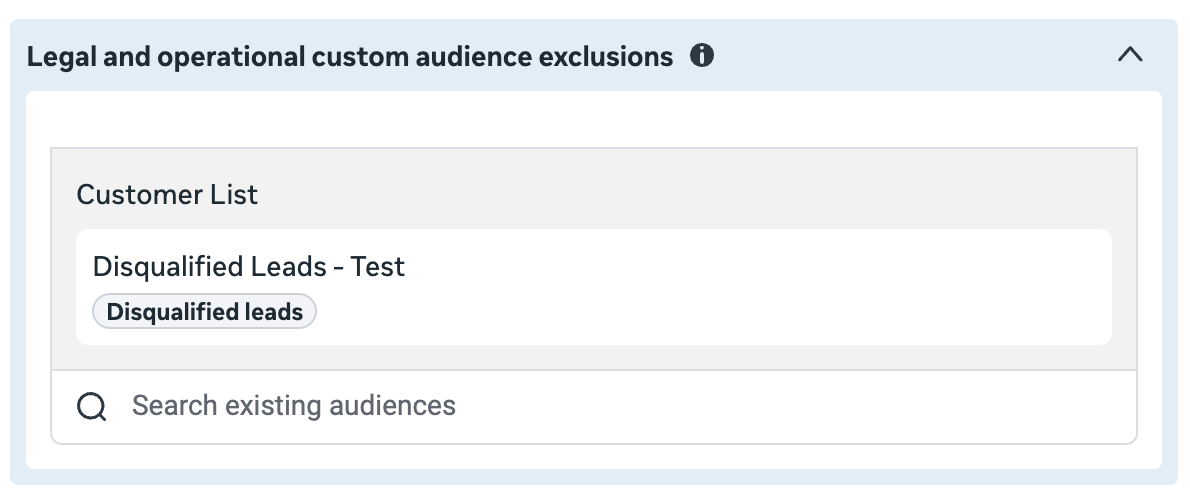
When creating your ad set, go to “Legal and operational custom audience exclusions” under Audience Controls. Then add the custom audience you want to exclude.
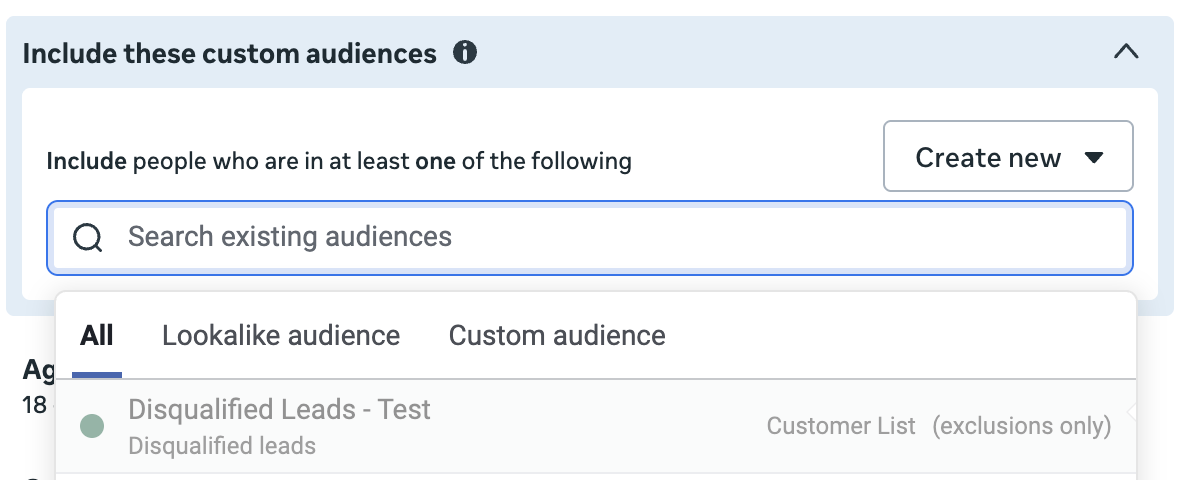
If you attempt to use the custom audience as either a suggestion or a restricted targeting audience, it will be grayed out with a message that you can’t use it for targeting.
Labels, Value Rules, and Lookalike Audiences
You may want to add a label to this custom audience, which can be done either during or after creation. This would be purely for organizational purposes.

Obvious label options for this type of situation would be Disqualified Leads, At Risk, or Disengaged.
Since exclusion-only custom audiences can only be used for exclusions, these audiences can’t be used with value rules for audiences. This makes sense since a value rule would be used for raising or lowering the bid on an audience, not excluding it entirely.
After I labeled an exclusion-only custom audience as a disqualified audience, the option to create a value rule for that label was grayed out, suggesting that no audiences exist with that label.
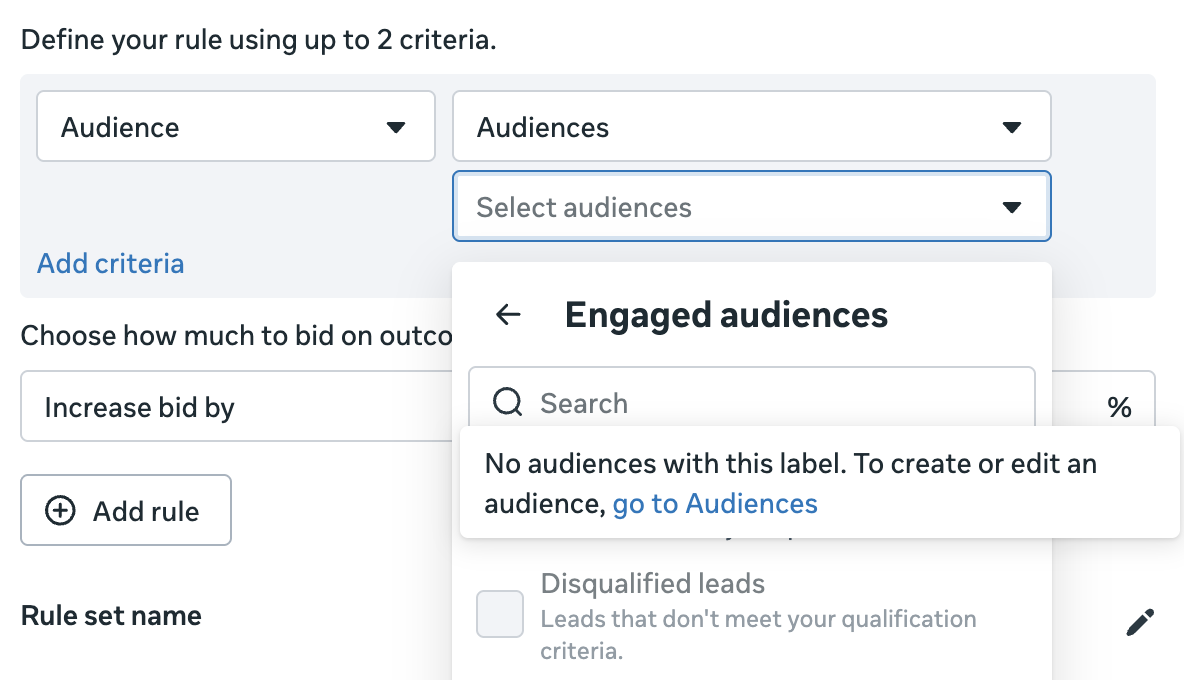
This could create some confusion, of course. If I had labeled other custom audiences for disqualified leads that could be used for targeting, I would not get this message.
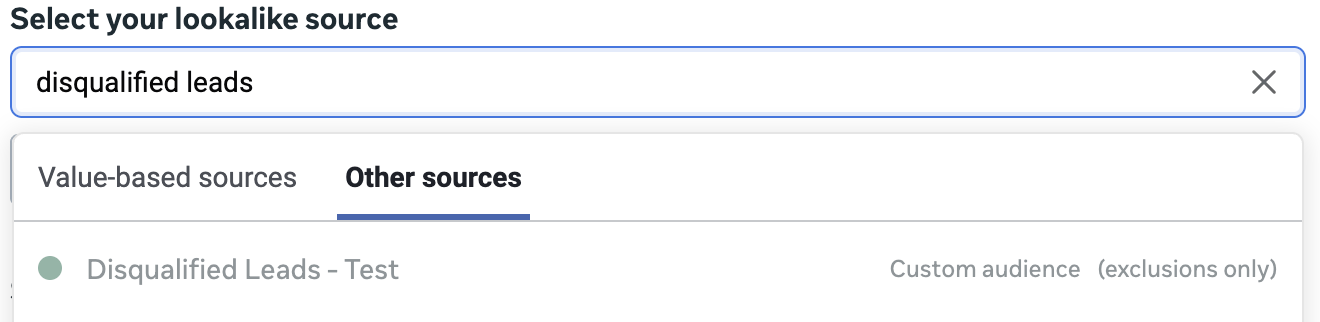
Also note that exclusion-only custom audiences can’t be used as source audiences for lookalikes.
How Would You Use These?
On the surface, all of this feels unnecessary. Why would you need a custom audience that can only be used for exclusions? Why not create custom audiences as you normally would, giving you the option to use them either for targeting or exclusions? You may still only exclude that audience, or it may give you the flexibility to use it to apply a lower bid with value rules.
This change is surely tied to a couple of other changes.
1. Language change for custom audience exclusions.
Custom audience exclusions are included within Audience Controls. Up until recently, this section was labeled “Exclude these custom audiences.”
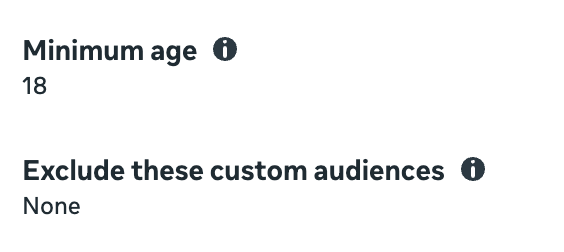
As you can see from the earlier screenshot, that section is now labeled “Legal and operational custom audience exclusions.” So, it would make sense that if you’re going to exclude a custom audience here, it would be an audience you’d always exclude. In other words, an exclusion-only custom audience.
2. Customer Lifecycle Strategy.
This new option appears above the conversion location in Sales campaigns.
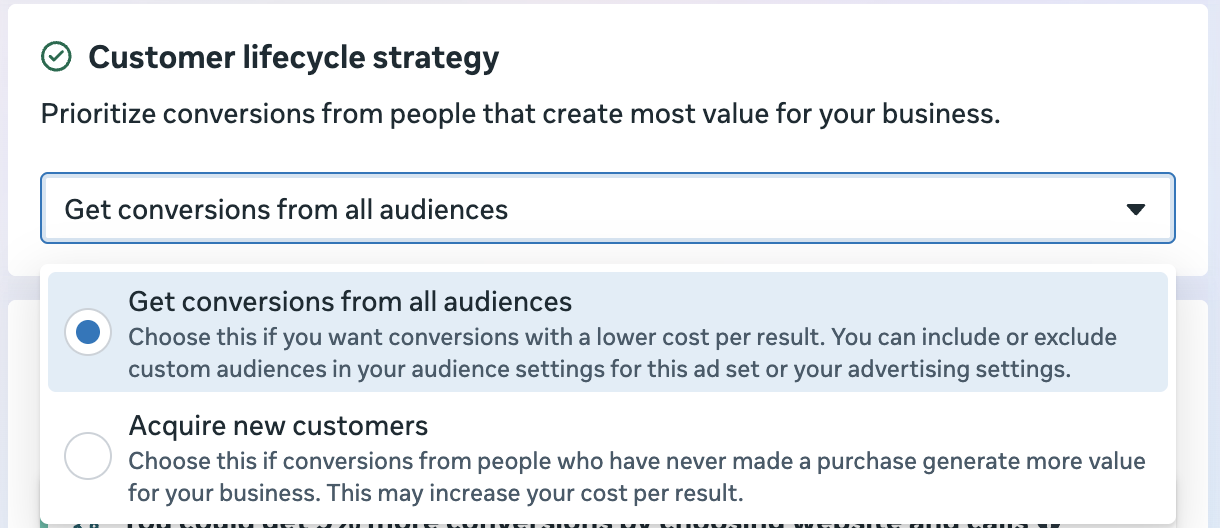
If “Acquire new customers” is selected, you then provide the custom audiences of existing customers and/or engaged audience so that they can be excluded.
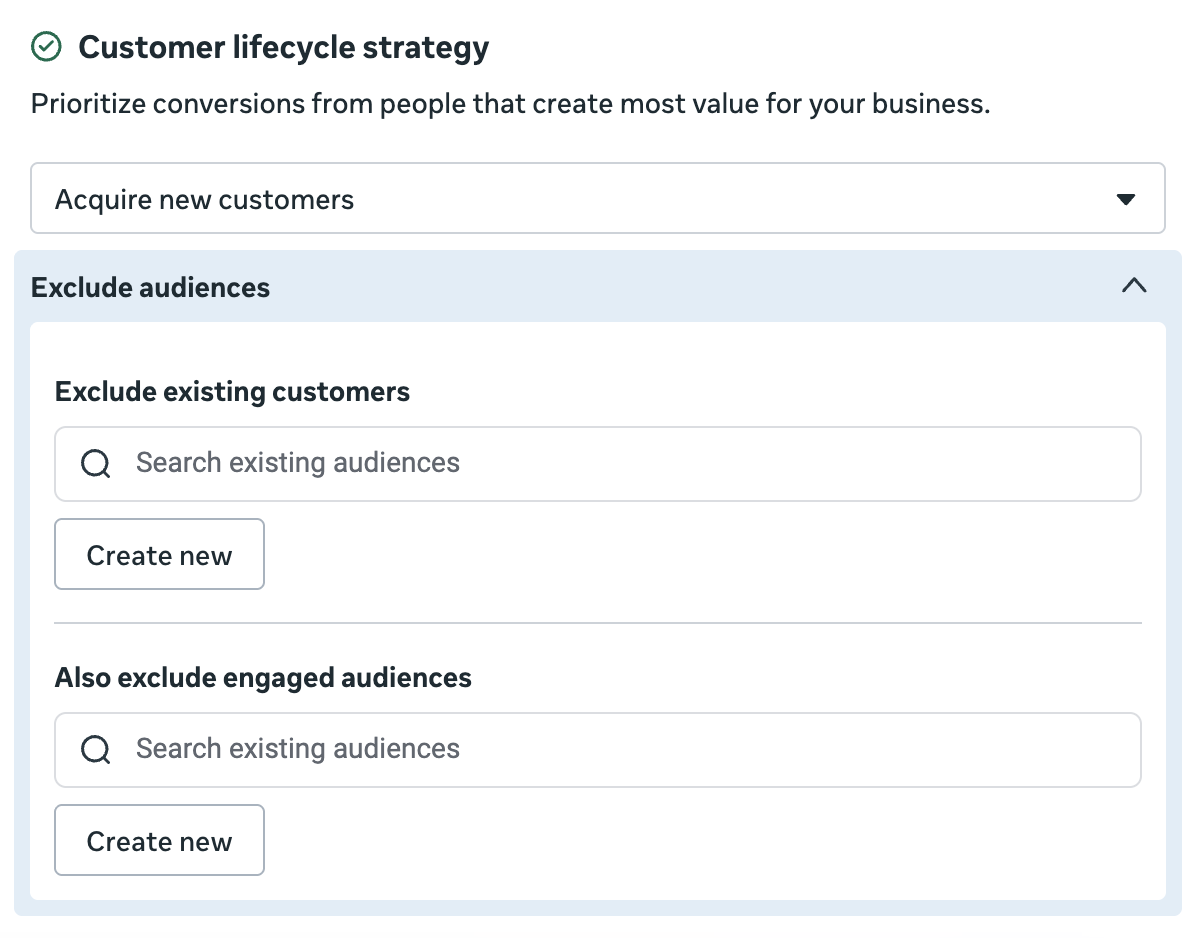
It wouldn’t make sense to use disqualified leads or other similar custom audiences that may be used for exclusions only. The custom audiences used here would require flexibility so that they can be targeted or excluded (or used with value rules).
Which takes us back to the original question: How would you use these?
The only reason to make a custom audience exclusion-only is that you’d only want to exclude it. So it could be disqualified leads, your employees, people who have unsubscribed or requested not to see your content, or for potentially legal reasons (although I’m not sure why you’d legally have a list of these people that could be used for this purpose).
It would seem Meta wants us to use the legal and operational custom audience exclusions for times when you’d always want to exclude a group of people. If it’s related to the decision around targeting new or existing customers, use Customer Lifecycle Strategy.
Personally, it feels like adding unnecessary complexity that is bound to result in confusion.
Your Turn
Are you using exclusion-only custom audiences?
Let me know in the comments below!
[ad_2]
Source_link