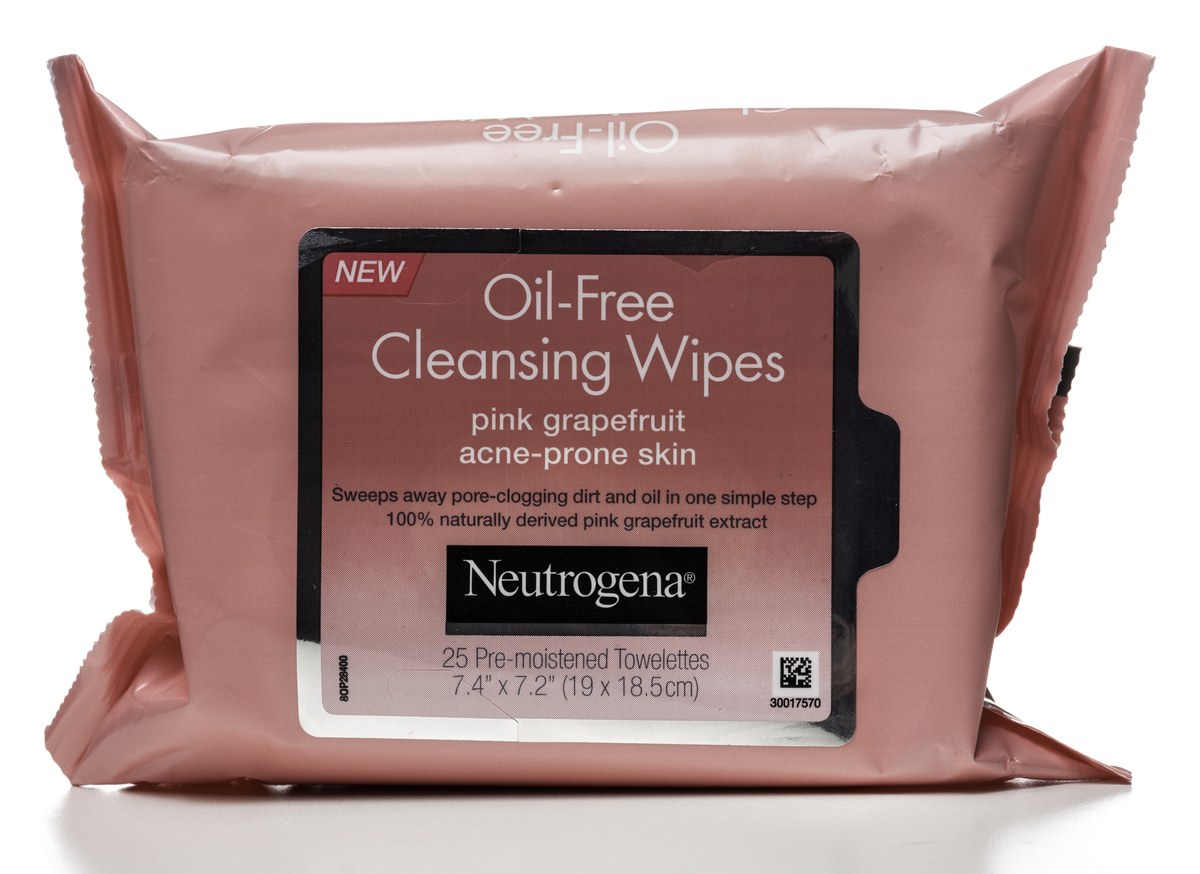
Professional communicators weighed in on what to do now in the wake of the Hayden Panettiere controversy.
The death of Hayden Panettiere shined a light on comments she made months before her death. In a May podcast interview, Panettiere claimed her long-standing contract with Neutrogena was not renewed in 2015 due to her comments about post-partum depression.
The resurfaced comments drew sharp criticism and threats of boycotting Neutrogena. About a week later, Neutrogena issued a statement:
View this post on Instagram
The statement failed to mollify many, and debate raged over what Neutrogena should do next.
Dozens of professional communicators chimed in on LinkedIn with their own opinions. This is what they said, lightly edited for style and brevity.
Apologize directly
Apologize and acknowledge that you understand why the initial statement didn’t land. Acknowledge that your call in firing her for her statements was not the right move looking back, and that you’ll do better moving forward. State your genuine remorse and support for her family amid the tragedy. Double down with a statement about your core values, and how Hayden embodied them. And then share a heartfelt memory with Hayden on set, something the public wouldn’t know, that showcases her character and positive impact on your brand.
Blair Huddy, founder of Hudson Davis
In an intensely personal situation, silence and a distant statement didn’t meet the moment. So, make it personal and direct. Reflect on why they hired her as a role model: her energy, enthusiasm, intelligence and beauty, inner and outer, that touched others throughout her career and life. Acknowledge the company fell short in the relationship, and share your next steps to listen and support women.
Jessica Kowal, founder at JMK Communications
Stay quiet and let it pass
Take the hit. A woman is dead; she hasn’t been buried yet. This isn’t about Neutrogena; it’s about her. Sometimes you can’t dig yourself out of a hole, and making statements doesn’t really mean anything. Take the time to just shut up and rework the infrastructure of the company that allowed for your misstep to happen in the first place.
PR doesn’t fix crises, but it can help mend the wounds when the time is right. The time, however, is not right now. The company messed up in its initial actions and initial silence. It messed up again when it tried to make the issue about itself while her fans were still in shock. Duct tape your mouths, put on some mittens so you can’t type, and take the consequences of your mistakes like you’d expect a child to. Then, when the mourning is over and people are more open to listening to you again, don’t make a statement; show action. Show measurable internal changes, and maybe don’t mention her name; just show your path toward betterment.
Joshua Kail, experienced strategic communications consultant
To quote Zach Bryan, Let it be, then let it go. Can’t win in this situation right now. Sounds like they didn’t handle it well 10 years ago, and the Instagram-swipe statement wasn’t super great either. Make real changes behind the scenes and put some things in place to be more supportive moving forward, but I’m just telling you: Squirting your water gun at the firestorm is probably not going to go well.
Chris Cradduck, partner at LDWW
Nothing more to do or say. The statement worked for me, though the donation to an unnamed organization supporting women felt performative and unnecessary. But now, ride it out.
Ellen Gerstein, digital and social engagement lead at Vera Therapeutics, Inc.
Measure and move on.
Brad Gorman, fractional communications leader
The core failure mode in these situations is almost always the same: statements that are legally safe but emotionally tone-deaf. I doubt a boycott will last long enough to change behavior, and there are facts and things coming out that make this situation more and less complicated for any company involved. Abandoning is relative, and without knowing the actual facts, the emotional ones take over and drive reaction. I wouldn’t advise them to address this further, but I would say this issue of mental crisis is real, and there is a lot they can do to help, bring attention to and shed light on people suffering from depression.
Elizabeth Lampert, president at Elizabeth Lampert PR
Back it with money
Take a big step back. The initial statement was so off the mark. Lead with action. Set up a fund in her name, or make a substantial donation, for women suffering from PND and PNP. Tie it in by hiring Brooke Shields, a well-known sufferer of PND, for your next campaign. Show support with action because, as Maya Angelou said, when you know better, you do better.
Sara Griggs, vice president of global communications at Smartly
To start, I wouldn’t put out another statement. At this point, the public needs to see action.
- We reach out privately to her family. We offer to pay for all the arrangements and not publicize it. That’s the definitive. We then ask about honoring her memory publicly.
- If they say yes, a 90-second video of the CEO saying straight up that she talked about PPD and Neutrogena abandoned her. No excuses, just remorse.
- Then, you put money behind it. You begin the annual Hayden Panettiere Memorial grant for mental health advocacy groups. If the family is not comfortable with her name being used, you go with something like the Maternal Mental Health Fund.
- The next ad campaign features well-known advocates and influencers talking about mental health.
This is the kind of actions, not words plan that restores public trust.
Kevin Pérez-Allen, senior vice president at Signal Group
Acknowledge the misstep and make a donation to organizations addressing PPD. Let one or more of those leaders make a comment and provide quotes. Internally, do the work, too: Revisit core values and the company’s brand mission statement, and promise employees you will do better by women and mothers — your colleagues and customers.
Amanda Guisbond, head of communications at Iambic
Assuming everything is as we already know it: No more discussions about Hayden Panettiere. They need to make good on their commitment to donate money to a charity, and they should absolutely do that — it needs to be trackable, but they shouldn’t publicize it. Any future comments about her will appear opportunistic, and they need to take the loss on this one. Then they need their hands in every part of the business. Between the Panettiere situation and the Tate McRae fake-video response, they’re losing trust with consumers. The social, influencer, customer service, partnerships and overall marketing teams need direction on how their decisions and the moves they make affect the brand moving forward.
Jordan Grenadier Murphy, strategic messaging and brand consultant
Fix the inside first
I’d resist the urge to issue another statement. Neutrogena needs to turn the response into action.
My three-part strategy:
- Acknowledge. Don’t defend or relitigate the past. We can’t change the past. We can change what happens next.
- Act. Change Neutrogena’s talent contracts so seeking treatment or speaking openly about mental health can never, by itself, cost someone a partnership. Publish the language and invite other brands to adopt it. No woman should have to choose between protecting her career and protecting her health.
- Advocate. Make a meaningful, multiyear commitment to maternal mental health, ideally shaped with Hayden’s family and credible experts.
The goal shouldn’t be to take back control of the narrative. Take responsibility for changing the outcome, and the narrative will follow.
Colleen Herndon Penhall, founder and principal advisor of strategic communications at TrueNorth Strategy Group
The damage is done, so their focus should be on communicating process and progress going forward. What are they doing to ensure this doesn’t happen again? How are they taking those steps? When? Give visibility into the work. It is time for accountability and for a human to take responsibility on behalf of the organization. Get that person media-trained by an expert, set up an interview with a major network or publication and take ownership of the mistakes that have now compounded over time. The pattern is there, and trust has been lost. This is going to take time to rebuild, but it’s only possible if they stop being defensive and start being human.
Hollie Geitner, CEO of Anchored Voice Consulting
For me, this comes down to the question of what meaningful action would look like here. Trying to reposition the past probably isn’t going to change the minds of people who already see the brand negatively, and a statement alone won’t do that either.
A fund or substantial donation is action, but on its own could be perceived as simply throwing money at the problem. I wonder if there’s an opportunity to do something more sustained. Perhaps programming that brings brands and experts together around responsibility, maternal mental health and what companies can learn from situations like this.
Even if the brand believes it did nothing wrong, the fact that some people perceive it differently is worth understanding. There may be something constructive to learn from that gap.
Robin A. Rothman, content and leadership consultant
Try to get more details about what happened in 2015. Don’t make assumptions or claims you can’t back up. Be very deliberate in the next steps. Don’t talk about what happened. Focus on what you’re going to do now. Actions speak louder than words.
Start a genuine conversation about PND and PNP, but be cognizant of timing. Right now it’s raw, and there is the desire to fix it. This can’t be immediately fixed. Plan how you will make this an integral part of the brand. Neutrogena is about skin care and radiance. That comes from the inside out. The campaign should be about caring for the whole person, not just the skin.
Spokespeople and who shares the messages are critical. Choose wisely.
Jen Becker, communications consultant
Let others carry the message
The next move is to have other voices speak up in favor of the company who are credible, such as past celebrity partners. I’d normally suggest releasing proof that the company didn’t abandon her, if it exists, but it’ll be seen — unfairly — as corporate ambushing of a deceased woman. The company is basically perceived as being corporate, so anything else it says will be interpreted in that light.
Dustin Siggins, founder of Proven Media Solutions
Most of the advice already given here points toward recruiting a celebrity advocate for their next campaign. That risks repeating exactly what’s currently drawing criticism now.
My test for every next step: Does it tie Neutrogena back to Hayden? If yes, skip it, no matter how good the intention behind it might be.
That might mean funding a maternal mental health partner without any promotions behind it. No ad campaigns. No CEO press tour. No anniversary content. The company earns trust and credibility by disappearing from this news story to do the right thing for the right reasons, not for public relations purposes.
Jason Mudd, partner at Axia Public Relations
The post Be the CCO: What communicators think Neutrogena should do next appeared first on PR Daily.