[ad_1]
Apple says it is raising prices across its iPad and MacBook ranges, citing mounting costs for memory and storage components. The company argues it can no longer absorb the surge, which it links to the AI sector’s rapidly growing demand for data‑centre infrastructure.
The adjustments spare Apple’s iPhones but affect its lower‑priced products. Its budget MacBook, positioned against inexpensive Windows and Chromebook rivals, has seen its starting price jump from $599 to $699 only months after debuting. The increase underscores how even Apple, long regarded for its supply‑chain resilience, is feeling the pressure of soaring memory prices that have clouded the outlook for smartphones and PCs.

Memory suppliers such as Micron have recently shifted their focus toward fulfilling orders from AI chipmakers like Nvidia, driving record profits for the sector. But that pivot has tightened supply for consumer‑electronics manufacturers, forcing them to pass higher component costs on to buyers.
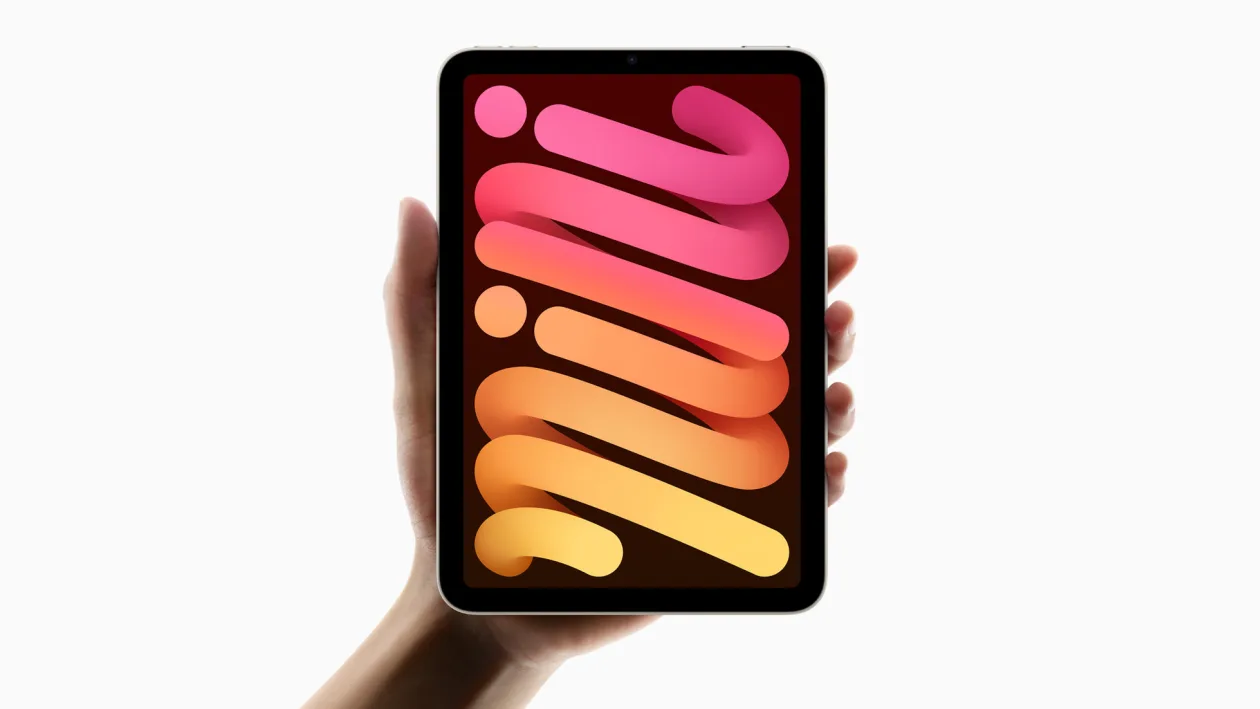
Apple has raised the price of the MacBook Air with 512GB of storage to $1,299, up from $1,099, while the MacBook Pro with 1TB now costs $1,999 instead of $1,699, according to updated figures on its website. The iPad Air with 128GB has also increased, climbing from $599 to $749, among other adjustments.
“We have not previously encountered such a rapid and substantial increase in component pricing,” Apple said in a statement. “Although we have absorbed these costs to date, we have now reached a threshold that requires price adjustments across several products, including today’s changes to iPad and Mac.”
Apple reported in April that strong inventory buffers had allowed it to maintain margins ahead of analyst estimates. However, it said escalating memory prices would begin to erode those gains by the end of this month, resulting in a modest decline in profitability.
“We expect significantly higher memory costs,” Tim Cook told analysts in late April. He said that although Apple does not offer detailed guidance past June, the company believes escalating memory prices will increasingly affect its operations in the quarters that follow.
Apple has not specified what additional actions, aside from price adjustments, it is taking to address escalating memory costs. “We know this is not welcome news, and we are working tirelessly to find solutions,” the company said on Thursday. Industry tracker TrendForce reports that DRAM prices rose to 98% in the first quarter of 2026 and are set to increase by a further 58% to 63% this quarter.
Among the standout performers is the MacBook Neo, released in March. Its strong reception has supported Apple’s upbeat June‑quarter guidance and prompted several industry watchers to upgrade their PC‑market projections.
In the end, Apple’s price hikes are less about individual products and more about the tectonic shifts happening beneath the tech industry. As AI accelerates, the cost of the components powering our everyday devices is being rewritten in real time, and consumers are now part of that story.
[ad_2]
Source_link