• About Us
  • Disclaimer
  • Contact Us
  • Privacy Policy
Monday, September 7, 2026
mGrowTech
No Result
View All Result
  • Technology And Software
    • Account Based Marketing
    • Channel Marketing
    • Marketing Automation
      • Al, Analytics and Automation
      • Ad Management
  • Digital Marketing
    • Social Media Management
    • Google Marketing
  • Direct Marketing
    • Brand Management
    • Marketing Attribution and Consulting
  • Mobile Marketing
  • Event Management
  • PR Solutions
  • Technology And Software
    • Account Based Marketing
    • Channel Marketing
    • Marketing Automation
      • Al, Analytics and Automation
      • Ad Management
  • Digital Marketing
    • Social Media Management
    • Google Marketing
  • Direct Marketing
    • Brand Management
    • Marketing Attribution and Consulting
  • Mobile Marketing
  • Event Management
  • PR Solutions
No Result
View All Result
mGrowTech
No Result
View All Result
Home Technology And Software

The Pros And Cons Of Using Wireless Android Auto

Josh by Josh
September 7, 2026
in Technology And Software
0
The Pros And Cons Of Using Wireless Android Auto


Ditching the cable can make life easier, but it does come with tradeoffs.
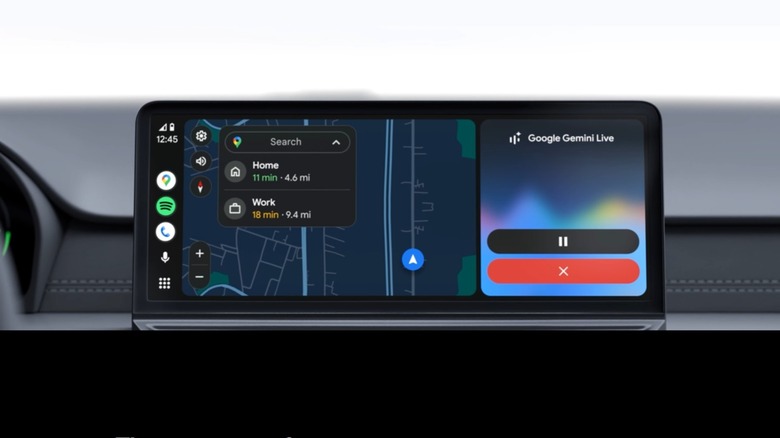

Android Auto on car's display with Google Gemini in a tab.
Google

Wireless Android Auto is easily one of the most convenient things for drivers, especially if they rely on their phones for navigation, music and hands-free communication. As with any wireless technology, the appeal is obvious because there are no cables involved, there’s no fumbling around to plug the cable into the phone’s port and the connection establishes itself automatically whenever you start the car. 

The shift from wired to wireless isn’t without tradeoffs. Battery drain increases noticeably, heat buildup becomes a genuine concern on longer drives and the connection quality depends on your phone’s hardware and your vehicle’s capabilities. Compatibility requirements add another layer to the issue, especially if you have an older model. 

Whether Android Auto is the right choice depends less on the feature itself and more on how you drive, what you’re driving and what you’re asking your phone to do while you’re behind the wheel. 

Wireless Android Auto, whether present in your car natively or with the help of an adapter, delivers on the promise of making your life easier most of the time. The automatic pairing works, the interface is responsive and the interior feels tidier without a cable running across the console. The real picture, however, is more nuanced.

How does Wireless Android Auto actually work?

Wireless Android Auto actually uses Bluetooth and Wi-Fi. When you start your vehicle, Bluetooth handles the initial handshake between phone and car, authenticating your smartphone and establishing credentials. Once that happens, the connection migrates to a Wi-Fi Direct network, which carries the data-heavy part: Maps, audio, touch input and voice commands.

Both connections run simultaneously for the entire drive, with Bluetooth taking on hands-free calling and Wi-Fi handling the rest of the data load. Disabling either one will drop the connection. The phone needs to run on Android 11 or later and come with 5GHz Wi-Fi Direct support. Newer cars support it natively, while older vehicles may require an Android Auto wireless adapter plugged into the existing USB port. Sometimes, you might need to toggle the wireless functionality on in the Android Auto developer menu if it hasn’t been enabled already.

The pros of Wireless Android Auto
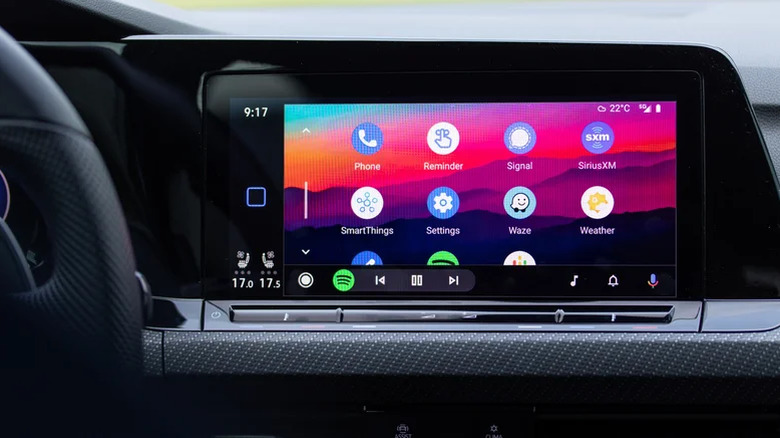

Android Auto loaded on car's entertainment system.
The Bold Bureau/Shutterstock

The list of pros is topped by the obvious fact that no cables are needed for the job. After a one-time Bluetooth pairing, your phone connects automatically every time. So, when you get in the car, you won’t have to look around for the cable, dig out your phone from whatever pocket or bag you have, locate the port and plug the cable in. You can be on your way a lot faster, knowing your maps will load up in no time and your Spotify playlist can start playing without you having to do anything.

If there are multiple drivers using the same car, Wireless Android Auto remembers all of the paired phones. When several devices attempt to connect, whoever’s not driving can simply turn off Bluetooth because, as anyone who’s watched ‘Supernatural’ knows, the “driver picks the music, shotgun shuts his cakehole.”

You will also get to enjoy a much cleaner center console, as you’ll no longer need to worry about a cable looping around the gear shift or catching in the seat as you slide it back. Plus, it’ll free up an extra port to charge devices like your earbuds or smartwatch. Passengers can also charge their own devices if need be.

The cons of Wireless Android Auto
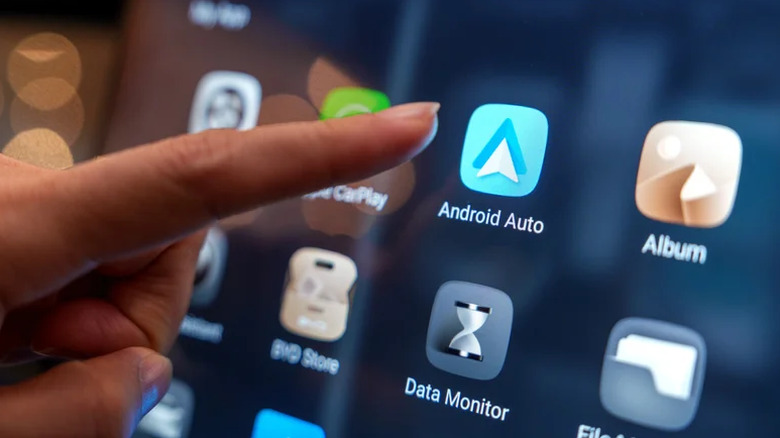

Person reading out towards the Android Auto app on a car's infotainment system.
TY Lim/Shutterstock

Battery drain can be a real problem. Sure, not having to worry about cables and delaying your drive by a minute is great, but maintaining a continuous Wi-Fi connection alongside Bluetooth and active GPS weighs heavily on your phone. With everything turned on, your phone’s battery drops about 10 to 15 percent every hour of your drive.

Heavy users will notice that their phone quickly heats up when Wireless Android Auto is in use, especially when also using GPS for navigation. Add in the rising temperatures inside a car during the summer and you risk your phone reaching the point where it shuts down to prevent hardware damage. It’s especially noticeable on older phone models, with sluggish map rendering and random music breaks becoming a headache.

When comparing wired and wireless Android Auto setups, wired connections offer reliability and performance. A physical USB cable ensures a stable link, minimal latency for your media and a steady charge for the phone. Wireless Android Auto has convenience on its side, but these setups can experience slight delays in responsiveness or random disconnects.

Is Wireless Android Auto worth it?

For most daily commuters, wireless Android Auto is most definitely worth it. From the automatic connection to the cable-free experience, your driving experience is improved immediately. On longer drives, however, especially as navigation is running the whole time, heat buildup and battery drainage make switching to a wired connection a good alternative. Wired remains the more battery-efficient option, while wireless is the more convenient choice. Ultimately, it depends where you’re going and how long your drive is going to be.




Source_link

READ ALSO

Microsoft AI’s MAI-Transcribe-2 undercuts OpenAI, Google and ElevenLabs on price and speed

The Best Laptop Backpacks for Work, Travel, and Everything Between (2026)

Related Posts

Microsoft AI’s MAI-Transcribe-2 undercuts OpenAI, Google and ElevenLabs on price and speed
Technology And Software

Microsoft AI’s MAI-Transcribe-2 undercuts OpenAI, Google and ElevenLabs on price and speed

September 7, 2026
The Best Laptop Backpacks for Work, Travel, and Everything Between (2026)
Technology And Software

The Best Laptop Backpacks for Work, Travel, and Everything Between (2026)

September 6, 2026
TechCrunch Mobility: Tesla Cybercab hits the road — and a snag
Technology And Software

TechCrunch Mobility: Tesla Cybercab hits the road — and a snag

September 6, 2026
Meta says Muse Spark 1.3 has frontier performance — but its best results come from a model developers can’t broadly use yet
Technology And Software

Meta says Muse Spark 1.3 has frontier performance — but its best results come from a model developers can’t broadly use yet

September 6, 2026
How To Sideload Apps Onto Android Auto
Technology And Software

How To Sideload Apps Onto Android Auto

September 6, 2026
4 Best Alexa Speakers I’ve Tested (2026)
Technology And Software

4 Best Alexa Speakers I’ve Tested (2026)

September 6, 2026
Next Post
LinkedIn Wend Answer Today for September 6, 2026 (Puzzle #90)

LinkedIn Wend Answer Today for September 6, 2026 (Puzzle #90)

POPULAR NEWS

Trump ends trade talks with Canada over a digital services tax

Trump ends trade talks with Canada over a digital services tax

June 28, 2025
15 Trending Songs on TikTok in 2025 (+ How to Use Them)

15 Trending Songs on TikTok in 2025 (+ How to Use Them)

June 18, 2025
Communication Effectiveness Skills For Business Leaders

Communication Effectiveness Skills For Business Leaders

June 10, 2025
Comparing the Top 7 Large Language Models LLMs/Systems for Coding in 2025

Comparing the Top 7 Large Language Models LLMs/Systems for Coding in 2025

November 4, 2025
App Development Cost in Singapore: Pricing Breakdown & Insights

App Development Cost in Singapore: Pricing Breakdown & Insights

June 22, 2025

EDITOR'S PICK

Generative AI Technology Stack 2026: Models, Tools & Frameworks

Generative AI Technology Stack 2026: Models, Tools & Frameworks

April 16, 2026
‘New media’ is just right-wing media 

‘New media’ is just right-wing media 

October 17, 2025
4 Steps to Transform Omnichannel Banking Customer Experiences

4 Steps to Transform Omnichannel Banking Customer Experiences

August 15, 2025
From shiny object to sober reality: The vector database story, two years later

From shiny object to sober reality: The vector database story, two years later

November 17, 2025

About

We bring you the best Premium WordPress Themes that perfect for news, magazine, personal blog, etc. Check our landing page for details.

Follow us

Categories

  • Account Based Marketing
  • Ad Management
  • Al, Analytics and Automation
  • Brand Management
  • Channel Marketing
  • Digital Marketing
  • Direct Marketing
  • Event Management
  • Google Marketing
  • Marketing Attribution and Consulting
  • Marketing Automation
  • Mobile Marketing
  • PR Solutions
  • Social Media Management
  • Technology And Software
  • Uncategorized

Recent Posts

  • Social Media Rage, Wayne Culbreth Style: When a Private Message Becomes a PR Risk
  • How to build an omnichannel strategy
  • Microsoft AI’s MAI-Transcribe-2 undercuts OpenAI, Google and ElevenLabs on price and speed
  • In “An Alien Mind,” OpenAI’s Jakub Pachocki Urges Shared Safety Bars – Unite.AI
  • About Us
  • Disclaimer
  • Contact Us
  • Privacy Policy
No Result
View All Result
  • Technology And Software
    • Account Based Marketing
    • Channel Marketing
    • Marketing Automation
      • Al, Analytics and Automation
      • Ad Management
  • Digital Marketing
    • Social Media Management
    • Google Marketing
  • Direct Marketing
    • Brand Management
    • Marketing Attribution and Consulting
  • Mobile Marketing
  • Event Management
  • PR Solutions