• About Us
  • Disclaimer
  • Contact Us
  • Privacy Policy
Thursday, September 3, 2026
mGrowTech
No Result
View All Result
  • Technology And Software
    • Account Based Marketing
    • Channel Marketing
    • Marketing Automation
      • Al, Analytics and Automation
      • Ad Management
  • Digital Marketing
    • Social Media Management
    • Google Marketing
  • Direct Marketing
    • Brand Management
    • Marketing Attribution and Consulting
  • Mobile Marketing
  • Event Management
  • PR Solutions
  • Technology And Software
    • Account Based Marketing
    • Channel Marketing
    • Marketing Automation
      • Al, Analytics and Automation
      • Ad Management
  • Digital Marketing
    • Social Media Management
    • Google Marketing
  • Direct Marketing
    • Brand Management
    • Marketing Attribution and Consulting
  • Mobile Marketing
  • Event Management
  • PR Solutions
No Result
View All Result
mGrowTech
No Result
View All Result
Home Al, Analytics and Automation

Keeping PHI Secure in Untethered Employee Benefits Platforms – Unite.AI

Josh by Josh
September 3, 2026
in Al, Analytics and Automation
0
Keeping PHI Secure in Untethered Employee Benefits Platforms – Unite.AI


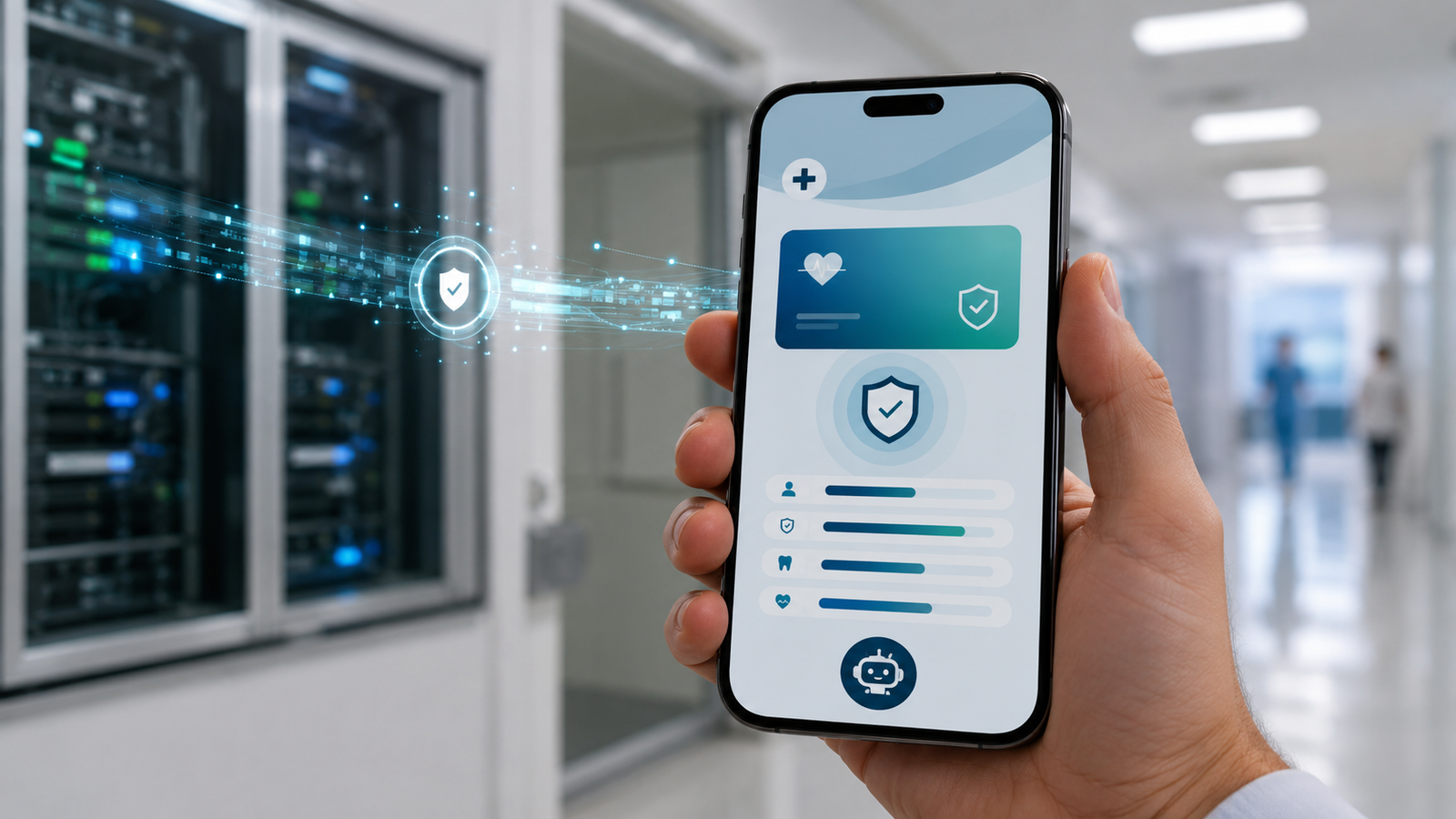
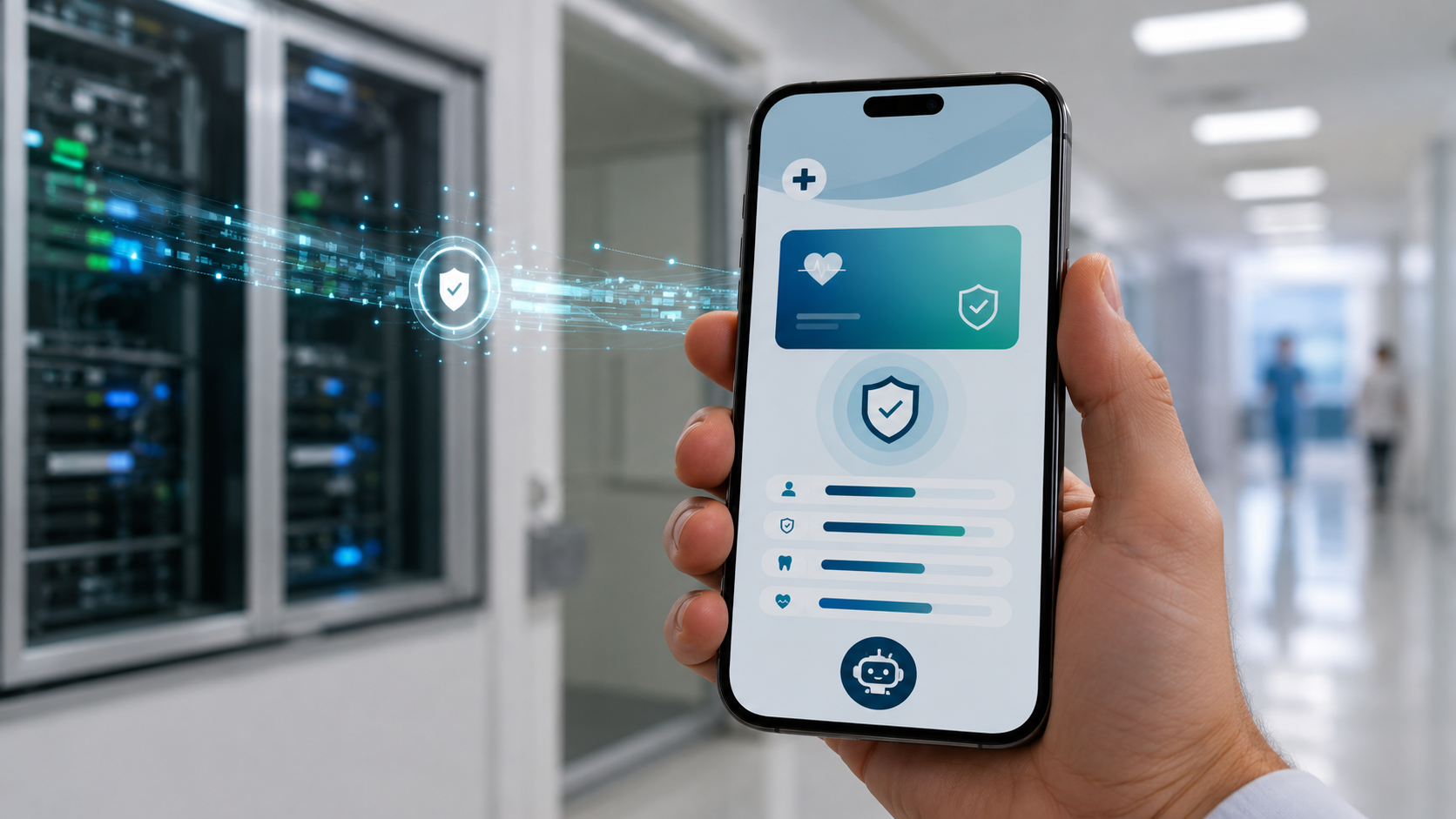
The integration of artificial intelligence into HR and employee benefits administration has fundamentally changed how healthcare benefits are managed and delivered. For modern organizations, enabling “untethered access” (i.e., allowing employees, HR admins, and care navigators to manage health benefits, verify coverage, and access personalized AI support directly on mobile devices) delivers massive efficiency gains. 

However, decentralizing benefits platforms introduces a significant compliance concern. How do you deliver mobile, AI-driven benefits tools without compromising protected health information (PHI)?

For health systems, enterprise employers, and benefits administrators, the core challenge is clear: build flexible, real-time benefits navigation tools while remaining fully compliant with the Health Insurance Portability and Accountability Act (HIPAA).

The Shift to Untethered Benefits Management

Historically, employee health benefits administration relied on centralized HR portals accessible only from secured desktop networks within office environments. While this setup provided tight security boundaries, it created friction for workers needing immediate answers about their coverage, claims, or care options.

Today, benefits navigation happens on the move:

  • Point-of-Need Support: Employees need real-time clarity on copays, network providers, and deductible status directly from their mobile devices while at a doctor’s office or pharmacy.
  • Distributed HR & Care Navigation: Benefits managers and third-party administrators operate remotely across multiple locations, requiring secure channels to review claims, resolve coverage disputes, and manage enrollment data.
  • AI Self-Service Assistants: Workers increasingly rely on conversational AI tools to ask sensitive questions about mental health coverage, family planning, or chronic disease management without waiting on hold for HR representatives.

While conversational AI makes mobile benefits navigation seamless, exposing PHI across personal devices and mobile networks opens up critical attack vectors if those platforms lack robust security controls.

HIPAA Realities in Benefits Administration

Under the HIPAA Security Rule, plan sponsors, third-party administrators, and benefits tech providers must safeguard electronic Protected Health Information (ePHI) across three core pillars:

  1. Strict Access Control: Restricting data visibility so employees, managers, and HR representatives can only view the exact health and benefits data required for their role.
  2. Granular Audit Logging: Keeping precise, immutable records of every user query, system response, and data lookup containing PHI.
  3. Data Protection in Transit: Ensuring all benefits queries and health data remain fully encrypted as they move across public and cellular networks.

The stakes are high. Data from the U.S. Department of Health and Human Services (HHS) Office for Civil Rights indicates that cybersecurity breaches targeting health data continue to surge, with unauthorized network access leading the charge. Deploying an unencrypted or misconfigured AI benefits tool on untethered mobile endpoints creates immediate regulatory and financial risk.

Architectural Strategies for Securing Mobile AI Benefits Platforms

Building HIPAA-compliant mobile AI tools for employee benefits requires deliberate engineering choices right from the blueprint phase.

Untethered benefits platforms must operate under a zero-trust model, validating every incoming request regardless of whether the device is corporate-owned or personal (BYOD). A manager reviewing team enrollment status should never have access to an individual’s sensitive claims data, and an AI chatbot must restrict its responses strictly to the authenticated user’s specific policy tier.

AI models used for benefits navigation must never store or train on employee interactions or sensitive health queries. Establishing strict zero-data-retention (ZDR) agreements with model providers ensures that prompt inputs are discarded immediately after generating an answer. Furthermore, automated redaction pipelines must strip identifiers like Social Security numbers, medical IDs, and names before payloads enter external AI models.

Standard IT logging only notes when a user opens a benefits portal. AI-powered platforms must capture deeper context, including the specific prompt, retrieved benefit details, and generated answers. Maintaining immutable audit logs provides the clear evidentiary trail required during compliance evaluations by agencies like the Federal Trade Commission (FTC) or HHS.

All communication between mobile benefits apps and backend AI engines must utilize high-grade encryption standards recommended by the National Institute of Standards and Technology (NIST), ensuring data remains unreadable even if intercepted over public Wi-Fi networks.

Moving Forward Safely

Providing employees with on-demand, AI-assisted health benefits management doesn’t mean sacrificing security or risking HIPAA violations. By building strict zero-trust controls and zero-data-retention mechanisms directly into untethered platforms from day one, employers can deliver seamless benefits support while keeping sensitive health information completely secure.



Source_link

READ ALSO

From MIT to IBM, expediting AI and quantum deployment | MIT News

Qwen Developers Open-Sources zg (zvec-grep): A Local-First Search Layer Unifying ripgrep, BM25, and Vector Search

Related Posts

From MIT to IBM, expediting AI and quantum deployment | MIT News
Al, Analytics and Automation

From MIT to IBM, expediting AI and quantum deployment | MIT News

September 3, 2026
Qwen Developers Open-Sources zg (zvec-grep): A Local-First Search Layer Unifying ripgrep, BM25, and Vector Search
Al, Analytics and Automation

Qwen Developers Open-Sources zg (zvec-grep): A Local-First Search Layer Unifying ripgrep, BM25, and Vector Search

September 3, 2026
Al, Analytics and Automation

How to Build a Robust RAG System with Minimal Resources

September 2, 2026
Financial Data Annotation Services for Fraud Detection
Al, Analytics and Automation

Financial Data Annotation Services for Fraud Detection

September 2, 2026
Vertiv Strikes $1.45B Deal for Microgrid Firm UtilityInnovation Group – Unite.AI
Al, Analytics and Automation

Vertiv Strikes $1.45B Deal for Microgrid Firm UtilityInnovation Group – Unite.AI

September 2, 2026
Walter Torous named executive director of MIT Center for Real Estate | MIT News
Al, Analytics and Automation

Walter Torous named executive director of MIT Center for Real Estate | MIT News

September 2, 2026
Next Post
Google’s Gemini 3.8 Flash is built for agents, while its Cyber twin hunts vulnerabilities

Google’s Gemini 3.8 Flash is built for agents, while its Cyber twin hunts vulnerabilities

POPULAR NEWS

Trump ends trade talks with Canada over a digital services tax

Trump ends trade talks with Canada over a digital services tax

June 28, 2025
15 Trending Songs on TikTok in 2025 (+ How to Use Them)

15 Trending Songs on TikTok in 2025 (+ How to Use Them)

June 18, 2025
Communication Effectiveness Skills For Business Leaders

Communication Effectiveness Skills For Business Leaders

June 10, 2025
Comparing the Top 7 Large Language Models LLMs/Systems for Coding in 2025

Comparing the Top 7 Large Language Models LLMs/Systems for Coding in 2025

November 4, 2025
App Development Cost in Singapore: Pricing Breakdown & Insights

App Development Cost in Singapore: Pricing Breakdown & Insights

June 22, 2025

EDITOR'S PICK

How GroveX Makes Crypto More Accessible?

How GroveX Makes Crypto More Accessible?

September 17, 2025
Behind the Scenes of Continuous Improvement: Interview with a Regpack Client Support Specialist

Behind the Scenes of Continuous Improvement: Interview with a Regpack Client Support Specialist

August 21, 2025
Tavus Launches Phoenix-4: A Gaussian-Diffusion Model Bringing Real-Time Emotional Intelligence And Sub-600ms Latency To Generative Video AI

Tavus Launches Phoenix-4: A Gaussian-Diffusion Model Bringing Real-Time Emotional Intelligence And Sub-600ms Latency To Generative Video AI

February 19, 2026
How to manage multiple Instagram accounts (without losing your mind)

How to manage multiple Instagram accounts (without losing your mind)

August 26, 2025

About

We bring you the best Premium WordPress Themes that perfect for news, magazine, personal blog, etc. Check our landing page for details.

Follow us

Categories

  • Account Based Marketing
  • Ad Management
  • Al, Analytics and Automation
  • Brand Management
  • Channel Marketing
  • Digital Marketing
  • Direct Marketing
  • Event Management
  • Google Marketing
  • Marketing Attribution and Consulting
  • Marketing Automation
  • Mobile Marketing
  • PR Solutions
  • Social Media Management
  • Technology And Software
  • Uncategorized

Recent Posts

  • A Marketer’s Guide to Syncing Live Audience Data Directly with Ad Platforms Like TikTok and Snapchat
  • Breaking down complex topics for journalists
  • Social media marketing for CPG brands: A 2026 playbook
  • Google’s Gemini 3.8 Flash is built for agents, while its Cyber twin hunts vulnerabilities
  • About Us
  • Disclaimer
  • Contact Us
  • Privacy Policy
No Result
View All Result
  • Technology And Software
    • Account Based Marketing
    • Channel Marketing
    • Marketing Automation
      • Al, Analytics and Automation
      • Ad Management
  • Digital Marketing
    • Social Media Management
    • Google Marketing
  • Direct Marketing
    • Brand Management
    • Marketing Attribution and Consulting
  • Mobile Marketing
  • Event Management
  • PR Solutions