[ad_1]
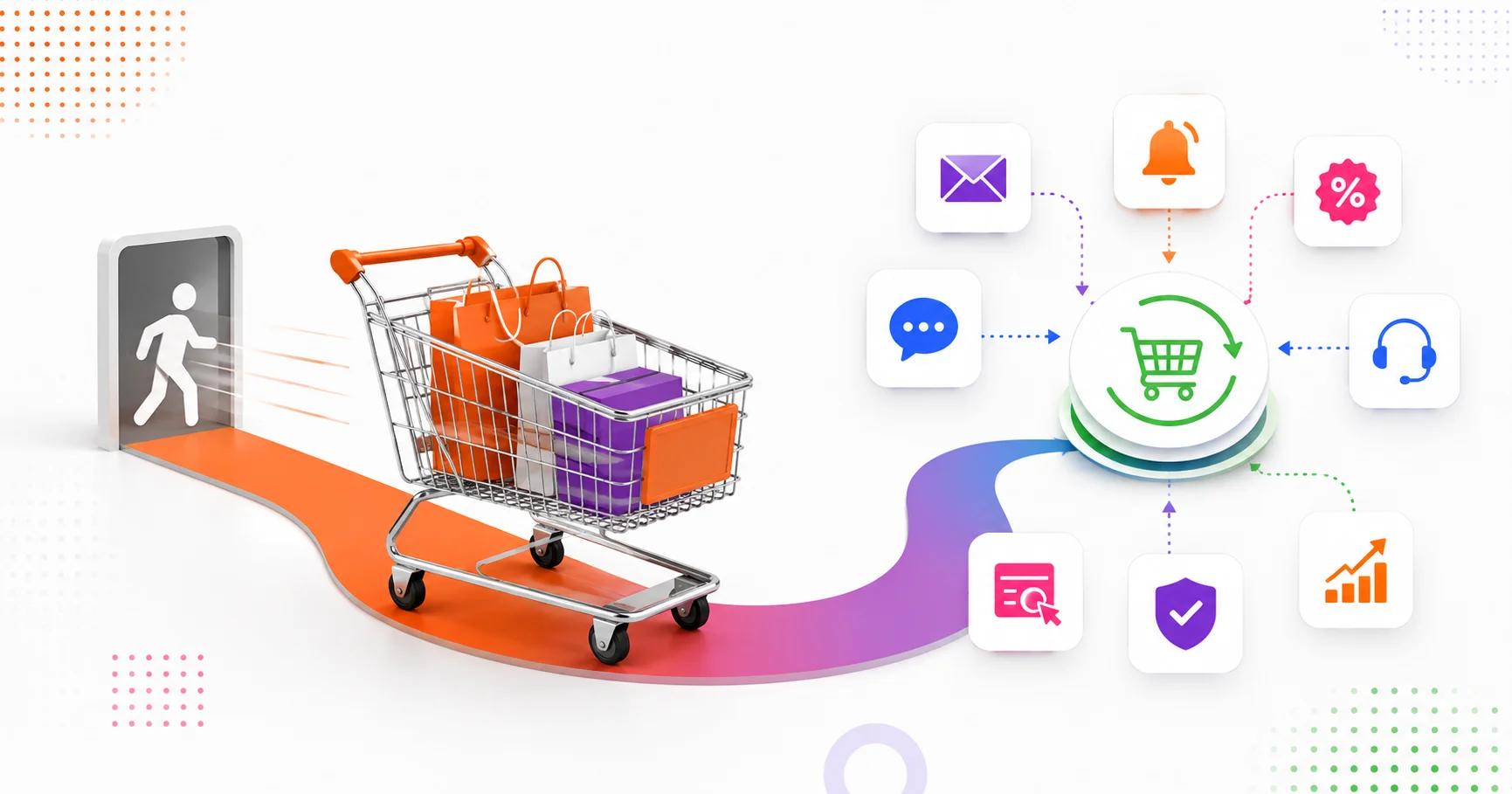
Ever notice how someone can fill up their cart with three or four items, seem all set to buy, and then… just disappear? No purchase, no message, nothing. That’s cart abandonment, and if you run an online store, it’s probably the single most frustrating thing you deal with. Here’s the part that should make you feel better, though: most of the reasons people bail are things you can actually fix.
What is cart abandonment?
Simply put, cart abandonment happens when someone adds products to their cart but leaves before checking out. It doesn’t always mean they hated your store or changed their mind. Sometimes they’re just comparing prices across tabs or using the cart as a wishlist for later. But often, something in the buying process quietly pushes people away.
Why does cart abandonment happen?
- Shipping fees or taxes that suddenly appear at the last step
- Being told “create an account first” before you can pay
- A checkout with way too many fields or steps
- Delivery dates that feel too far away
- Not trusting the site enough to type in card details
- A page that’s slow or crashes right when they’re about to pay
- Simply spotting a better deal elsewhere
Once you know what’s driving people away, fixing it gets a lot easier.
How to simplify the checkout process for higher conversions?
Nobody wants to fill out ten fields and set a password just to buy a phone case. If your checkout feels like a chore, people will drop off halfway through, and honestly, who could blame them?
Keep things minimal. Ask only for what you truly need, like the address and payment details. Let people sign in with Google or Facebook instead of typing everything out by hand. And please, offer a guest checkout. Not everyone wants an account with your store, and forcing one is a fast way to lose a sale you already had in the bag.
A small progress bar can help too. Once people see they’re almost done, they tend to push through rather than quit.
Why does mobile-friendly checkout matter for reducing cart abandonment?
So many people shop on their phones now, sometimes while waiting in line or half-watching TV. If your site doesn’t work well on mobile, you’re losing sales you don’t even know about. Buttons should be easy to tap without zooming in, forms shouldn’t feel squeezed, and pages need to load fast. A checkout that’s clunky on mobile is often the exact reason someone gives up mid-purchase.
Why hidden costs cause cart abandonment and how to avoid it?
You know that moment when you’re about to pay and suddenly there’s an extra ₹200 tacked on for shipping? That feeling of being caught off guard is exactly what pushes people to close the tab.
Show the full cost, shipping and tax included, as early as possible, ideally right on the product page. If your shipping charges are on the higher side, consider offering free shipping past a certain order value. It removes that unpleasant surprise, and sometimes it even convinces people to add one more item just to get there.
How can offering multiple payment options reduce cart abandonment?
Not everyone pays the same way. Some people trust their credit card, others prefer UPI or wallets, and a good number now look for “pay later” options. If your checkout only offers one or two choices, you’re likely losing customers who simply don’t see the option they trust.
Add as many payment methods as you reasonably can, and make sure your checkout clearly shows security badges or an SSL certificate. When people feel their money is safe, they follow through with the purchase far more often.
How to build trust with shoppers before checkout
Trust is a bigger deal in online shopping than most people give it credit for. If a site feels a little off, unfinished, or vague about its policies, people hesitate even if they actually like what they’re buying.
A few small things build that trust:
- Security badges near the payment section
- Genuine customer reviews on product pages
- A clear, easy-to-find return policy
- Visible contact details and an “About Us” that feels real
These little touches quietly tell shoppers, “yes, this is a real business, you’re safe here.”
How targeted emails and reminders help recover abandoned carts?
Here’s the good news: not every abandoned cart is a lost cause. A well-timed nudge can bring plenty of people back.
Send the first reminder within an hour, while the product is still on their mind. If that doesn’t work, follow up a day later with something extra, like a small discount or free shipping. Keep it short, show the exact product they left behind, and make the “go back to cart” button impossible to miss.
SMS reminders work well too people open texts almost instantly. Just don’t go overboard. Two or three nudges is plenty before it starts to feel like spam.
Why do website speed and reliability affect cart abandonment rates?
A slow site is a silent sales killer. If a page takes even a few extra seconds to load, people lose patience, especially right when they’re about to pay. Compress your images, cut out unnecessary scripts, and stress-test your checkout before big sale days. A crash at the payment step doesn’t just cost you one sale it can cost you that customer forever.
How to reduce cart abandonment using retargeting ads
Just because someone left doesn’t mean the story’s over. A retargeting ad on Instagram or Google that shows the exact product they were eyeing can be surprisingly effective at bringing them back. Combine this with your email reminders for better results. Just go easy on how often you show up. Nobody wants to see the same ad ten times a day.
Why does testing and tracking checkout data matter?
You can’t improve what you’re not watching. Look at your analytics and figure out exactly where people are dropping off, is it the shipping page, the payment step, or right before the final click? Try small A/B tests, maybe a different button color or a shorter form, and see what actually moves the needle. Small changes, tracked properly, add up to real gains over time.
Conclusion
You’ll never get cart abandonment down to zero, and that’s fine, some of it is just window shopping. But you can cut it down a lot by removing the friction that’s genuinely costing you sales: a smoother checkout, honest pricing upfront, more ways to pay, and a site that feels trustworthy. Add a few well-timed reminders and some smart retargeting, and you’ll start winning back sales you’d otherwise have lost.
If your checkout still isn’t converting the way it should, it’s worth getting a second pair of expert eyes on it. The best e-commerce website development company in Bangalore can help spot exactly where you’re losing customers and fix it properly, from faster page loads to a smoother checkout flow. A good team of ecommerce web developers in Bangalore knows what shoppers actually expect these days and builds accordingly. And if you’re planning to start from scratch, investing in solid ecommerce website development in Bangalore early on will save you a lot of guesswork later.
[ad_2]
Source_link