[ad_1]
Summary
- Days 0-7 confirmation and shipping emails should cut “where is my order” support tickets, not just earn a high open rate
- Days 8-30 onboarding sends work best when triggered off delivery or first-use events, not a fixed calendar date
- Days 31-90 replenishment and cross-sell emails need separate logic built on product-level purchase history, not one shared template
- Loyalty and win-back copy must acknowledge repeat buyers differently than first-timers, with a distinct sequence before a customer fully lapses
- Every flow stage should map to one retention key performance indicator (KPI), such as 90-day churn or repeat purchase rate, reviewed on a quarterly cadence
A lifecycle team builds a full post-purchase flow: a confirmation email, a shipping update, and a review request, and it all goes live within a week.
Nobody on the team can say which of those emails moved 90-day churn or repeat purchase rate. That gap, a flow that looks complete but proves nothing, is what this playbook closes.
A post-purchase email flow example only earns its place in a retention strategy if it’s tied to a metric you can defend in a quarterly business review, not a screenshot of a well-designed template.
The difference between a flow that reduces churn and one that just fills a calendar comes down to what each stage is measured against.
This piece is built for lifecycle, retention, and customer relationship management (CRM) marketers running post-purchase flows through an email service provider (ESP), who need timing and triggers that differ by churn-risk window and buyer type.
You’ll get concrete examples for three windows, days 0-7, 8-30, and 31-90, plus a loyalty and win-back layer, each mapped to the specific retention outcome it’s supposed to move.
The first 7 days: Emails that turn a transaction into trust
Confirmation and shipping emails in the first week do more than confirm an order. They set the delivery expectation that determines whether a customer files a support ticket or trusts the brand to handle a delay.
This window sees the highest engagement of any post-purchase stage, so the real work is deciding what to measure once you have that attention.
A well-built sequence includes an immediate order confirmation with a clear delivery window, a shipping email triggered on fulfillment rather than a guessed send time, and a delivery confirmation that adds a proactive delay notice if tracking data shows a slip.
Each of these is a triggered email, fired off an event in the order data rather than a fixed schedule. Instead of tracking open rate alone, measure what the flow is actually meant to prevent or produce.
- Support ticket volume tied to shipping questions, which should fall as tracking visibility improves
- Click-through rate to the tracking or order-status page
- Delivery-to-review conversion, since a smooth delivery experience is the best setup for an honest first review
Days 8-30: onboarding emails that stop silent churn before it starts
Onboarding emails in this window exist to prevent silent churn: the customer who never complains, never returns, and quietly decides the product isn’t worth repeating. For products with any learning curve, such as skincare regimens, supplements, or software-enabled devices, this is where retention is won or lost in the background.
The common mistake is sending onboarding content on a fixed day regardless of whether the product has arrived. A brand that fires a “how to use this” email on day 10 for everyone ignores that some orders arrive on day three and others on day nine.
Triggering off the delivery event, or better, a first-use signal such as an app login or a scanned product code, keeps the content relevant to where the customer actually is.
The behavioral email marketing approach applies directly here: build the send around what the customer did, not what the calendar says.
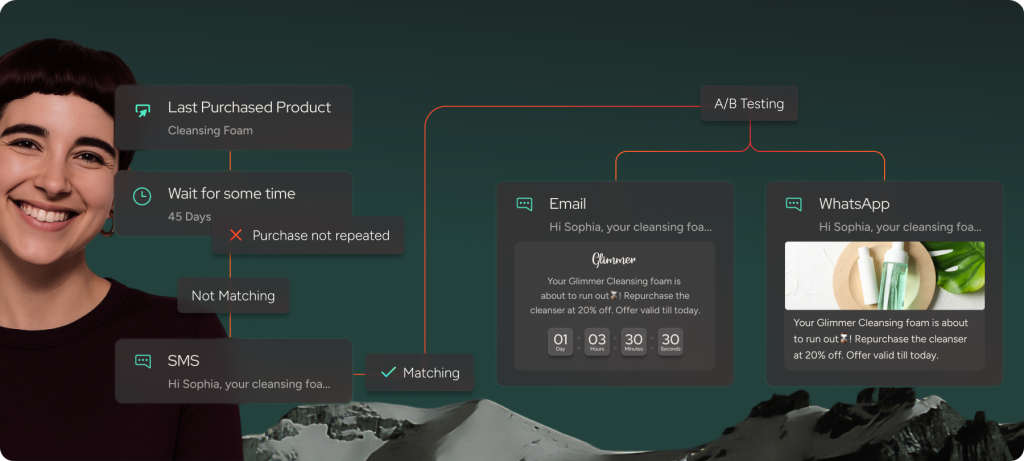
The key performance indicator (KPI) to watch isn’t open rate, its activation rate, meaning the share of customers who complete a defined value action, and whether that activation correlates with a second purchase inside 30 days.
Days 31-90: replenishment and cross-sell emails built on purchase data
Replenishment reminders and cross-sell emails both live in the 31-90 day window, but they run on opposite purchase-data logic and should never share a template.
Treating a consumable reorder nudge the same as a durable-goods cross-sell is one of the more common structural mistakes in post-purchase flows, and it shows up as flat repeat purchase rate even when send volume looks healthy.
Replenishment reminders for consumables
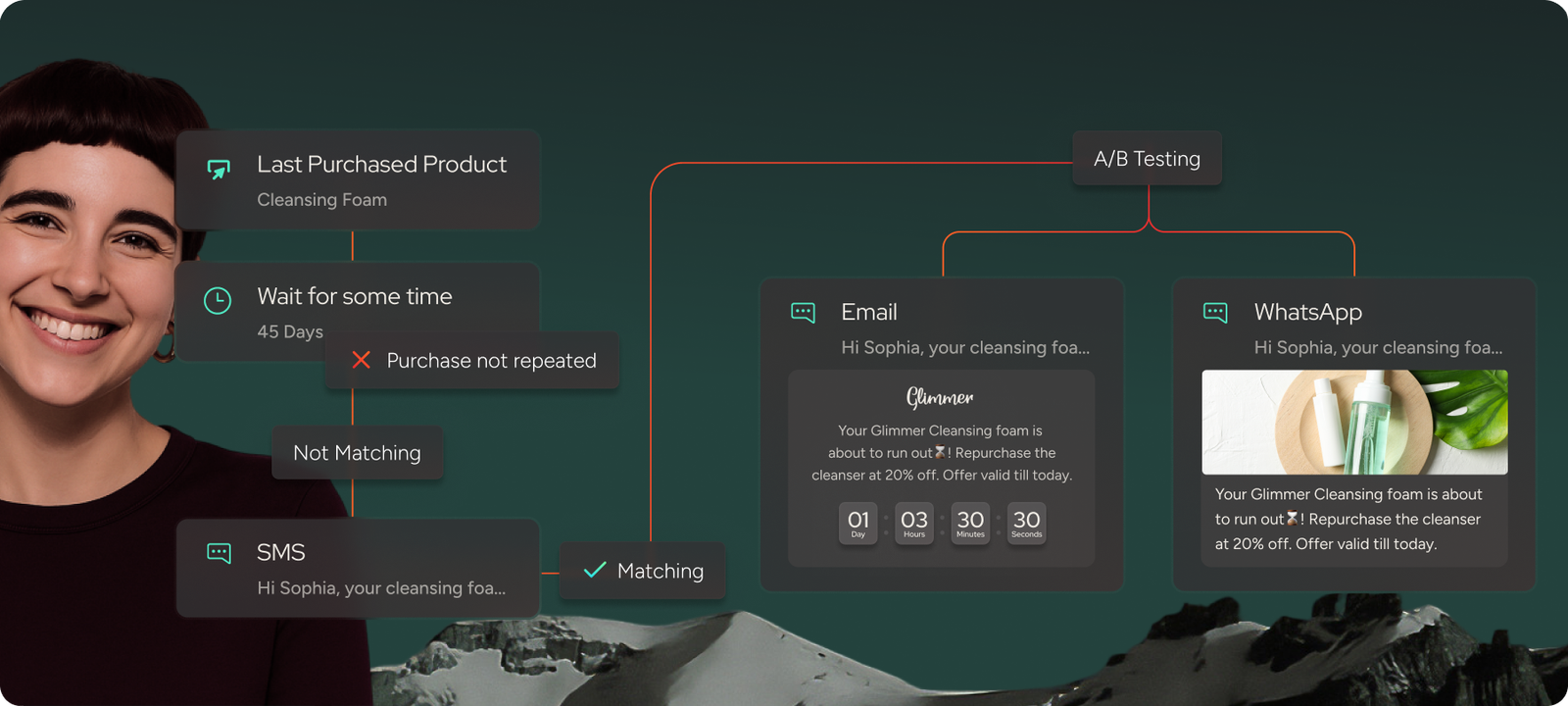
Consumables like coffee, supplements, or skincare have a measurable reorder cycle specific to each stock keeping unit (SKU). A reminder timed to a generic 30-day mark misses customers who go through a product faster or slower than average.
The stronger approach triggers the email at roughly 80% of that product’s typical reorder cycle, pulled from actual purchase-level data rather than a category average.
Cross-sell for durable goods
Durable or apparel purchases don’t have a reorder cycle to reference, so the trigger needs to shift to category affinity and complementary-item logic instead.
A customer who bought a specific jacket should see recommendations built from that item’s actual pairing data, not a generic catalog-wide suggestion.
Coca-Cola’s use of behavioral targeting to lift conversion rate by 19% with Insider One, detailed in this case study, shows what happens when recommendations are built on real purchase signals instead of broad category guesses. The same logic scales down to a single product line.
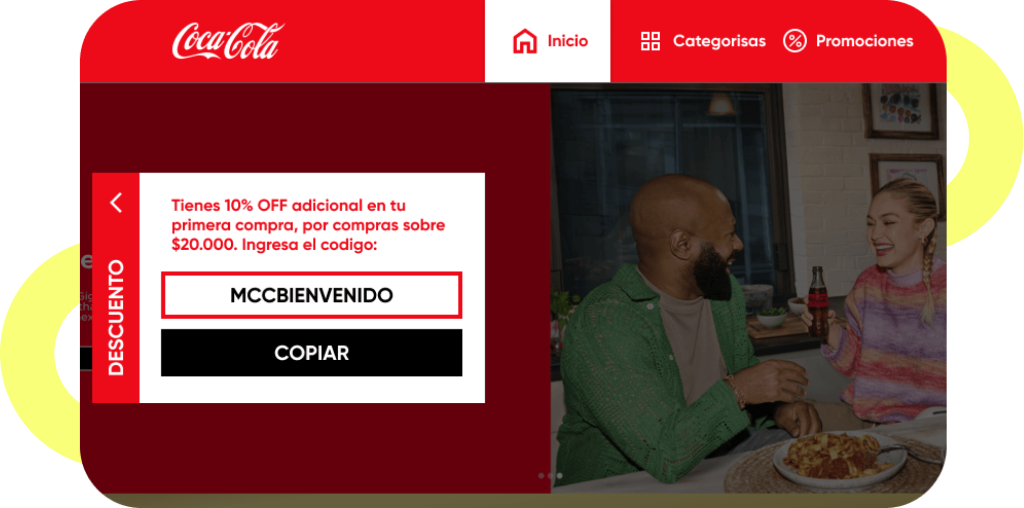
Both approaches depend on having product-level purchase history connected to the sending platform, which is exactly what a proper Customer Data Management layer is built to unify. Without it, personalized cross-sell emails are really just segment-level guesses dressed up with the customer’s first name.
Loyalty and win-back: treating repeat buyers differently from first-timers
Repeat buyers need copy and timing that acknowledge they’ve already trusted the brand once.
Sending them the same generic welcome language as a first-time customer wastes the strongest retention signal a brand has, and this is where most post-purchase flows quietly flatten two very different audiences into one template.
A second-time buyer should see language that references their history: an order count, a loyalty tier, or a note that recognizes them as a returning customer rather than a first-time visitor.
MAC Cosmetics built this kind of recognition into its personalization work with Insider One and saw a 17.2x return on its web suite investment, detailed in this case study. That result depends on distinguishing new visitors from returning ones at the moment of send, not after the fact.
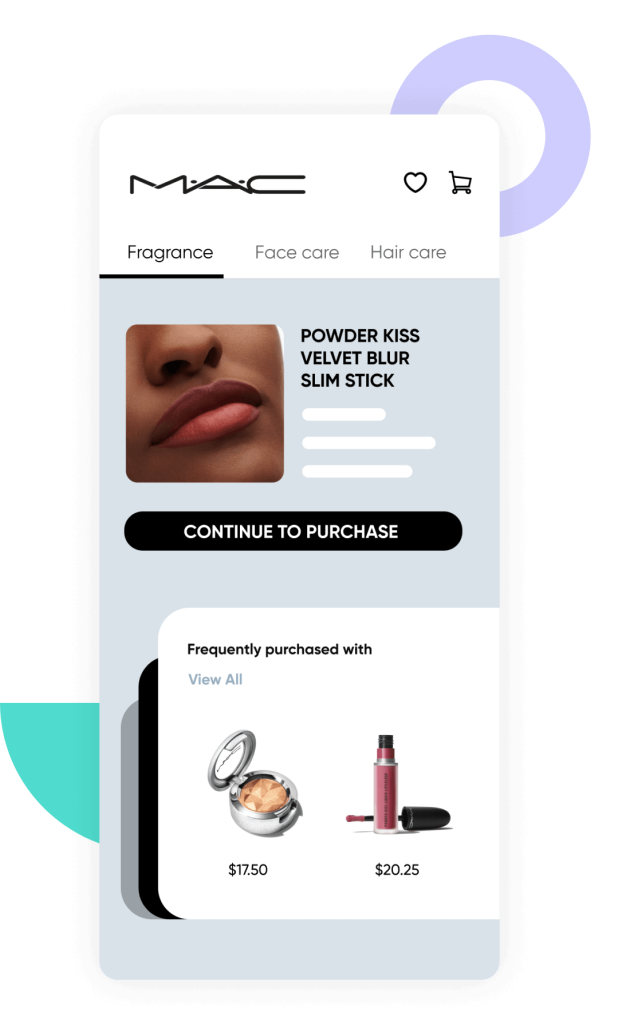
For customers showing early signs of lapsing, based on their typical repurchase window rather than a fixed date, a win-back sequence should start before churn is final.
- A gentle check-in around 45-60 days past their expected reorder point, framed as a helpful nudge rather than a sales push
- An incentive-led message at 60-75 days if there’s no response, tied to the specific category they last purchased
- A last-chance or feedback-focused send around day 90 that either reactivates the customer or tells you why they left
Segmenting these audiences properly is a job for advanced email segmentation, built on purchase recency and frequency rather than a single customers list.
Tying post-purchase sends to retention metrics marketers actually report on
Each stage of a post-purchase flow should map to exactly one retention key performance indicator (KPI), and mixing them up is why so many flow audits end in a shrug. Days 0-7 map to support ticket deflection and delivery-to-review conversion, while days 8-30 map to activation rate and second-purchase rate.
Days 31-90 map to repeat purchase rate and early customer lifetime value (LTV) signals, and loyalty and win-back map to 90-day churn and reactivation rate.
A practical quarterly cadence works better than an ad hoc review: pull cohort performance by flow stage, compare it against that stage’s assigned KPI, and adjust triggers or timing windows before touching subject lines or design.
Coordinating that many triggers across channels is a journey orchestration problem as much as an email problem, since delivery events, product data, and repurchase cycles all need to feed the same decision engine.
Conclusion
Post-purchase flows earn their budget when each stage is judged against the metric it’s actually built to move, not a shared open-rate benchmark.
Separate first-time and repeat buyers, trigger off real events instead of calendar days, and let purchase-level data drive replenishment and cross-sell logic. That structure, reviewed quarterly, is what turns a post-purchase flow from a checklist into a retention system.
To evaluate the fit of Customer Data Management for your use case, book a personalized demo to review your goals, data requirements, and implementation constraints with the Insider One team.
FAQs
It’s the sequence of automated emails a customer receives after buying, covering order confirmation, shipping updates, onboarding, replenishment or cross-sell, and eventually loyalty or win-back messaging. Each stage should map to a distinct retention goal rather than running as one continuous, generically timed sequence.
There’s no fixed number that works across every vertical. What matters more is coverage across the churn-risk windows, days 0-7, 8-30, and 31-90, plus a loyalty and win-back layer, each triggered off relevant events rather than an arbitrary email count.
No. Replenishment reminders for consumables should trigger off a product-specific reorder cycle, while cross-sell emails for durable goods should trigger off category affinity and purchase history. Sharing one template between the two usually produces weak results in both.
Open rate isn’t the right lens for this stage. Support ticket volume tied to shipping questions and click-through rate to order tracking are stronger indicators of whether the email is actually reducing customer anxiety and building early trust.
A quarterly review works well for most mid-market teams. Pull cohort performance for each flow stage against its assigned KPI, whether that’s activation rate, repeat purchase rate, or 90-day churn, and adjust triggers or timing before touching subject lines or design.
[ad_2]
Source_link