[ad_1]
📌 THE GIST
- Most entrepreneurs spend their entire marketing budget chasing strangers while ignoring the people who already trust them enough to pay them. That’s not a growth strategy. That’s expensive theater.
- Acquiring a new customer costs 5 to 25 times more than selling to an existing one — yet most small business marketing budgets are still tilted toward new-customer acquisition. The math doesn’t work in your favor.
- You’ll see exactly how to sell more to existing customers using four specific tactics — all backed by real businesses with real numbers, not generic “ask for referrals!” advice.
Knowing how to sell more to existing customers is the highest-ROI marketing skill a small business owner can develop. Your existing customers already trust you, already bought from you, and are already 60–70% likely to say yes to another offer — compared to just 5–20% for a brand-new prospect. The fastest path to more revenue runs straight through the people already in your world, not through a new ad campaign targeting strangers.
I’ve run events on both sides of this equation. “How to Get More Customers” fills seats. It sells out. People show up energized, notebooks open. Run that same event on “How to Keep Your Customers and Sell Them More” and you get a very different room — smaller, quieter, a little sheepish. And yet the keeping side is where the real money is. There’s a phrase I’ve carried for years: some businesses sell things so they can have customers. We have customers so we can sell them things. That one flip changed how I think about every marketing decision.
Why are entrepreneurs obsessed with new customers instead of existing ones?
Part of it is psychology. New customers feel like proof that your marketing is working. They’re visible, countable, exciting. A new client signing on delivers a dopamine hit that a repeat purchase from someone who already knows you just doesn’t match — even though the repeat purchase cost you almost nothing to earn.
Part of it is habit. Most marketing content — ads, playbooks, webinars — is built around lead generation. The entire martech industry exists to help you find new people. Tools that help you deepen relationships with existing customers are quieter, less glamorous, harder to pitch as a transformation.
And part of it is genuine fear. If you’ve been selling the same thing to the same people for years, upselling feels uncomfortable. Like you’re asking too much. Like you’re being pushy. You’re not. You’re doing your job.
What does the research actually say about selling to existing customers?
Acquiring a new customer costs 5 to 25 times more than retaining one, according to Artisan Growth Strategies, and that gap has been widening as digital ad costs climb. Customer acquisition costs rose 29% in a single year, while retention-based channels stayed flat or got cheaper.
Here’s what that means in plain numbers:
| Metric | New Customers | Existing Customers |
|---|---|---|
| Acquisition cost | 5–25x more expensive | 1x (baseline) |
| Close/conversion rate | 5–20% | 60–70% |
| Average order value | Baseline | 31% higher |
| Share of total revenue | ~35% | ~65% |
Bain & Company research found that a 5% improvement in customer retention lifts profits by 25–95%. Retention-focused companies also grow 2.5 times faster than acquisition-first competitors. For a solopreneur or small team running lean, the calculus is clear: the highest-leverage, lowest-cost growth lives in your existing customer file.
These aren’t hypothetical percentages. They show up in real businesses. Here’s what four of them actually did.
How Colonial Wines & Spirits used existing customers to beat new competition
When Colonial Wines & Spirits in Little Rock, Arkansas faced new grocery-store wine competition after a 2018 law change, 30-year owner Clark Trim didn’t respond with a discount war for new shoppers. He launched Colonial Club, a points-based loyalty program aimed entirely at existing customers.
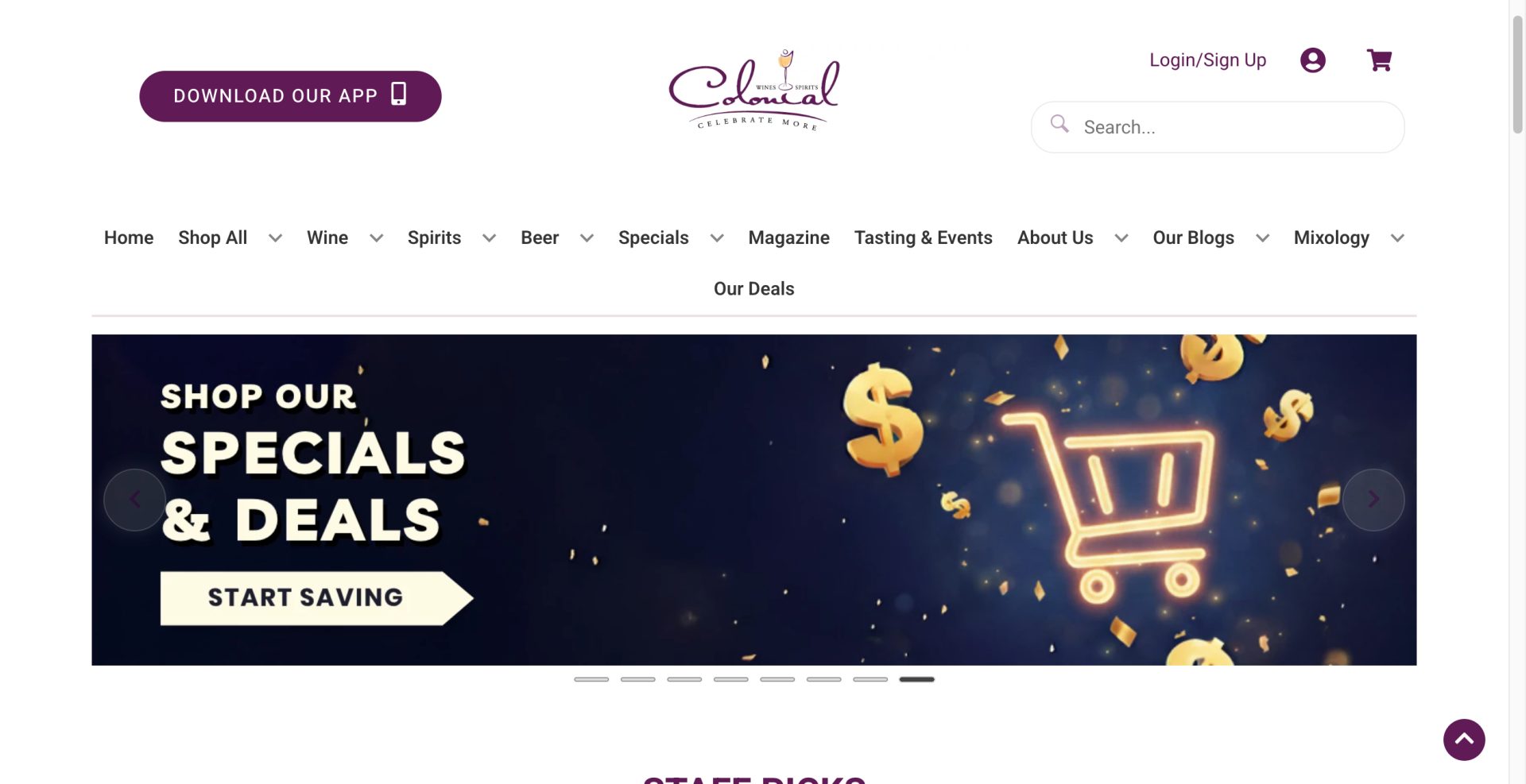
The setup was deliberately simple: one point per dollar spent, redeemable for a $2.50 discount at 250 points. No complicated tiers to start, no big tech investment. What made it work was what he did with the purchase data it generated. He segmented customers by what they actually bought — identifying his bourbon-heavy spenders specifically — and sent product-specific offers only to that group. He also used the program to target slow business hours directly, sending loyalty-member-only deals timed to draw regulars in during off-peak periods instead of discounting across the board.
The result: increased per-customer revenue, more repeat purchases, and higher overall profit. “It’s not enough to just offer a great product and hope that customers come into your store,” Trim said. “You have to do something proactively to get them there, and once you get them there, you have to keep them coming back.” The mechanics behind customer loyalty rewards like this one are simpler than most owners think — the hard part is committing to the system instead of treating it as a one-time campaign.
💡 STRATEGY ALERT
Trim called his loyalty data “a learning machine.” The segmentation is what made the number move — knowing that his bourbon buyers needed a different message than his wine buyers, and sending each group exactly that. Generic blasts to the full list don’t come close to the same result.
What a 90% repurchase rate actually looks like in practice
Lemon Perfect, a lemon-water brand, waited five years before launching a loyalty program. They built strong product quality first, then layered the mechanics on top. Their setup was straightforward: 10 points per dollar, redeemable for $5–$20 off a future order, with extra points available for social follows, leaving a product review, and referring a friend.
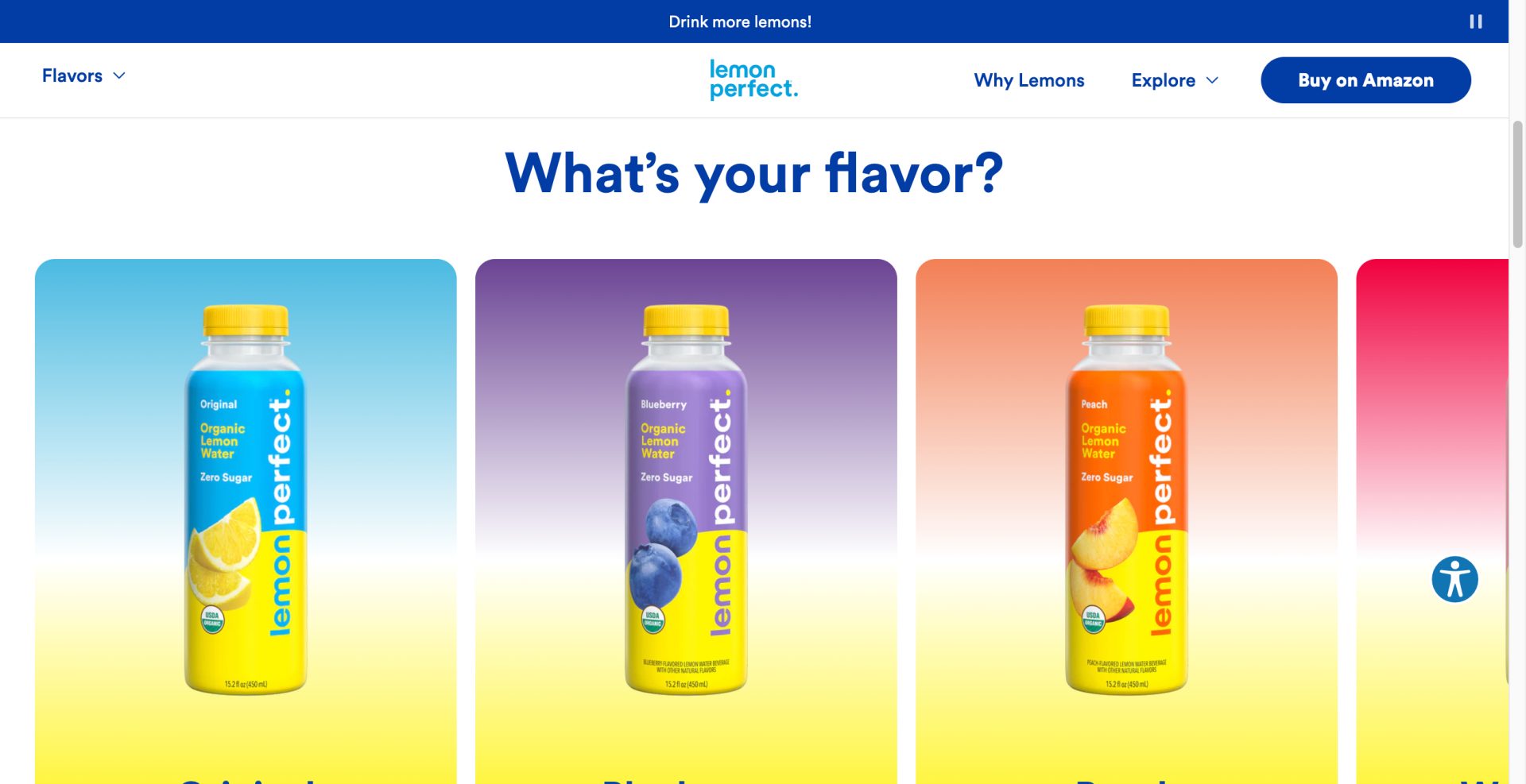
That last part is worth paying attention to. They stacked multiple non-purchase ways to earn points — turning the loyalty program into a multi-channel engagement engine, not just a discount tool. The result: a 90% repurchase rate among loyalty members.
“Our loyalty and rewards program has led to a 90% repurchase rate from loyalty members,” said director of brand marketing Richa Anand. “It’s essential to our ecommerce model.”
If you want to see how customer loyalty statistics translate to real revenue decisions, the Lemon Perfect model gives you a clear blueprint: simple earn rate, tiered redemption, and multiple engagement triggers beyond just buying.
How to sell more to existing customers through referrals — the right way
Referral marketing is the single most cost-effective tactic available to an entrepreneur with no ad budget. Referred customers convert at 3–5 times the rate of any other acquisition channel. Harvard Business Review found referral programs deliver 4 times higher ROI than digital advertising. Deloitte measured a 312% higher three-year ROI compared to non-referral channels.
And here’s the gap most entrepreneurs never close: 83% of satisfied customers say they’d refer a brand — but only 29% actually do without being prompted. That 54-point gap is not about customer satisfaction. It’s about you not asking.
Oregon Shines, a small solar energy subscription business, built a referral program even with a hands-on, sales-call-driven signup process. They used a $25 dual-sided gift card (referrer and friend both get $25), built a dedicated referral page in their main navigation bar — not buried in a newsletter — and set up a five-email triggered sequence starting the moment someone signed up.
The result: a 13.5% referral rate among subscribers, with 30–40 new paying customers added per month directly from referrals. Asking for referrals the right way requires a system, not a hope. When referral marketing stops working, it’s almost always because the system was treated as a one-time announcement instead of a permanent, visible channel.
⚠️ REALITY CHECK
Dual-sided rewards (both referrer and friend get something) lift participation by 29% and increase referral rates by 45%, according to Harvard Business Review. Tiered rewards — where more referrals unlock bigger prizes — generate 27% more referrals than flat, one-time incentives. Simple mechanics convert 2.6 times better than programs with complicated rules. If your referral program has a PDF to read before someone participates, that’s the problem.
How do win-back campaigns generate revenue from customers you thought were gone?
Every customer list has a segment of lapsed buyers who already know, like, and trust you. Reactivating them is dramatically cheaper than finding new prospects, because the trust-building step is already done.
Well-executed win-back email sequences recover 8–15% of inactive customers. A national retailer case study found that reactivating a dormant email list produced a 7:1 ROI purely through re-engagement messaging — zero new ad spend. Even without discounting, email marketing returns an average of $38 for every $1 spent.
Posh Nail Spa in Dallas used automated inactivity-triggered messages to do this at scale. The moment a customer crossed an inactivity threshold, the system fired a win-back message — no staff tracking required, no manual list-pulling. The result: a 30% monthly return rate among enrolled members. “The rewards program is easy to operate and drives people back to our business,” said manager Jasmine.
The four-stage framework that consistently outperforms a single “we miss you” email:
- 30–60 days inactive: Early nudge — remind them you exist, no pressure
- 60–90 days: Direct win-back offer — give them a reason to return now
- 90–120 days: Final-chance message — create urgency without desperation
- 120+ days: List cleanup — remove or move to a separate cold segment
You don’t need a sophisticated tool to start. You need a list, an email platform, and a reason for them to come back. Understanding why customers stop buying in the first place is the smartest first step before writing the win-back sequence — because the message that brings them back has to address the real reason they left.
What separates “had the idea” from “made it work”
Look across every business in this article and one pattern shows up. The idea — loyalty program, referral program, win-back email — was never proprietary. Every entrepreneur reading this has heard all of them before. Referral and loyalty programs for small business are not new concepts.
What separated the businesses that saw real revenue was the execution layer: a specific reward structure, a visible and frictionless signup flow, a triggered follow-up sequence, and consistent, ongoing promotion instead of a single announcement. The businesses that failed had a launch. The businesses that succeeded had a system.
Here’s where most entrepreneurs get stuck: they treat “keep existing customers” as a campaign. Run the loyalty program for three months, see mixed results, move on to the next tactic. The businesses above kept their programs permanently visible — in navigation bars, at checkout counters, in follow-up email sequences that fired automatically based on behavior, not a calendar reminder.
🛑 DON’T COPY BLINDLY
How do you start selling more to customers you already have?
Start with one tactic from the Customer Revenue Expansion Stack, run it until it works consistently, then add the next. Here’s the sequence I’d recommend:
Week 1: The ask gap audit. Look at your last 20 transactions. How many of those customers have you asked for a referral? How many have received a follow-up offer? The number is almost certainly lower than it should be. Your first move is writing one referral ask and one follow-up offer.
Week 2: Set up one triggered win-back message. Identify customers who haven’t bought in 60 days. Send one email. Not a newsletter — a personal-sounding, direct message that tells them what’s new and gives them one reason to come back.
Week 3: Add one upsell offer. You already have a product or service that complements what your customers just bought. Package it, price it, and put it in front of them. Existing customers are 50% more likely to try a new offer than a first-time buyer. Upselling your customers doesn’t require a complex funnel — it requires making the offer visible.
Week 4: Make the referral program permanent. Add it to your email signature. Put it on your website. Include it in every post-purchase follow-up. Oregon Shines put theirs in the main navigation bar and generated 30–40 new paying customers per month from referrals alone. Visibility is the mechanic.
The goal is a system that runs in the background, not a campaign you manage manually. Making more money with fewer customers is a mindset shift first and a tactical one second. Once you stop measuring success by how many new leads came in this week, and start measuring it by what percentage of your existing customers bought again, the math gets very different — and so does your marketing budget.
Frequently asked questions about how to sell more to existing customers
If existing customers are so valuable, why did my loyalty program fail?
Almost certainly because the program was built around the idea, not the mechanics. Tpumps launched a mobile loyalty app and got fewer than 20 sign-ups in three weeks. The concept was sound. The execution was wrong — one flat reward, a complicated app, no visible tiers, no reason to keep engaging after the first punch. When they rebuilt it with escalating rewards (10 points for a free drink, up to 300 for a full tea set), multiple non-purchase ways to earn, and a physical wearable referral trigger, sign-ups hit 300 in three weeks and 13,905 members over 18 months. Colonial Wines & Spirits started even simpler — one point per dollar, one redemption threshold — and used the purchase data to send segmented offers to specific buyer groups rather than blasting everyone the same message. Two very different businesses, same lesson: a loyalty program that failed once didn’t fail because loyalty programs don’t work. It failed because the reward wasn’t compelling enough, the friction was too high, or the message went to everyone instead of the right people. The fix is almost always structural, not promotional.
I sell a service, not a product — does any of this apply to me?
Every example in this article applies to service businesses, and several of them are service businesses. Oregon Shines sells solar energy subscriptions. Posh Nail Spa is a service-based salon. The mechanics translate directly: a referral program gives existing clients a reason to send you their colleagues, a win-back sequence re-engages clients who went quiet after one project, and an upsell offer gives active clients a natural next step beyond the thing they already bought. The one adjustment service businesses need to make is that the “purchase trigger” is often a conversation or a deliverable, not a transaction at a register. Build your follow-up offer around the moment a client completes something with you — that’s when their satisfaction is highest and their openness to a next step is greatest. A client who just finished a project with you is 50% more likely to say yes to the next thing than a cold prospect is to say yes to anything.
What does “segmented promotion” actually mean when it’s just me running this alone?
Segmentation sounds like enterprise software. In practice, for a solopreneur, it means sending different messages to different groups based on one simple criterion — and you probably have that data already. Colonial Wines & Spirits segmented this simply: bourbon buyers got bourbon offers, and slow-hour deals went only to loyalty members. That’s two groups, two messages, one platform. In a service business, your segments might be clients who bought once vs. clients who bought twice, or clients who engaged in the last 90 days vs. those who went quiet. Pick one dividing line, write two versions of your message, and send the right one to each group. Most email platforms — even free ones — let you filter by last purchase date or engagement. You don’t need a CRM or a tech team. You need a list, a filter, and two emails.
How do I know which of the four tactics to start with?
Start with the one that requires the least infrastructure but hits the highest-value gap in your current business. If you’ve never asked an existing customer for a referral, start there — it costs nothing, takes one email, and closes a 54-point gap between satisfied customers and customers who actually refer. If you have a list of people who bought once and never came back, start with a win-back sequence — you already have their contact information, and a well-timed email recovers 8–15% of inactive customers. If your active customers are engaged but your average transaction value is low, start with an upsell offer. The 4-week sequence in this article is ordered the way it is intentionally: each tactic builds on the one before it. But if your biggest problem is obvious — empty pipeline, lapsed clients, low transaction value — go straight to the tactic that fixes that problem first.
How do I sell more to existing customers without feeling pushy or salesy?
The discomfort usually comes from offering things your customers don’t need yet. The fix is timing and relevance, not a softer sales pitch. A client who just finished working with you in March probably doesn’t need the same service in April — but they very likely need the complementary thing you offer. Map your customers’ natural next step after each purchase, and build your follow-up offer around that moment. When what you’re offering matches what they’re experiencing right now, it doesn’t feel like a sales call. It feels like good service. The clients who push back on upsells are almost always responding to irrelevant offers, not too many offers. Get the timing right and the friction mostly disappears. And remember: you built a relationship with these people. Offering them something useful isn’t an imposition. It’s the point.
Additional reading
[ad_2]
Source_link