One of the most difficult tasks for brand marketers is aligning an enterprise around a corporate Brand Purpose (North Star) and Brand Promise. Gaining adherents rather than mere acceptors is a difficult goal. Regions and local sectors tend to push back on global brand dictates, even if the centrally-sent statements ring true.
Although a problem, generating and growing acolytes supporting a brand ambition is a solvable problem. Brands can turn acquiescers into advocates.
The issue is not the veracity or inspiration of the global work. It is the role of the center relative to the role of the regions. The solutions rest on creating Freedom Within A Framework by adopting a different, more relevant approach to global marketing.
Brand success leading to enduring profitable growth requires a new global marketing approach: The Collaborative Three-Box Model.
This article is part of Branding Strategy Insider’s FREE newsletter. Join the world’s smartest marketers and subscribe here for actionable insights delivered directly to your inbox.
The Collaborative Three-Box Model is an organizational mindset and approach that responds to current economic and social challenges. It is the result of marketing’s transition over the past decades.
Marketing has evolved from 1) global standardization: the One-Box model that focuses on global brand standardization of product, strategy and marketing worldwide; to 2) the “Think Global. Act Local.” approach: a Two-Box model enforcing a common, central strategy where regions only have responsibility for local execution of the common global strategy; and to the new approach, 3) The Collaborative Three-Box Model.
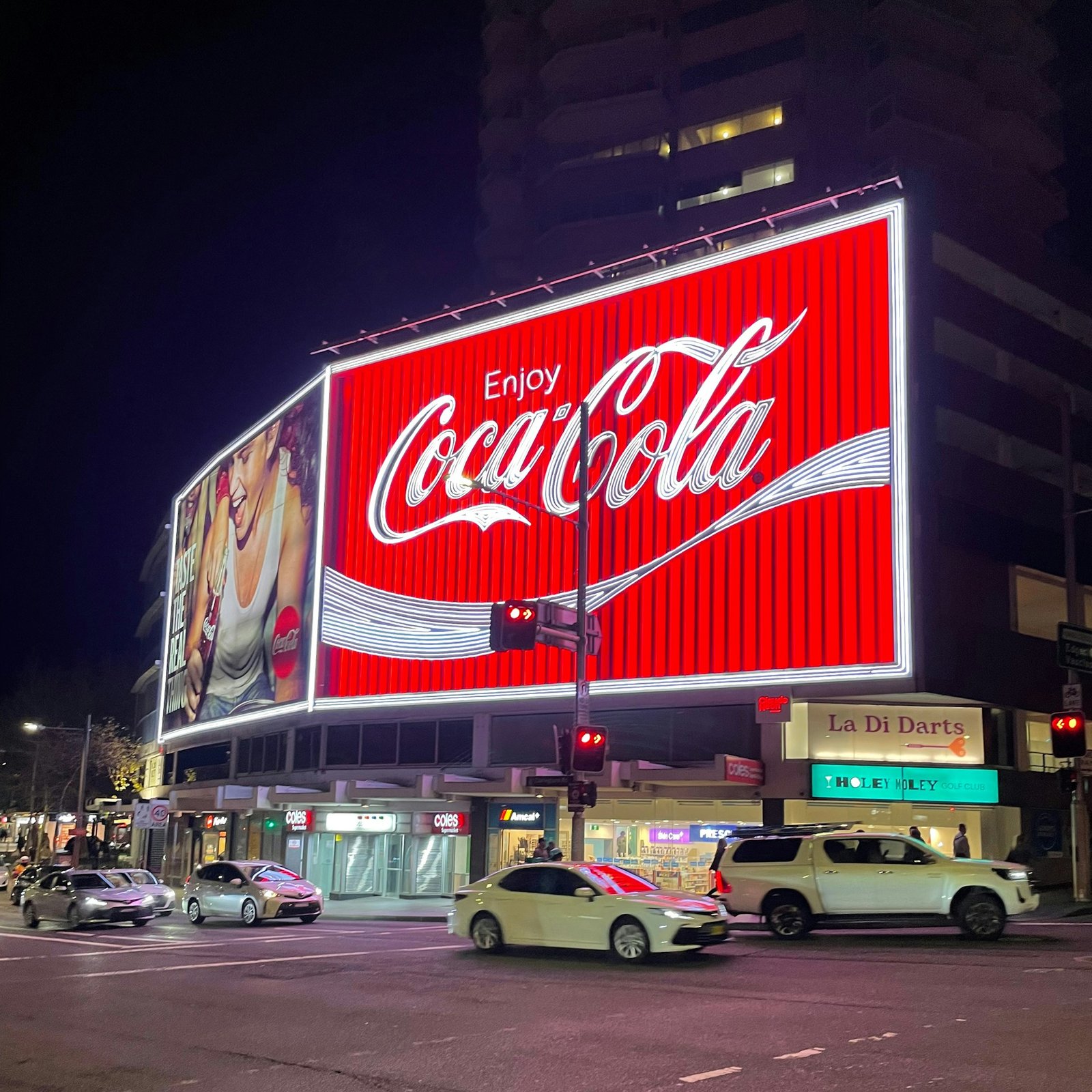
The once popular standardized approach to global marketing recommended that a global brand 1) should be created centrally and executed – without dissent – locally; and 2) should be the same everywhere. Marlboro and Coca-Cola were used as iconic examples of the way forward. British Airways adopted this standardized marketing approach with the launch in 1989 of their global slogan, The World’s Favourite Airline.
According to the One-Box Model, global brands are squeezed into a single standardized box. With the One-Box Model, local market teams executed the global template created by and delivered from central headquarters. This resulted in a globally centralized and locally indifferent business model. In a fragmented, segmented, and fractionalized world, homogenization of marketing thinking is a formula for brand disconnect. Local and regional teams felt marginalized.
The limitations of The One-Box Model led to the development of The Two-Box Model with its extremely catchy phrase: “Think global. Act local.” Marketers recognized a need to respect local differences and to execute global brand strategies in locally relevant ways. Regrettably, this approach often became just another means for the center to keep control. “We will do all the important strategic thinking at the global center. You execute what we say in local ways.” “Think global. Act local.” was a hand-off model that transferred central brains to regional brawn. As a result, there was no accountability. When the results were poor, the center complained that the global strategy was poorly executed. At the same time, the regions complained that the global strategy was the reason for failure. With the “Think global. Act local.” approach, no one felt responsible. No one took accountability. Tensions flared.
Over time, tensions between the regions and the center intensified, hindering the execution of actions that were in the brand’s best interests.
For successful brand leadership and powerful brands, global organizations need to adopt a new, collaborative approach. The Collaborative Three-Box Model is a shared responsibility model that focuses on making brands and organizations bigger, better, and stronger. It is a strategic and organizational approach and mindset that:
- Generates a collaborative brand-business culture
- Clarifies the role of the global teams and clarifies the roles of the Regional/Local teams
- Stimulates and activates a return on global learning
- Creates Brand Frameworks to guide brand actions
- Encourages regional and local creativity within the Brand Frameworks
- Inspires and realizes creative thinking and appropriate actions for enhancing localization and personalization
- Builds internal pride and accountability in all brand functions worldwide
The Collaborative Three-Box Model provides structure and processes and allocates responsibilities, so central global teams and local/regional teams know what each has to do and for what each team is specifically accountable.
Here is a brief précis of The Collaborative Three-Box Model:
- Box #1: Create the brand’s common global ambition, its vision of perfection; its North Star. The brand ambition demands global clarity of the brand Purpose and Promise. A brand’s global ambition crosses geography. Global brand leadership has the ultimate responsibility for this step, with input from the regions.
- Box #2: Define the global brand Plan to Win. The Plan to Win is built by defining the priorities for each of the 8 P’s: Brand Ambition (Purpose, Promise), Action Priorities (People, Product, Place, Price, Promotion), Measurable Milestones (Performance). The responsibilities for developing the Plan to Win are shared across a cross-functional team that has both global and local input. This cross-functional team requires complete collaboration and trust. Box #2 sorts out the priorities and provides direction for successful collaboration. This team also defines the Brand Framework, which specifies the non-negotiable boundaries that guide all action on behalf of the brand.
- Box #3: Bring the brand to life. It is the local responsibility to create local results. Regional/local teams must creatively implement the Corporate Plan to Win in locally relevant ways. My view is that the best approach is “Freedom Within the Framework.” This approach does not stifle local creativity and responsibility. The opposite is true. Local creativity within the framework is encouraged. Local responsibility is demanded. Local marketing is not just about implementing the ideas from the remote, central big thinkers. The new Collaborative Three-Box Model means that marketers must abandon the idea of “Think Global. Act Local.” Local marketers must “think locally, not just “act locally.”
Specifically, Freedom Within the Framework is a frame of reference within which all employees have the freedom to initiate action and take ownership of those actions. Freedom within the Framework allows for local and regional relevance within the Brand Framework guardrails that ensure global coherence. The Brand Framework is the bridge across the global-regional divide. This concept means that all those working on behalf of the brand are encouraged to be creative in determining how to serve customers and potential customers, as long as they work within the boundaries of the framework.
Dictating to regional and local teams, even with extraordinarily compelling input, will not generate positive results. Even so, it is important to remember that it is not the role of the center to prove its directions are correct. It is the role of the regions to prove that the center’s directions are incorrect.
Using cross-functional, cross-geographic teams, the Collaborative Three-Box Model reorganizes relationships between global and regional teams and optimizes and restructures roles and responsibilities. This new Model celebrates the fact that regional teams know the local customer best. Regional/local needs must be catered to while keeping the integrity of the brand intact. To achieve high-quality revenue growth, global organizations must build brands that are globally consistent, locally relevant, and respectful of personal uniqueness.
Brand should strengthen competitive position, pricing power, and enterprise value. The Blake Project helps make that happen.
The Collaborative Three-Box Model is more than a process and marketing communications. It is a business culture. The key is creating an effective collaborative culture. Culture helps define an organization. It creates the functional, emotional, and social disciplines for employees, suppliers, and other stakeholders. When it comes to change, culture is the final arbiter. When there is a conflict between strategy and culture, culture triumphs. When there are behavioral choices to be made, culture is the guide. Culture always wins.
The Collaborative Three-Box Model is the best approach for managing the tensions that arise from allocating global and local decision rights, for activating and accepting global work, and for clarifying the role of the center relative to the role of the regions. It is the best approach for responsibly managing global brands in today’s global, local, and personalized world. The Collaborative Three-Box Model is the best approach for building and nurturing brands for enduring profitable growth.
Contributed to Branding Strategy Insider by Joan Kiddon, Partner, The Blake Project, Author of The Paradox Planet: Creating Brand Experiences For The Age Of I
At The Blake Project, we help leaders turn brand into a disciplined driver of financial performance — strengthening pricing power, competitive position, and enterprise value. Email us to start a conversation about enduring profitable growth. For The EBITDA.
Branding Strategy Insider is a service of The Blake Project, a strategic brand consultancy focused on turning brand into pricing power, growth, and enterprise value.