[ad_1]
What Is M-Commerce?
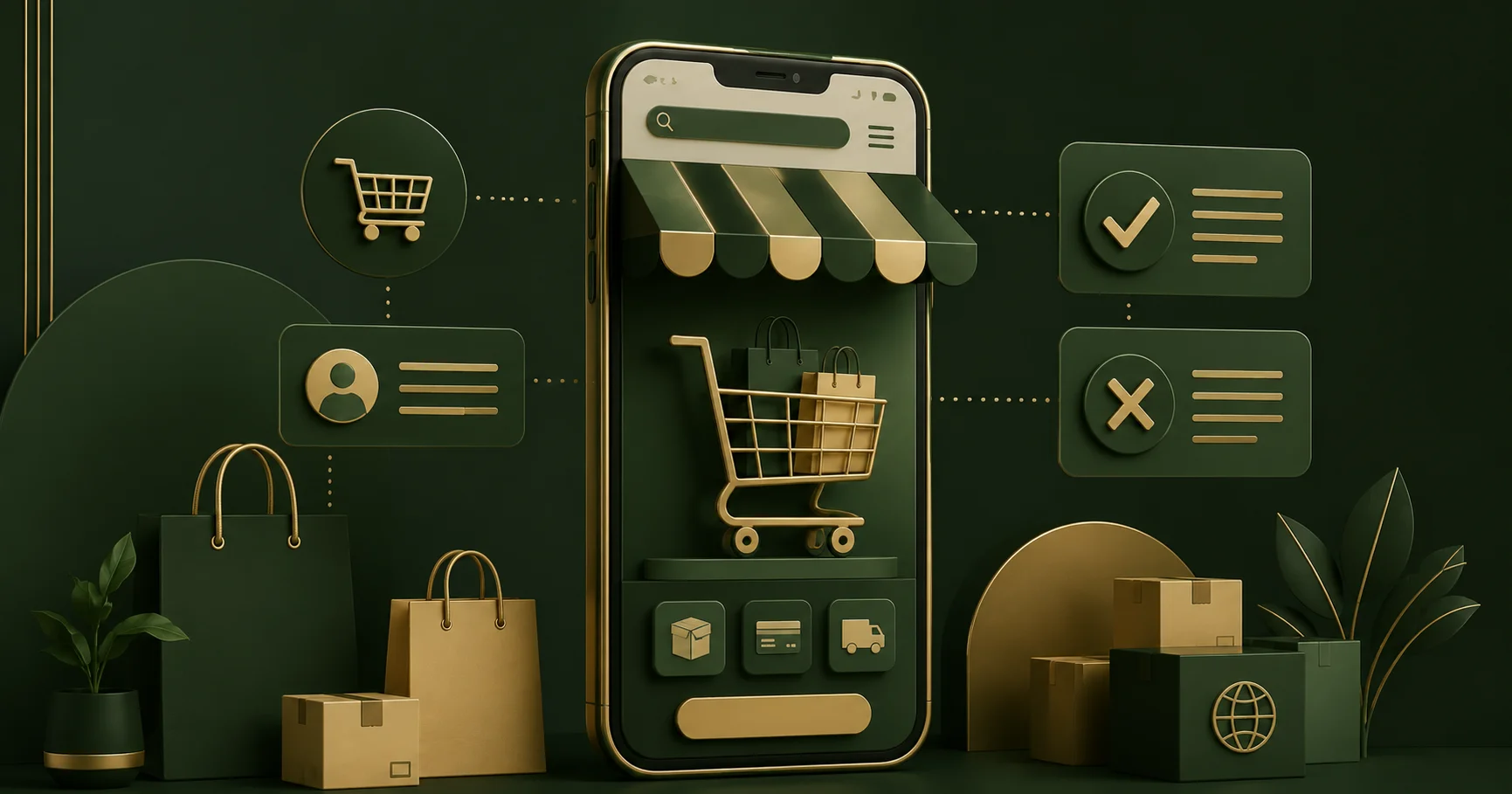
M-commerce means mobile commerce. It’s just a fancy way of saying, shopping or paying using your phone.
That’s it. Ordered food on Swiggy? Paid using GPay? Bought something on Amazon while sitting on your couch? You’ve done m-commerce.
Most people do it every day without even thinking about it. And that’s exactly why it matters so much for businesses right now.
How Is M-Commerce Different from E-Commerce?
E-commerce is any buying or selling online, on a laptop, desktop, or phone. M-commerce is just the part that happens on mobile.
The real difference is what your phone can do that a desktop can’t. GPS, push notifications, QR codes, one-tap payments these make mobile shopping faster and more personal than anything a desktop can offer.
What Is M-Commerce Used For?
You’ll find m-commerce in almost every part of daily life. Here are the most common ones:
Shopping Apps
Amazon, Flipkart, Myntra, people open these apps every day to browse and buy. Most shoppers prefer apps over websites because they’re faster and easier to use.
Mobile Payments
GPay, PhonePe, Paytm, UPI, paying on your phone has become completely normal. You pay at shops, send money to friends, pay bills, all from your phone in seconds.
Food and Grocery Delivery
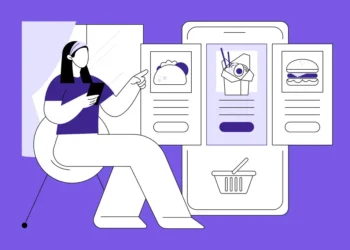
Swiggy, Zomato, Blinkit, BigBasket, these apps are made for mobile. You order, track your delivery, and pay without ever opening a laptop.
Travel Booking
Flights, hotels, trains, cabs, most people book all of this on their phones now. Apps like MakeMyTrip, IRCTC, and OYO have made that very easy.
Healthcare
Apps like Practo let you book a doctor, get a prescription, or order medicines from your phone. Especially helpful for people in smaller towns who don’t have easy access to hospitals.
Streaming and Online Courses
Netflix, Spotify, Udemy, people pay for and use these mostly on their phones. Mobile is how most digital content is consumed today.
Advantages of M-Commerce

- Customers Can Shop Anytime
Your store is open on someone’s phone at 2 AM, on the bus, during lunch, always. More convenience means more opportunities to sell. - Buying Is Quick and Easy
With saved card details and mobile wallets, completing a purchase takes just a few taps. Less friction means fewer people leave without buying. - You Can Show People What They Actually Want
Mobile apps learn from what users browse and buy. So you can show them things they’re likely to be interested in, not just random products. That makes a real difference in sales. - Push Notifications Get Attention
A notification pops up right on the phone screen. Unlike emails that sit unread for days, a good push notification gets seen almost immediately. “Your item is back in stock”, and they’re back on your app. - You Can Reach People Based on Location
Because phones have GPS, you can send offers to people in a specific city or area. It’s one of the most targeted ways to market to the right person at the right time. - Costs Less to Run
No physical store needed. You can manage orders, inventory, and customer support from anywhere. That keeps your overheads low. - Reach Customers Who Only Use Their Phone
In many parts of India and the world, people go online only through their phones, never a laptop or desktop. M-commerce lets you reach them too. - People Come Back More Often
A smooth, enjoyable app experience with loyalty points or personalized offers keeps customers coming back. Good mobile experiences build habits.
Disadvantages of M-Commerce

- Small Screens Have Their Limits
Phones are great for quick buys. But if someone is spending a lot of money — say, on a TV or a sofa, they usually want a bigger screen to read details and compare options carefully. - Security Is Always a Risk
Payments and personal data on mobile are a target for hackers. Businesses need to put proper security in place, which costs money and requires ongoing attention. - Slow Internet Ruins Everything
If a page takes too long to load, the customer is gone. M-commerce only works when the internet does, and that’s not always guaranteed. - Every Phone Is Different
Hundreds of phone models, different screen sizes, different Android versions, making sure your app or site works well on all of them takes real effort. - Getting People to Keep Your App Is Tough
People are selective about which apps stay on their phones. Getting someone to download your app is hard enough. Getting them to actually use it regularly is even harder. - Apps Are Expensive to Build and Maintain
A good app on both Android and iOS costs money, not just to build, but to keep running. Updates, bug fixes, and new features are an ongoing cost. - Privacy Is a Growing Concern
Apps often ask for access to your location, camera, or contacts. More people are paying attention to these requests now, and privacy laws are getting stricter too. Businesses need to be clear and honest about what data they collect. - Returns Are More Common
Customers can’t touch or try the product before buying. So returns happen more often in m-commerce than in a physical store, and that adds to your logistics and support costs.
M-Commerce vs Traditional Commerce
| Factor | M-Commerce | Traditional Commerce |
| Availability | 24/7, from anywhere | Store hours only |
| Cost to Run | Lower | Higher |
| Customer Reach | Global | Local |
| Personalisation | High | Low |
| Security Risk | Higher | Lower |
| Shopping Feel | Depends on the device | Consistent in-store |
Is M-Commerce the Future?
It’s already here. Mobile shopping keeps growing every year. Businesses that make the mobile experience a priority are seeing more sales, better customer retention, and lower costs. Those who ignore it are slowly losing customers to competitors who don’t.
Mobile works best when it’s part of a bigger plan, a good website, solid SEO, and reliable customer support all working together. But for most customers today, mobile is where the journey starts.
Conclusion
M-commerce has become a normal part of everyday life. People shop, pay, book, and connect with brands, all from their phones. And this is only going to grow.
If you want your business to grow online, having a strong mobile presence is one of the best investments you can make. Working with a reliable e-commerce website development company in Bangalore can help you build a store that’s fast, mobile-friendly, and easy for customers to use. The right ecommerce website design Bangalore team won’t just build you a website, they’ll help you create an experience people actually enjoy coming back to. Because in m-commerce, a good experience is everything.
[ad_2]
Source_link