[ad_1]

Jessica Abbadia
19 June 2026
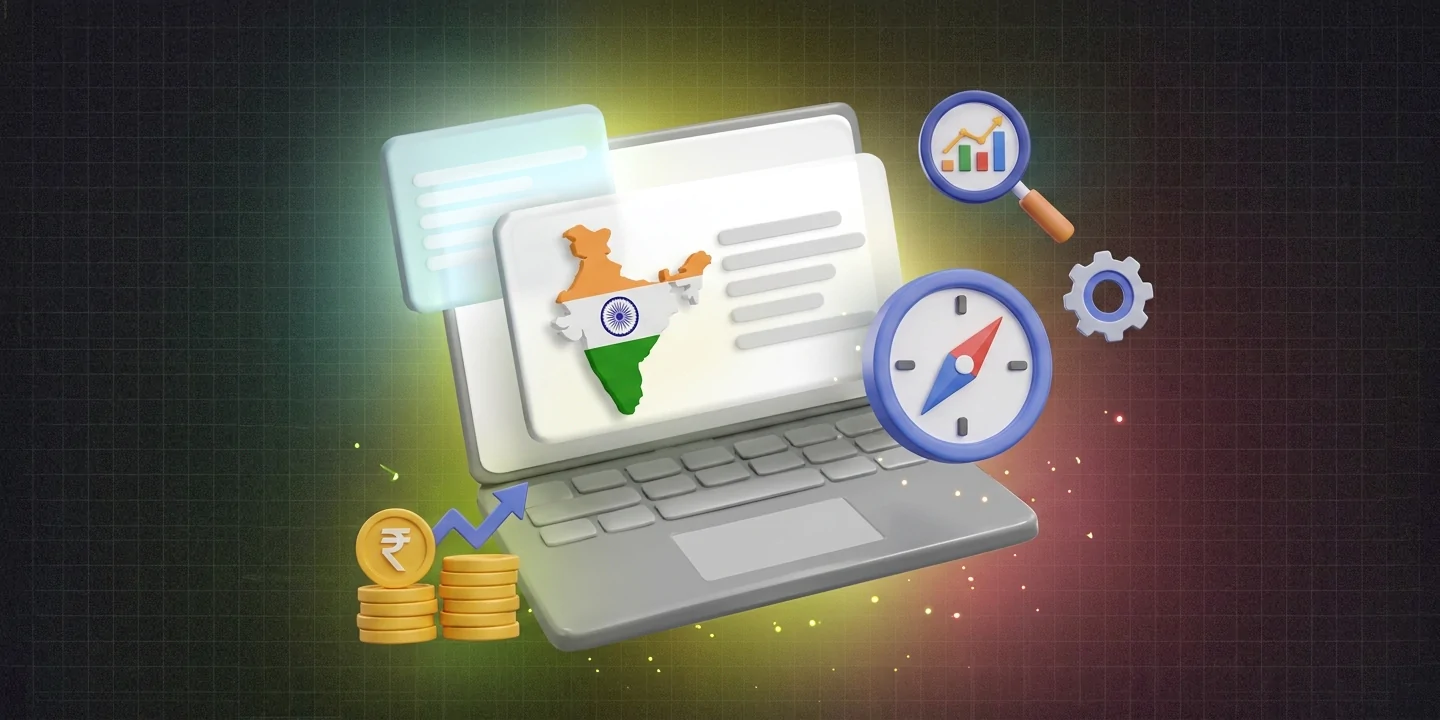
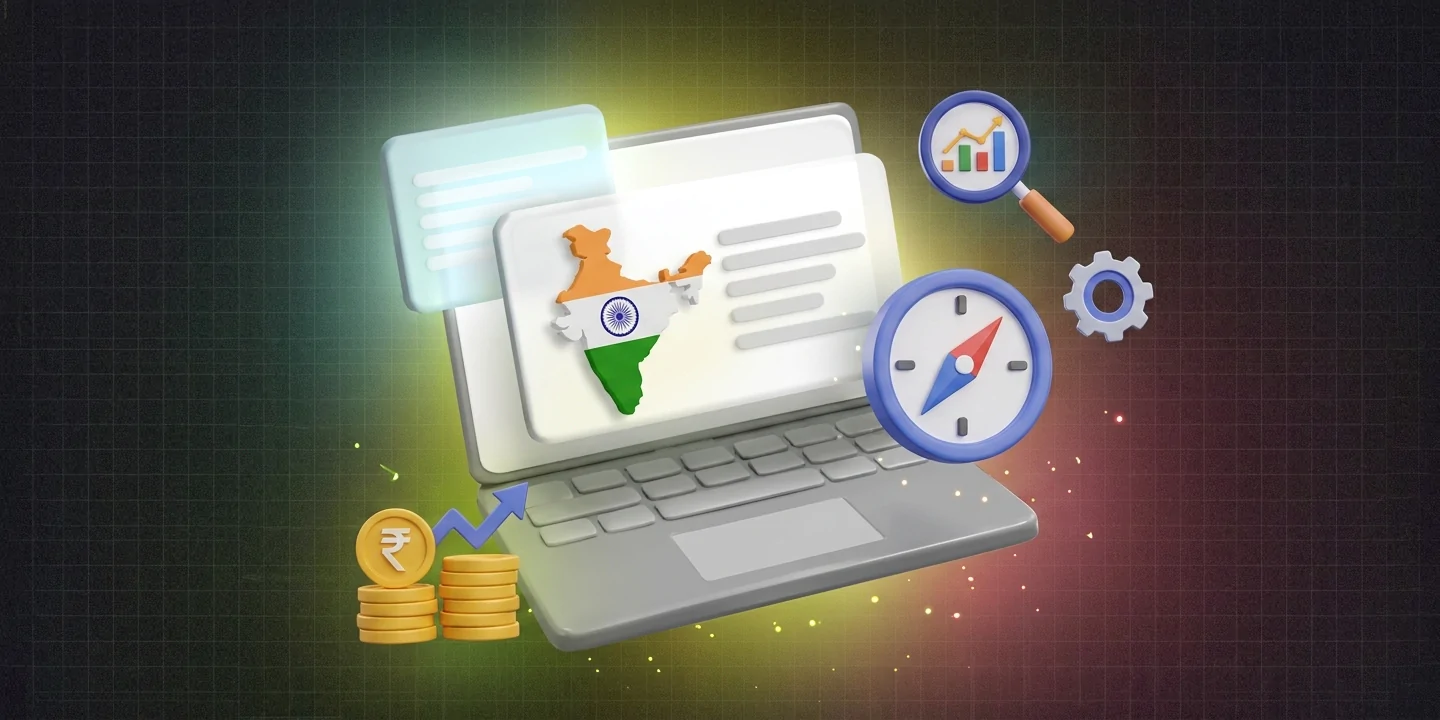
India’s app market has hit a turning point that’s hard to ignore. Developers are reporting a $300M Q1 revenue surge, and for anyone watching mobile growth globally, it’s one of the more fascinating stories playing out right now. For marketers, though, this is bigger than a headline number. It signals a genuine strategic shift, one that’s reshaping how brands think about monetization models, ASO priorities, and international expansion. So what’s actually driving this, and what should you do about it?
Decoding the Mobile Revenue Surge Behind India’s Growth
India already sits among the largest smartphone markets on earth, and this quarterly jump reflects something more fundamental than raw user growth. Affordable data plans, a young population that essentially grew up digital, and the widespread adoption of UPI payments have quietly assembled a payment infrastructure that finally lets developers earn real money at scale. According to Statista mobile app data, India has led global download charts for years running. The persistent problem was that downloads and revenue barely correlated.
That gap is closing, and closing fast. Users who once scrolled past in-app purchase prompts are now actively spending on subscriptions, gaming, fintech tools, and streaming. The $300M surge is a signal that the market has genuinely matured. User intent and willingness to pay have finally converged. For any brand still treating India purely as a volume play, here’s the thing: the rules have changed. This is a revenue market now, and it demands a fundamentally different approach than what got you here.
Rethinking App Monetization Models for a Price-Sensitive Audience
Monetizing in India requires a different playbook than what works in the US or Western Europe, full stop. Premium upfront pricing tends to fall flat. What actually moves the needle is a combination of freemium access, micro-transactions, ad-supported tiers, and subscription pricing calibrated to local purchasing power. The apps capturing the most revenue right now share one thing in common: a low barrier to entry paired with well-timed, contextually relevant upgrade prompts.
Subscription fatigue is real here, so flexibility matters more than almost anything else. In our experience, weekly and monthly plans consistently outperform annual commitments in this market by a significant margin. If you’re building out subscription tiers and want a framework that converts without alienating cost-conscious users, our guide to mobile marketing for SaaS breaks down the specifics.
Ad monetization also deserves serious investment. Rewarded video and interstitial formats perform exceptionally well with Indian audiences, largely because users would rather earn value than pay for it outright. That preference isn’t a quirk; it’s a behavioral pattern you can design around. To keep tabs on what’s actually driving revenue in your app, track the app metrics that matter, including ARPU, ARPDAU, and conversion-to-paid rates. Revenue per user can look modest in isolation, but across hundreds of millions of installs, small numbers compound into something genuinely significant.
Building an ASO Strategy That Wins in Regional Search
App store optimization in India is more complex than most markets, and language diversity is the core reason. An English-only keyword strategy leaves enormous portions of the addressable market completely untouched. Searches in Hindi, Tamil, Telugu, Bengali, and Marathi are climbing steadily, and developers who have taken the time to localize their metadata are seeing measurable lifts in both visibility and conversion. A strong app store optimization strategy starts with understanding how users in each region actually search, not how you assume they do.
Keyword research also needs to account for transliteration habits, specifically the way users type Hindi and other regional language words using Latin characters. Those variations surface high-intent traffic that most competitors overlook entirely. Our breakdown of app store keyword optimization covers how to prioritize terms across multiple languages without sacrificing relevance in any single one.
Creatives carry as much weight as keywords, sometimes more. Screenshots and preview videos featuring culturally relevant imagery, local festivals, or region-specific use cases consistently outperform generic global assets in head-to-head tests. The only way to know what resonates is to test rigorously. Run continuous A/B tests on creatives across regions and use every tool available to you. Both the Apple product page optimization suite and Google Play’s store listing experiments make this more accessible than it has ever been.
Leveraging Influencers and Organic Channels for Install Growth
India has one of the most active creator economies anywhere in the world, and influencer-led discovery accounts for a surprisingly large share of app installs. Regional micro-influencers frequently outperform national celebrities because they speak directly to tight-knit communities in native languages and carry a level of trust that broader campaigns simply cannot replicate. What we have seen repeatedly is that these creator partnerships also tend to be far more cost-efficient, often beating paid media on a cost-per-install basis by a wide margin.
If influencer marketing is relatively new territory for your team, our resource on app promotion using influencers walks through how to structure campaigns that can actually scale. Pairing creator content with organic distribution extends your reach without inflating acquisition costs in the process.
Bottom line: organic strategy needs to run alongside paid, not as an afterthought after budgets are already committed. Search visibility, content, and community building accumulate value over time and reduce your dependence on ad spend. The app organic marketing playbook covers how to build install flows that hold up even when budgets get trimmed. In a price-sensitive market like India, organic efficiency doesn’t just support growth; it protects margins directly.
Planning International Expansion With Localization at the Core
India’s growth story doubles as a practical blueprint, both for Western brands entering emerging markets and for Indian developers thinking seriously about going global. The lesson that keeps surfacing is this: localization is not translation. It’s the full adaptation of pricing, payment methods, UX, and messaging to fit local expectations. Brands that use India as a testing ground for emerging-market strategy tend to come away with a repeatable model they can apply in Southeast Asia, Latin America, or wherever they expand next.
Payment integration is often the factor that determines whether a campaign converts or stalls entirely. Supporting UPI, regional wallets, and carrier billing can dramatically shift purchase completion rates in ways that are hard to replicate through any other optimization. The Google Play Billing documentation covers the technical foundations for localized purchase flows, and Apple provides comparable regional pricing controls on the iOS side.
Cultural fluency matters well beyond the checkout screen. Onboarding flows that reflect local language and behavior patterns keep users engaged past the first session, which is where most retention battles are won or lost. Our step-by-step guide to app localization covers the full scope, from metadata to in-app copy. For sizing the opportunity before committing resources, Business of Apps statistics offer reliable regional benchmarks that are worth reviewing early in any planning process.
Measuring Success and Avoiding Common Pitfalls
Growth without measurement is guesswork, and India’s scale makes attribution particularly critical. With privacy regulations tightening globally, you need measurement frameworks that are both accurate today and built to hold up over time. Our overview of mobile attribution explains how to track installs and revenue without leaning on deprecated identifiers that are already being phased out across iOS and Android.
The most common mistake we see is teams optimizing hard for installs while ignoring what happens in the days and weeks that follow. A massive download base means very little if users churn before day seven. Cohort behavior, day-7 and day-30 retention, and lifetime value are where the real story lives. Research from Think with Google APAC reinforces this clearly: in high-volume markets, retention is what converts downloads into durable, compounding revenue.
Resist the temptation to copy-paste strategies from saturated Western markets. Approaches that convert well in the US often stumble in India because of pricing sensitivity, language fragmentation, and different user expectations around value. Build local-first, then scale outward. That discipline is what separates brands building sustainable revenue from those chasing download counts that never move the actual business forward.
India’s app market surge is not a temporary spike. It’s structural. Revenue maturity, regional ASO, influencer-driven discovery, and localized monetization now define what winning looks like here. Brands that adapt their pricing, measure retention seriously, and localize with genuine depth are the ones building lasting value in this market. The core takeaway is pretty straightforward: treat India as a revenue market shaped by local nuance, and the growth opportunity becomes both massive and, more importantly, repeatable.
Frequently Asked Questions
Why is India’s app revenue growing so quickly?
Affordable data, widespread smartphone adoption, UPI-powered payments, and a young digital-first population have unlocked monetization at a scale that simply wasn’t possible a few years ago. Users who once resisted in-app spending are now paying for subscriptions, gaming, and fintech services, closing the long-standing gap between downloads and actual revenue.
What monetization model works best in India?
Freemium and ad-supported models perform strongest, paired with flexible, low-cost subscription tiers. Weekly and monthly plans typically outperform annual ones in this market. Rewarded video ads convert well because users prefer earning value over paying upfront, which makes blended monetization the most effective overall approach.
How important is language localization for ASO in India?
It’s critical. Searches in Hindi, Tamil, Telugu, and other regional languages are rising fast, including transliterated terms typed using the Latin alphabet. Localizing metadata, keywords, and creatives directly improves both visibility and conversion across India’s diverse linguistic landscape.
Should global brands enter India before other markets?
India is an excellent proving ground for emerging-market strategy because of its scale and diversity. Brands that master localized pricing, payments, and messaging here tend to come away with a repeatable playbook they can apply with confidence in other high-growth regions.
What metrics matter most in high-volume markets?
Retention and lifetime value outweigh raw install counts every time. Track ARPDAU, day-7 and day-30 retention, conversion-to-paid rates, and cohort behavior closely. In a market with hundreds of millions of users, even small improvements in retention compound into significant revenue gains over time.
Jessica Abbadia
Jessica is Moburst’s VP of Organic. She specializes in enhancing organic performance for apps and games all over the world, while actively developing innovative methods for increasing app visibility and conversion, as well as offering her vast knowledge for the benefit of the mobile community.
She graduated from law school and now serves as an animal rights activist who also loves reading books while sipping a strong coffee and holding one – or more – of her three cats.

[ad_2]
Source_link