Plus: DuckDuckGo makes search play based on choice; what happens when you neglect top-of-funnel.
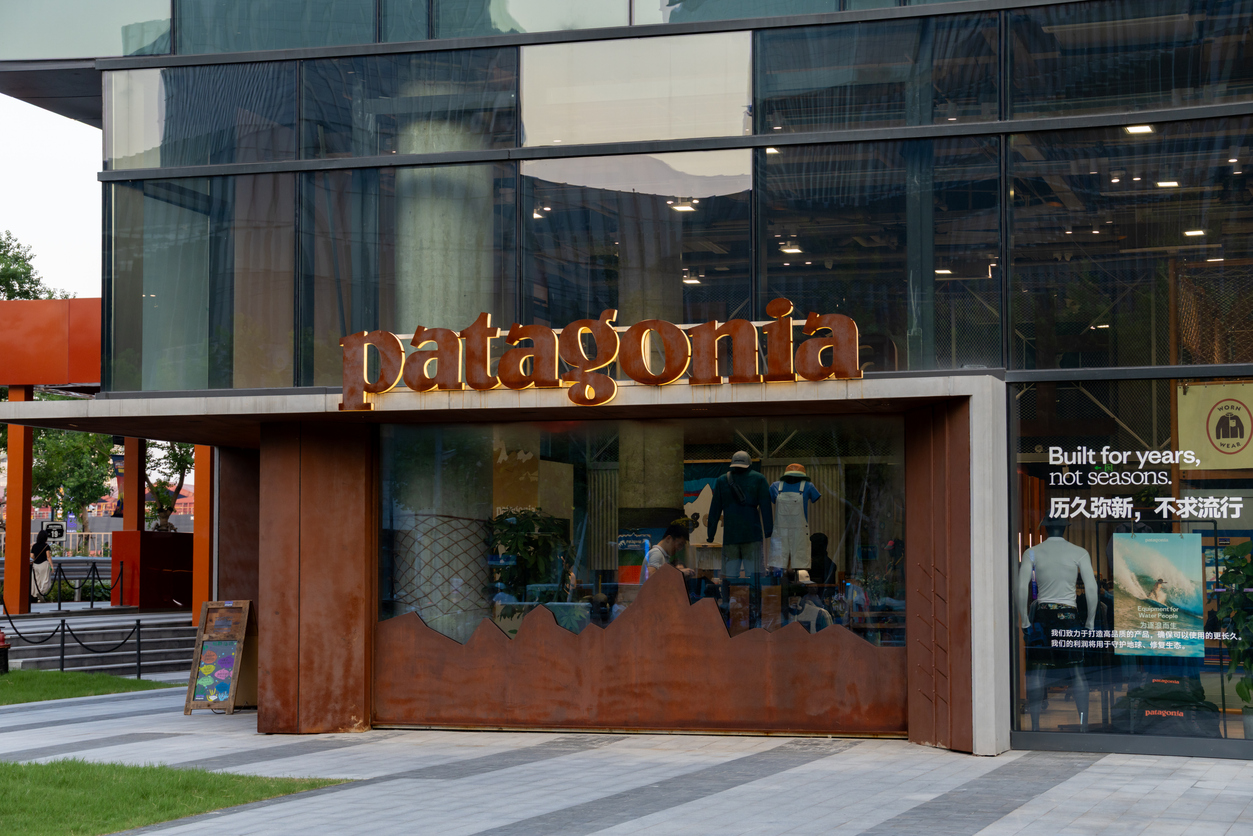
Outdoor outfitter Patagonia is suing drag queen and activist Pattie Gonia.
The two parties had had a longstanding agreement allowing Pattie Gonia (government name: Wyn Wylie) to perform and conduct environmental advocacy under the name. The issue arose when Wylie moved to trademark the name Pattie Gonia and make merchandise that reportedly bore a resemblance to the Patagonia logo, the BBC reported.
The company is suing specifically to stop the filing of that trademark. They are asking for $1 plus legal fees.
In a social media video, Gonia challenged this, saying Patagonia is trying to “take away my name permanently” and make them pay $1 million in legal fees.
“This is not a brand conflict,” they said. “This is a corporation trying to erase an activist.”
Patagonia responded with its own statement:
“We wish this lawsuit had not been necessary, and we want to acknowledge any hurt it has caused, especially in the LGBTQ+ community. We don’t want to argue trademark law on social media. Importantly, we continue to want to resolve this.”
Patagonia also said that if Gonia withdrew their trademark applications, stopped using their logo and agreed not to sell products with the name, they could continue to perform and fundraise as Pattie Gonia, contradicting the drag queen’s statements.
Social media response has been mixed. While the comments on Patagonia’s Facebook post were quite negative, other social media content, like this well-watched TikTok, takes Patagonia’s side, with many noting the company’s long history of environmental advocacy as a reason to support.
Why it matters:
We’re not lawyers, we won’t wade into the legal arguments here. Trademark law is complicated, and many companies defend it zealously (think of the infamous 1989 lawsuit from Disney that forced a daycare to paint over a mural of its characters). Whatever the merits of the case, PR is now left dealing with the fallout.
Patagonia is going up against a sympathetic figure to many of its audience: a drag queen who has raised millions of dollars for the environment. Even attempting to keep its monetary ask as low as possible, it is still facing backlash.
The decision not to debate the actual trademark merits of the case on social media is a wise one. Everyone on these platforms is suddenly an expert on the topic, but ultimately, the only thing that matters is what a judge thinks.
Patagonia’s real saving grace here is its history of mission-driven environmental advocacy. Their many years of work for the outdoors gives it a bank of goodwill it can now draw on — for some audience members. Others see that work as a betrayal, especially when the “opponent” in this case is also an environmental advocate.
Even if their statement didn’t land with some audience members, Patagonia’s statements nonetheless did the best it could in the circumstances: Acknowledging the pain it caused the LGBTQ+ community (especially at the start of Pride), refusing to debate law, laying out their asks in layman’s terms, and expressing a desire to settle the situation.
Editor’s Top Reads:
- Search engine DuckDuckGo is seeing a sudden surge of interest as it gives users the ability to turn off all AI features. “Google is force-feeding AI with no way to opt out,” CEO Gabriel Weinberg said in a statement. “As a result, their results are getting worse, not better. We want to be the place that puts users in charge and allows them to decide how much or how little AI they want.” Interestingly, DuckDuckGo also offers a suite of AI tools, which it says are among the engine’s most popular features. “People just want a choice,” said Kamyl Bazbaz, chief communications and policy officer for DuckDuckGo. The search engine’s decision to lean into choice is a smart one. It isn’t pro- or anti-AI. It’s pro-consumer, putting users in charge of their data and journey. That point of differentiation can allow the company to have its cake and eat it too, reaping the rewards of AI while appealing to AI skeptics who just want a classic search experience. Because the messaging remains focused on choice, users don’t feel like they’re talking out of both sides of their mouth. That’s how a small challenger can gain market share against a giant like Google.
- 1-800-Flowers admitted it had grown addicted to buying sales and lost its focus on maintaining a healthy top-of-funnel experience. “The most important asset we have, it’s our brand. And unfortunately, we hadn’t invested in the brand for a while. We are reversing that,” said CEO Adolfo Villagomez during an investor call last month. “The bottom-of-the-funnel transactions do not build a brand. They just lead to transactions,” Villagomez added. “Middle- and top-of-funnel build the brand, build awareness so that you’re in the subconscious of the customer and eventually, when they have a need, they think about you.” This is exactly where PR comes into play. By building a strong brand every day, customers already have familiarity and affinity when it comes time to make a purchase, making the cost to acquire a customer lower and increasing retention. This is a great case study to show leadership the next time they complain PR isn’t translating to direct sales.
- YouTubers are taking the cinema by storm. The top two films in America this weekend were both created by young guns who got their start on the video platform. “The Backrooms” and “Obsession” even beat out the new Star Wars movie, “The Mandalorian and Grogu,” in its second week. “People who got famous on YouTube were major draws, while a corporate franchise from the world’s biggest entertainment company was a goner,” wrote The Hollywood Reporter’s Steven Zeitchik. “Of course, that franchise itself embodied rebel youth when it came out 49 years ago this week. The guard changes; the new becomes the tired.” This signals a massive cultural shift around YouTube and social media. Obviously, these platforms have been important for years, but this indicates a mass market (and monetizable) shift that marks the start of something new — and perhaps the end of the dominance of major studios on pop culture. When looking for trends to jump on and culture to follow, look to YouTube first.
Allison Carter is editorial director of PR Daily and Ragan.com. Follow her on LinkedIn.
The post The Scoop: Patagonia’s legal fight with a drag queen becomes a PR nightmare appeared first on PR Daily.